Contact Person:Dr. Safwan Sayyal
Working Hours:Mon - Fri: 9:00 AM - 5:00 PM
Contact:info@sayyalhealth.com








Published: September 18th, 2025Last updated: October 9th, 2026
Platelet-rich plasma therapy has gained popularity due to its multiple benefits. It recovers patients faster and provides long-term, effective results. Also, it reduces pain and decreases the progression of the disease.
Platelet-rich plasma is an autologous method for treating osteoarthritis. Concentrated plasma from the patient’s own blood increases the healing process of the patient.
Osteoarthritis is a degenerative disease that happens due to the breakdown of cartilage. It is a soft connective tissue that helps us move joints. Owing to various reasons, cartilage wears down at the ends of bones. As a result, patients feel stiffness, grating, soreness, swelling, and pain.
PRP treats osteoarthritis by enhancing the natural healing process of the body. Plasma contains the growth factors that help in repairing cartilage. It is an autologous process that reduces the need for surgery. The complete process takes 15-30 minutes.
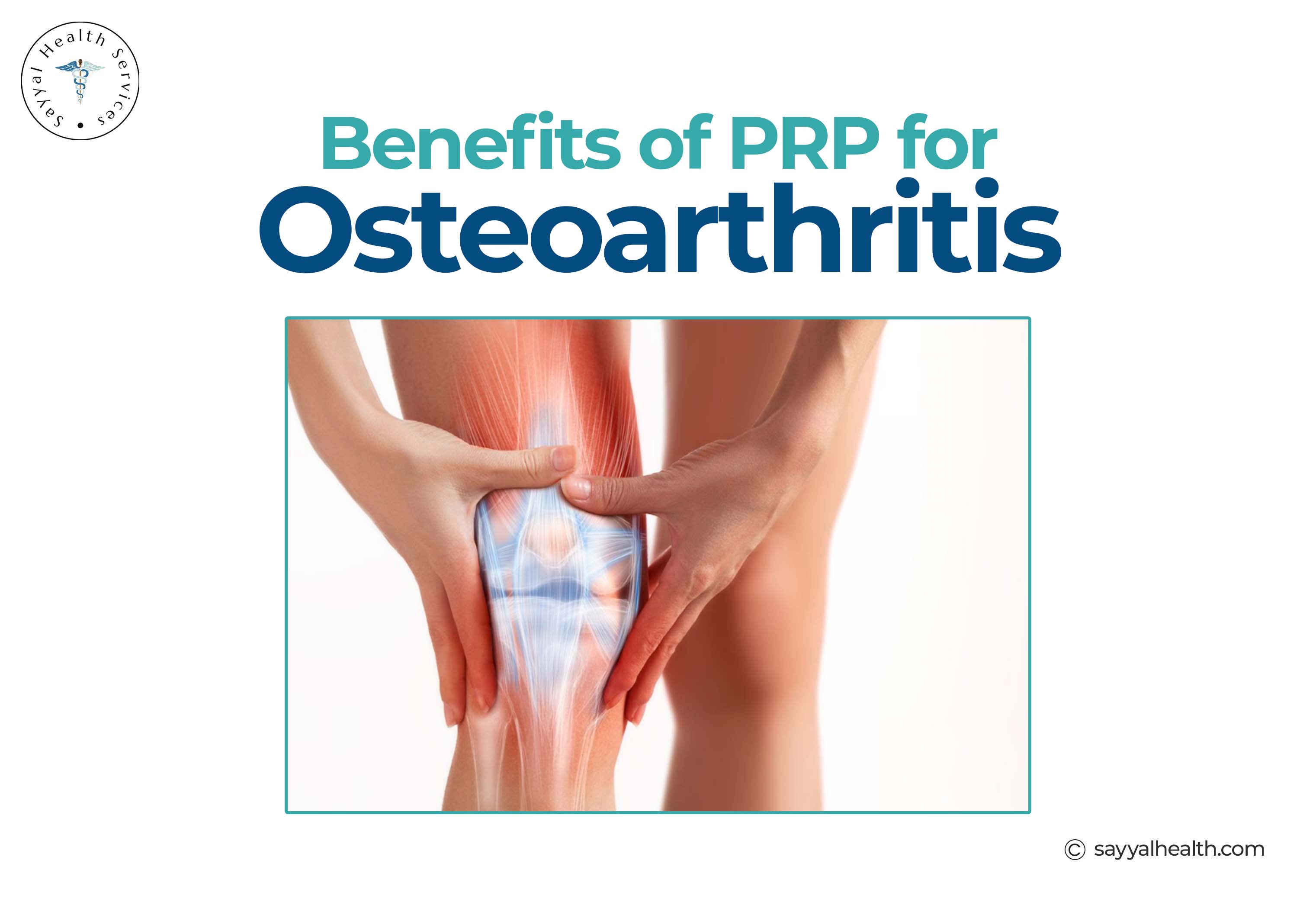
In comparison to traditional treatments, PRP is effective. Why PRP treatment is beneficial is given here:
Platelet-rich plasma therapy is now popular for treating OA of the knee. It is a regenerative medication process in which the patient’s own platelets are used for treatment. First, approximately 20-30 ml of blood is drawn from the patient.
Plasma is separated from the blood in the centrifuge. Blood is divided into different layers, including red blood cells, white blood cells, and plasma. In the double spin method, a layer of concentrated plasma is collected in the centrifuge.
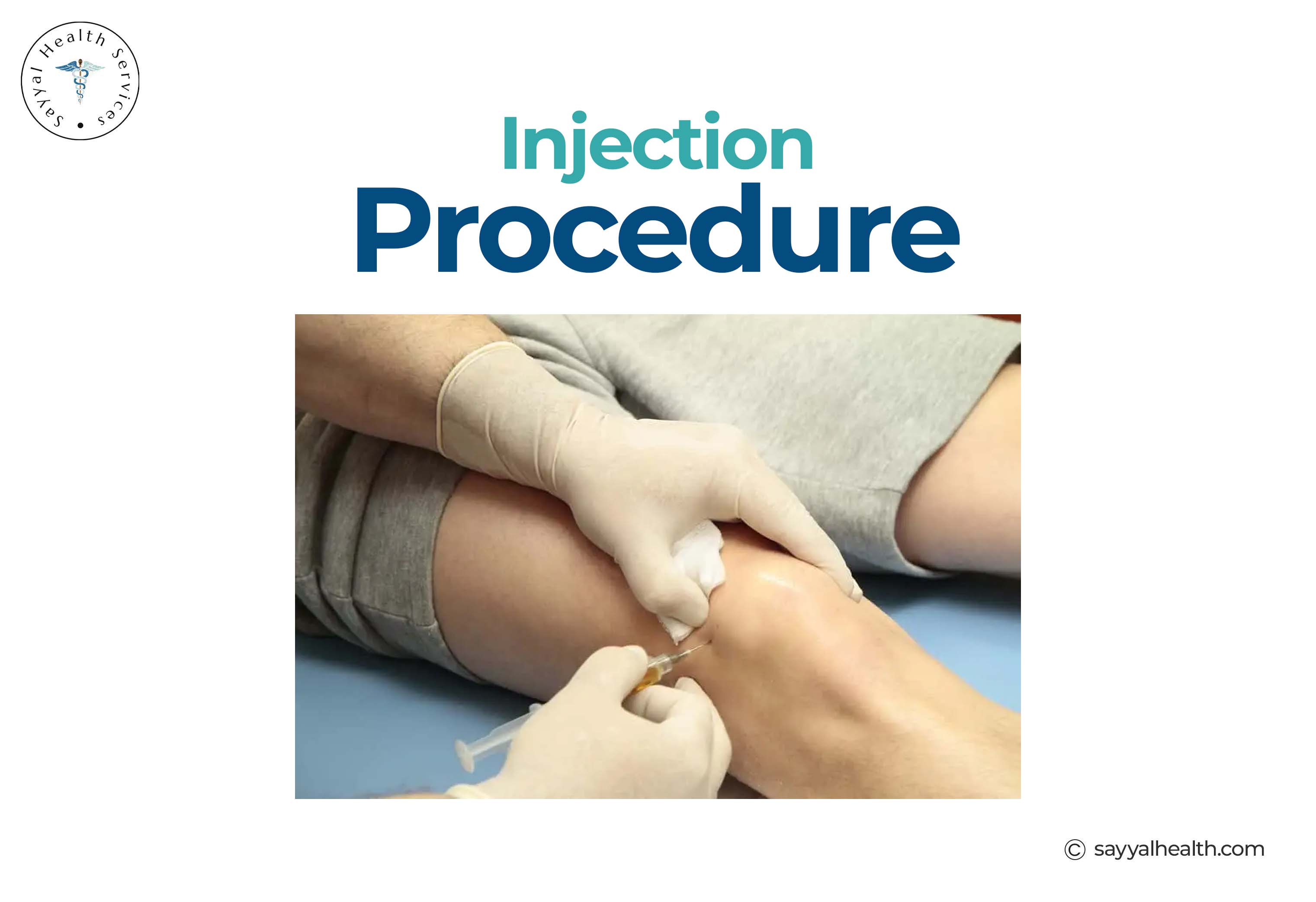
Due to low density, plasma goes to the centrifuge's upper layer. This concentrated plasma is injected into the patient's targeted area under ultrasound guidance. With ultrasound, injection precision increases up to 97%. Most often, patients prefer less painful treatment over surgery. This treatment is an alternative to surgery for osteoarthritis at the early stages.
Plasma contains growth factors that stimulate the healing process and help in cartilage repair. PDGF, TGF-β, VEGF, IGF-1, FGF and EGF are growth factors that make PRP an effective method. Platelet-derived growth factor is a protein that is essential for healing wounds. It is also important for repairing and growing blood vessels. It promotes the proliferation and migration of cells. Transforming growth factor beta is a cytokine that differentiates, proliferates and grows cells.
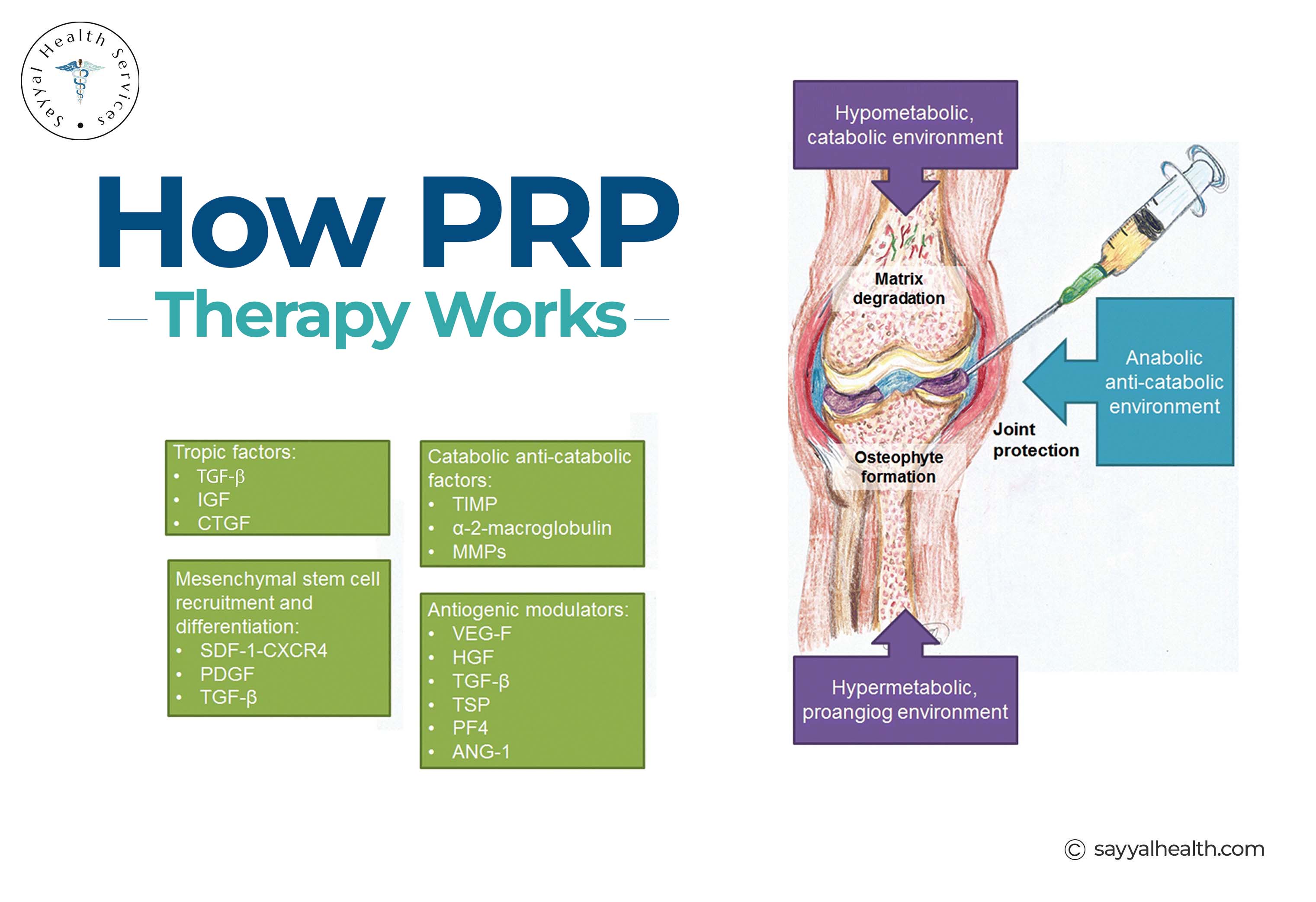
For osteoarthritis, PRP follows the leukocyte-rich protocol, which is a double-spin method. Leukocyte-rich PRP contains a high concentration of leukocytes. The double spin method results in a maximum number of platelets. The first spin is a soft spin of shorter duration.
In comparison, the second spin is a hard spin of long duration. After the second spin, the concentrated plasma with buffy coat and white and red blood cells separates into layers. In the first spin, blood is separated into white and red blood cells and plasma. But the second spin results in a higher concentration of plasma.
Performing PRP treatment under ultrasound improves injection precision up to 90%. However, without ultrasound, the precision of injection remains 70%. Activation factor CaCl₂ is added to the injection to enhance effectiveness. Activation factor stimulates growth factors to enhance healing.
Platelet-rich plasma is beneficial for treating osteoarthritis. It helps decrease the progression of the disease. WOMAC and VAS scores support the PRP as an effective treatment. VAS is a visual analogue scale that measures pain. The PRP VAS score has shown a 62% improvement in pain reduction. (Meta-Analysis Smith 2024).
The Western Ontario and McMaster Universities Osteoarthritis Index score is a questionnaire method to assess the physical function, pain, and stiffness in knee and hip osteoarthritis. In functional improvement, platelet-rich plasma shows an improvement, as it shows a 40% reduction in the WOMAC score.
A cartilage biomarker is an indicator that reflects the health and activity of cartilage metabolism. It is a molecule that is released in the body to detect joint problems and disease progression. It is also used to monitor the effect of PRP treatment. A cartilage biomarker has shown a 29% increase in type 2 collagen in patients after treatment.
A cytokine protein, interleukin-1 beta, decreases the synovial inflammation by up to 33%. It provides long-term results that persist for up to 9-18 months.
Comparable to traditional treatment, PRP therapy is an effective treatment. Hyaluronic acid injections, NSAIDs and steroids are the treatments for osteoarthritis. Platelet-rich plasma injection shows 35% better pain relief than HA at 12 months (Cochrane 2025).
HA is a hyaluronic acid that works as a lubricant and shock absorber to smooth the joint movement. It is also effective in reducing pain. However, PRP is comparatively effective in providing long-term results. Similarly, it provides a 3% better result than the steroid injections.
Like every other treatment, PRP also has risks. Some risks are common and mild. However, the severe risk is nerve damage, which is rare. Swelling, discomfort and mild pain are common risks that fade away within days. In some cases, patients feel intense pain. But this intensity remains only for 3 days and gradually decreases with time.
Infection is rare, which only happens in 0.04% of cases. Nerve injury is also a risk that is quite rare, with a 0.1% chance. To avoid the risk of the treatment, it is important to take some safety measures. There are some contraindications that you need to consider for PRP treatment. Do not use anticoagulants and thrombocytopenia with PRP when platelet counts are less than 150,000/μL. Because it increases the risk of bleeding.
Special attention must be taken for the diabetic patients. Otherwise, complications will happen and healing will become slow, specifically when blood is poorly controlled (HbA1c > 8). It is also contraindicated during pregnancy as it poses a potential risk to the fetus. Before and after treatment, one must avoid NSAIDs, specifically before and after 7 days.
Under the CPDT code 0232T, it is still under investigation for insurance. This is the reason that it is out of pocket for some patients. The average PRP Therapy Cost starts from $800 to $2500. Data from 2025 shows that some commercial insurance plans cover 12% of these injection expenses. Hence, the treatment becomes affordable for some patients.
Comparable to the cost of surgery, it is less expensive. Its total cost is $3500, which is less than the total surgery cost of $12000. For its safety and efficacy, clinics must ensure their regulatory compliance according to the guidelines of TGA (Therapeutic Goods Administration) and SMA (State Medical Authority).
Before starting the treatment, it is crucial to check the eligibility of the patient. PRP therapy is not for every patient. A careful evaluation is crucial to avoid unnecessary risks in the future. Patients between the ages of 40 and 65 with a BMI of less than 35 and KL grades 2-3 are ideal for this treatment. KL is the Kellgren-Lawrence grading system that indicates the severity of osteoarthritis. Grade level 2-3 is an indication of moderate osteoarthritis disease. However, patients with late-stage osteoarthritis and cancer are not eligible for this treatment.
The Arthrex ACP system, which is a device, is used for PRP. This system ensures the purity of plasma concentration at the highest possible level. Doctors use a specific thin (22-gauge 3.5-inch) needle to inject plasma into the injured area under ultrasound guidance. After an injection, the patient needs to rest for 48 hours. Instead of NSAIDs, cryotherapy(ice) is preferred to manage pain.
For an effective treatment, it is important to follow the standard protocols. Otherwise, the risk associated with the disease can increase. From the selection of injection to prepare the PRP and then injecting it into the patients, everything matters a lot. Patient care is important to achieve the desired result. It is necessary that, before starting the treatment, patients should avoid taking some painkillers that can affect the PRP treatment.
The research on PRP treatment is still in process. New concepts are also emerging. Under clinical trial NCT04888512, new innovations like bone marrow aspirate concentrate (BMAC) and the combination of hyaluronic acid with PRP are showing promising results.
Specifically, these therapies are helpful in reducing pain and regenerating tissues. Similarly, the biomarker research studies related to TGF-β3 are making it easy to find the subgroups of patients to make this treatment helpful.
To enhance the potential of PRP, studies on technological advances in scaffold technologies (3-D printed matrices) and gene editing, CRISPR-enhanced PRP, were also included. All this research is going through the regulatory compliance for adoption.
PRP (Platelet-Rich Plasma) therapy is a natural, non-surgical treatment designed to support your body’s own healing process and help reduce joint pain and inflammation.
At Sayyal Health, our experienced medical team carefully assesses your condition and provides personalised PRP treatment aimed at improving mobility and enhancing your quality of life. If knee, hip, or joint pain is limiting your routine, now is the time to take action. Don’t let osteoarthritis control your lifestyle.
Book your appointment with Sayyal Health today and take the first step toward stronger, healthier joints and long-term relief.
Does PRP regenerate cartilage?
Platelet-rich does not regenerate cartilage directly. But platelet rich plasma is important for the health of cartilage. Hence, it slows down the degradation of cartilage. In a nutshell, PRP is essential for cartilage health.
Is PRP better than surgery?
PRP is an alternative to surgery especially for those who want to avoid painful surgery. This treatment is useful only at the early stages of osteoarthritis. But at the last stage of osteoarthritis with high inflammation, surgery is important.
What is the duration of PRP treatment?
The duration of PRP treatment can go from 6 months to 12 months. However, it depends on the patient's condition and disease vulnerability on how much time this treatment takes.
How many sessions are included in PRP treatment?
Typically, three sessions are included in platelet-rich plasma. However, the number of sessions for treatment depends on the severity of the disease and individual preferences.
Your feedback helps us create better content for everyone.