Contact Person:Dr. Safwan Sayyal
Working Hours:Mon - Fri: 9:00 AM - 5:00 PM
Contact:info@sayyalhealth.com

Published: October 30th, 2025Last updated: September 23rd, 2026
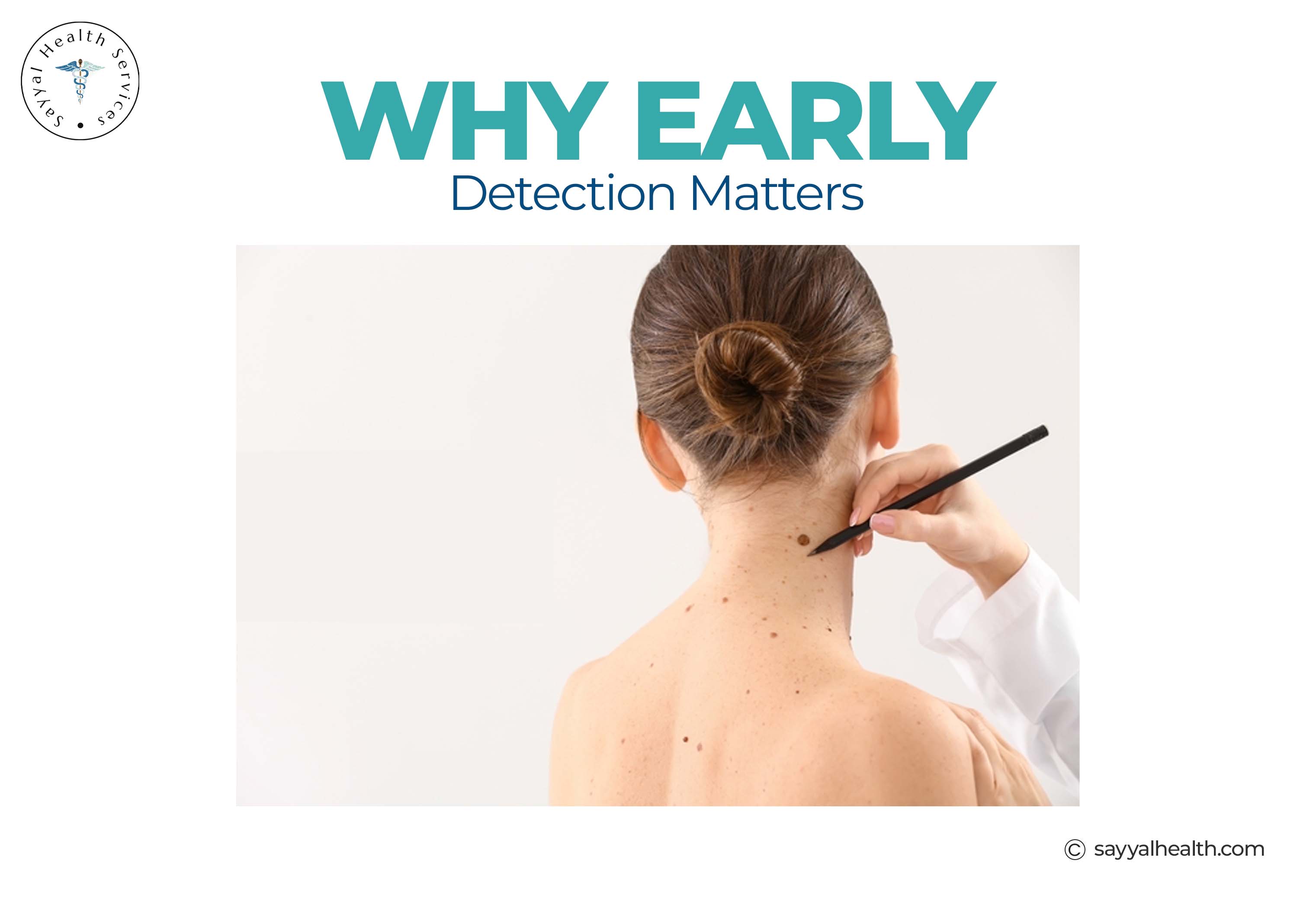
Detecting skin cancer early can truly save your life. In Australia, the strong ultraviolet (UV) rays from the sun make skin cancer very common. It is especially common among people with fair skin who are more sensitive to sun damage. That’s why getting regular skin cancer checks in Australia is so important. According to the Cancer Institute NSW, about two in three Australians are diagnosed with skin cancer by the age of 70.
Early detection of skin cancer symptoms makes treatment more successful. It also helps prevent serious complications and lowers the risk of death from skin cancer. Regular skin checks and mole screening can make a huge difference in staying healthy and safe.
When skin cancer is found early, the chances of successful treatment are much higher. For example, melanoma, which is the most dangerous type of skin cancer, had an estimated 18,964 new cases in Australia in 2024. According to Cancer Australia, the five-year survival rate for early-detected melanoma is around 94.1%, showing how important early diagnosis is.
However, when melanoma spreads or becomes advanced, survival rates drop significantly. In 2023, around 2,105 Australians died from melanoma and other skin cancers.
Detecting skin cancer early means less invasive treatments, faster recovery, and lower medical costs. It is making early skin rejuvenation a vital part of skin cancer prevention and care in Australia.
Skin cancer develops when skin cells grow abnormally and uncontrollably. It forms a tumour that can invade nearby tissues or spread to other parts of the body. In Australia, the main causes of skin cancer include too much exposure to ultraviolet (UV) radiation, having fair or sensitive skin, living in areas with a high UV index, and having a family history or genetic risk.
Although skin cancer is largely preventable, many Australians still develop it due to long-term sun exposure over the years. Protecting your skin with sunscreen, protective clothing, and regular skin checks is essential for preventing skin cancer in Australia and catching any early signs before they become serious.
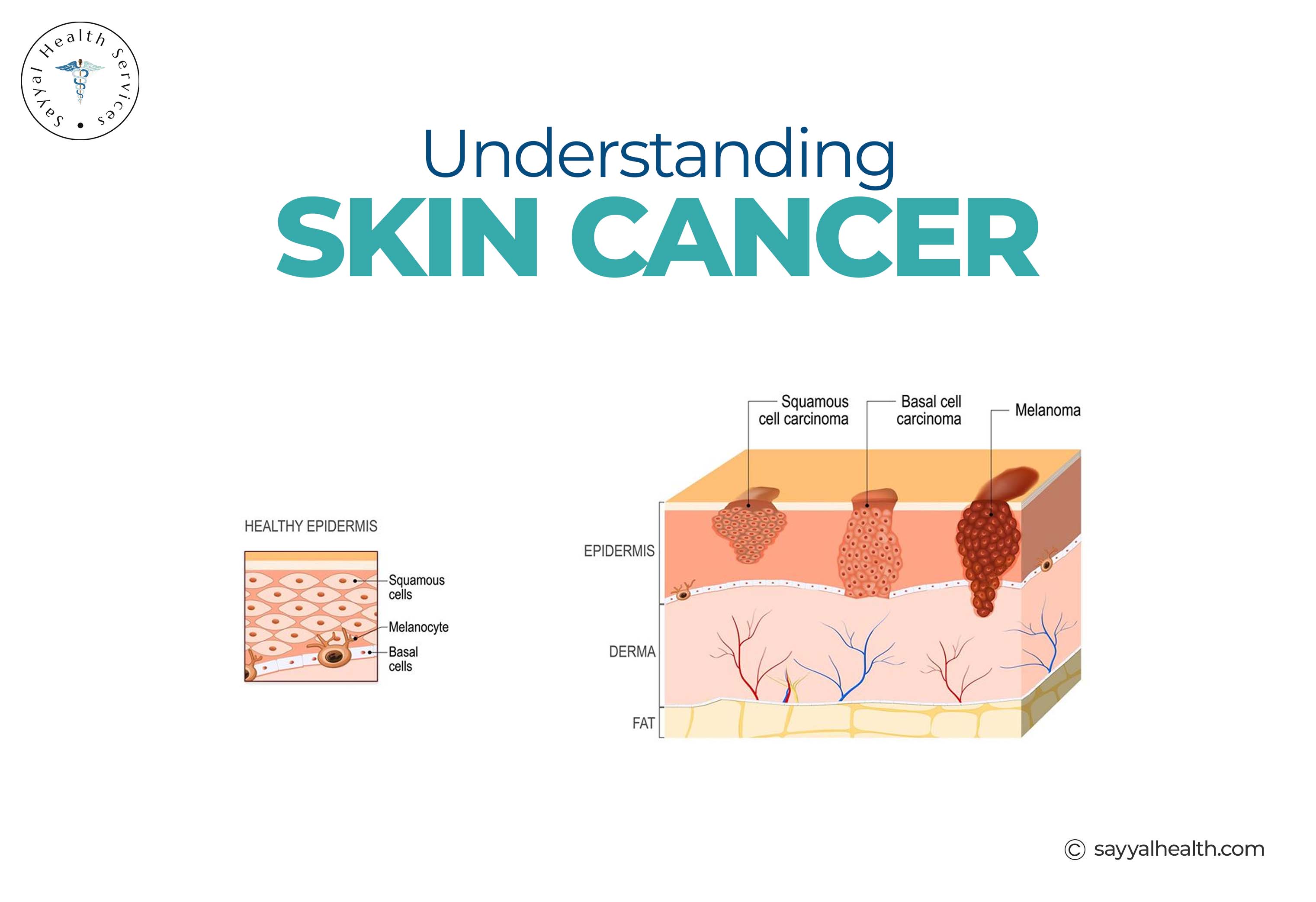
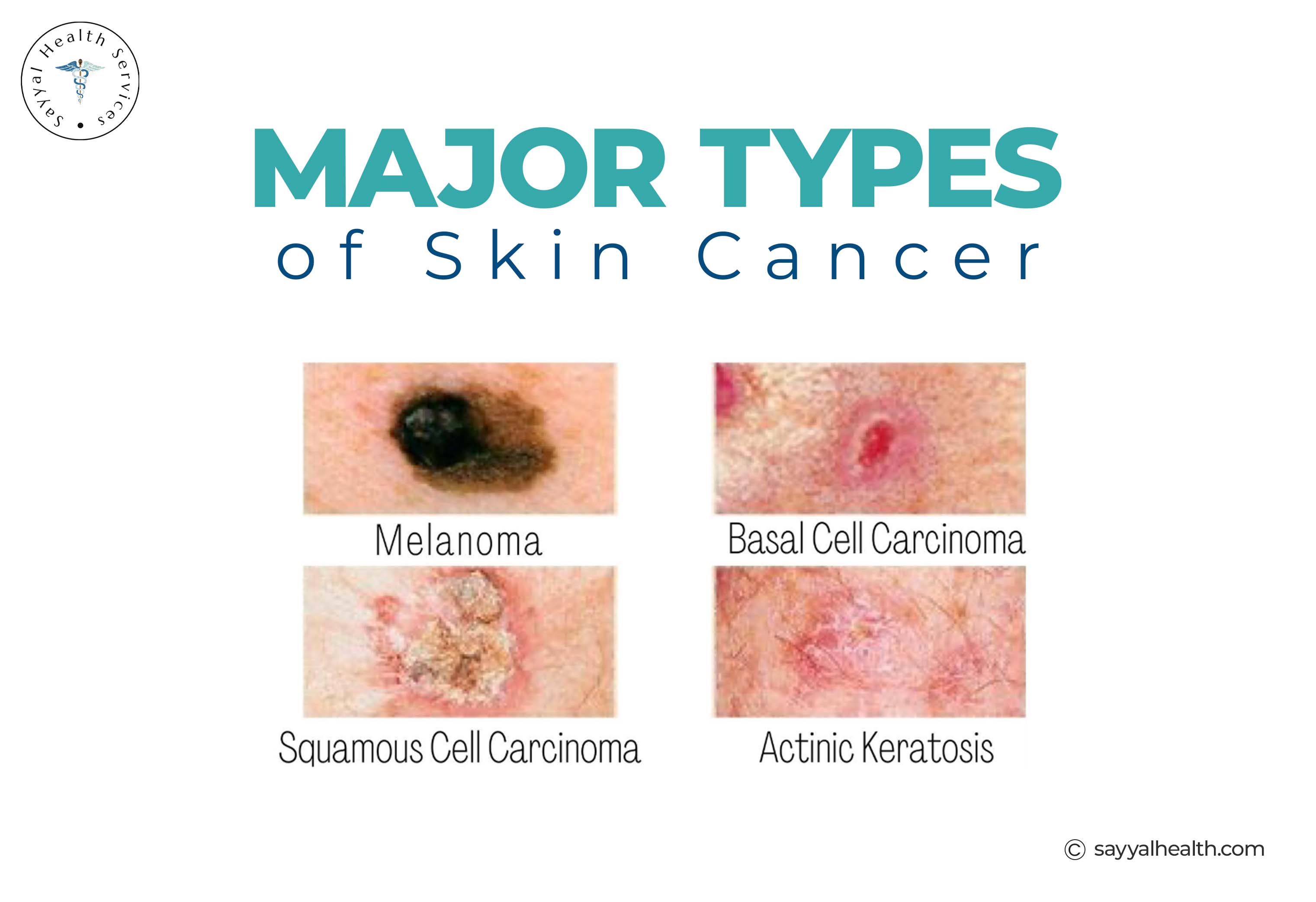
There are three main types of skin cancer commonly seen in Australia:
This type is the most common skin cancer. It usually grows slowly and may look like a shiny or pearly bump or a sore that doesn’t heal. While BCC rarely spreads, it can still cause serious damage to nearby tissues if not treated early.
This type often appears on sun-exposed areas such as the face, ears, scalp, and hands. It may look like a red, scaly, or crusted patch and grows faster than BCC. SCC has a higher risk of spreading if left untreated, so early diagnosis is important.
Although less common, melanoma is the most dangerous type of skin cancer. It often starts as a new or changing mole and can appear anywhere on the body. Melanoma can spread quickly to other parts of the body, making early detection and treatment crucial for survival.
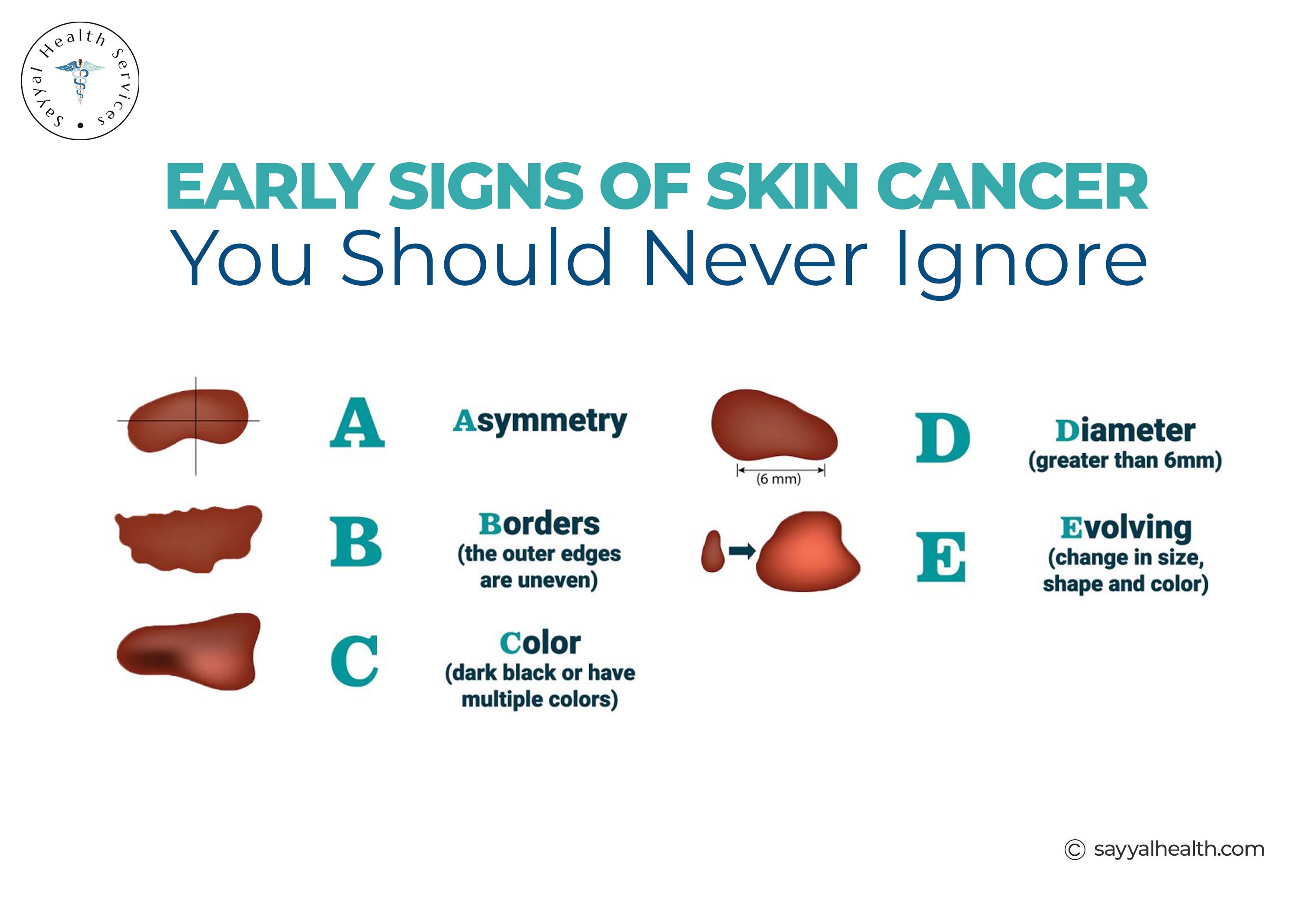
Being aware of the early signs of skin cancer gives you the best chance to catch it while it’s still easily treatable. One of the most important things to watch for is changes in moles, their size, shape, or colour. Most moles are harmless, but if one starts to look different or if a new mole appears that doesn’t match your others, it’s important to get it checked by a doctor or visit a skin cancer clinic in gregory hills.
Use the “ABCDE” rule to spot suspicious signs and moles:
If you notice any of these skin cancer symptoms, book a professional skin check right away. Early treatment for skin cancer saves lives.
If you see a new mole or spot that looks different from your others, it could be a warning sign. This is called the “ugly duckling” sign. The spot may be darker, lighter, larger, or have an odd shape. Because melanoma can appear on normal skin, get any unusual mark checked by a skin cancer doctor right away.
A sore that doesn’t heal after a few weeks can be a sign of basal cell carcinoma (BCC) or squamous cell carcinoma (SCC). It may scab, bleed, and seem to heal, but then reopen again. These sores often appear on sun-exposed areas like the face, neck, or hands. Getting a skin check early can stop the cancer from spreading deeper.
If you have red, rough, or scaly patches that don’t go away, they may be an early sign of SCC. These patches often show up on the face, scalp, ears, or hands. They can feel dry, sore, or itchy. It’s important to have them checked, as early treatment can prevent serious damage.
A mole or spot that itches, bleeds, or becomes painful without any injury can signal a problem. These changes may mean that skin cells are becoming cancerous. If this happens, don’t ignore it; see a skin cancer clinic as soon as possible.
A smooth, shiny, or pearly bump can be a sign of basal cell carcinoma. These bumps are often pink, white, or skin-coloured and may appear on the nose, cheeks, or forehead. They can grow slowly but still cause damage over time.
Some people are more likely to develop skin cancer because of certain risk factors. In Australia, where UV radiation levels are very high, understanding these risks is vital for prevention and early detection.
Here are the main factors that increase your risk:
In fact, due to these combined risks, Australia has one of the highest skin cancer rates in the world, with an estimated 550,000+ skin cancer cases diagnosed in 2021. (MScan)
Regular skin cancer checks, sun protection, and early detection remain the most effective ways to lower these risks.
Doing a self-skin check regularly is one of the best ways to catch skin cancer early. It helps you notice new spots or changes before they become serious. Here’s how to do it properly:
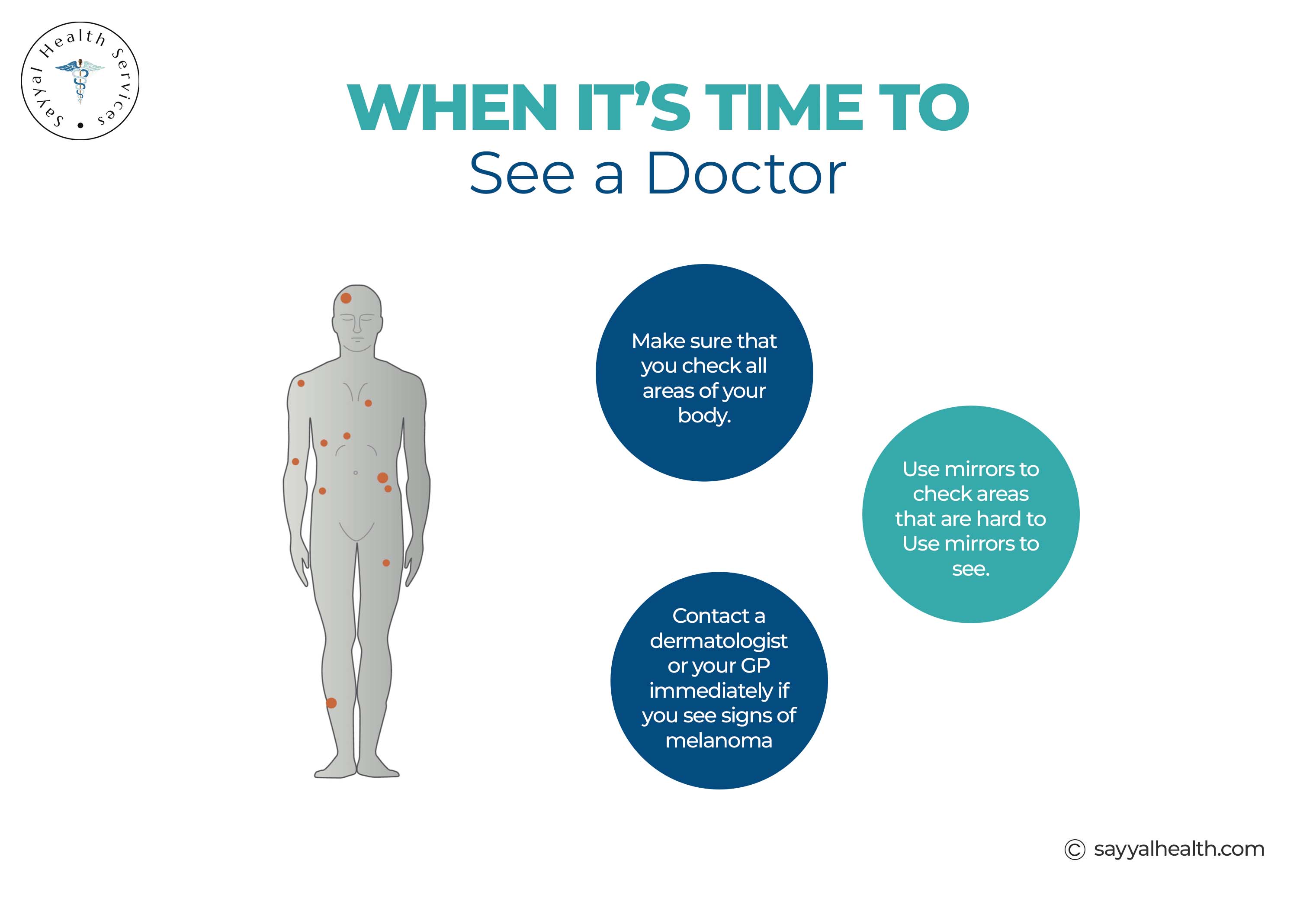
It’s important to see a doctor or skin specialist if you notice any unusual or changing spots on your skin. Early medical evaluation can help detect skin cancer before it becomes serious. You should immediately book a professional skin check if you notice:
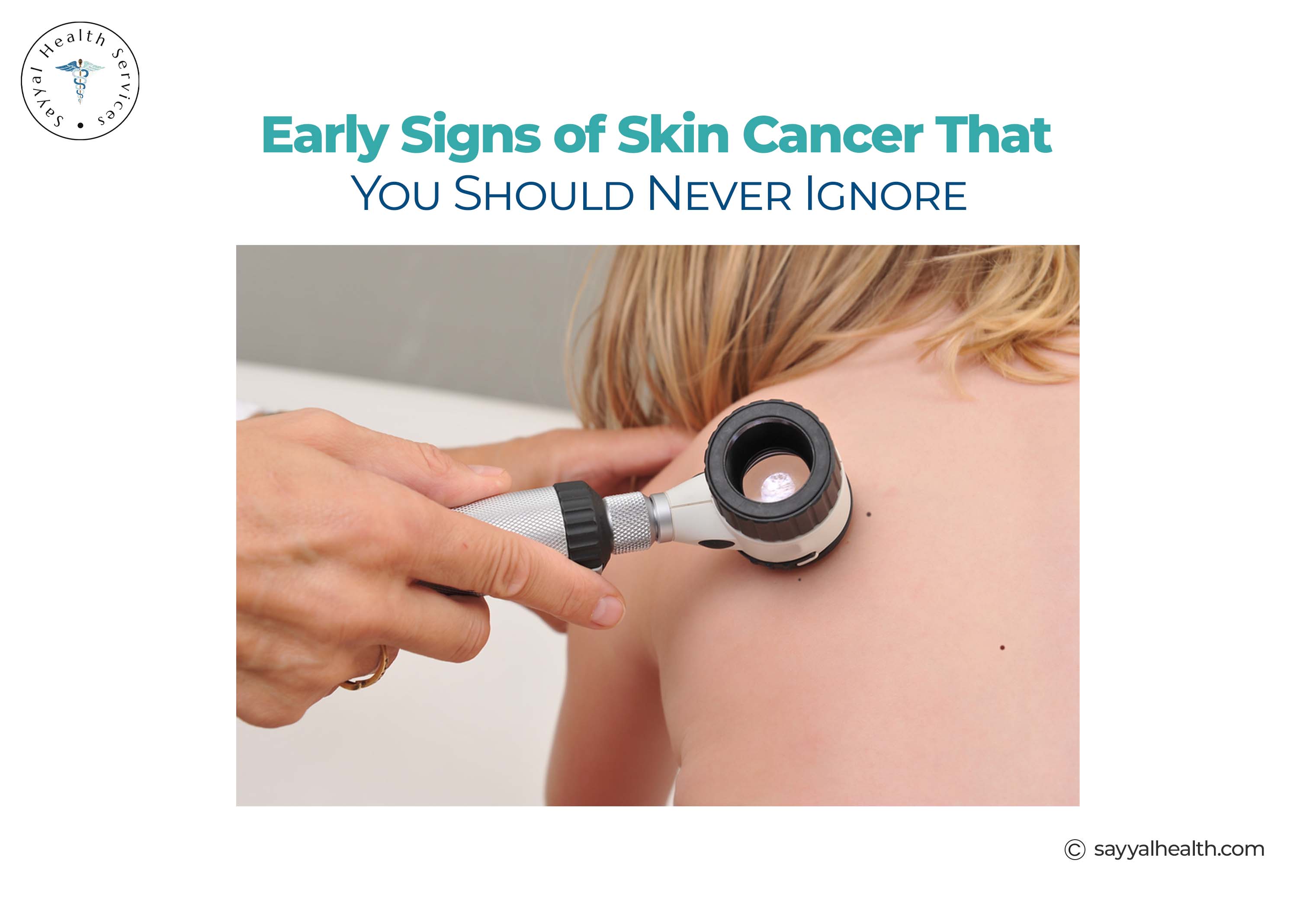
During a clinical skin examination, a trained doctor uses a tool called a dermoscope; a magnified, lighted lens, to look closely at suspicious spots.
If you’re in a high-risk group (fair skin, history of sunburn, family history of skin cancer, or many moles), it’s recommended to have full-body skin checks every 6 to 12 months. Regular monitoring and professional checks greatly increase the chance of detecting skin cancer early, when treatment is most effective.
If a dermatologist suspects skin cancer, they will usually perform a biopsy. This test helps identify the type, depth, and stage of the cancer, which guides the next steps in treatment.
Treatment typically involves surgical removal of the lesion with a clear margin to ensure all cancer cells are removed. If the melanoma is more advanced, additional treatments such as lymph node testing, immunotherapy, or targeted therapy may be recommended.
These are often treated through surgical excision, cryotherapy (freezing), or topical creams for smaller or early-stage lesions. In some high-risk or complex cases, more advanced techniques may be used to ensure complete removal.
According to the Australian Institute of Health and Welfare (AIHW), when melanoma is found early and the tumour is 1 mm thick or less, the five-year survival rate is nearly 100%. However, for melanomas over 4 mm thick, survival drops to about 65.7%. This shows just how important early detection is in improving outcomes.
Australia has one of the highest skin cancer rates in the world, largely due to strong UV radiation, fair skin types, and outdoor lifestyles. While the number of skin cancer cases continues to rise, most are highly treatable when found early.
Being alert to the early warning signs, such as changing moles, new spots, non-healing sores, rough red patches, or itching and bleeding without injury, can save lives. Performing regular self-skin checks, protecting your skin from the sun, and booking professional skin checks all work together to reduce your risk.
At Sayyal Health our experienced team encourages everyone to know their skin, check it regularly, and seek expert advice if anything looks unusual. Remember, early detection could make all the difference in preventing and treating skin cancer effectively.
How to tell if i have skin cancer?
One of the biggest indicators of skin cancer is a new or changing mole or skin spot, especially if it changes in size, shape, color, or begins to itch, bleed, or crust over.
What can be mistaken for skin cancer?
Several skin conditions can look similar to skin cancer, including benign moles, age spots, warts, eczema, psoriasis, or seborrheic keratosis. A medical evaluation is needed for an accurate diagnosis.
Can skin cancer just suddenly appear?
Yes, skin cancer can sometimes appear as a new spot or growth on the skin. In other cases, it may develop from an existing mole that changes over time.
How serious is skin cancer if caught early?
If detected early, most skin cancers are highly treatable and can often be removed before they spread. Early diagnosis greatly improves treatment success and survival rates.
Your feedback helps us create better content for everyone.