Learn to Spot Melanoma Early When It's Most Treatable
Important Fact
Melanoma has a 99% five-year survival rate if it is detected early. The ABCDE Melanoma rule helps you catch warning signs before it's too late.
What is Melanoma?
Melanoma is one of the most serious types of skin cancer. It develops in melanocytes, the cells that produce melanin (skin pigment). While it accounts for only about 1% of skin cancers, melanoma causes the majority of skin cancer deaths.
However, early detection reduces the risk of cancer.
Unlike other cancers that are hidden inside your body, skin cancer is visible. This means you can detect melanoma early through regular self-examinations. You can use the proven ABCDE method.
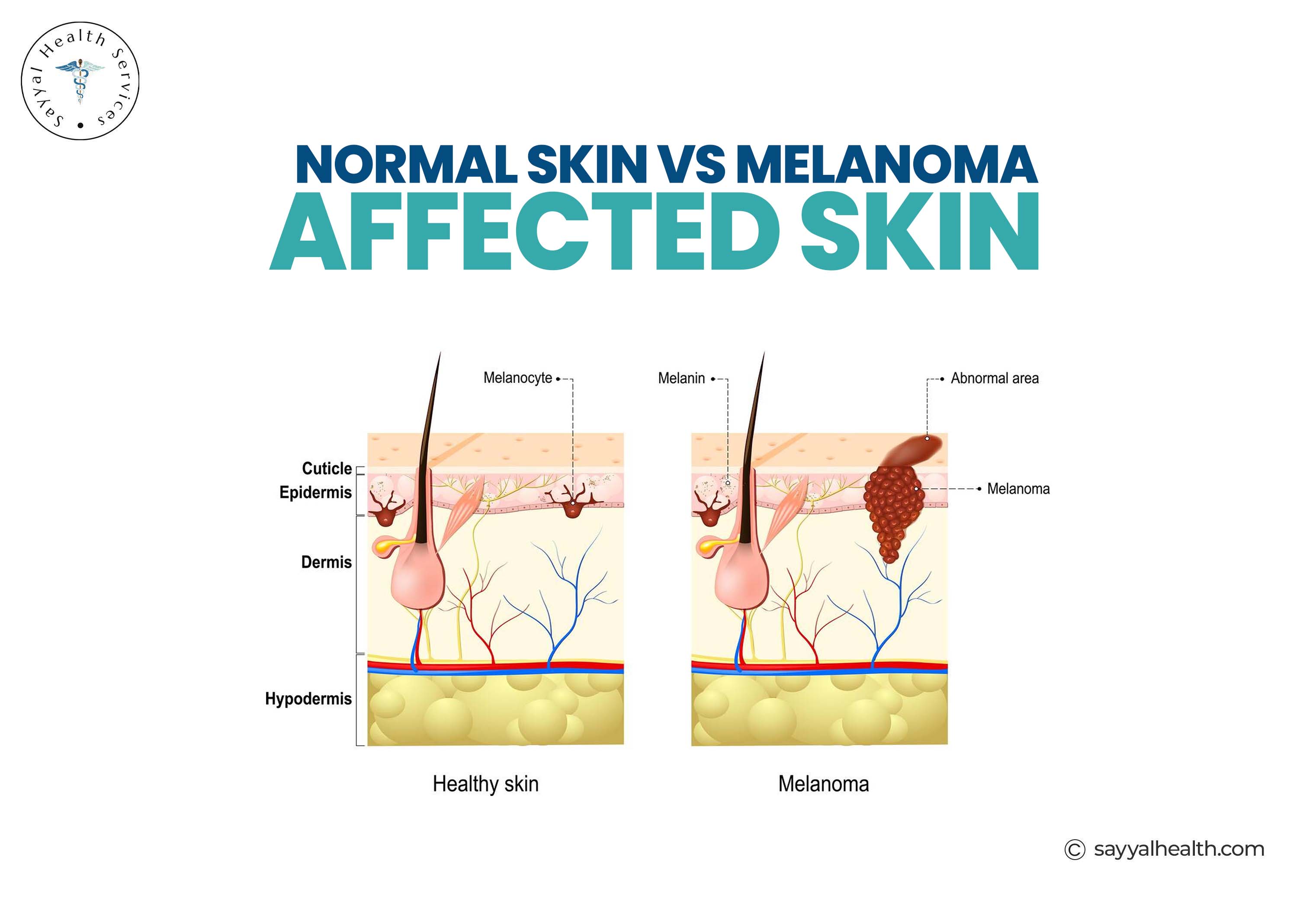
Melanoma ABCDE Rule
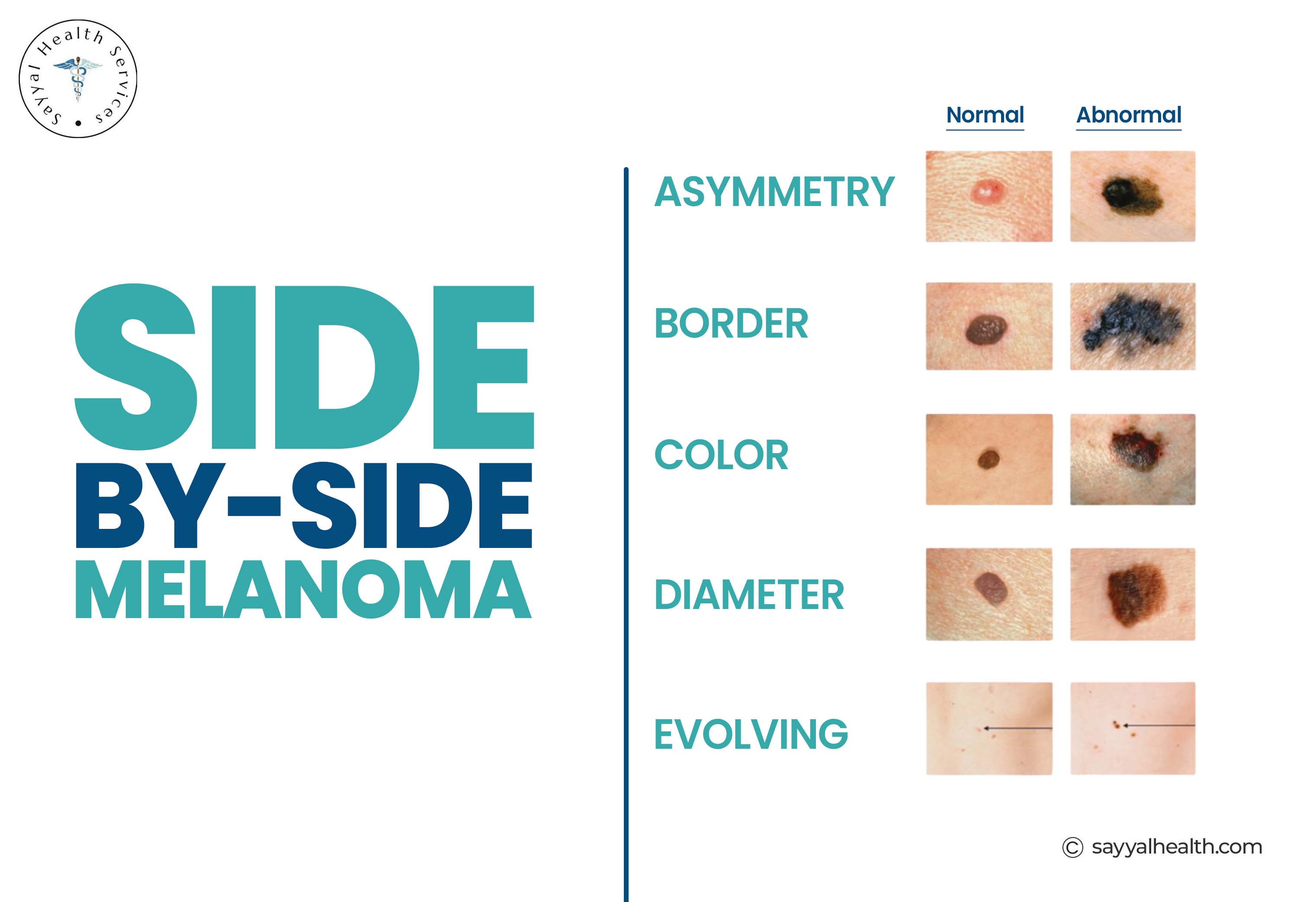
The for ABCDE of skin cancer is simple. It is a medically proven checklist that helps identify suspicious moles and spots. Dermatologists recommend this approach for early-stage skin cancer detection. Here is the detail with a melanoma picture of each kind for easy detection.
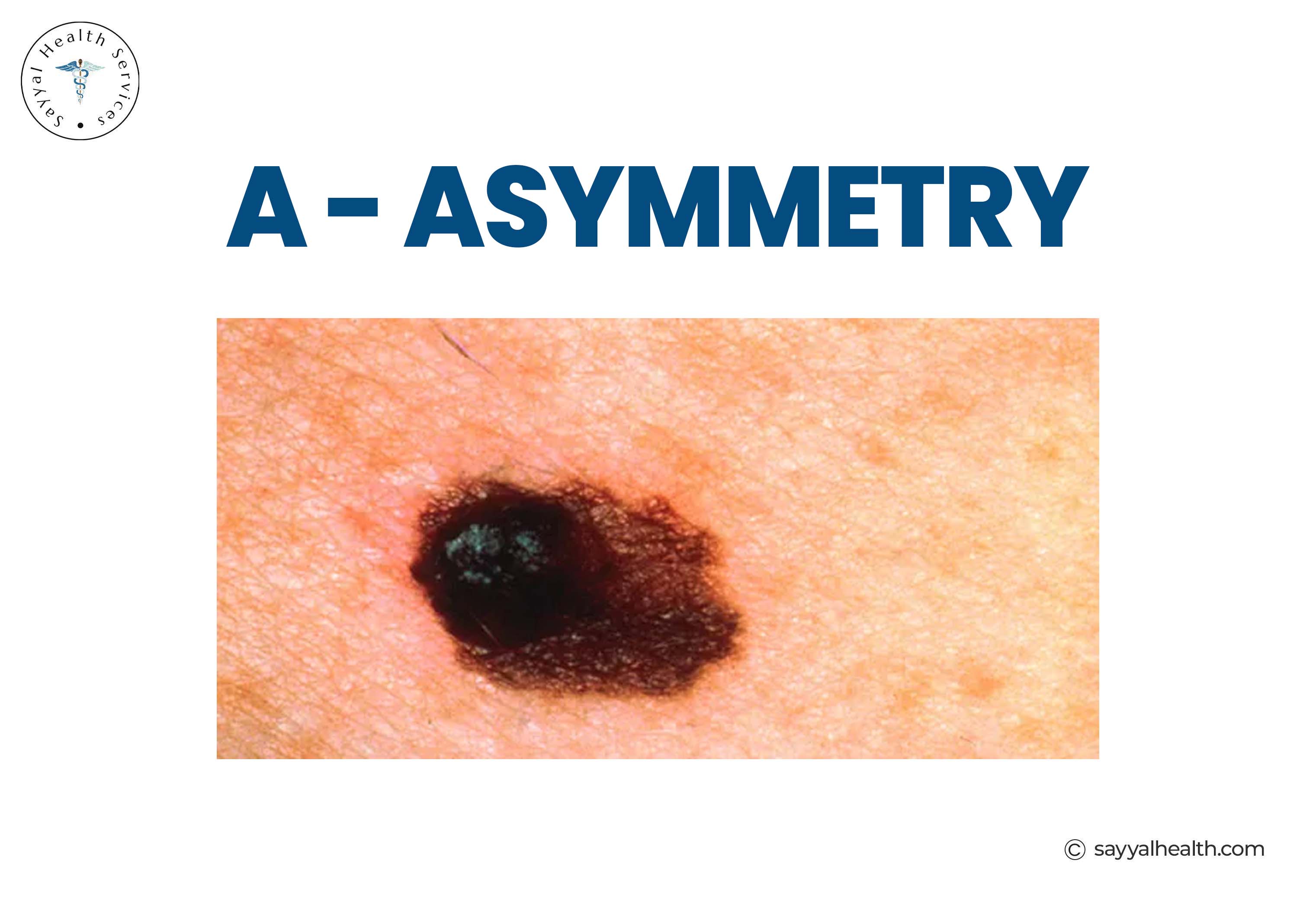
A - Asymmetry
If you draw a line through the middle of a mole, both halves should match. With melanoma, one half doesn't match the other half.
Key warning signs are:
- One side of the mole looks different from the other side
- Irregular or uneven shape
- Unlike normal moles that are symmetrical
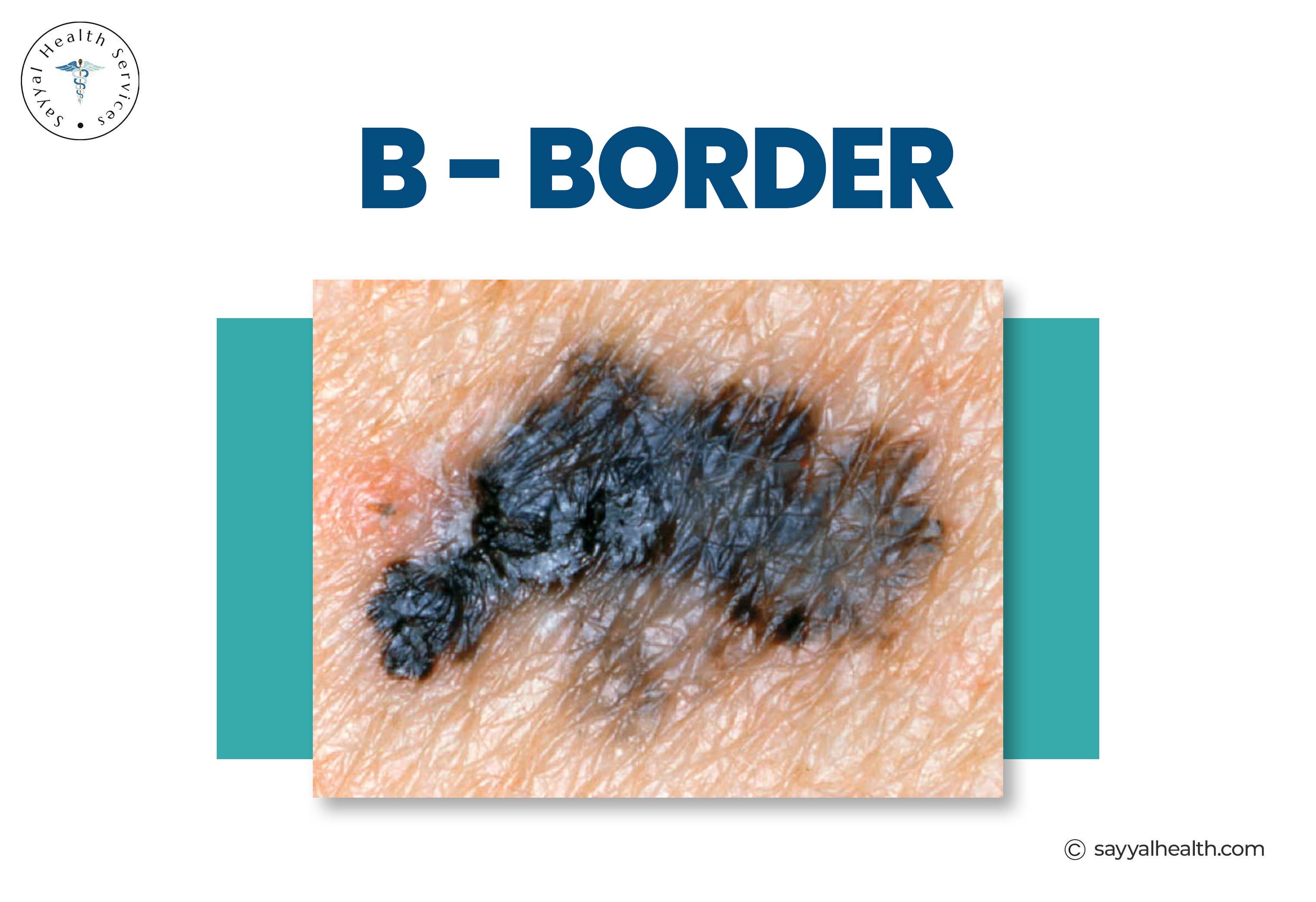
B - Border
Normal moles have even and smooth borders. Melanoma borders are often uneven, notched, scalloped, or blurred.
Signs that you should not ignore:
- Edges that are broken or irregular
- Borders that are hard to see clearly
- Borders that look curved or cut unevenly
- Poorly defined boundaries
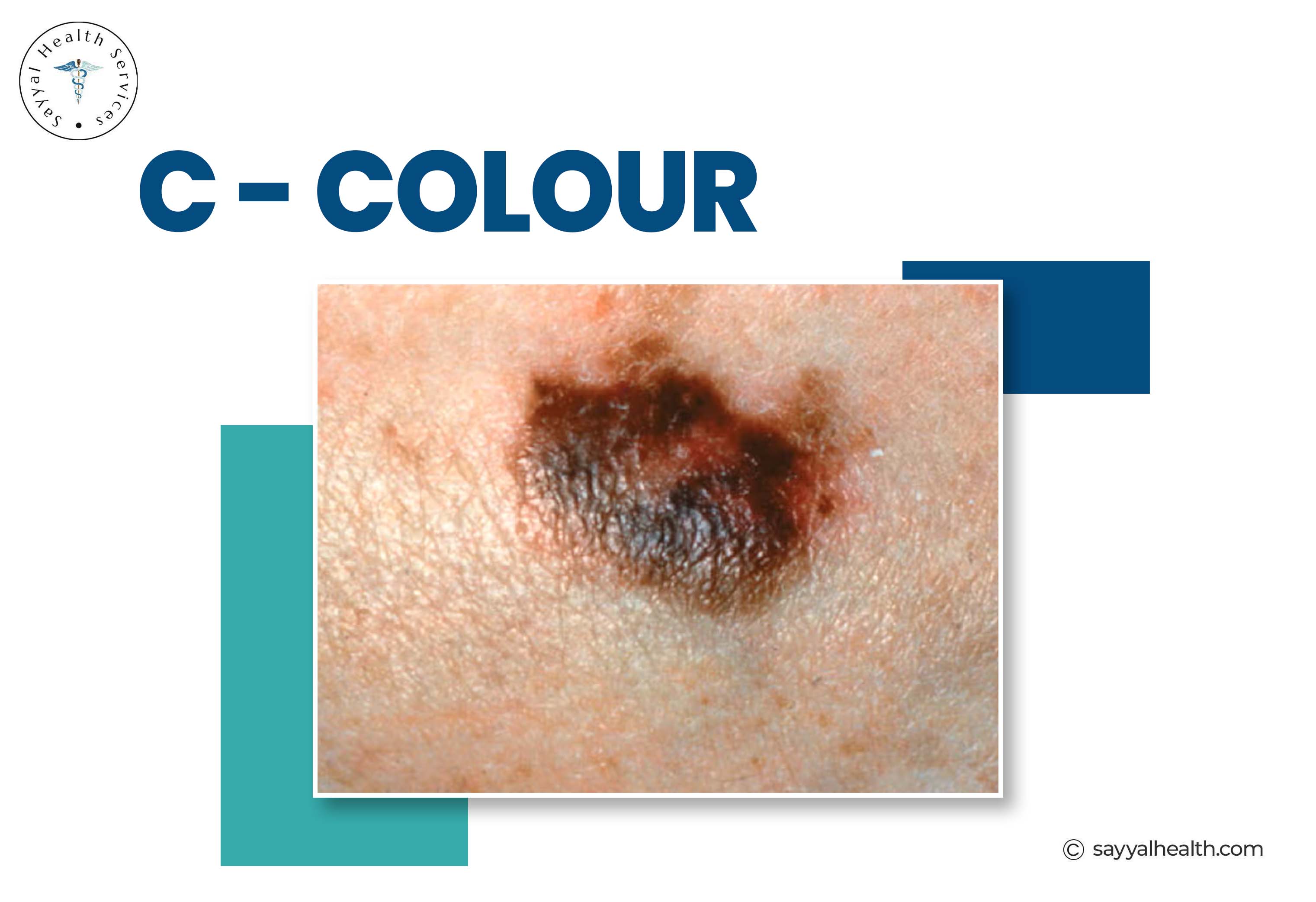
C - Colour
Healthy moles are usually one colour. Melanomas often have multiple colours, including shades of brown, tan, black, red, white, or blue.
What to Look For:
- Multiple colours within the same mole
- Uneven distribution of colour
- Very dark or black areas
- Red, white, or blue tones
- Colour that spreads into surrounding skin
D - Diameter
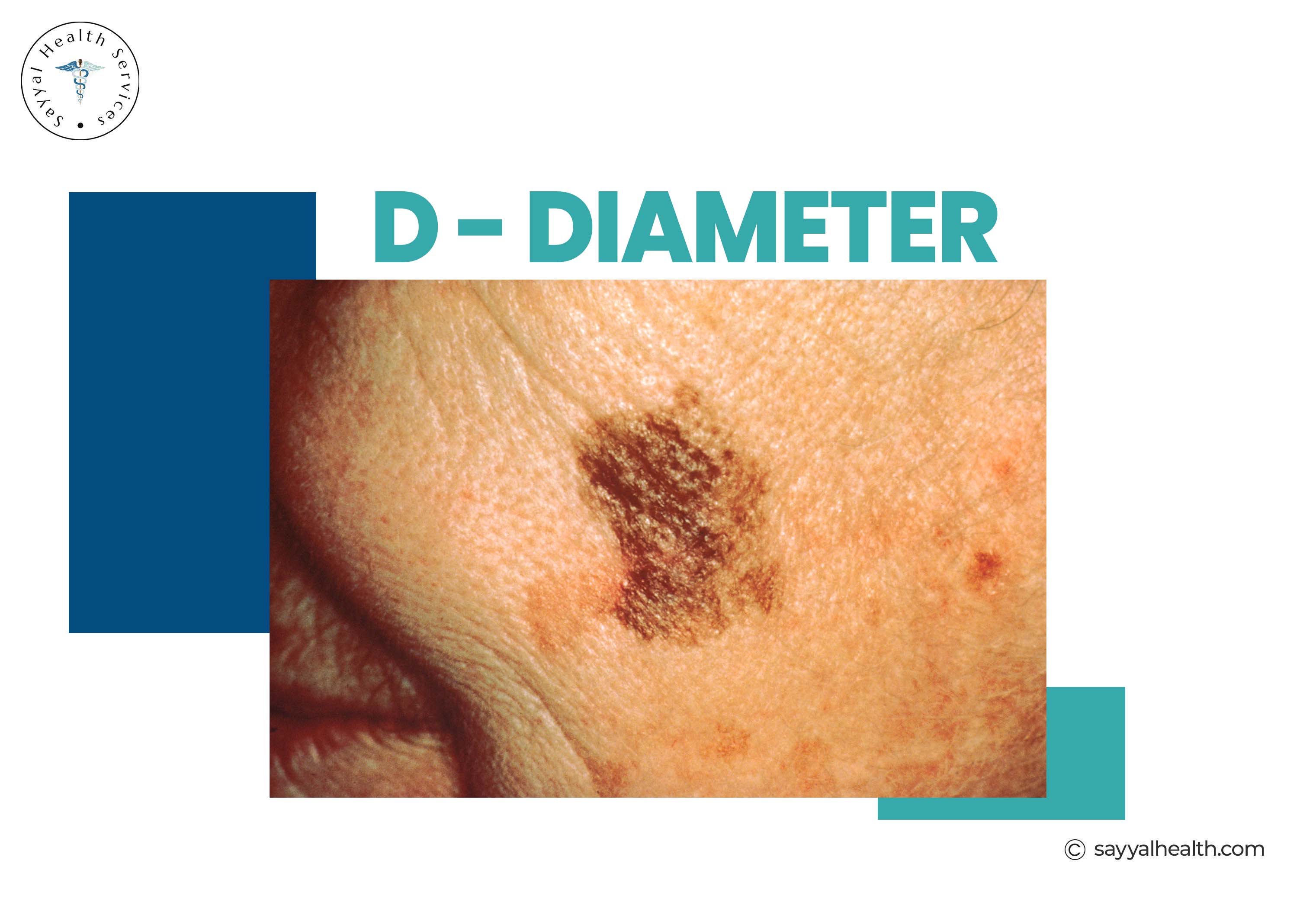
Melanomas are usually larger than 6 mm (about the size of a pencil eraser). But they can be smaller when first detected.
What to Look For:
- Moles larger than a pencil eraser (6 mm)
- However, don't ignore smaller spots that show other warning signs
- Any spot that seems to be growing
E - Evolving
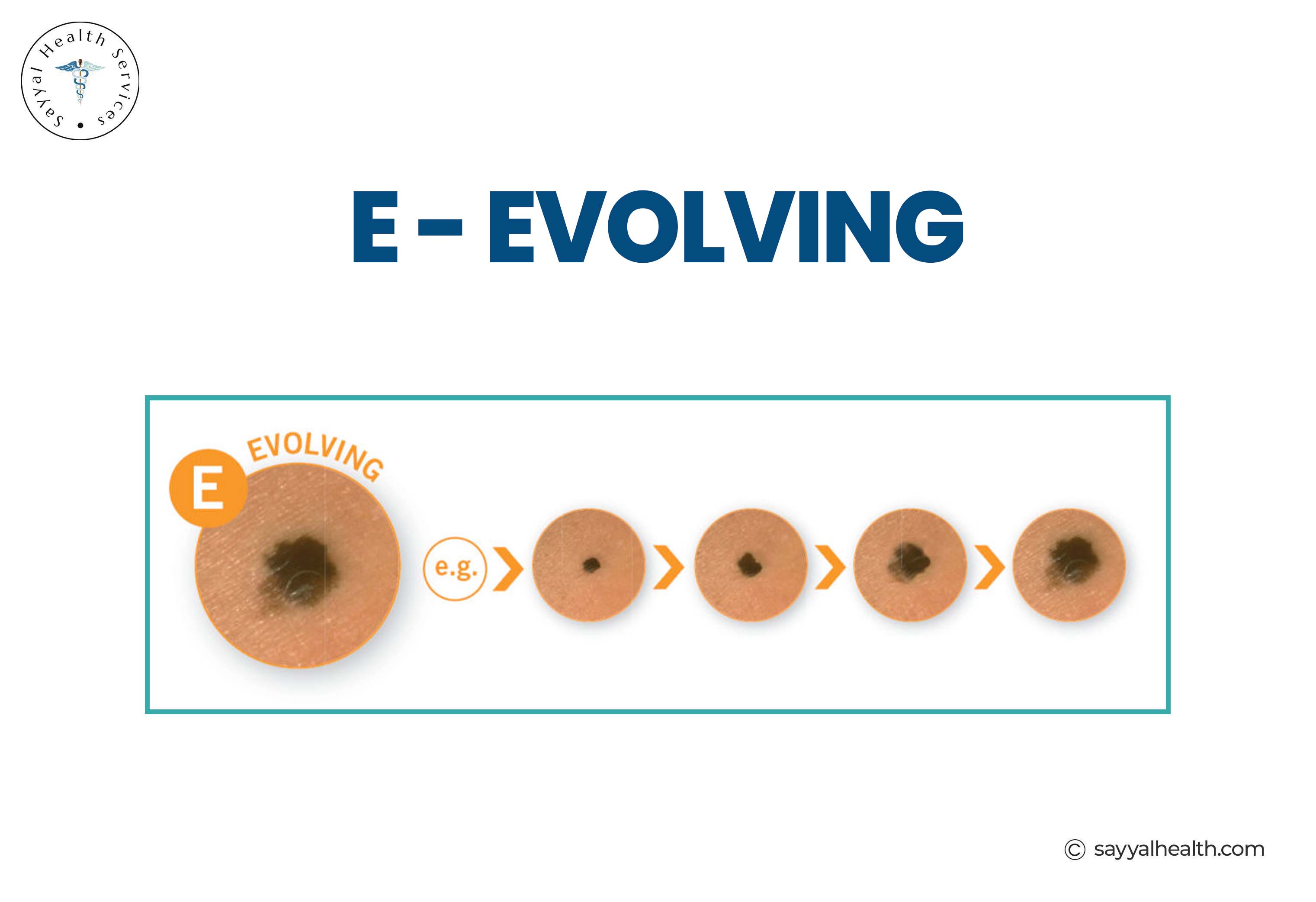
Any change in size, shape, colour, or elevation, or new symptoms like bleeding, itching, or crusting, is a warning sign.
What to Look For:
- Changes in size (growing larger)
- Changes in shape
- Changes in color (darkening or lightening)
- New symptoms: itching, tenderness, pain
- Bleeding or oozing
- Crusting or scabbing
- Elevation (becoming raised)
Visual comparison chart showing normal moles vs melanoma for each ABCDE criterion - Side-by-side melanoma pictures with annotations
Understanding Early Stage Skin Cancer Appearance
Early-stage skin cancer can appear different depending on the type. Here's what to look for:
Understanding Kinds of Melanoma
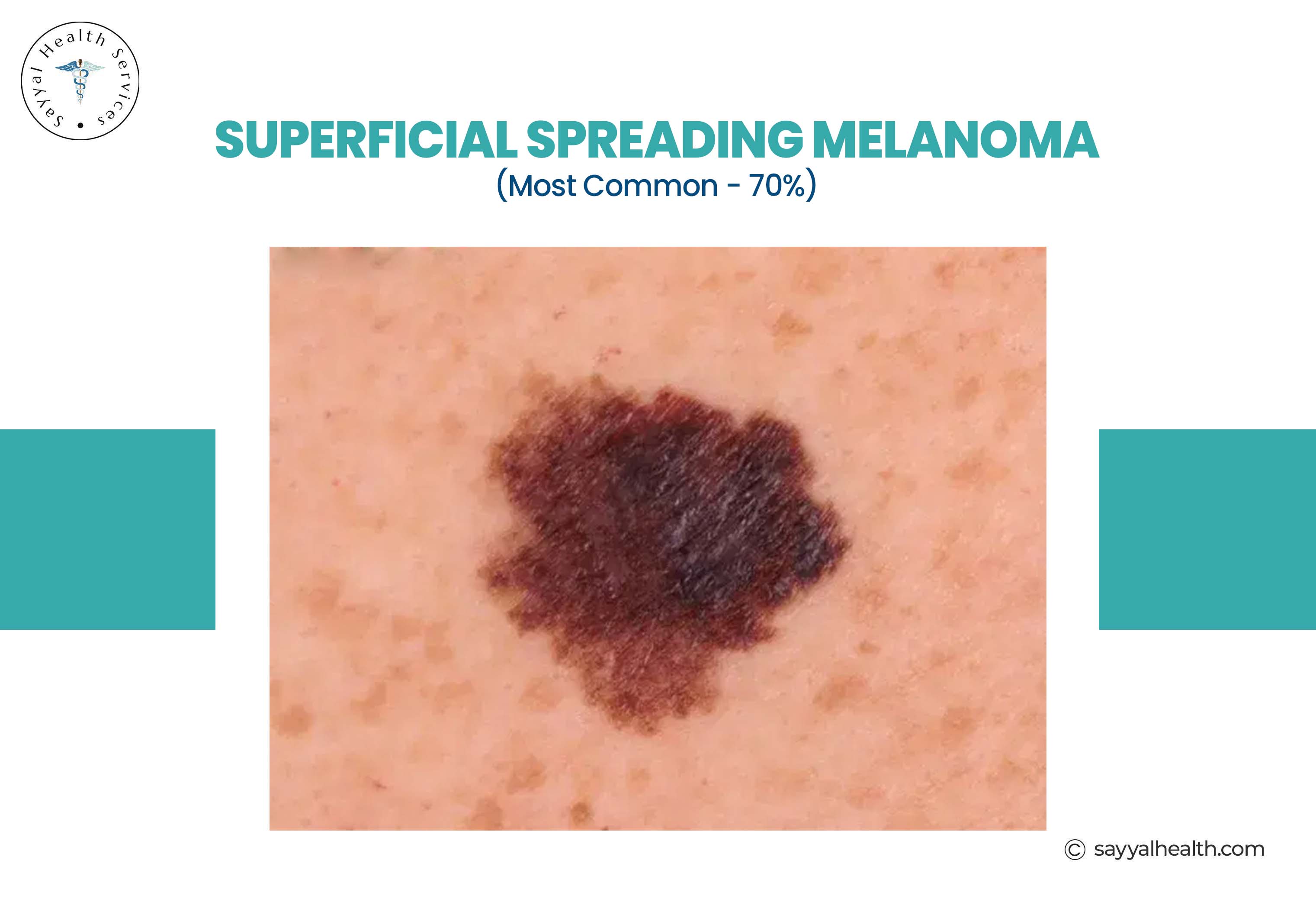
Superficial Spreading Melanoma (Most Common - 70%)
- Appears as a flat or slightly raised discoloured patch
- Has irregular borders and varied colours
- Can appear as a new one or develop from an existing mole
- Grows slowly, giving time for detection
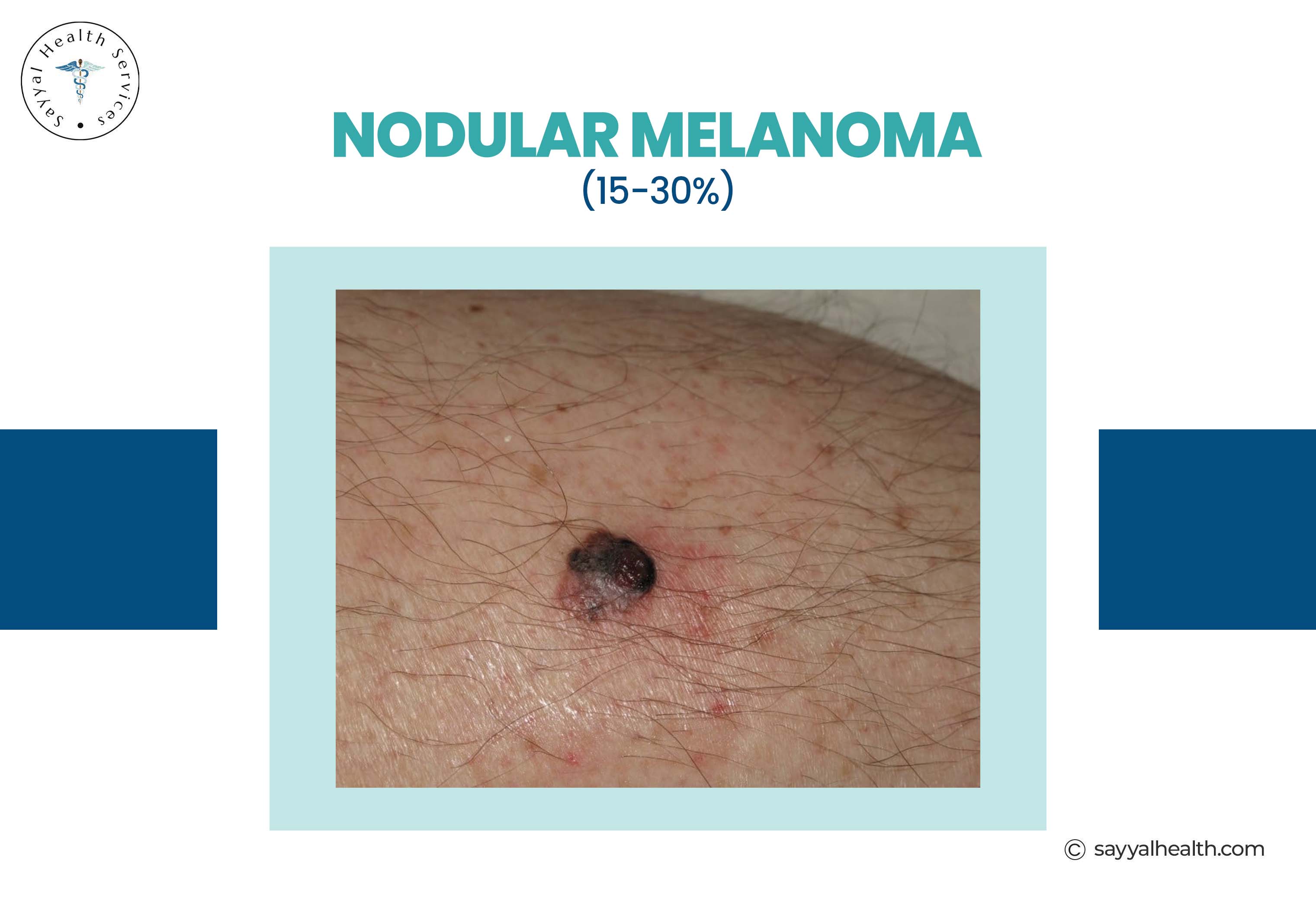
 Nodular Melanoma (15-30%)
- Grows quickly and aggressively
- Appears as a firm bump or nodule
- Usually black but can be red, pink, or skin-colored
- May bleed or ooze
- Most dangerous type
 Lentigo Maligna (10-15%)
- Usually appears on sun-damaged skin in older adults
- Looks like a flat, tan-brown patch with darker spots
- Often found on face, ears, arms
- Develops slowly over years
 Acral Lentiginous Melanoma (2-8%)
- Develops on palms, soles, or under nails
- More common in people with darker skin
- Appears as dark streaks under nails or dark spots on palms/soles
- Often diagnosed late because it's in unexpected locations

Comparison: Normal Mole vs Suspicious Spot
NORMAL MOLE
- Symmetrical shape
- Even, smooth borders
- One uniform color (brown, tan, black)
- Smaller than 6mm (pencil eraser)
- Stays the same over time
- No symptoms (no itching, bleeding, pain)
SUSPICIOUS SPOT
- Irregular, asymmetrical shape
- Jagged, notched, or blurred edges
- Multiple colors within the spot
- Larger than 6mm
- Changes in appearance over time
- May itch, bleed, or hurt

Monthly self-exams using the ABCDE skin cancer method can save your life. Here's how to do it properly:
Your Monthly Skin Check Routine
What You Need:
- Well-lit room
- Full-length mirror
- Hand mirror
- Comb (for scalp examination)
- Camera or smartphone
- Partner or family member (helpful for hard-to-see areas)
Step-by-Step Examination Process
Step 1: Face and Scalp (5 minutes)
- Examine your face, including ears, nose, and lips
- Use a comb to part hair in sections
- Check the entire scalp, paying attention to the back
- Look inside your mouth and under your tongue
Step 2: Upper Body (5 minutes)
- Check neck, chest, and torso (front)
- Examine underarms
- Check arms (all sides), hands, between fingers
- Don't forget fingernails and cuticles
- Use mirror to check back of arms
Step 3: Lower Body (5 minutes)
- Sit down and examine legs (all sides)
- Check feet thoroughly: tops, soles, between toes
- Examine toenails and cuticles
- Use a hand mirror for the bottoms of the feet
Step 4: Back and Buttocks (5 minutes)
- Use two mirrors to check your back
- Examine buttocks and back of thighs
- Check genital area
Step 5: Documentation (2 minutes)
- Take photos of any suspicious spots
- Note any changes from last examination
- Mark calendar for next monthly check
The "Ugly Duckling" Rule
Look for moles that stand out from others. If one mole looks significantly different from your other moles (different color, size, shape), it deserves attention even if it doesn't fail other ABCDE criteria.

The ABCDE method skin cancer screening should prompt immediate medical attention if you notice:
Urgent Warning Signs
- Multiple ABCDE failures - Any mole that fails two or more ABCDE criteria (especially asymmetry + border irregularity)
- The "ugly duckling" sign - One mole that looks completely different from all your others
- New moles after age 30 - Adults rarely develop new normal moles after 30
- Bleeding or oozing - A spot that bleeds, oozes, or won't heal within 2-3 weeks
- Subungual melanoma signs - A dark streak under a fingernail or toenail not caused by injury
- Symptomatic spots - Any spot that itches, hurts, tingles, or feels different from other moles
- Persistent sores - A sore that keeps returning after it heals
- Texture changes - Changes in skin texture (becomes scaly, rough, or develops a bump)
- Rapid changes - Any spot that changes quickly over weeks or months
- Amelanotic melanoma – A flesh-colored or pink bump that grows or changes
DON'T WAIT
If you have ANY concerns about a skin spot, schedule a Sayyal Health appointment immediately. It's better to have a false alarm than to delay diagnosis of a potentially life-threatening cancer.
Treatment Options for Early-Stage Melanoma
When caught early, melanoma treatment is highly effective.
Primary Treatment: Surgical Excision
Wide Local Excision:
- Removes the melanoma plus surrounding healthy tissue (margins)
- Margin width depends on tumor thickness:
- In situ: 5mm margin
- ≤1mm thick: 1cm margin
- 1-2mm thick: 1-2cm margin
- 2mm thick: 2cm margin
- Performed under local or general anesthesia
- Usually outpatient procedure
- Wound closed with stitches or skin graft
Success Rate: For thin melanomas (<1mm), surgical excision alone is curative in over 95% of cases.
Sentinel Lymph Node Biopsy (SLNB)
When Recommended:
- Melanomas >1mm thick
- Melanomas <1mm with ulceration or high mitotic rate
- Helps determine if cancer has spread
Procedure:
- Radioactive tracer or dye injected near melanoma site
- First (sentinel) lymph node identified
- Sentinel node removed and examined
- If negative: excellent prognosis
- If positive: may need additional lymph node removal
Adjuvant Therapy (Additional Treatment)
For Stage III (Lymph Node Involvement):
Immunotherapy:
- Pembrolizumab (Keytruda) or Nivolumab (Opdivo)
- Helps immune system recognize and destroy cancer cells
- Significantly reduces recurrence risk
- Given for 1 year
Targeted Therapy (for BRAF mutations):
- Dabrafenib + Trametinib
- Targets specific genetic mutations
- For patients with BRAF V600 mutation
- Given for 1 year
Treatment for Advanced Melanoma (Stage IV)
Immunotherapy:
- Checkpoint inhibitors (anti-PD-1, anti-CTLA-4)
- Can produce durable responses
- Some patients achieve long-term remission
Targeted Therapy:
- BRAF + MEK inhibitors
- Rapid response but may develop resistance
- Used for BRAF-mutated melanomas
Radiation Therapy:
- Sometimes used for brain metastases
- Palliative treatment for symptoms
- Stereotactic radiosurgery for limited disease
Clinical Trials:
- New treatments constantly being developed
- May offer access to cutting-edge therapies
- Discuss with your oncologist
Living with Melanoma: Follow-Up Care
After melanoma treatment, it is important to follow up regularly. Skin and lymph nodes should be checked. Use the ABCDE rule for self-examination. Try to protect your skin from the sun. Live a healthy lifestyle with a good diet and exercise, and avoid smoking. Seek support for stress and anxiety, and report any new lumps, spots, or symptoms promptly.
Frequently Asked Questions
Can melanoma be completely cured?
Yes, when detected and treated early (stages 0-I). Melanoma is highly curable, with over 97% five-year survival rates. Complete surgical removal of thin melanomas is often curative with no additional treatment needed. This is why using the ABCDE rule Melanoma for regular self-checks is so important.
What is 90% of melanoma cancer caused by?
About 90% of melanoma cases are caused by exposure to ultraviolet (UV) radiation from the sun or artificial sources like tanning beds, which damage the DNA in skin cells.
What is the most aggressive type of melanoma?
Nodular melanoma is considered the most aggressive type because it grows quickly and can spread deeper into the skin earlier than other melanoma types.
What is the 2 week rule for melanoma?
The 2-week rule suggests seeing a doctor if you notice a new or changing mole, spot, or skin lesion that does not heal or improve within two weeks, as early detection is important for effective treatment.
This blog is for informational purposes only. Consult your doctor whenever you see any suspicious spots or moles on your skin.