Contact Person:Dr. Safwan Sayyal
Working Hours:Mon - Fri: 9:00 AM - 5:00 PM
Contact:info@sayyalhealth.com







Published: November 6th, 2025Last updated: September 23rd, 2026
Want to know how to protect your skin from sun damage in Australia?
You’re in the right place.
With our country recording some of the highest UV radiation levels in the world (peak daily UV values regularly exceed 12–14 in summer) Sun exposure here can quickly lead to serious issues.
These issues are sunburn, premature ageing, and skin cancer.
In fact, more than two in three Australians will be diagnosed with some form of skin cancer in their lifetime.
Over 95% of skin cancers in Australia are caused by ultraviolet (UV) radiation from the sun.
That’s why learning sun protection tips and choosing the best sunscreen for Australia is important. In addition, for Australians, building a daily sun-safe routine isn’t optional anymore.
The good news? You don’t need to overcomplicate things.
Simple daily habits make a big difference.
In this blog, you’ll learn how to shield your skin from harmful UV rays.
Moreover, you will also learn why broad-spectrum SPF matters. How to use UPF clothing? What is the right way to apply and reapply sunscreen? And some natural ways to protect skin from the sun, too.
We’ll also discuss sun protection for outdoor workers. And sensitive-skin sunscreen options and tips for protecting kids’ skin in Australia’s harsh sun.
Whether you’re at the beach, driving, hiking, or just stepping outside for errands, this guide will show you how to avoid sun damage, how to pick the right SPF for your skin, and how to build a sun-safe routine that fits your life.
Let’s keep your skin healthy, glowing, and protected every single day.
In Australia, sun protection matters because the UV levels are extreme and skin damage is real.
Australia records some of the highest ambient UV radiation levels in the world.
More than 95% of skin cancers in Australia are caused by sun exposure without adequate protection. Cancer Council NSW+1
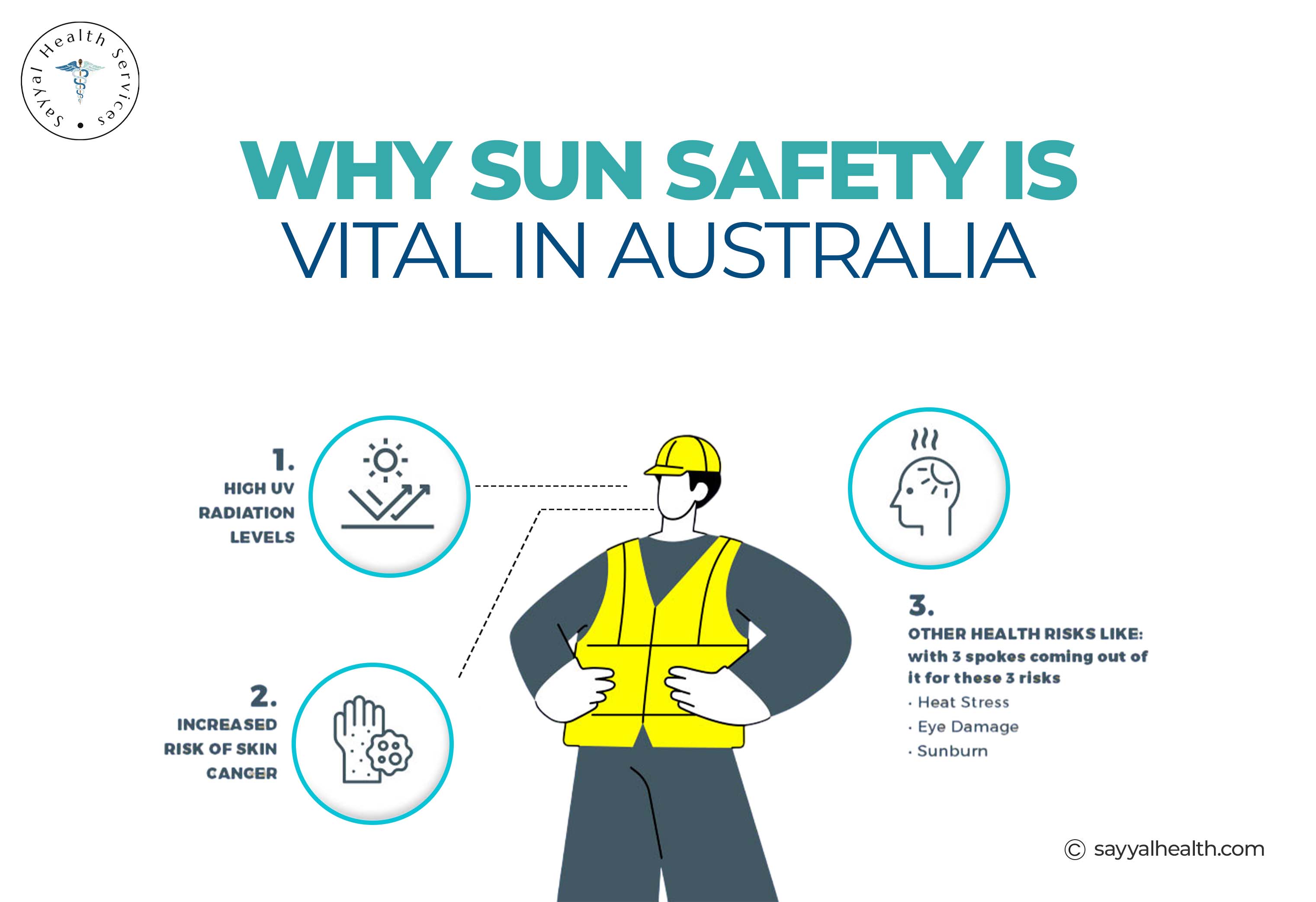
At least two in three Australians will develop some form of skin cancer in their lifetime.
That’s why learning sun protection tips for Australia. Choosing the best sunscreen for the Australian sun, and adopting a daily sun-safe routine in Australia are not optional.
When you wear broad-spectrum SPF, use UPF clothing, seek shade and reapply sunscreen. You’re actively protecting your skin from sun damage, premature ageing and skin cancer.
To protect your skin, you need to understand ultraviolet rays. The sun gives off UVA and UVB rays. Both can harm your skin. UVA causes ageing and wrinkles.
UVB causes sunburn and DNA damage. Australia has some of the strongest UV levels in the world. Even on cloudy days, UV can be high.
The UV Index often reaches “Very High” or “Extreme” in many parts of the country. That’s why checking the UV Index in Australia every day is so important.
When you know how UV rays work, it becomes easier to stay safe.
You can choose broad-spectrum sunscreen. Wear UPF clothing, and follow a daily sun protection routine.
These habits help prevent sun damage, early ageing, and skin cancer.
Australia has higher UV because of where it sits on the map. We are close to the equator, so the sun hits us more directly.
Our skies are often clear with less pollution, so UV rays pass through easily.
Summer happens when the Earth is closest to the sun, so UV gets even stronger.
We also have a thin ozone layer above parts of Australia, which normally helps block UV radiation.
On top of that, Australia has bright sand and ocean water, which reflect sunlight and increase UV exposure.
All of this means UV levels here are often “Very High” to “Extreme”, even when it doesn’t feel very hot or sunny. This is why daily sun protection matters so much in Australia.
Also Read About: What are the early signs of skin cancer.
The UV Index is a scale that shows how strong the sun’s ultraviolet (UV) rays are at a given time.
It tells you how quickly the sun can damage your skin.
The higher the number, the higher the risk of sunburn and skin damage.
A UV Index of 3 or above means you need sun protection.
In Australia, the UV Index is often Very High to Extreme, even on cloudy days.
Checking the UV Index daily helps you know when to wear sunscreen, seek shade, and protect your skin.
It’s a simple tool that helps you stay safe in the sun and lower your risk of sunburn, premature ageing, and skin cancer.
Winter doesn’t mean your skin is safe.
UV rays are still strong in Australia, even when the air feels cool. The sun can damage your skin year-round, not just in summer.
In many parts of Australia, the UV Index stays above 3 in winter. It means that sun protection is still needed.
UV can also bounce off surfaces like water, sand, and concrete, making exposure higher than it seems.
Cool weather tricks people; you don’t feel the heat, so you think there is no risk.
But UV rays still reach your skin and can cause sunburn, ageing, and skin cancer.
So remember: if the UV is 3 or above, wear sunscreen and protect your skin, even on cold or cloudy days.
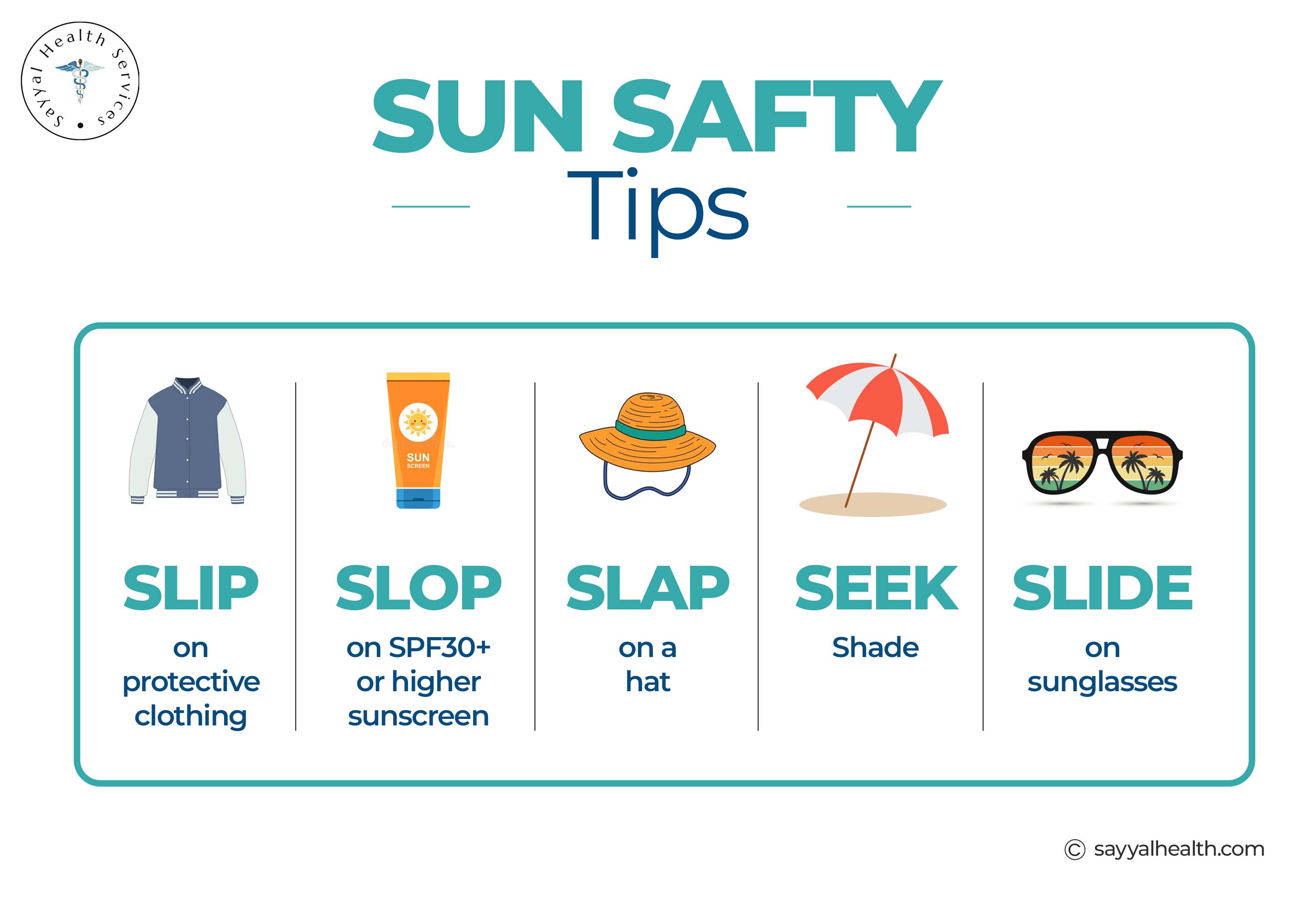
Protecting your skin from UV damage is simple when you follow this proven rule.
It helps prevent sunburn. Moreover, it also avoid premature ageing and skin cancer. Follow these five steps every day, especially when the UV Index is 3 or above.
Clothing should be your first line of defence. Alwyas wear clothes that cover you fully. Choose long sleeves and long pants. For best protection from sun damage, look for UPF-rated fabrics.
Tightly woven fabrics, darker colours, and long sleeves block more UV rays. Light shirts or mesh clothes don’t protect you from sun damage enough. That's why, it is advisabe to cover more skin to lower UV exposure.
For slop-on, use broad-spectrum SPF50+ sunscreen. It shields your skin from UVA and UVB rays.
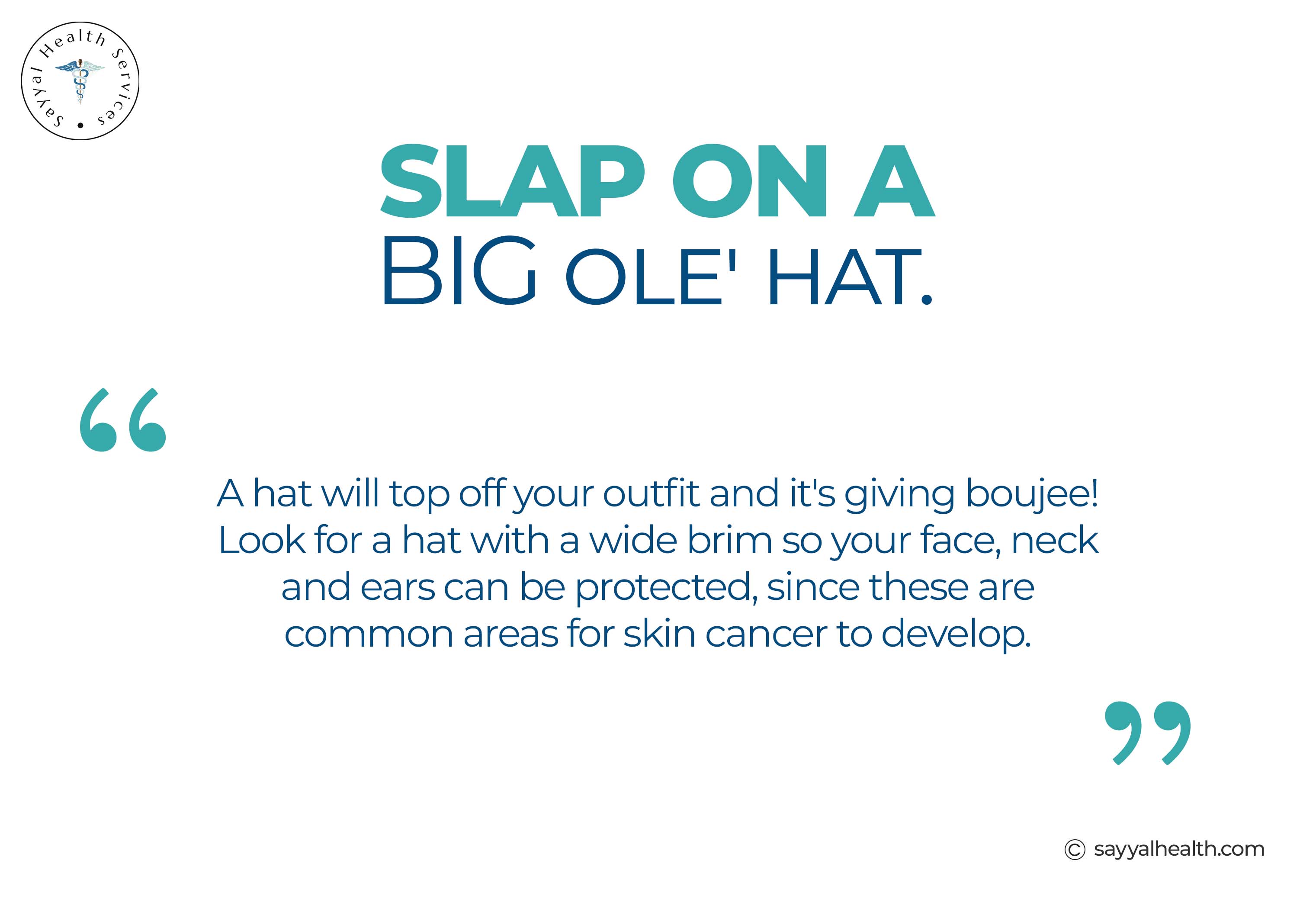
Slap on tip is to wear a hat that covers your face, neck, and ears.
Choose wide-brim or bucket hats because they offer the best protection. Avoid small caps as they leave too much of your skin exposed. A good hat reduces UV exposure to your face and head, where many skin cancers develop.
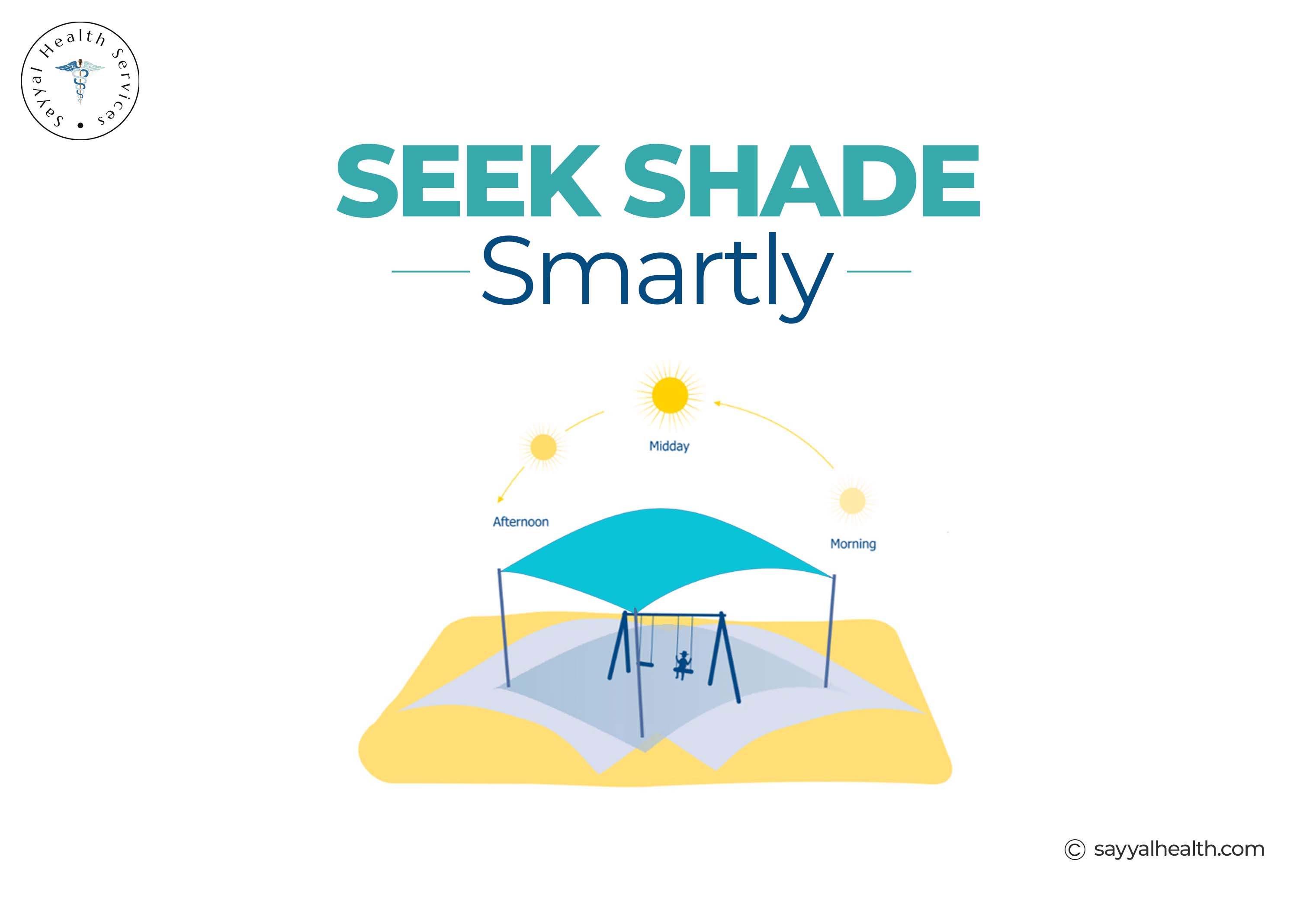
Stay in shade whenever possible. Shade helps reduce UV exposure but doesn’t block it entirely. UV rays reflect from sand, water, grass, and concrete. Be extra safe between 10 am and 4 pm, when UV levels peak in Australia. Always combine shade with sunscreen and protective clothing.
Wear UV-rated sunglasses every day, even in winter or clouds.
Look for wrap-around styles for better coverage. Sunglasses protect your eyes and the delicate skin around them. They also reduce the risk of cataracts and sun-related eye damage.
Australia has a very strong sun. That means you need a good sunscreen every day.
Dermatologists and the Cancer Council recommend broad-spectrum SPF 50+. SPF 50+ is also considered the best sunscreen in Australia. 'Broad-spectrum' means it protects you from UVA (ageing, skin cancer) and UVB (burns).
A good sunscreen helps prevent sunburn, wrinkles, dark spots, and skin cancer.
Choose one you like and can use daily.
Different sunscreens suit different skin types. Generally, there are two main sunscreen type categories. One is a mineral sunscreen, and the other is a chemical.
Individuals with sensitive skin require mineral sunscreen. Mineral sunscreens contain titanium dioxide and zinc oxide. Both these physical blockers deflect the ultraviolet rays.
However, for oily skin, gel formula sunscreens are preferable. Chemical sunscreens use ingredients like oxybenzone and avobenzone. They absorb the ultraviolet rays and convert them to heat.
|
Sunscreen Type |
What it Means |
It is good for |
|
Mineral / Zinc / Titanium |
Sits on skin and blocks the sun |
Sensitive skin, kids |
|
Chemical |
Absorbs UV rays |
Every day use, sports |
|
Hybrid |
A mix of mineral and chemical |
Most skin types |
|
Tinted |
Has iron oxides for pigment protection |
Pigmentation, melasma, dark spots |
If you have acne-prone skin, choose a non-comedogenic formula.
Sunscreen is never waterproof. In Australia, labels can only say water-resistant. This means it works for 40–80 minutes in water or sweat.
Always reapply after swimming, sweating, or even after towel-drying. Keep in mind that the term “waterproof” is misleading, and also, the FDA has not approved it.
In Australia, sunscreen is regulated by the TGA (Therapeutic Goods Administration). Always choose the TGA-approved sunscreen Australia.
Every person requires a different sunscreen based on age and skin type.
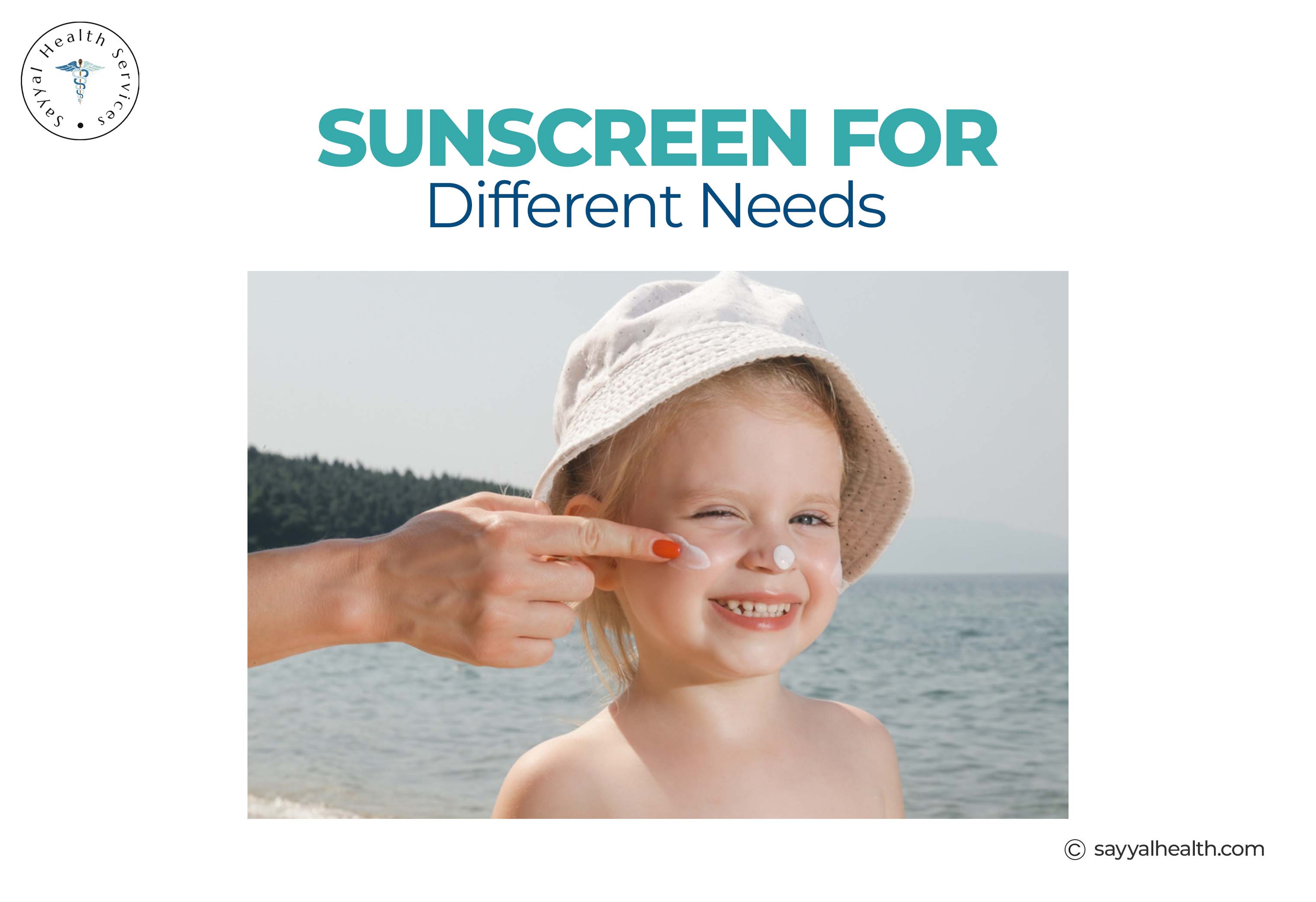
Lightweight sunscreens work best. Because they feel nicer, and kids actually use them.
Outdoor workers need to choose the best sunscreen for themselves. Because they are at high risk of skin damage. Because they get much more sun exposure. They need to wear SPF 50+, long sleeves, and a hat and reapply during the day.
People with fair skin burn faster and have a higher skin cancer risk.
You need to use SPF 50+ every day, year-round.
You need to choose very water-resistant zinc formulas. Moreover, reapply sunscreen often.
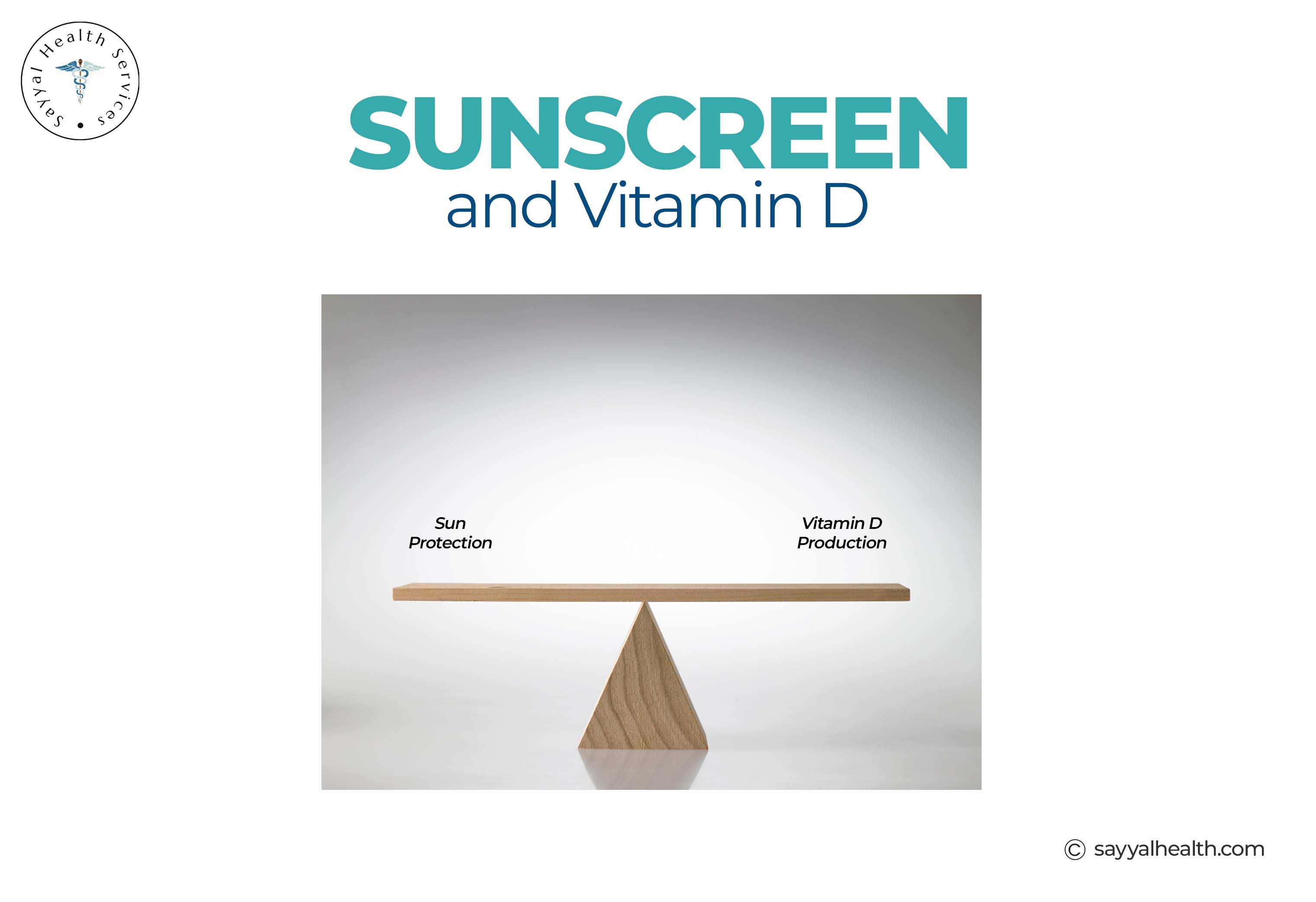
Using sunscreen does not stop vitamin D. In Australia, even a few minutes outdoors most days is enough for most people.
If you’re worried, ask your doctor for a vitamin D blood test, and don't skip sunscreen.
One question that always come to our mind is that what should be our daily routine. For a daily routine, use this simple plan when the UV Index is 3 or higher:
Whenever you see any kind of sign, see a professional. These signs could be:
High-risk people, fair-skinned people, outdoor workers, and people with a family history should have yearly skin checks.
At Sayyal Health, we offer skin cancer checks that includes:
We focus on early detection and prevention, especially in Australia’s strong UV climate.
Book your skin check with Dr Safwan Sayyal at Sayyal Health.
How to Check the UV Index?
The UV Index is a scientific scale ranging from 0 to 11+. You can easily monitor it using trusted weather websites or mobile apps to plan safe outdoor activities.
Should I wear sunscreen indoors in Australia?
It is better to wear sunscreen indoors in Australia. Specifically, if your room has windows. Because the scorching sunrays enter the room by penetrating the window.
Is sunscreen safe for daily use?
Yes, sunscreen is safe for daily use. Dermatologists and skin specialists recommend its daily use to protect skin from dangerous ultraviolet rays.
What SPF is best for Australia?
SPF 50+ is best for Australians, according to the Cancer Council. However, it must be broad-spectrum and water-resistant.
Can Darker Skin Skip Sunscreen?
No, darker skin should not skip sunscreen at any cost. More melanin in the skin cannot provide complete protection from the sun. That’s why darker skin tones should wear sunscreen for skin protection from dangerous ultraviolet rays.
Does Sunscreen Block Vitamin D?
Yes, sunscreen blocks ultraviolet rays that produce vitamin D. But sunscreen does not block the rays completely. SPF with 30 partially blocked rays. However, SPF 50+ blocks UV rays up to 97%.
Your feedback helps us create better content for everyone.