Contact Person:Dr. Safwan Sayyal
Working Hours:Mon - Fri: 9:00 AM - 5:00 PM
Contact:info@sayyalhealth.com



Published: February 20th, 2026Last updated: September 23rd, 2026
Melanoma is a type of skin cancer strongly associated with excessive ultraviolet (UV) radiation exposure from sunlight or tanning beds.
Have you ever come home from a day outside with red, burning skin and thought, "It's fine, it'll turn into a tan"? Most of us have been there. But here's something worth knowing: that burn is your skin sending out a distress signal.
In Australia, ignoring those signals over and over again has turned into one of the biggest health problems. Melanoma rates have been increasing for decades. Skin cancer is now so common here that it touches almost every family in some way.
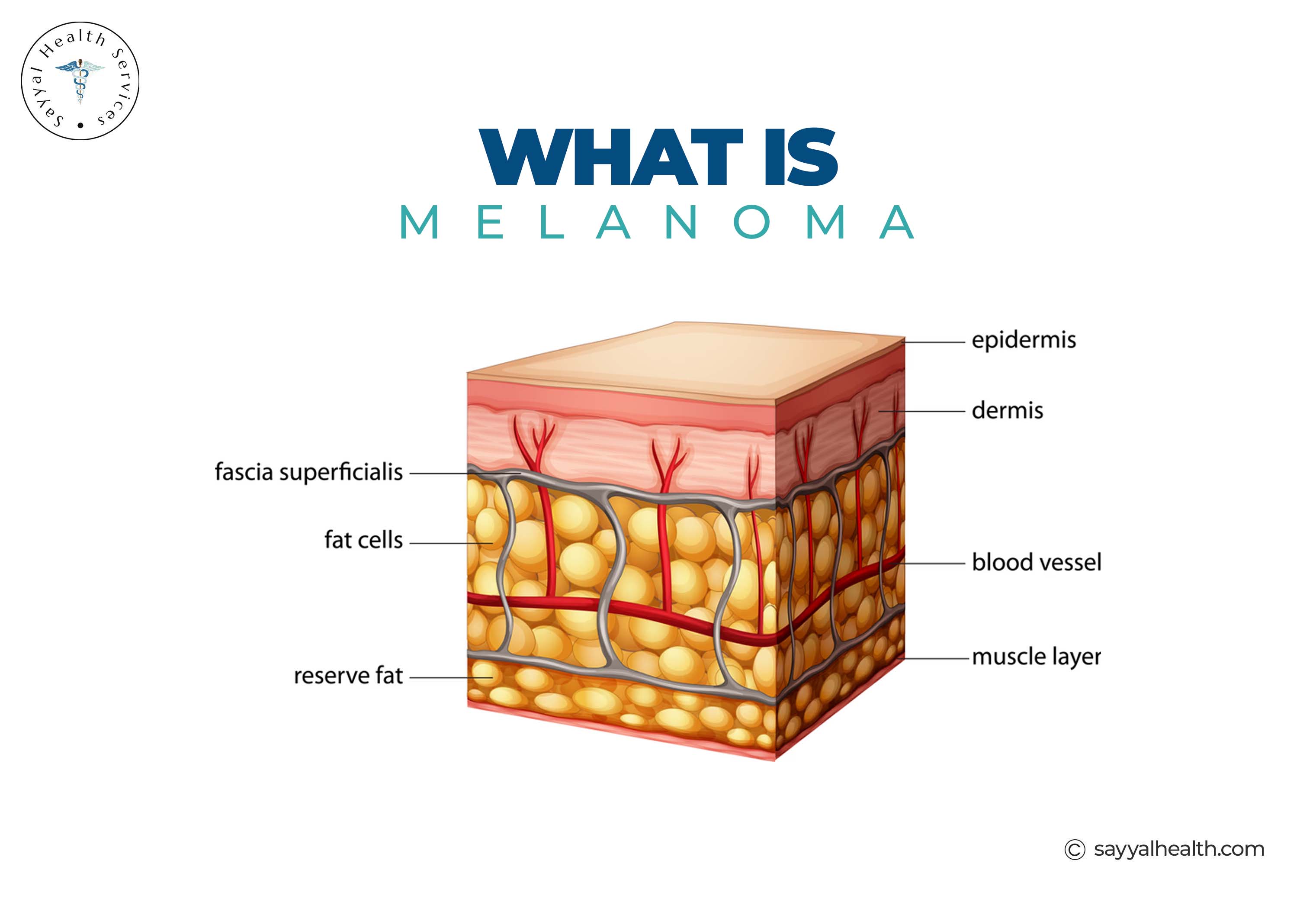
Your skin is not just a covering. It is a living organ packed with different types of cells that each have a specific job. One of those cell types is called a melanocyte. Melanocytes produce a pigment called melanin, which gives your skin, hair, and eyes their colour.
When sunlight hits your skin, melanocytes respond by producing extra melanin to try to protect the deeper layers from damage. That darkening effect, what we call a tan, is actually your body's alarm system going off, not a sign that everything is fine.
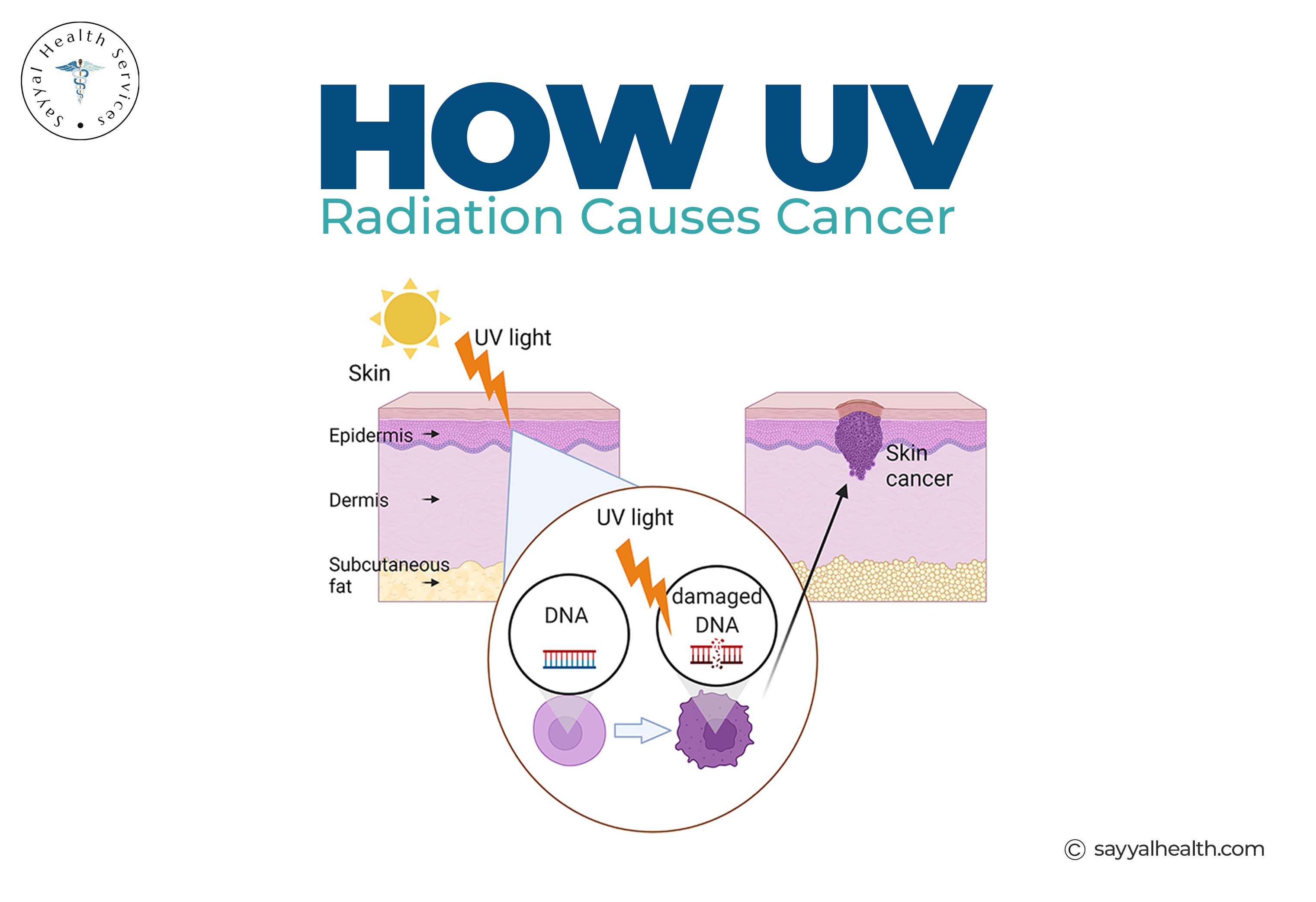
Here is where the connection between melanoma and the sun comes in. Ultraviolet radiation does not just sit on the surface of your skin. It goes deeper, and as it does, it can damage the DNA inside your melanocyte cells.
DNA is a set of instructions that tells every cell in your body what to do, when to grow, and when to stop. When UV radiation hits those instructions often enough, it can mix them up. A cell that can no longer read its own instructions properly starts doing something dangerous; it keeps dividing and growing without stopping. That out-of-control growth is cancer. When it happens in melanocytes, we call it melanoma.
What makes melanoma particularly serious compared to other skin cancers is how fast it can spread. When caught near the skin’s surface, it can almost always be removed, letting the person live normally.
But if left alone and it grows deeper, it can find its way into the bloodstream and travel to other organs, such as the lungs, liver, and brain. At that point, it becomes very difficult to treat. This is why catching it early is everything.
The relationship between melanoma and sun exposure is not some far-off, theoretical risk. In Australia, melanoma is the third most common cancer overall, and it is the most common cancer for people aged 15 to 39.
Young people are not immune. This is happening now to people our age and just a bit older, and understanding it is the first step toward doing something about it.
You have probably heard the term 'UV radiation' thrown around in conversations about sunscreen and sunburn, but what actually is it?
Light travels in waves, and different types of light have different wavelengths. The light we can see with our eyes, the colours of the rainbow, sits in a particular range of wavelengths. Ultraviolet light sits just outside that visible range, with wavelengths shorter and more energetic than violet light.
Because you cannot see it or feel it the way you feel warmth from a fire, UV radiation is particularly deceptive. You can be receiving a significant dose of it on a cool, cloudy day and have absolutely no idea.
Ultraviolet light cancer refers to cancer that develops as a direct result of DNA damage caused by UV radiation. It is, without question, the most common form of environmentally triggered cancer in Australia.
Every time UV hits an unprotected skin cell, there is a small chance it causes a mutation, a tiny error in that cell's DNA. Your body has repair systems to fix these errors, and most of the time, it does a good job. But those repair systems are not perfect. They cannot keep up if damage happens repeatedly over years. Eventually, enough errors build up in a single cell that it loses the ability to follow the rules, and cancer begins.
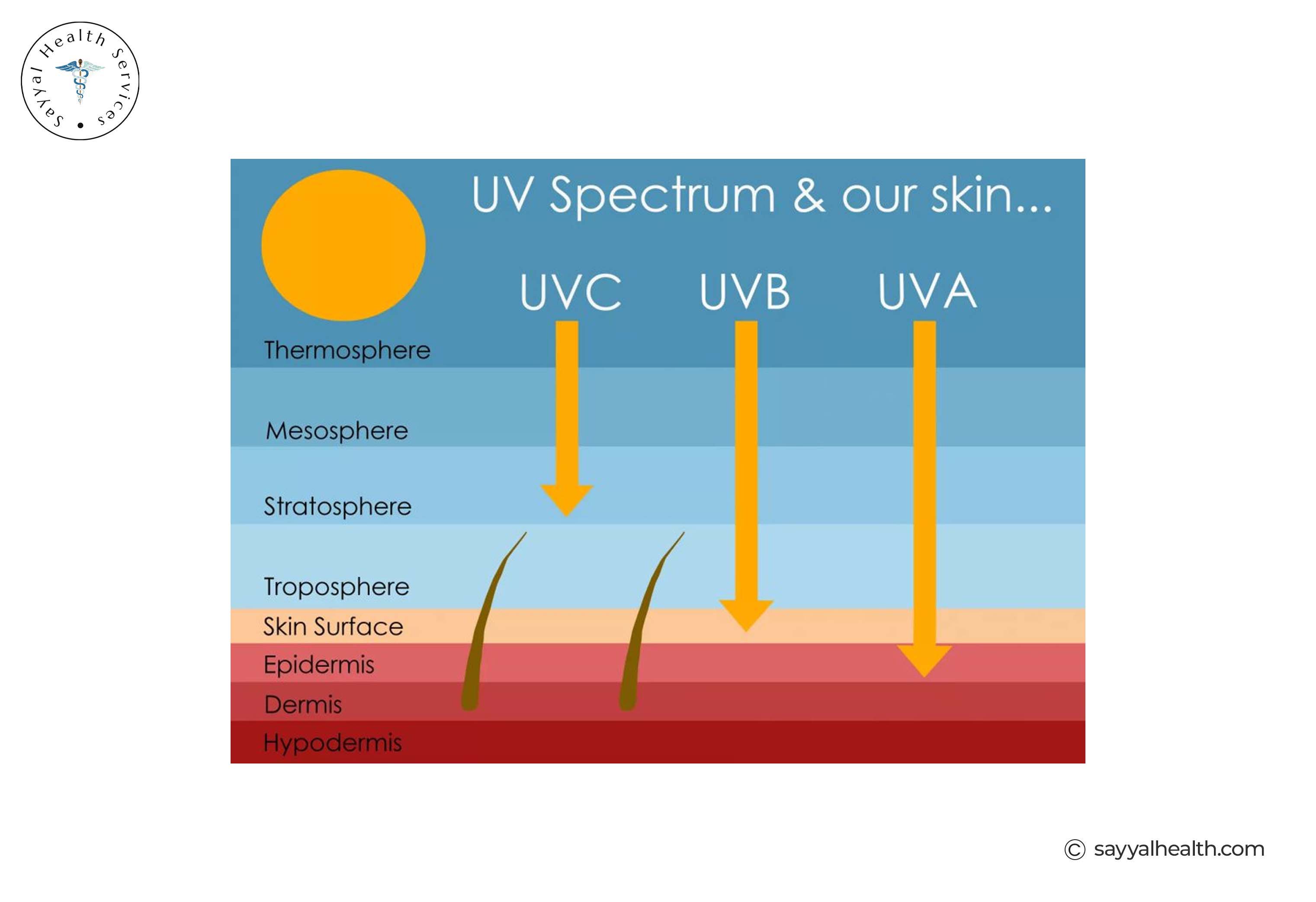
There are three types of UV radiation, and understanding each one helps make sense of how protection works.
UVA makes up around 95 per cent of the UV radiation that reaches the ground. It penetrates deeply into the skin, causes long-term DNA damage, and contributes to premature ageing and skin cancer. UVA can pass straight through glass, which means sitting next to a window in a car or a classroom is not as safe as it might feel.
UVB is less abundant but more intense. It is the main type responsible for sunburn and a major direct cause of DNA damage in skin cells. It also helps your body produce vitamin D, which is genuinely important for healthy bones and immune function, but the amount of sun needed for vitamin D production is far less than the amount that causes damage.
UVC is the most powerful of the three, but almost all of it is blocked by Earth's atmosphere before it reaches us. Natural UVC from the sun is not a concern at ground level. However, artificial UVC sources used in medical sterilisation equipment and water treatment facilities can be dangerous without proper care. Good lifestyle UVC habits in those professional settings include strict safety procedures, like never looking directly at a UVC light source and always wearing appropriate protective gear.
Australia has one of the highest melanoma rates in the world. The link between the sun and melanoma is well established in science. UV radiation is responsible for around 95 per cent of all melanoma cases in this country.
That means almost every melanoma diagnosis in Australia traces back to sun exposure accumulated over a lifetime, often beginning in childhood and teenage years, long before any visible damage appears on the skin.
Here is the frustrating part about melanoma and sun exposure: the damage does not show up straight away. It can take ten, twenty, or even thirty years for a melanoma to develop from UV damage done to a skin cell early in life.
This means the sunburns you get now, in your teens, are not just creating temporary redness. They are building up risk that may only become visible much later. Australia's rising melanoma rates today reflect sun exposure habits from decades past.
This is why doctors and health organisations keep repeating that sun protection is not just for the beach. Every day spent walking to school, eating lunch outside, playing sport on the oval, or hanging around in the backyard adds to the total UV exposure your skin receives over a lifetime.
The cumulative effect of those ordinary, everyday moments often adds up to more total UV damage than occasional full days at the beach. The most dangerous exposure is often the kind you do not think to protect against.
To understand why skin cancer is such a major issue here specifically, you need to know what makes Australian ultraviolet levels so intense compared to most parts of the world. Several factors stack on top of each other to create this situation, and each one matters on its own.
A large portion of the Australian continent sits in the tropics or close to them. When the sun is high in the sky and nearly directly overhead, its rays travel through a much thinner slice of atmosphere before reaching the ground. Less atmosphere means less natural filtering of UV radiation.
Even cities further south, like Melbourne and Adelaide, receive UV levels significantly higher than cities at similar latitudes in the Northern Hemisphere because of the other factors working alongside geography.
This is probably the single biggest reason why Australia get more UV light than other comparable countries. The ozone layer is a band of gas in the upper atmosphere, roughly 15 to 35 kilometres above Earth's surface. It acts as a giant natural filter, absorbing a large portion of UV radiation before it reaches the ground.
During the twentieth century, widespread use of chemicals called CFCs found in old fridges, air conditioners, and aerosol sprays caused serious damage to the ozone layer, creating what scientists called the ozone hole over the Southern Hemisphere. Australia and New Zealand sit directly underneath one of the most affected regions.
While global efforts have helped slow further depletion and the ozone layer is slowly recovering, it remains measurably thinner over southern Australia than it does over equivalent latitudes in Europe or North America. The result is significantly more UV radiation reaching the Australian surface than would occur naturally.
This one surprises a lot of people. Earth does not travel around the sun in a perfect circle; its orbit is slightly oval-shaped, meaning it gets a little closer to the sun at certain points of the year.
Australia's summer falls during the period when Earth is closest to the sun. This adds a small but real boost to the intensity of solar radiation reaching the Southern Hemisphere during the hottest months of the year.
Clouds, pollution, and particles in the atmosphere scatter and absorb UV radiation before it hits the surface. Many parts of Australia, particularly inland and coastal areas away from major cities, have exceptionally clear air with very little atmospheric interference.
The result is that UV radiation arrives at the Australian surface with very little softening from above.
Put all of these factors together, and the numbers are stark. On a summer day in Sydney, the UV Index can reach 11 or above, classified as 'extreme' on the global scale. In tropical cities like Darwin or Cairns, it can hit 14 or beyond.
For comparison, European cities like London or Berlin rarely see UV Index readings above 7, even in midsummer. In most Australian cities, the UV Index reaches the level where sun protection is recommended, with a reading of 3 on virtually every single day of the year, including many winter days and even through cloud cover.
High UV levels explain the environmental side of the problem. Australia’s high skin cancer rate results mainly from the skin type of most Australians, unlike in other sunny regions.
Human skin did not evolve the same way everywhere on Earth. In equatorial regions where UV has always been intense, populations evolved with high levels of melanin. Dark skin with high melanin content acts as a natural, built-in UV shield, reducing how much radiation penetrates into the deeper skin layers where it causes DNA damage.
In Northern Europe, where winters are long and cold, and sunlight is weak for much of the year, populations evolved in the opposite direction. Less melanin allowed skin to absorb more of the limited available sunlight and produce vitamin D, essential for survival in low-light climates.
Pale skin with low melanin is perfectly adapted for Ireland or Scotland. It is simply not adapted for Australia.
When settlers from Britain and Ireland began arriving in Australia in large numbers from the late 1700s, they brought low-melanin skin into one of the highest-UV environments on Earth. For generations, outdoor lifestyles were unavoidable: farming, building, working under open skies, and sun protection were either not available or not understood to be necessary.
For most of the twentieth century, a deep tan was seen as healthy and attractive. People deliberately sought out sun exposure with no protection at all. The consequences of those habits are still appearing in cancer diagnoses today.
When people ask why the skin cancer rate in Australia is so high, the honest answer is this: it is the result of low-melanin skin in a high-UV environment, combined with generations of cultural habits that treated the sun as harmless or even beneficial without limits.
People of Anglo-Celtic descent make up a significant majority of Australia's population, and this group carries the highest melanoma risk of any population group in the world.
Indigenous Australians, whose ancestors spent tens of thousands of years evolving in this environment and who typically have higher natural melanin levels, have significantly lower rates of UV-related skin cancer, though they are not entirely immune, and access to health checks has historically been unequal.
This is one of the most common questions people have when they first learn about skin cancer, and the answer matters more than you might think.
Can you get a melanoma without sun exposure? Yes, you can. UV radiation primarily causes melanoma. However, sun exposure accounts for the overwhelming majority of cases. But it is not the only cause, and understanding this changes who needs to be paying attention to their skin.
Can you get melanoma without sun exposure? Again, yes. Some melanomas develop in places where the sun simply never reaches: the soles of the feet, the palms of the hands, underneath fingernails and toenails, inside the mouth or throat, in the nasal passages, and even inside the eyeball. These locations receive essentially zero UV exposure, and yet melanoma can and does develop in them.
Acral lentiginous melanoma develops on the hands, feet, or melanoma under nails. It is largely considered a form of skin cancer not related to sun exposure. It is rare in the general Australian population but is actually the most common form of melanoma among people with darker skin tones, which challenges the widespread assumption that skin cancer only affects fair-skinned people.
Acral lentiginous melanoma
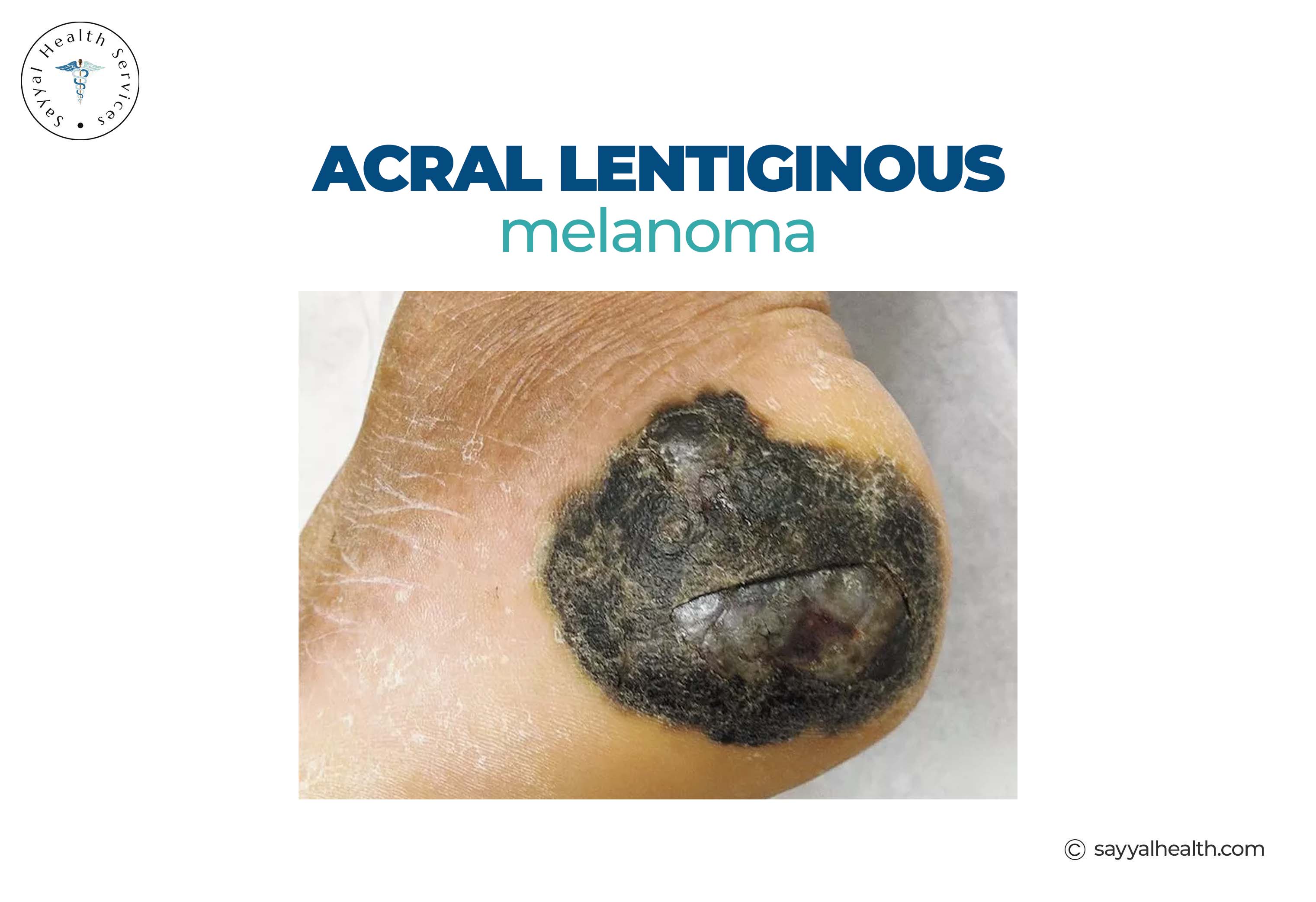
Bob Marley, for example, died from a melanoma that originated under his toenail, a clear and well-known case of skin cancer not related to sun exposure in a person with naturally dark skin.
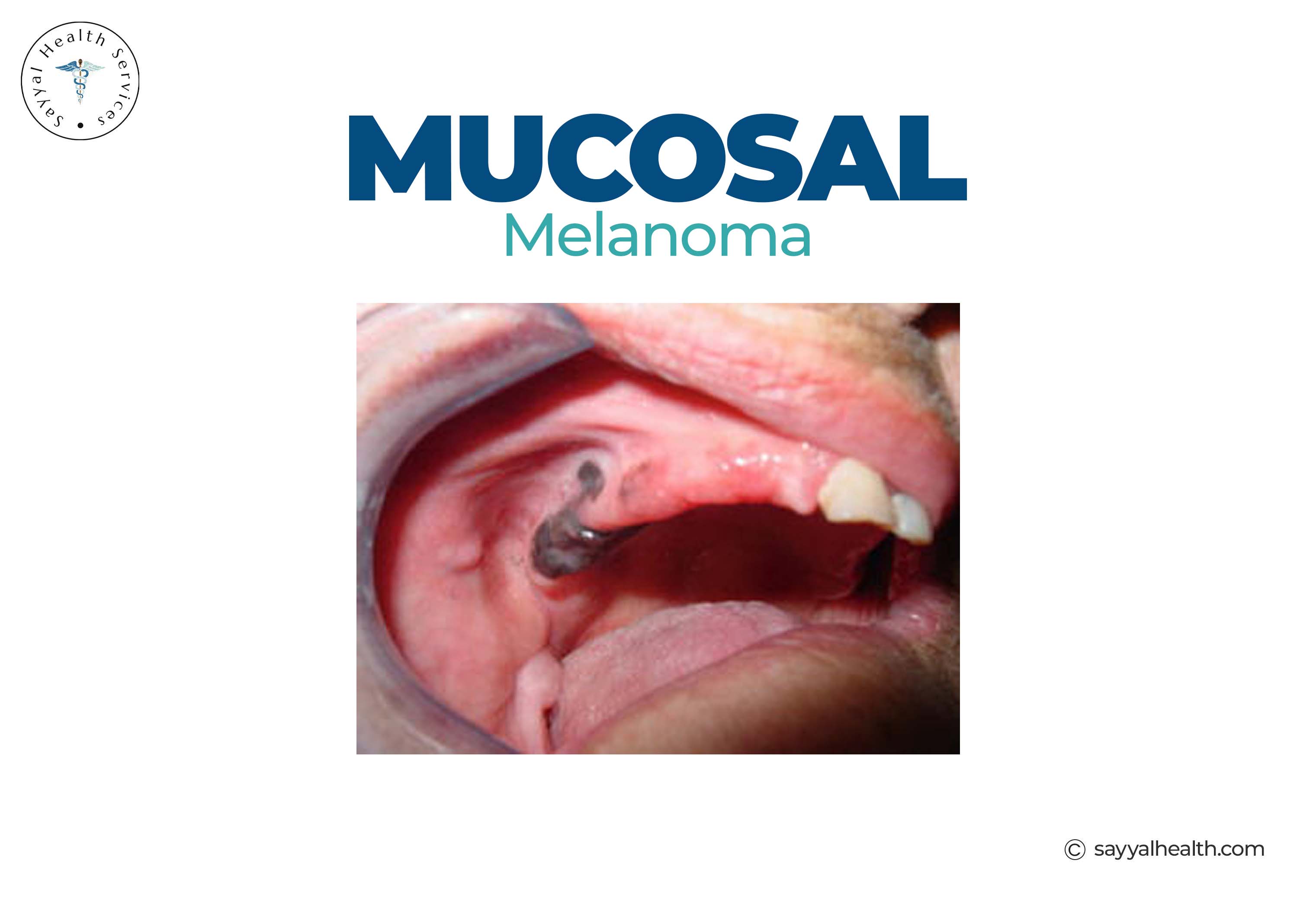
Mucosal melanoma forms in the moist internal linings of the body the throat, digestive tract, nose, or reproductive organs. These areas receive no UV exposure at all. Mucosal melanoma is rare but tends to be aggressive because it often goes unnoticed until it has already grown significantly.
Mucosal Melanoma
Ocular melanoma develops inside the eye, in a layer called the uvea. While some research suggests possible UV involvement, it occurs across people of all UV exposure levels and cannot be neatly explained by sun exposure the way skin melanoma can.
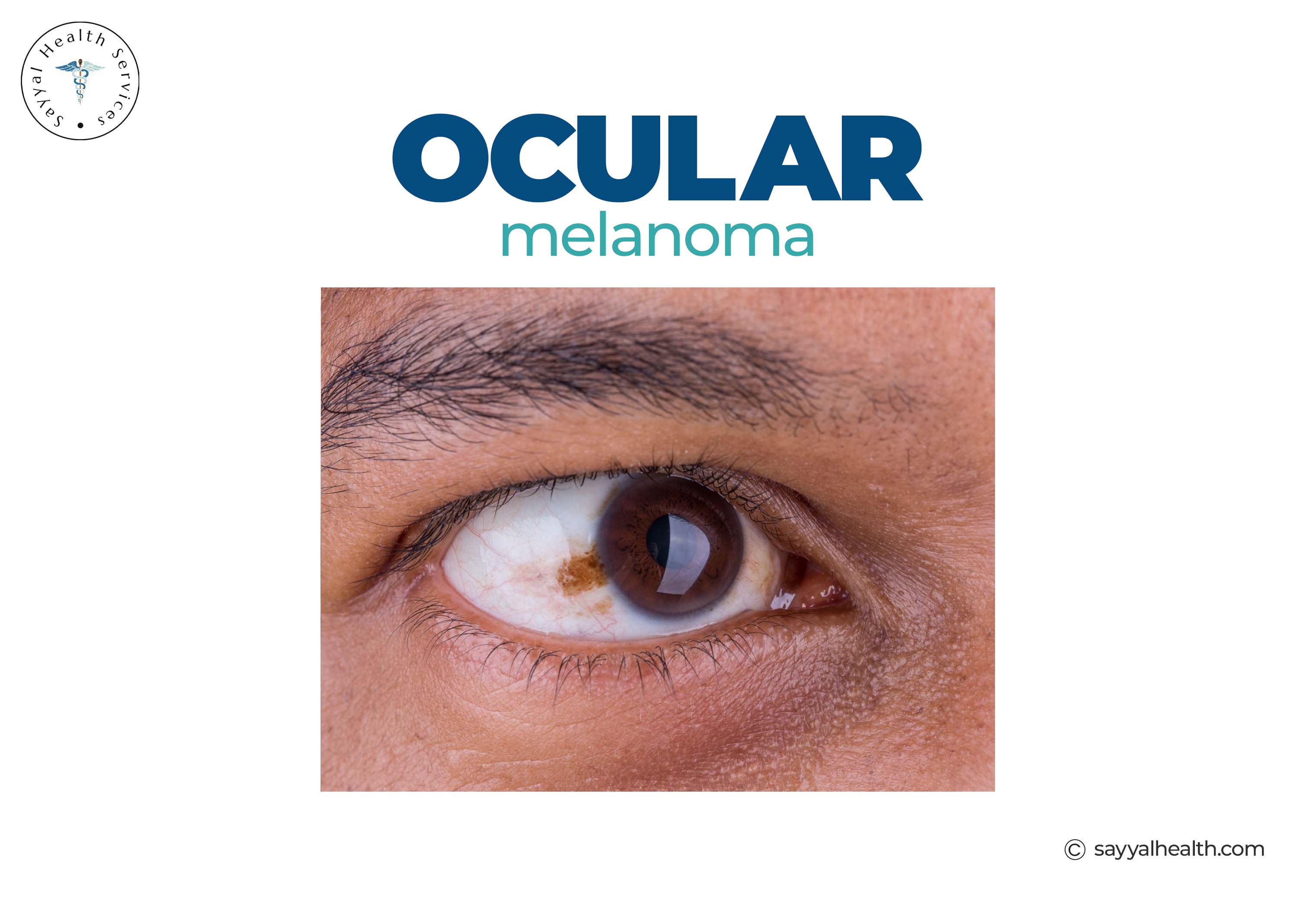
These cases of skin cancer not related to sun exposure are believed to be triggered by other factors, such as spontaneous genetic mutations, certain chemical exposures, chronic inflammation, or mechanisms that science is still working to fully understand.
None of this changes the core message about the sun. UV radiation remains the dominant and most preventable cause of melanoma in Australia. But knowing that melanoma can develop away from sun-exposed areas means that skin checks matter for everyone, not just fair-skinned people who spend a lot of time outdoors. Melanoma is not as selective as many people assume.
Protecting yourself from UV damage does not mean giving up time outside, quitting sports, or hiding from the beach. It means building habits that let you enjoy the sun in Australia on your own terms, safely and with confidence.
These are sometimes called 'lifestyle UVC habits', everyday routines that reduce your UV exposure as part of normal life, not just as a special effort on sunny days. The more automatic they become, the more effective they are.
Clothing is your most underrated line of defence. A long-sleeved rashie at the beach, a collared shirt on the oval, and long pants instead of shorts when you are spending hours outside, these choices block UV before it ever touches your skin.
Look for clothing with a UPF rating (Ultraviolet Protection Factor). UPF 50+ means the fabric filters out 98 per cent of UV radiation. A regular wet white T-shirt, by comparison, might only offer a UPF of around 3.
Use SPF 50+ broad-spectrum sunscreen and apply it at least 20 minutes before going outside, not after you have already been standing in the sun. Most people apply about a quarter of the amount needed for full protection, so be generous with it.
Reapply every two hours, and again immediately after swimming or heavy sweating. Easy-to-miss spots include the ears, back of the neck, lips, and tops of the feet, which happen to be some of the most common sites where skin cancers are found.
A baseball cap covers your forehead but leaves your ears, jaw, and neck completely exposed, all areas where skin cancer commonly develops. A broad-brimmed hat with at least a 7.5-centimetre brim all the way around gives the coverage that actually matters.
Legionnaire-style hats with a back flap are an excellent choice for anyone doing outdoor sports or spending long hours in the open.
UV radiation in Australia is most intense between 10 am and 2 pm, or 11 am to 3 pm during daylight saving time. This does not mean you need to stay inside during those hours. But if you have a choice between an early morning run and a midday one, the morning option is genuinely safer for your skin.
Building outdoor activities around the cooler and lower-UV parts of the day is one of the simplest and most effective lifestyle UV habits you can develop.
Being in the shade significantly reduces direct UV exposure, but it does not eliminate it. UV reflects off surfaces like water, sand, concrete, and light-coloured buildings. Even sitting under a beach umbrella, you can receive a meaningful UV dose from reflected and scattered light.
Use shade along with other forms of protection instead of relying on it alone.
Long-term UV exposure damages more than just skin. It contributes to cataracts, macular degeneration, and rare but serious eye cancers. Wrap-around sunglasses that meet the Australian Standard AS/NZS 1067 (look for "UV 400" on the label) offer protection from the front and sides.
Cheap fashion sunglasses without UV protection can actually make things worse. They cause your pupils to dilate and let in more UV than if you wore nothing at all.
The UV Index tells you how intense UV radiation is at your location at any given time. Protection is recommended whenever it reaches 3 or above. Critically, UV radiation is not the same as visible brightness or heat; you can have a high UV index on an overcast, mild-feeling winter day.
The free DermPro app gives you a live UV forecast for your exact location and tells you what level of protection is needed. Checking it becomes a quick, easy daily habit that genuinely changes how you approach being outside.
Get into the habit of checking your own skin, and see a GP for a professional skin check periodically. Look for new moles or spots, and pay close attention to existing ones using the ABCDE guide:
Ask a parent or trusted adult to help check areas you cannot easily see yourself, like your back and scalp.
Australian authorities have banned commercial sunbeds and tanning booths because their dangers are now undeniable. They emit concentrated UV radiation, primarily UVA, that can exceed natural sunlight in intensity.
A tan is not a sign of health. This sign shows that UV radiation has already damaged your skin.
Rising melanoma rates are not something we simply have to accept. Specific choices create these results, and different choices can reverse them. Australia has already made real progress. Improved access to sunscreen and better public education have begun to shift habits, particularly among younger Australians. But the work is far from done.
With melanoma rates continuing to rise and UV exposure posing serious long-term risks, early detection has never been more important. Even small changes in a mole or new skin spots can be warning signs that shouldn’t be ignored.
At Sayyal Health, we provide thorough and professional skin cancer checks designed to identify concerns early and give you peace of mind. Don’t wait for symptoms to worsen, taking action now could make a life-saving difference.
Book your skin cancer check with Sayyal Health today and protect your skin with expert care you can trust.
Each person who builds solid sun protection habits from a young age reduces their own lifetime melanoma risk significantly. Every family that normalises sunscreen, hats, and shade-seeking as part of daily outdoor life shifts the cultural conversation a little further.
Every person who truly understands what ultraviolet light cancer is and how the sun in Australia makes the risk uniquely serious here is better equipped to make smart decisions for themselves and eventually for their own families.
The sun in Australia is genuinely one of the great things about living here. It powers world-class beaches, fuels the outdoor lifestyle this country is famous for, and makes the natural environment breathtaking.
Melanoma is serious. It is rising. And it is, to a very large degree, preventable. That is actually good news because it means the choices you make right now, at your age, genuinely matter. Start making them today, and your future self will be better off for it.
Does sun exposure increase melanoma risk?
Yes, excessive sun exposure significantly increases the risk of melanoma, the most serious type of skin cancer. Ultraviolet (UV) radiation from the sun can damage the DNA in skin cells, which may lead to abnormal cell growth over time.
What is 90% of melanoma cancer caused by?
Around 90% of melanoma cases are linked to exposure to ultraviolet (UV) radiation, primarily from sunlight and artificial sources such as tanning beds. UV radiation damages the skin’s DNA, which can trigger mutations that lead to cancerous cell growth.
What is the 2 week rule for melanoma?
The 2-week rule suggests that if you notice a new mole, spot, or skin change that does not heal or continues to grow within two weeks, you should consult a healthcare professional. Early evaluation is important because melanoma is highly treatable when detected early.
What percentage of melanomas come from overexposure to UV radiation?
Studies suggest that approximately 80–90% of melanomas are associated with overexposure to ultraviolet (UV) radiation from the sun or tanning beds. UV radiation damages skin cells and increases the likelihood of mutations that can lead to melanoma.
Written for educational purposes. Always seek advice from a qualified healthcare professional for personal medical concerns.
Your feedback helps us create better content for everyone.