Contact Person:Dr. Safwan Sayyal
Working Hours:Mon - Fri: 9:00 AM - 5:00 PM
Contact:info@sayyalhealth.com








Published: September 23rd, 2025Last updated: September 23rd, 2026
Hip arthritis is a pain in the hip joints that worsens over time. It is common nowadays and affects the quality of life. Stiffness and pain limit mobility, making it difficult for a person to perform daily activities. The cause of this disease is the deterioration of cartilage that connects soft tissues to bones. Arthritis causes swelling and inflammation in soft tissues. Joints stiffen when these tissues become rough or wear down.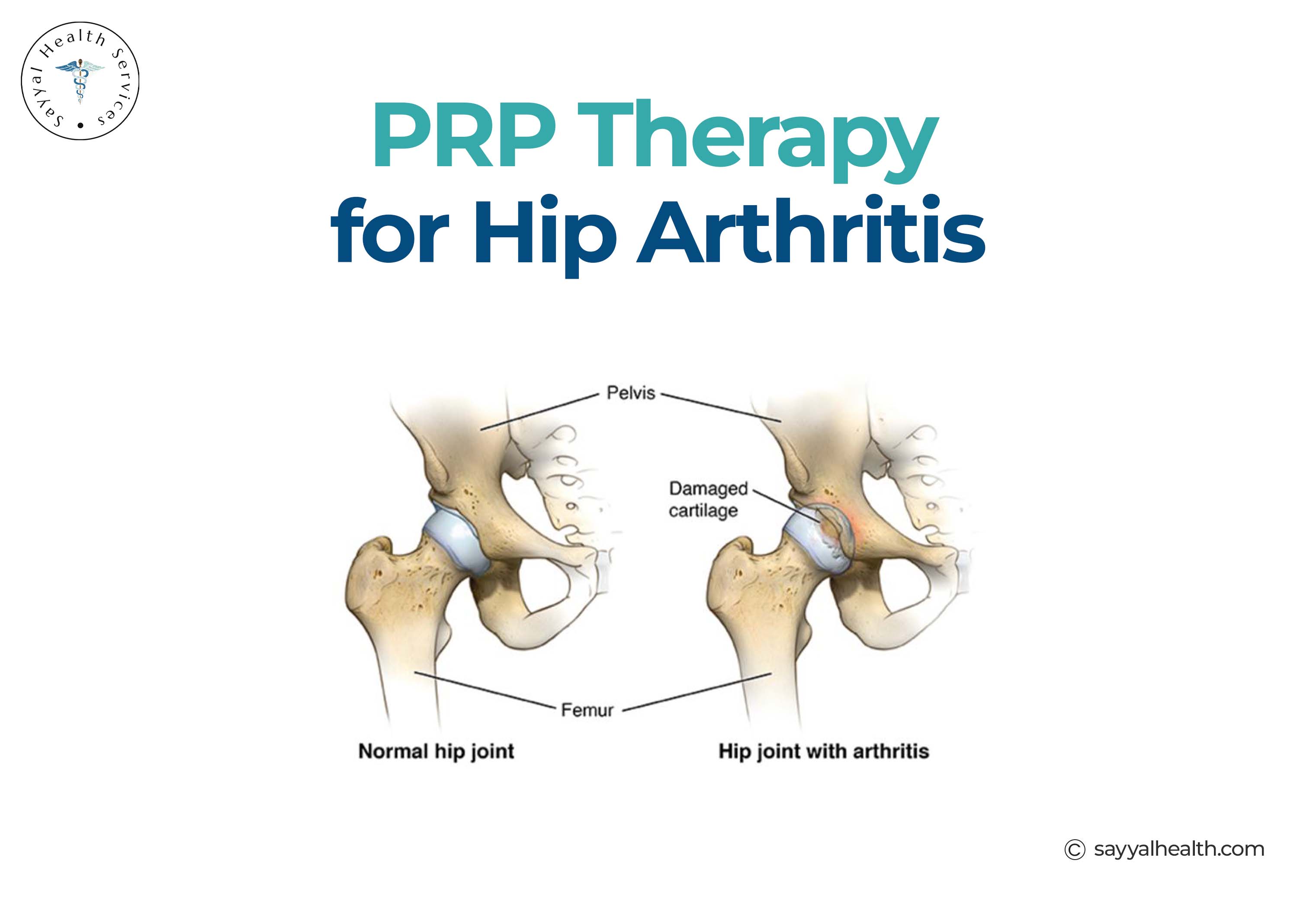
PRP therapy is a regenerative medicine treatment that can be beneficial for treating hip arthritis. It is a concentrated plasma that promotes the natural healing process. Growth factors in platelet-rich plasma help in cartilage regeneration, which heals joint pain.
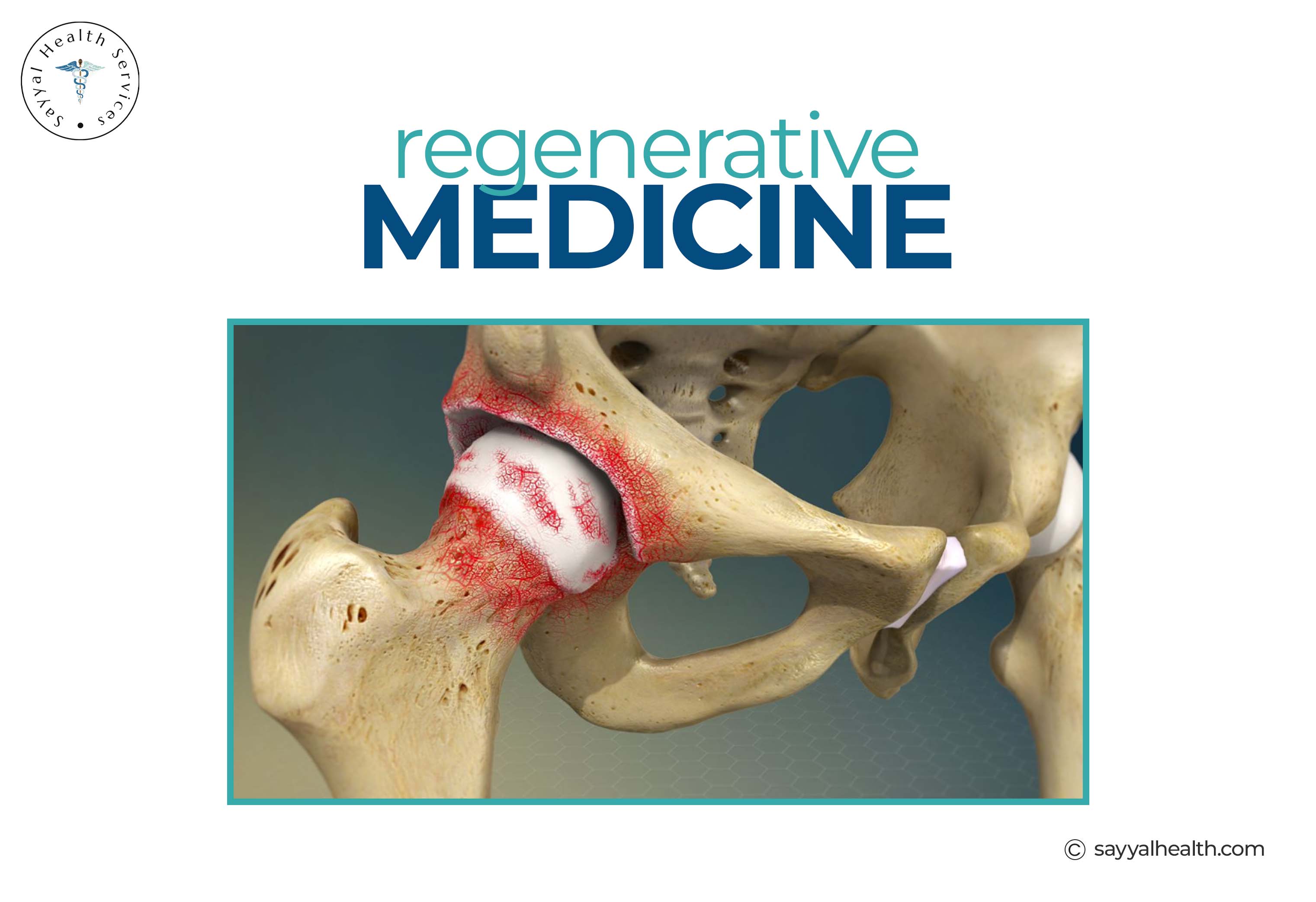
PRP therapy is an innovation in the medical industry. The platelet-rich plasma that is separated from the patient’s own blood can heal arthritis. For a few years, this treatment has become popular due to its numerous advantages. PRP regenerates the damaged tissues of joints. It also reduces pain and inflammation of the hip joints.
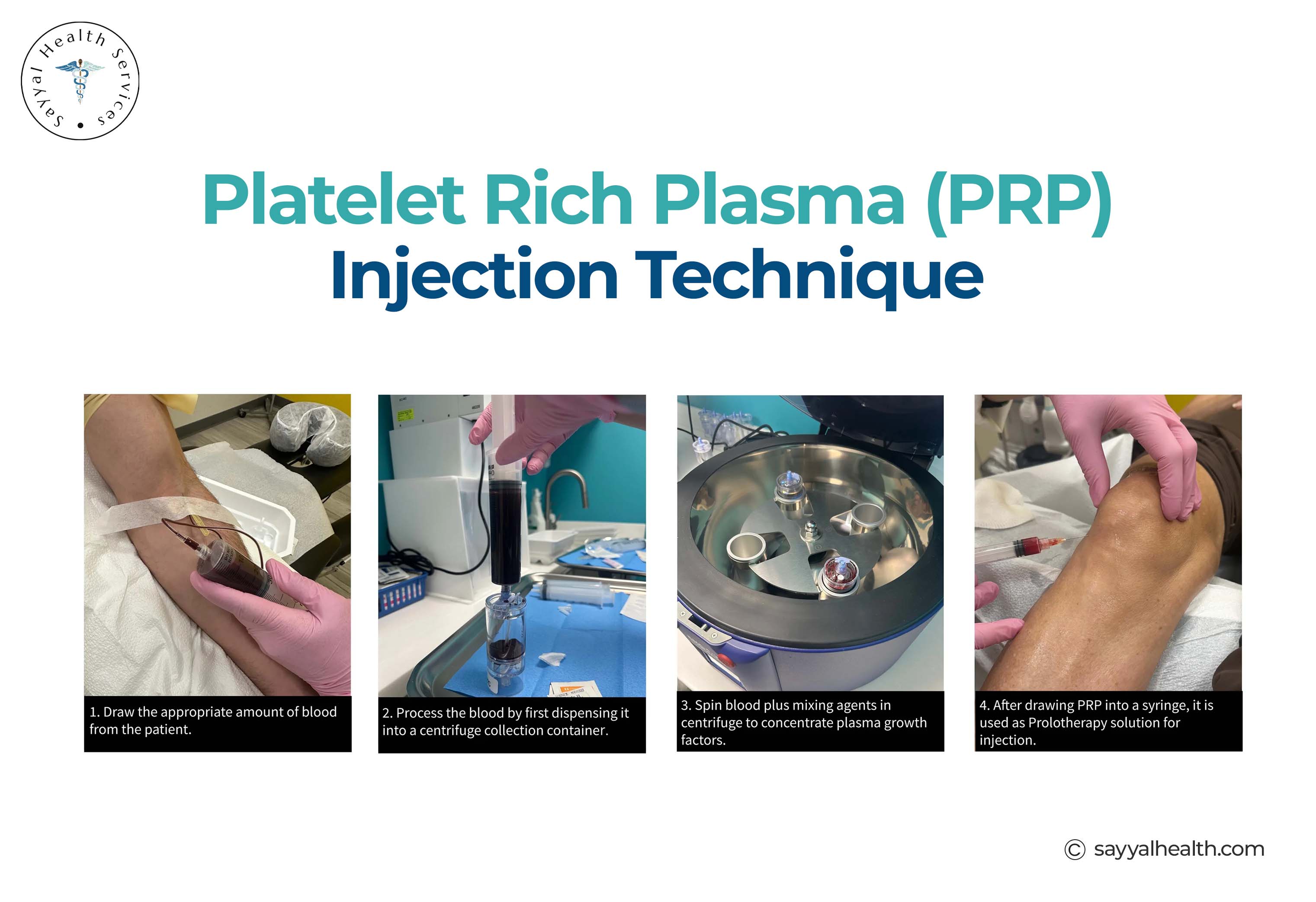
At first, the patient's blood is drawn in a few millilitres and spun in a centrifuge. Depending on their density, blood separates into different components. Platelet-rich plasma was collected at the centrifuge after a second spin.
This plasma contains higher concentrations of platelets that promote the healing process. It is a non-invasive autologous method that cures hip arthritis by regenerating cartilage. It also has fewer side effects than the traditional treatments. This low-risk treatment is safe for those patients who do not want hip surgery.
Growth factors in PRP help in healing hip arthritis. Pdgf, EGF, Vegf, bmgf and Tgf-β are important growth factors. PDGF is a platelet-derived growth factor that regulates collagen synthesis and secretion. Vascular endothelial growth factor (VEGF) promotes the permeability of blood vessels and angiogenesis. Angiogenesis is the formation of new blood vessels. It is important for wound healing and the growth of tissues. TGF-β is a cytokine that regulates multiple cellular functions.
Hip arthritis is one of the types of degenerative joint disease. When any kind of damage happens to the hip, the cartilage becomes rough. Cartilage is a slippery coating between the ball and socket that helps the leg move.
For a more detailed medical overview of hip arthritis, refer to Johns Hopkins Medicine.
There are multiple types of hip arthritis. These types include osteoarthritis, psoriatic arthritis, rheumatoid arthritis, and post-traumatic arthritis. One of the most common types is hip osteoarthritis. It is also called wear-and-tear arthritis.
Rheumatoid hip arthritis happens due to inflammation of the synovial membrane. It is a disease in which the immune system attacks healthy tissues. The chronic condition is psoriatic arthritis, which is a result of an autoimmune skin condition.
Trauma, such as injury, fall and accident, also damages cartilage. It is called post-traumatic hip arthritis. Moreover, avascular necrosis is a condition in which bones start to collapse due to a loss of blood supply.
Older age, genetics, obesity, and wear and tear are the main causes of hip arthritis. Other causes are sports activities, carrying extra weight, and hip dysplasia (poorly joined hip joints).

At first, symptoms of any disease seem mild. But they grow with time and become severe. Here are the symptoms of hip arthritis.
All these are the symptoms of arthritis in the hips that affect your quality of life. The pain limits the movement that makes your daily routine difficult.
Platelet-rich plasma has become popular for hip arthritis treatment. Growth factors such as VEGF, TGF-β, and PDGF help in regenerating tissues and cartilage. They promote the natural healing process in the body gradually. These growth factors are proteins that promote tissue repair and regeneration.
The PRP therapy process starts with drawing the patients' blood. This blood is spun in a centrifuge to get the concentrated plasma. This plasma contains a high concentration of platelets.
PRP therapy is preferable for those patients who have hip pain of a mild or moderate level. Moreover, it is a good option for patients with hip osteoarthritis at an early stage. It is a noninvasive autologous method that is ideal for patients with all types of hip arthritis. Specifically for those patients who want to avoid hip replacement surgery. It is recommended only for mild to moderate hip pain. In severe hip pain and inflammation, surgery is the only solution.
Doctors first analyse the condition of the patient and the injury for the suitability of treatment. If the patient is eligible for the treatment, the healthcare provider draws a sample of blood. The platelets will be separated in a centrifuge to prepare the PRP injection. According to the patient's condition, a local anaesthetic will be given to reduce the discomfort of the patient. So that the patient does not experience any kind of pain during the procedure. After that, the doctor will inject the injections at the hip joint area under ultrasound guidance.
Hyaluronic acid and corticosteroid injections also treat hip arthritis. However, in comparison to PRP therapy, they provide relief for a short duration. Corticosteroids are artificial steroid hormones that reduce inflammation and pain in joints. It may provide relief immediately. But it remains only for a short duration, like from a few weeks to months.
Synovial fluid in healthy joints contains hyaluronic acid. During movement, this component lubricates and cushions the hip joints. However, with time, this component wears down. To address this issue, doctors inject hyaluronic acid into joints. However, it does not benefit every patient, especially those with osteoarthritis.
Prolotherapy treatment is also useful for musculoskeletal issues. It is a dextrose sugar injection that reduces inflammation. It also promotes the natural healing process to manage pain. This treatment is not FDA-approved, but it has been common since 1950. However, it is a risky treatment, as it causes swelling, bruising, and bleeding at the injection site.
PRP therapy is a regenerative medicine for hip arthritis. It is an autologous method because the patient’s own blood is used for treatment. Doctors inject the PRP into the joints, which stimulates the healing process naturally. Platelets help in cartilage regeneration, which reduces hip pain and inflammation.
In comparison to all treatments, Platelet Rich Plasma therapy is effective for hip pain. First, it heals naturally. Second, it contains the patient’s own blood. Third, it provides lasting results. Fourth, PRP is less risky than corticosteroid and HA injections. According to Raleigh Orthopedic, PRP therapy is more effective for hip bursitis than cortisone.
The promising results of PRP therapy make it a suitable alternative to hip replacement surgery. Specifically, it is useful in chronic osteoarthritis of the hips. Hip replacement surgery involves the removal of the affected joints. It is a painful process that requires time for full recovery. Moreover, in this process, doctors cut and stitch the hip joint area.
PRP therapy is a nonsurgical method that does not include any cuts or stitches. There is no need for anaesthesia and hospitalisation. Only a local anaesthetic is given to the patient to reduce discomfort. In addition, patients recover more quickly than with hip replacement surgery. That’s why patients resume their daily activities within a few weeks.
With its benefits, this treatment has certain limitations. In severe hip pain and inflammation, surgery becomes more viable than PRP.
How many PRP hip injections a patient needs depends on the severity of the disease. Some patients may need only 1 injection for recovery. And some may recover fully after 3 injections. That’s why it is an effective treatment that is personalised according to the patient's requirements. A single PRP injection is enough for mild hip pain. However, for moderate hip arthritis, the number of injections increases. However, the total number of injections is 6, with 4-6 weeks apart from each session.
Growth factors PDGF, TGF-β, VEGF, and IGF regenerate tissues, form new blood vessels, and heal wounds. That’s why platelet-rich plasma is injected at the hip joints to manage pain.
Platelets contain growth factors that ultimately result in reducing pain. Hip arthritis is a degenerative disease. It happens due to the degeneration of cartilage. Cartilage is a tissue that connects bones at joints. Blood vessels are fewer at these joints as compared to other body parts. This is the reason that the healing of joints becomes hard. That’s why PRP supports cartilage regeneration. It is crucial for managing pain and reducing inflammation.
The patient starts recovering within weeks after getting the injection. However, the recovery timeline of a patient depends on multiple factors. For example, the severity of the disease and the expertise of the healthcare professional. Moreover, precautionary measures also matter a lot.
Taking NSAIDs and certain other drugs can impact the healing process. First, it is better for a patient to take a rest on the day of treatment. It is better to avoid physical activities for some days to recover fully. Also, do not take pain-controlling drugs, as they can affect the healing process. For post-treatment care, multiple effective tips, like applying ice to the injection site, prove beneficial.
At Sayyal Health, Our Advanced PRP for Hip Arthritis is designed to support natural healing, reduce inflammation, and help you regain mobility without invasive surgery. Our experienced medical team provides personalized assessments and evidence-based treatment plans tailored to your condition, ensuring you receive safe, professional care in a comfortable clinical environment. Don’t let hip pain control your daily activities.
Book your appointment today at Sayyal Health located in Gregory Hills and discover how PRP therapy can help you move with confidence again.
PRP therapy treatment is more expensive than other treatments. Moreover, the drawback of this treatment is that it is not covered by insurance. Generally, the PRP therapy cost starts from $500 to $2500.
The cost of treatment varies depending on the number of sessions. It includes the expertise of the doctor and the facility requirements. It does not get insurance because it is still in research. Moreover, it is used for cosmetic purposes like hair treatment and facial uplift. However, it is worth an investment as it provides lasting yet effective results.
The PRP injection remains effective for six months to one year. However, it depends on the patient's condition.
What are the side effects of PRP for hip pain?
Generally, it is safe as platelets are drawn from the patient’s own blood. However, swelling, soreness and discomfort are common side effects. The serious side effects are nerve injury and infection. But these are rare.
Is PRP better than hip replacement?
PRP therapy is a more viable solution than hip replacement. It is for mild and moderate hip arthritis. However, hip replacement is crucial in severe hip injury or pain.
What is the best injection for hip arthritis?
Platelet-rich plasma is a better injection for hip arthritis. It is a nonsurgical method that reduces inflammation and manages pain.
Can I drive after a PRP injection in my hip?
It is better not to drive after getting a PRP hip injection. It is because hip healing takes time. That’s why you should ask another person to drive. However, you can drive once you recover fully.
PRP Rich Plasma is right for you if you have mild and moderate hip arthritis. This treatment helps patients to revive their daily activities. It is a safe treatment with minimal risk. Growth factors manage pain and heal joints by regenerating cartilage. It is an alternative treatment for hip replacement surgery. Those patients who do not want to go through the painful surgery can choose PRP therapy. However, how many injections and the time needed for recovery depend on injury severity and the patient's response to treatment.
Your feedback helps us create better content for everyone.