Contact Person:Dr. Safwan Sayyal
Working Hours:Mon - Fri: 9:00 AM - 5:00 PM
Contact:info@sayyalhealth.com







Published: September 22nd, 2025Last updated: September 23rd, 2026
PRP injections are a non-invasive solution for reducing pain.
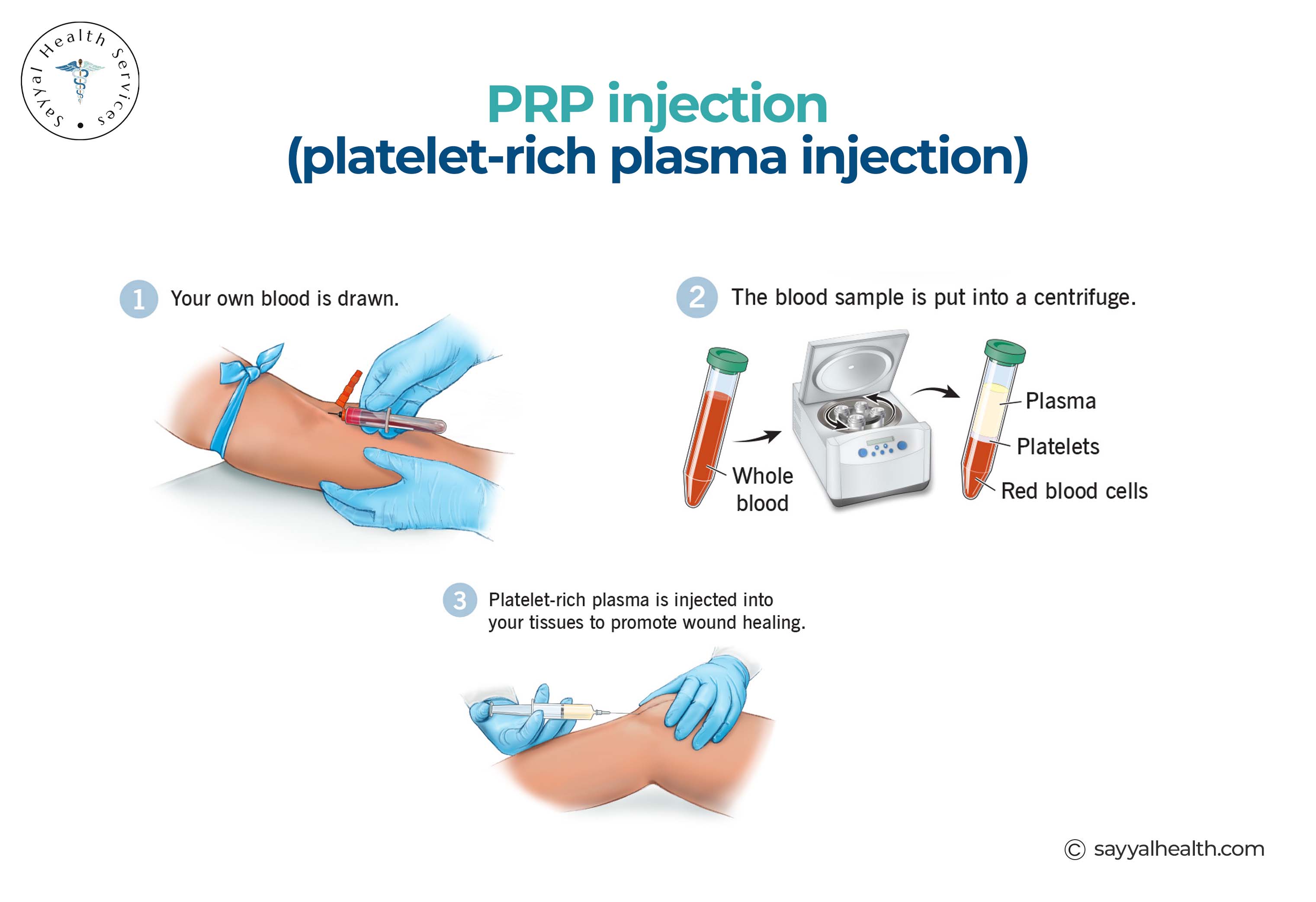
PRP therapy is an autologous method that uses a patient’s own blood to concentrate plasma to heal injuries. It is an alternative to surgery for treating sports injuries.
Athletes have been taking this treatment for years to avoid surgery. It is a less painful treatment that provides lasting results. This treatment has minimal side effects.
Patients choose this treatment over surgery because they do not want to go through the painful surgical treatment. If you are going to take PPR injections, and you want to know what will happen during and after the procedure? Read this blog till the end.
PRP therapy consists of a series of injections depending on injury severity. Doctors inject these injections into the injured area of the patient. It is a platelet-rich plasma that is separated from blood. It is regenerative medicine that promotes tissue regeneration to heal injuries.
PRP therapy has become a popular treatment due to its effective results. It heals joint pain, muscles, and rotator cuff injury. Moreover, it is also good for hair loss treatment and skin rejuvenation. For facial treatment, it is famous as a vampire injection.
Platelet-rich plasma consists of plasma and platelets. Plasma is a fluid portion of blood. It carries the platelets and blood cells all over the body. However, platelets (thrombocytes) are tiny, colourless particles that heal wounds. The concentrated plasma contains growth factors that heal injuries or tears naturally. These growth factors include PDGF, TGF-β, and VEGF. They increase collagen synthesis, regenerate tissues, and promote angiogenesis.
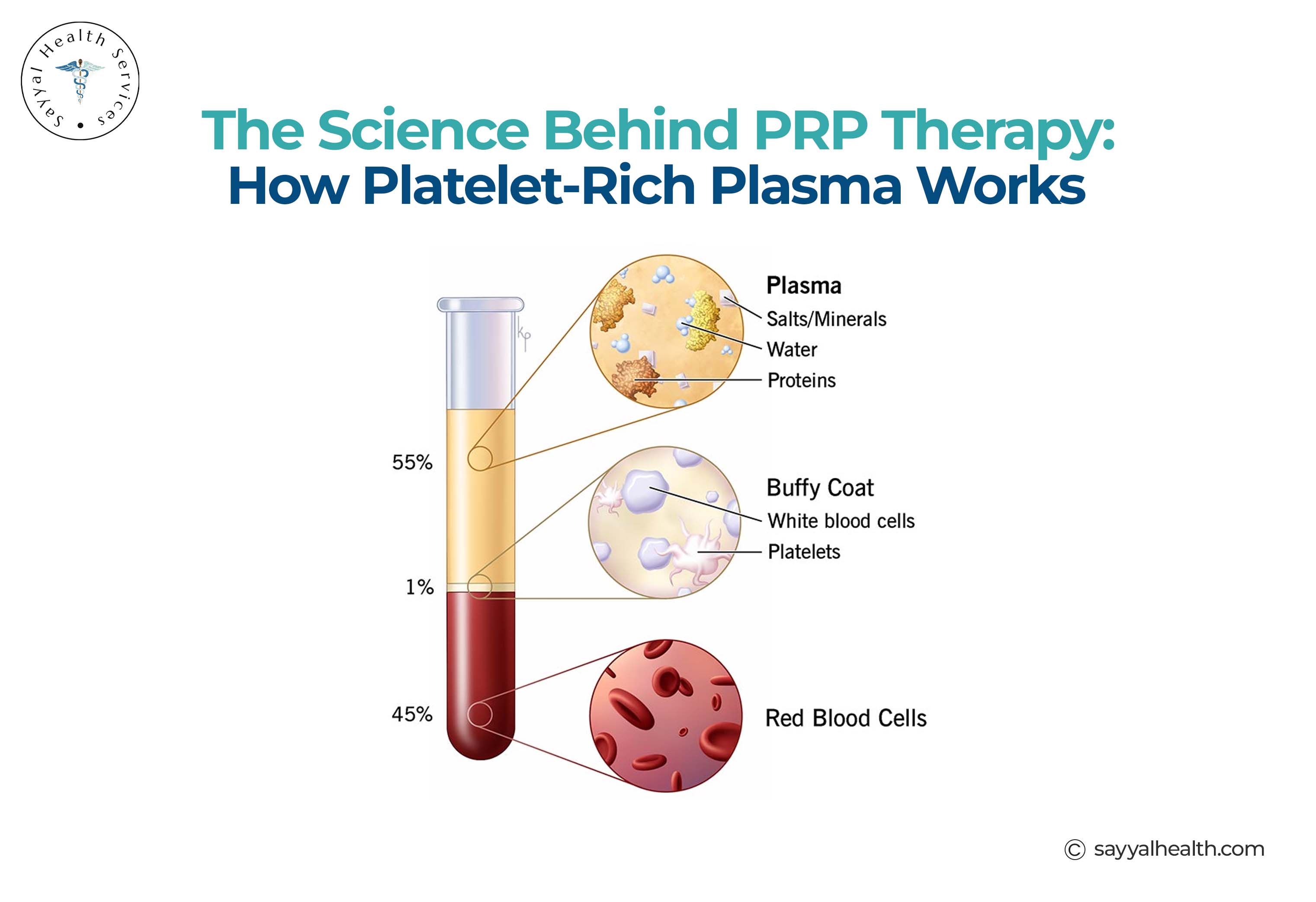
How is PRP injection prepared? First, a healthcare professional will draw blood from the patient in tubes. Then this blood is spun in a centrifuge twice. Blood separates into different components in a centrifuge. It separates into red blood cells, white blood cells, plasma, and platelets. All these components are separate from each other according to their density.
PRP treatment has numerous benefits. It is a cutting-edge regenerative medicine. It painlessly treats tendon injuries, osteoarthritis, muscle injuries, and joint pain. Some of its benefits are
Not every treatment is for every disease or injury. Treatment is only effective when it is right for a disease or injury. Similarly, consider PRP therapy if you have these conditions.
Joint pain is a condition of soreness, pain, and aches. It causes discomfort and limits mobility. Musculoskeletal injuries are common in sportspeople. Tendinitis, bursitis, dislocations, and fractures are types of musculoskeletal injuries. Osteoarthritis is a degenerative disease of cartilage, characterised by gradual degradation.
Rotator cuff injury is a condition of inflamed joints. All these conditions cause pain, stiffness, and limited mobility. If a patient has any one of these conditions, then PRP therapy is useful. Platelet-rich plasma enhances the body's natural healing process with growth factors. It is a nonsurgical method that gives relief to patients from pain.
Before getting the treatment, a comprehensive analysis of the patient is crucial. Diagnosis of the issue helps doctors choose the right treatment. Studies and research have shown that PRP therapy has proven beneficial in treating all these conditions.
PRP therapy is also useful in treating the most common injuries. For example, knee, shoulder, and arthritic knee joints.
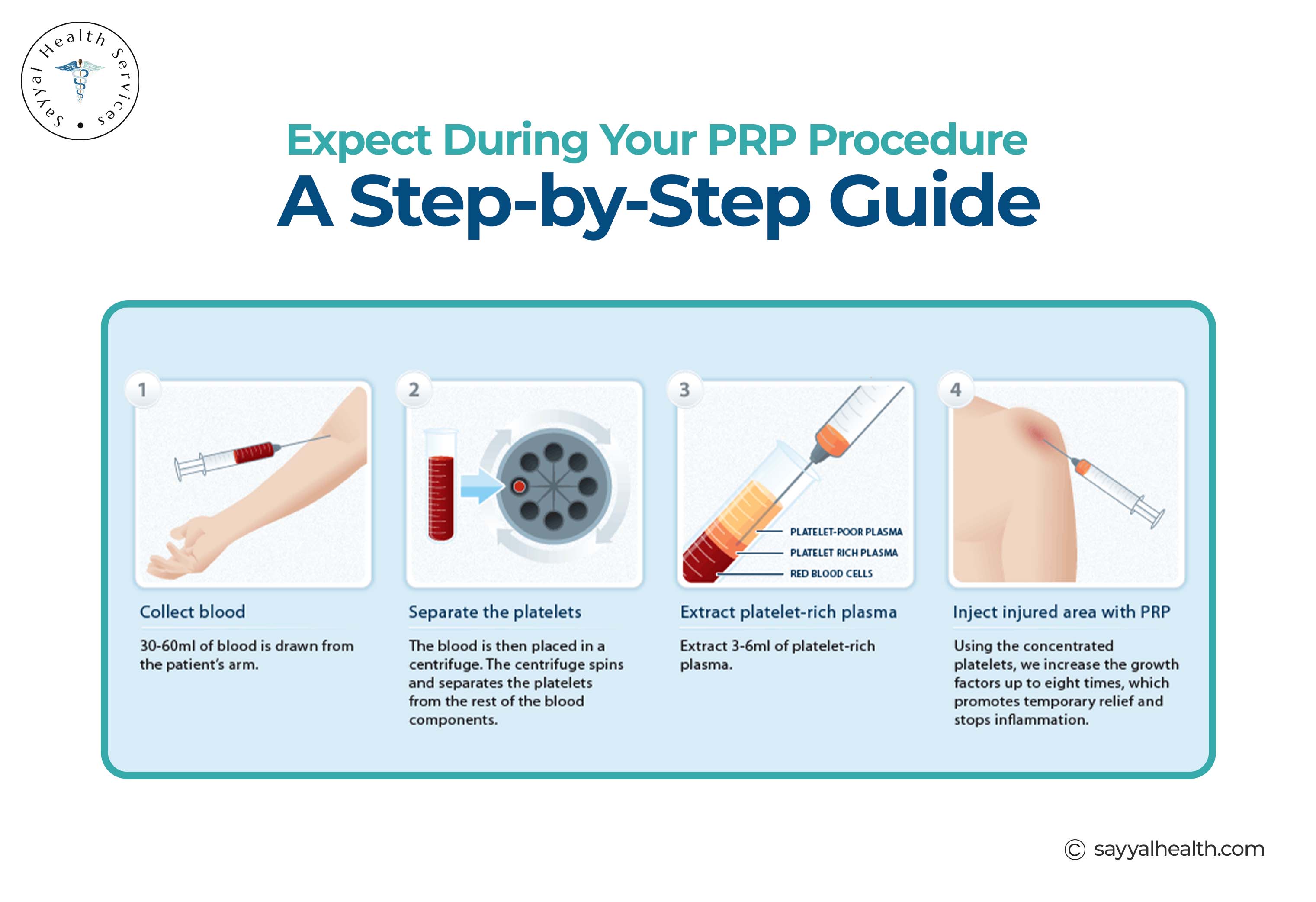
Before starting the procedure, a doctor’s consultation is important. For this purpose, the doctor first evaluates the condition of the patient’s injury. After that, a healthcare provider will draw your blood in the required ml. The drawn blood is spun in a centrifuge. The reason behind spinning blood is to concentrate the plasma. Depending on density, blood separates into different components.
A prepared injection is administered into the patient's injured target area. Generally, doctors perform this treatment under ultrasound guidance. So that they can inject accurately at the injured area. It is a simple two-hour process that reduces the need for hospitalisation. But in some cases, patients go for hospitalisation. Moreover, local anaesthesia is given to the patient for their comfort.
Generally, PRP injections have a low risk of pain. But some patients feel discomfort before and after treatment. This discomfort is like soreness and inflammation. However, it differs from patient to patient according to the condition. Most often, doctors prefer to give local anaesthesia to patients to reduce their discomfort.
Feeling pain is normal, but it is not common. However, it is a temporary condition. Sometimes, it seems confusing for patients to feel pain instead of healing. But it could happen due to inflammation. However, within weeks, the pain reduces.
Overall, PRP therapy is a safe treatment. However, there are some risks and side effects associated with treatment. Risks could be bleeding, infection, damage, and nerve injuries. However, common side effects are swelling, inflammation, discomfort, and pain.
PRP therapy is safer than cortisone and hyaluronic acid. Compared to them, it has less risk of side effects. Nerve injury is one of them, but its probability is less than 0.1%. The reason behind the low risk of PRP is that it is an autologous procedure. It uses the patient's own blood, which minimises risk and side effects.
Post-PRP care is important to maximise recovery and results. A patient should rest on the day of treatment. Patients need to take important precautionary measures. They should avoid NSAIDs, as they can impede the healing process. Moreover, carelessness results in pain, soreness, and inflammation.
It is better to avoid applying ice directly to the injection site. Do not go to the sauna and take hot baths. In addition, do not consume alcohol or smoke.
Excessive consumption of caffeine is also not good. In addition, patients must avoid ibuprofen or other anti-inflammatory medicines. Otherwise, patients feel discomfort instead of healing. For faster recovery and effective results, taking all precautionary measures after treatment is necessary. It is in the best interest of patients if they follow the doctor's advice regarding precautionary measures.
Platelet-rich plasma heals injuries gradually, not immediately. It takes time for a full recovery. Its recovery timeline is around 3-6 weeks.
During the first 48 hours of treatment, the patient can feel discomfort. Within 2-6 weeks, patients start feeling improvement in pain. Moreover, PRP therapy for rotator cuff injury recovery takes 3-6 months. Other injuries also take around 3-6 months for complete healing.
The recovery timelines of patients vary from one another. Full recovery of patients depends on the patient's condition and disease severity. If patients follow all precautionary measures, they recover fully.
Platelet-rich plasma shows promising results for treating various injuries. It differs from patient to patient depending on multiple factors. PRP does not provide immediate relief. However, PPR shows the results within weeks, which lasts for years.
Cortisone provides immediate relief, and it lasts for a few weeks or months. On the other hand, PRP starts healing gradually, but it takes 1-2 years.
PRP has shown incredible results in treating tendonitis, joint pain, and rotator cuff injury. In sports injuries, its results are quite effective. Owing to its effectiveness, sportspeople choose PRP over surgery. Because it is a less painful process that actually heals numerous elbow, knee, and shoulder injuries. Overall, patients recover fully within 3-6 months.
Always keep in mind that PRP is not for everyone. PRP is right for you if you do not want surgery. It is right for treating osteoarthritis, especially knee OA. It works best for ligament injuries, tendon injuries, and musculoskeletal conditions.
PRP treatment is right for you if you want to manage pain and reduce inflammation. However, before treatment, the doctor will do a full evaluation of the patient. Your medical history, present condition, and severity of injuries all matter for eligibility for treatment.
Doctors will advise you on this treatment after careful assessment. However, in some cases, they may not suggest it to you. That’s why it is crucial for patients to seek medical experts before treatment.
Platelet-rich plasma is an alternative treatment to surgery. Other traditional methods for treating injuries include icing, hyaluronic acid and RICE. These are non-surgical treatments that are used for treating knee injuries, shoulder injuries, arthritis and rotator cuff injuries.
RICE is a traditional method that includes rest, ice, compression and elevation. This treatment is quite useful for full recovery and restarting the daily activities of patients. However, when and why a patient chooses PRP over surgery and other traditional methods.
Athletes often face injuries during practice or a match. Bone fractures, tendonitis, sprains, and muscle injuries are common. These injuries can be mild or severe. Due to these injuries, pain becomes severe, limiting the daily activities of athletes. These injuries will become severe if they do not heal properly. Commonly, athletes choose traditional methods at home for recovery. However, proper medical treatment is important to avoid any complications in the future.

Platelet-rich plasma provides better results in treating these injuries. It has been seen that athletes are now opting for PRP treatment for faster recovery. Platelet-rich plasma consists of growth factors that enhance the natural healing process of the body. Growth factors such as PDGF, VEGF and TGF-α increase collagen production, cell proliferation and angiogenesis. As a result, the injury starts healing naturally.
PRP therapy is more expensive than traditional treatments. The average cost of PRP therapy for sports injuries and other conditions ranges from $500-$2500. However, its price varies depending on the number of sessions. Unlike other treatments, PRP is not fully insured. It means the patient has to bear the expenses of treatment. Despite its benefits, it is still considered experimental. Moreover, most people get this treatment for cosmetic purposes. For example, hair growth, facelift and skin rejuvenation. Cosmetic treatment is one reason PRP does not get insurance.
What does PRP mean?
PRP is a short form of platelet-rich plasma. It is obtained from the patient's own blood by separating all components. For treatment, a healthcare person draws blood of 20- 30 ml, depending on the requirement. Blood is spun in a centrifuge to separate plasma. All components separate according to their density. After spinning a second time, platelet-rich plasma is collected at the centrifuge. This PRP is beneficial for healing multiple diseases as it contains important growth factors.
How Painful is a PRP injection?
PRP injection is generally painless. In some cases, patients can feel pain and discomfort during the procedure. However, it is a temporary pain that heals within days. In addition, it is common for patients to feel swelling and soreness at the injection site after treatment. The feeling of pain, discomfort, swelling and soreness depends on the patient's condition and treatment method.
How much does PRP last?
This is one of the most common questions that every patient asks. However, it depends on multiple factors. Generally, PRP treatment lasts from 6 months to 2 years.
Why no caffeine after PRP treatment?
It is better to avoid caffeine after a treatment. Because caffeine slows down the healing process. It causes bruises and reduces blood flow to the treatment area.
What is the downside of Platelet-rich Plasma?
Overall, PRP treatment is safe without any risk. It has minimal side effects as it is an autologous process. But still, there are some risks associated with it that have less than 0.01% chance.
Why is PRP expensive?
It is expensive due to specialised equipment and varied costs in clinics. One thing that makes this treatment expensive is the lack of insurance.
Last but not least, PRP therapy is a useful treatment for arthritis, joint pain, and musculoskeletal conditions. It is a non-surgical treatment that athletes prefer for sports injuries. Having the ability to heal injuries naturally, this treatment is becoming popular. It provides limited lasting results by managing pain and reducing inflammation. It is less harmful as the patient's own blood is used to get plasma.
The presence of growth factors regenerates tissues and increases collagen production. Also, by promoting angiogenesis (the formation of new blood vessels), it strengthens the natural healing process of the body. For lasting results in managing pain effectively, PRP therapy is better than traditional treatment.
Book a consultation now with Sayyal Health if you are looking for a PRP specialist.
Your feedback helps us create better content for everyone.