Contact Person:Dr. Safwan Sayyal
Working Hours:Mon - Fri: 9:00 AM - 5:00 PM
Contact:info@sayyalhealth.com

Published: October 8th, 2025Last updated: September 23rd, 2026
Do you know that Australia has the highest rate of skin cancer? Stats show that every two in three people in their lifetime are diagnosed with skin cancer. It is very common in Australia that every year, around 2000 people die from skin cancer. That's why it is called the national cancer in Australia.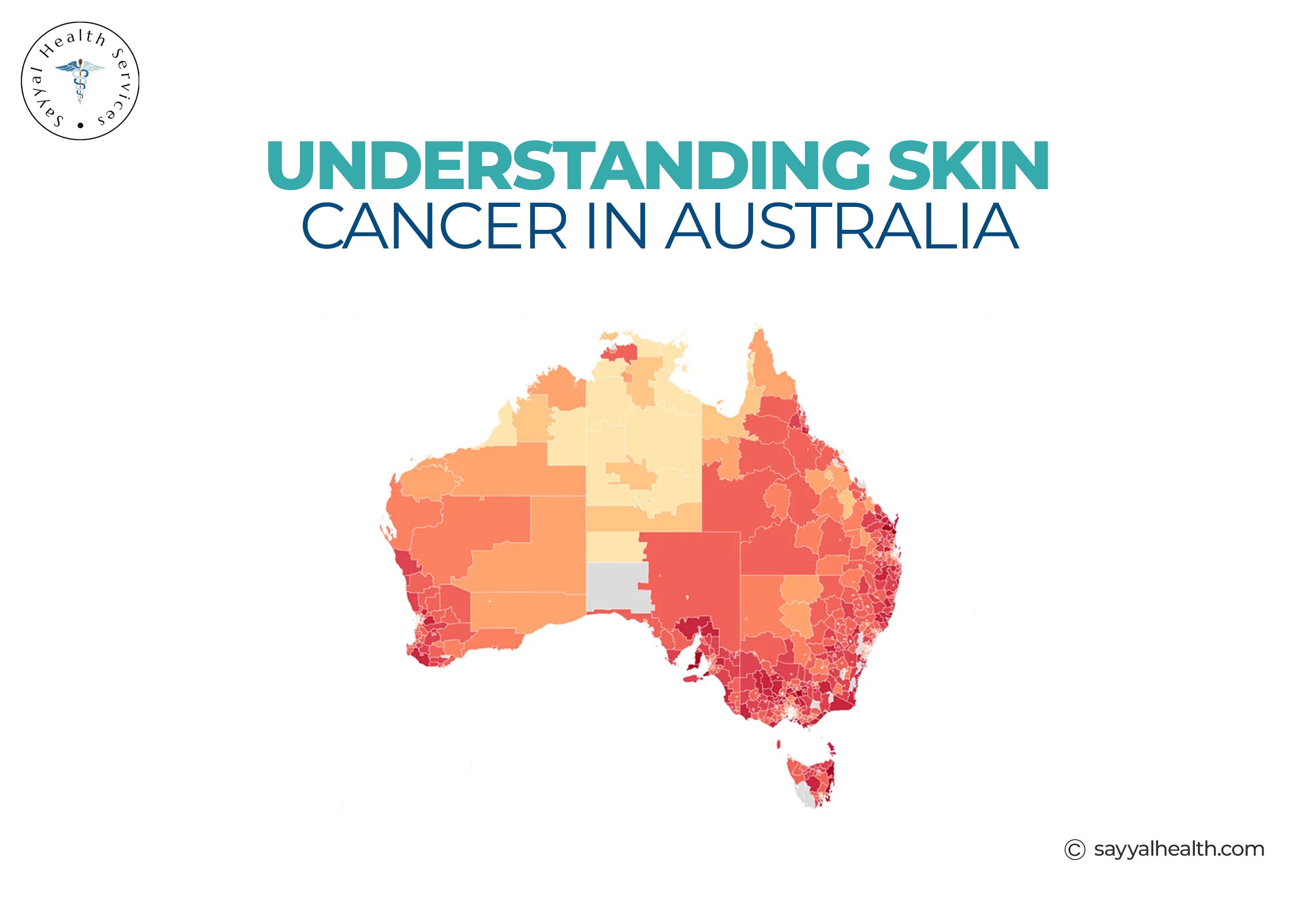
Skin cancer occurs when abnormal growth of cells starts. These cells destroy the healthy body cells and spread to other parts of the body. It happens in exposure to ultraviolet light. It develops when the genetic material of the skin's DNA is damaged, leading to the multiplication of cancerous cells.
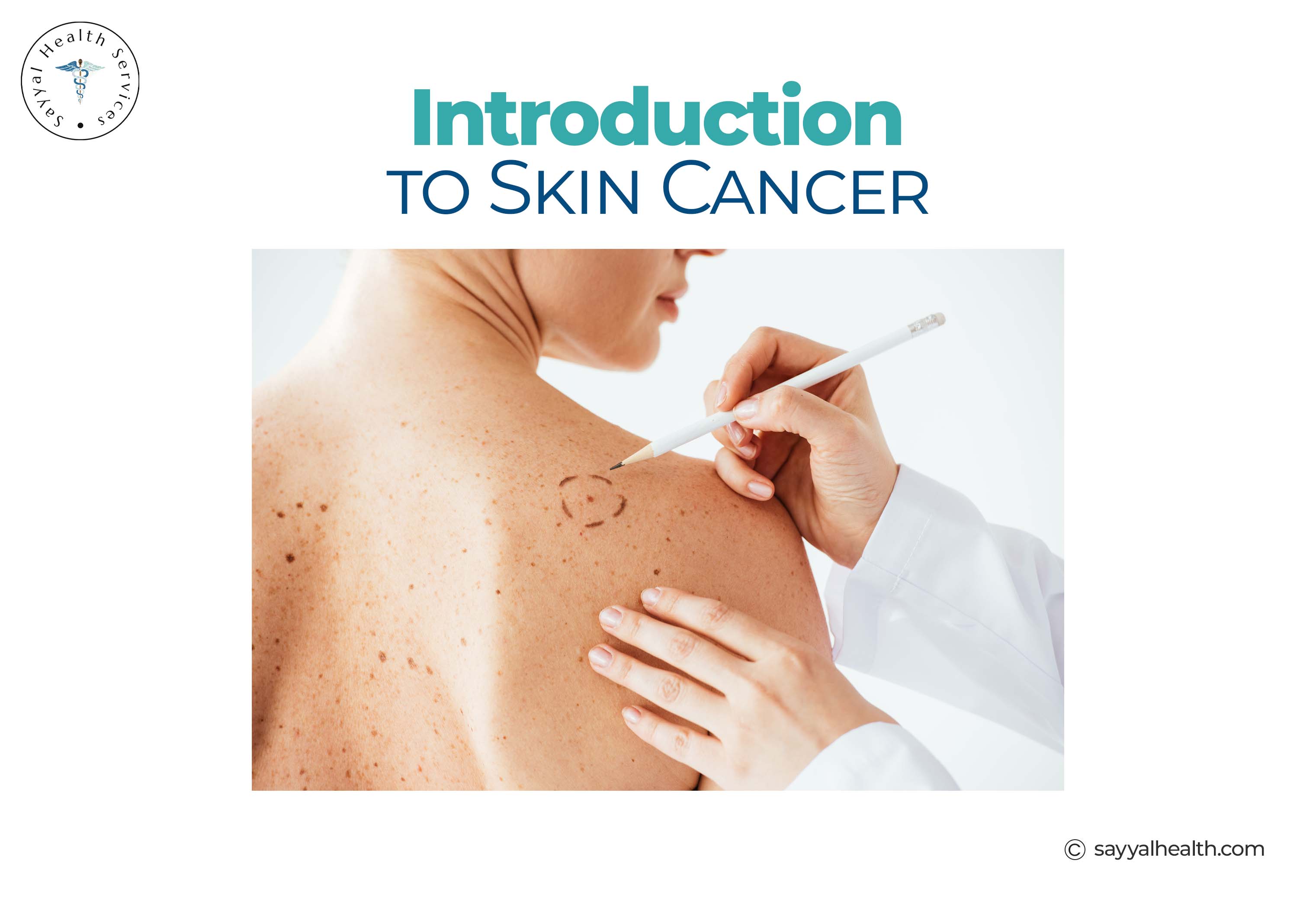
There are multiple causes of the high rate of skin cancer in Australia. These reasons include excessive exposure to the sun, as the sun is closer to the Southern Hemisphere. Moreover, Australian people are of European descent and have fair skin. Having fair skin is also one reason for the high rate of skin cancer, as they are more prone to cancer. Outdoor activities such as outdoor work and beach activities. The details of the high rates of skin cancer in Australia are:
Australia is closer to the equator. It means that the sunrays are more intense in this area. Australian people have more exposure to dangerous ultraviolet rays.
Australian people have fair skin that is more prone to skin cancer. Lighter skin lacks melanin, which makes it easier for ultraviolet rays to damage the skin.
Australians spend most of their time outdoors. They love to spend their time at the beach, enjoy beautiful scenery and play sports.
The risk of sunburn in Australia is high. Each year, especially in summer, the risk of sunburn increases. Individuals with light brown or pale skin and blonde or red hair are at higher risk of sunburn.
Skin is the largest organ of the human body. It has several layers with two main layers. These two main layers are:
Skin cancer often starts from the outer layer (epidermis). This layer also consists of three cells. These three cells are:
Squamous cells are thin, flat cells that form the epidermis' top layer. In addition, basal cells are round cells under the squamous cells. Moreover, melanocytes are the cells that are found in the lower part of the epidermis and make melanin that gives skin its colour. Melanocytes cause skin cancer when they make more pigment in exposure to the sun.
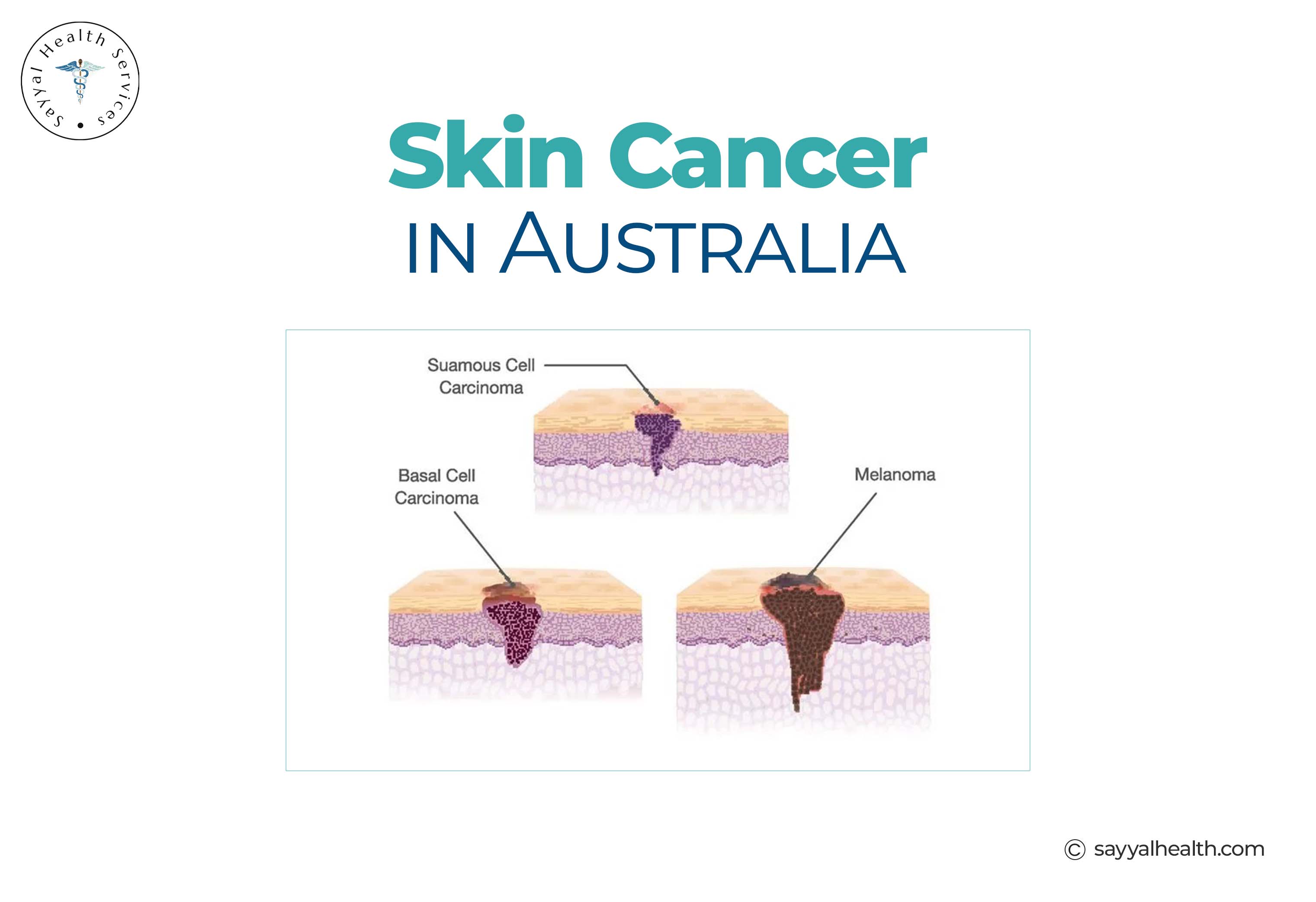
Melanoma starts from the melanocytes of the skin. It typically starts from the most exposed part of the body. For example, arms, legs, face and back. The primary causes of melanoma are:
The exact cause of melanoma is still unknown. However, excessive exposure to ultraviolet rays causes melanoma. The risk increases with an increase in age. However, it is also becoming common in people under 40 years of age, especially in women.
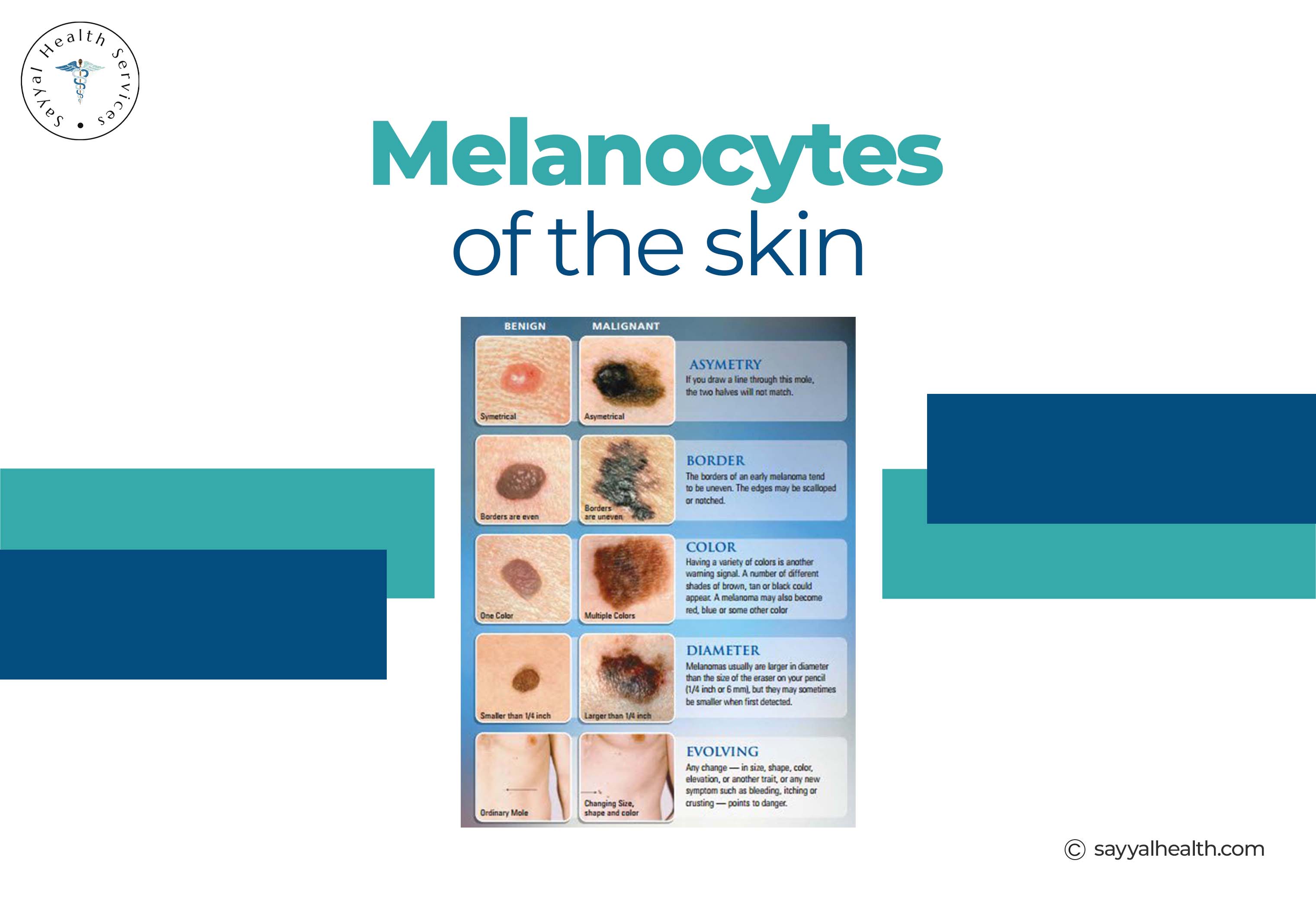
The most common type of skin cancer is basal cell carcinoma. It results from the basal cells abnormal growth in the epidermis. It affects any person. However, it is most common in older people. Basal cell carcinoma often occurs in older people. BCC often looks like a scaly flat patch and a shiny bump. There are four types of basal cell carcinoma:
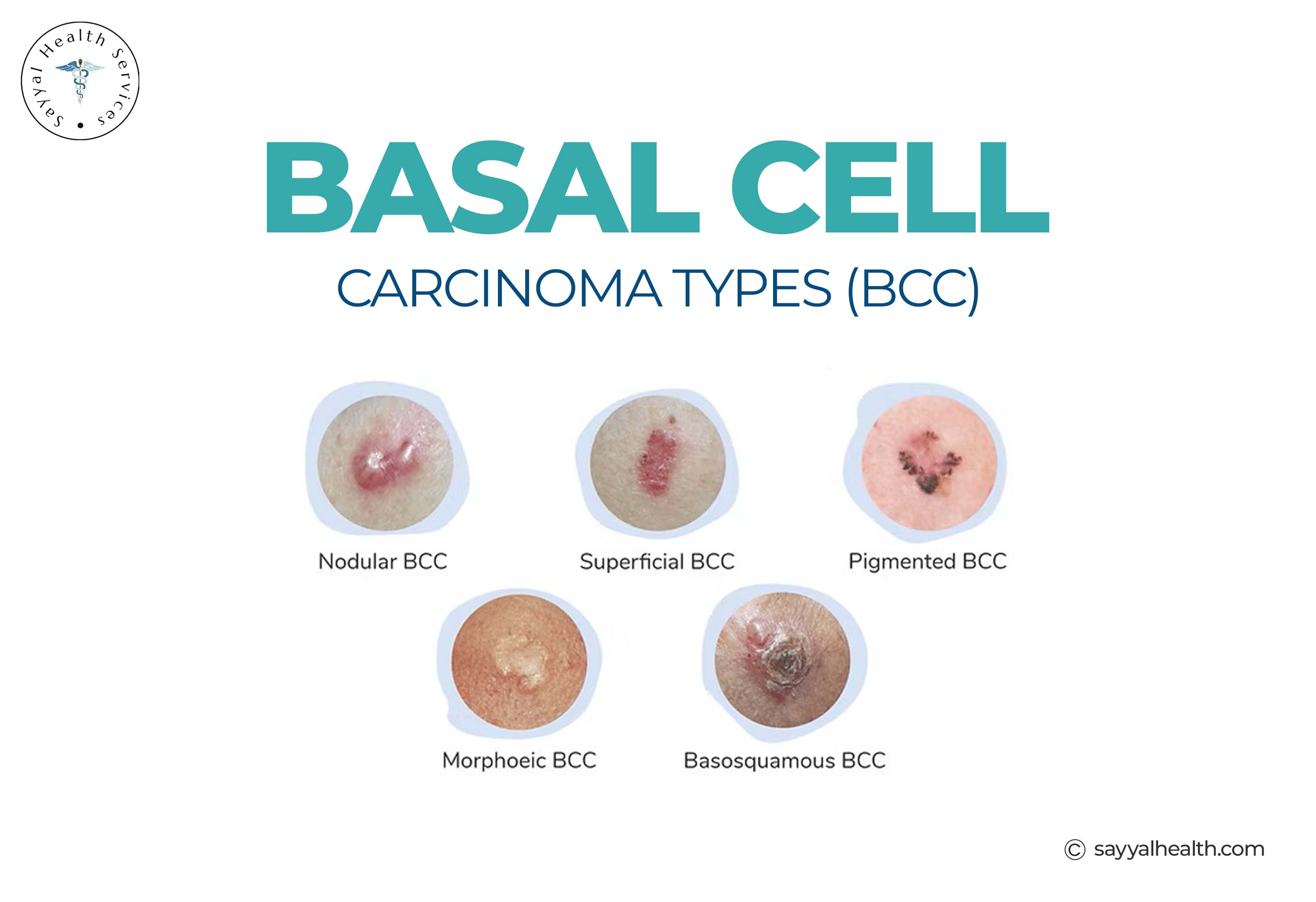
The most common type of BCC is nodular. BCC nodular looks like a round pimple. These pimples are visible with red blood cells. Superficial spreading causes lesions (damage) on the skin.
Small and shallow patches on the skin that are lighter than the skin colour. They often form on the legs, arms and torso. In addition, sclerosis (morpheaform) is the cancerous cells that look like scars.
Squamous cell carcinoma starts in the squamous cells. Squamous cells are the middle and outer layers of skin. It is also a common skin cancer type. This type is not dangerous; however, if it is left untreated, it can cause danger.
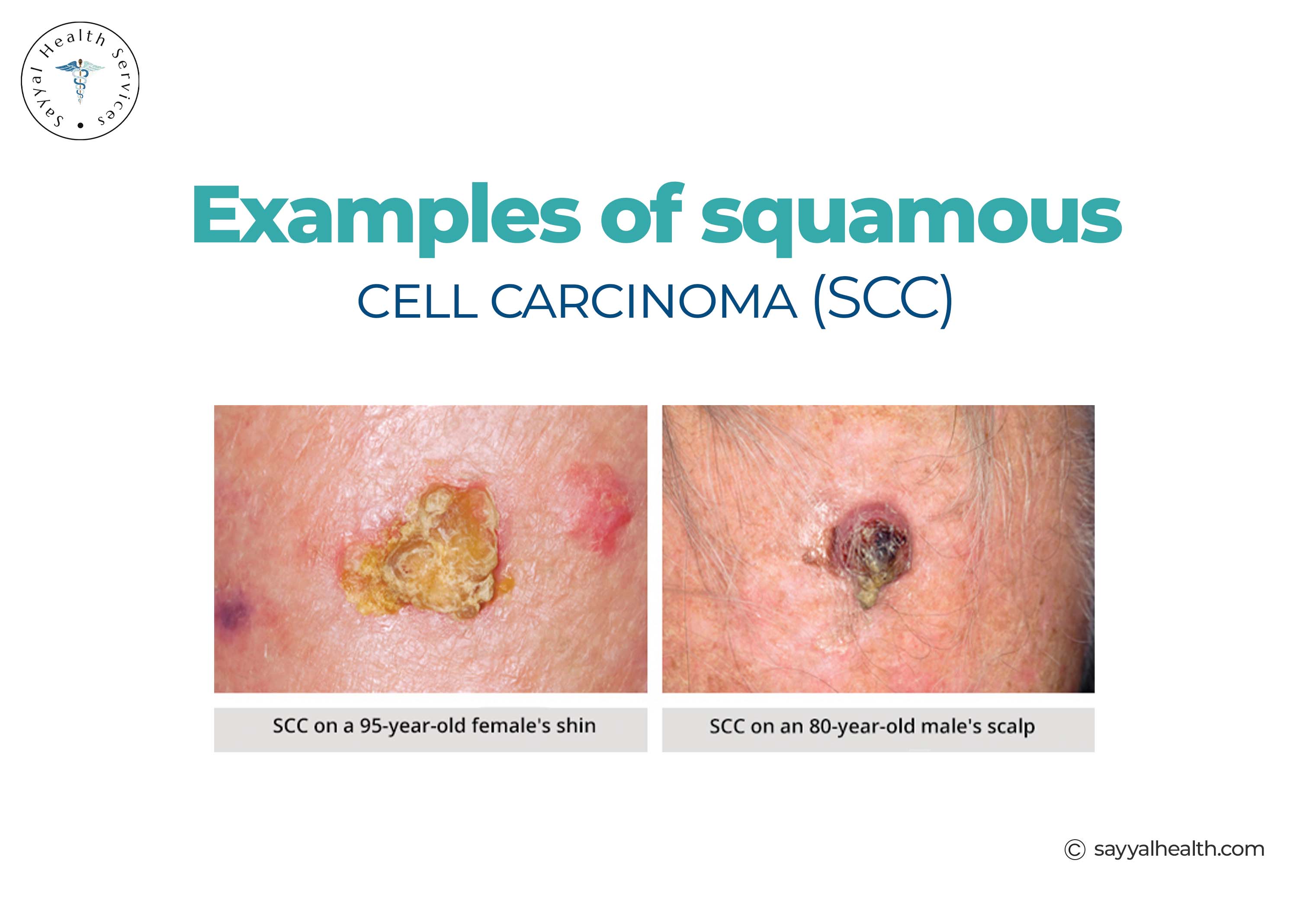
Overall, there are three common types of skin cancer. However, other types are:
Most often, we ignore the signs and symptoms of skin cancer. The moles and unusual spots that we often consider normal are actually an indication of skin cancer. However, the warning signs are the growth of new moles and changes in colour and size. The warning signs and symptoms of skin cancer are given here:
Skin lesions or moles that look different from others on your skin in skin colour, shape, and size. Being different from other moles or signs is an indication of potential cancer.
Areas of the skin that are rough and dry appear as scaly and red patches. They are an indication of squamous cell carcinoma.
Shiny and pearly bumps on your skin also indicate cancer. They look like pink, flesh, red, and brown colours.
The spot of the skin that often bleeds. These are the tiny red or purple spots and the largest spots on the skin.
Those spots on the skin that cause pain. However, it is not always that they are a sign of cancer. But it is crucial that you should consult a doctor in this regard.
Persistent spots are those spots, patches and growths of skin that do not heal. These are cuts and wounds that do not fully heal.
Skin cancer is a preventable disease. Any person can get rid of it by following the proper method. Australians can prevent the danger of skin cancer by following the slip, slop, slap, seek and slide method.
The skin screening involves the examination of the body from head to toe to find suspicious moles and lesions. It is a professional checkup to detect abnormalities in the skin. Most often, dermatologists do the screening of the skin.
However, general practitioners also perform the screening of the skin. In a nutshell, treatment teams involve the general practitioner, dermatologist, surgeon, and radiation or medical oncologist. But it is not necessary that all these professionals deal with patients. Each professional deals with patients according to the treatment requirements.
Early detection is crucial in preventing skin cancer. That’s why it is crucial for Australians to do regular skin cancer checks. Sayyal Health provides the best skin cancer treatment services in gregory hills.
This blog concludes that Australians are at high risk of skin cancer. However, it is preventable if detected early and precautionary measures are taken. The reasons for high risks are geographical location, demographics, and fair skin. Moreover, the normal spots and growth of skin cells that we often ignore indicate skin cancer.
How does skin cancer look?
Non-healing sores, scaly patches, and abnormal cell growth. They also look like a shiny lump, a waxy bump and a wart-like growth.
Can you die from skin cancer?
If skin cancer is left untreated, it can lead to death. The malignant form of melanoma and advanced squamous skin cancer cause death.
How to Check if it is Skin Cancer?
Perform a full body examination to spot the suspicious skin cancer cells. Look for the ABCDE of melanoma. Here, ABCDE means:
What country has the highest rate of skin cancer?
Australia has the highest rate of skin cancer in the world. Melanoma is most common in Australia. However, in 2022, countries such as the UK, Germany and the United States have also reported high cases of cancer.
Your feedback helps us create better content for everyone.