Contact Person:Dr. Safwan Sayyal
Working Hours:Mon - Fri: 9:00 AM - 5:00 PM
Contact:info@sayyalhealth.com







Published: March 19th, 2026Last updated: September 23rd, 2026
We have all been there. You spend a beautiful day outdoors, maybe at the beach, on a hiking trail, or just working in the garden. You feel fine at the moment. But two or three days later, you look in the mirror and notice your skin peeling off like old wallpaper.
It is itchy. It looks terrible. And no matter how hard you try to leave it alone, your fingers keep reaching for those loose edges.
Sunburn and peeling skin are one of the most common skin complaints during the summer months. Yet most people do not fully understand what is actually happening under the surface. Why does skin peel after sunburn? Is your body trying to tell you something? And is there a real way to stop it from happening?
Peeling skin from sunburn
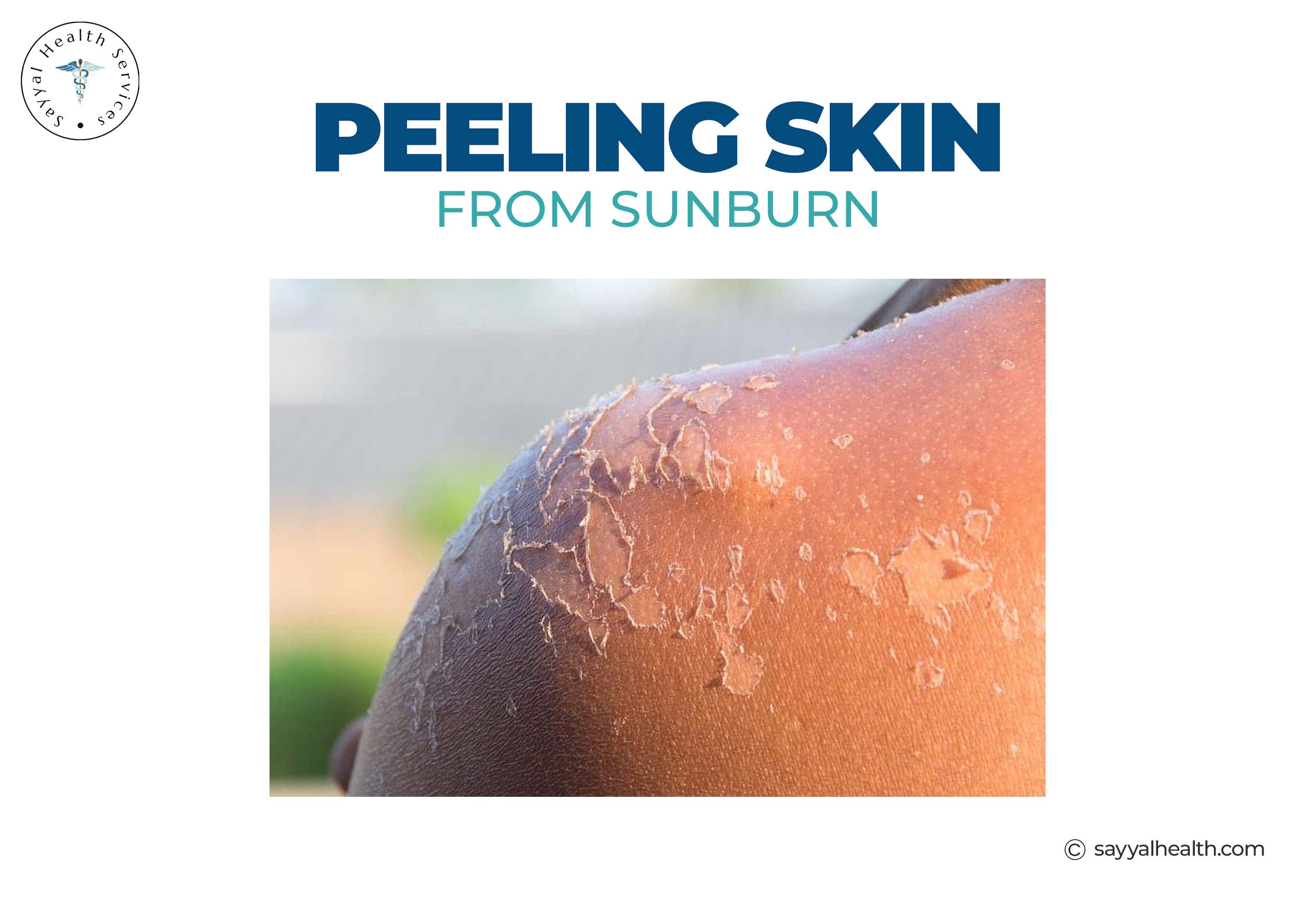
The answer to all three questions is yes. Your skin is sending you a message; there is a biological reason behind every flake, and there are proven ways to manage it.
Read this blog till the end to learn why sunburn turns your skin red and how to treat peeling sunburn on the scalp and face. Whether you burnt on vacation or just forgot to reapply sunscreen during your afternoon run, this article has you covered.
Most people think of sunburn as just a surface-level inconvenience. In reality, it is your body going into full repair mode after a UV attack.
The red colour of your skin is not just irritation. It is your immune system showing up to do a job.
When UV rays from the sun hit your skin, they penetrate into the outer skin layer called the epidermis. Once inside, UVB rays in particular begin damaging the DNA of individual skin cells. Your body detects this damage almost immediately and triggers an inflammatory response.
Blood vessels near the skin's surface widen to allow more blood flow to the area. White blood cells rush in to assess and repair the damage. Sunburn looks like red, warm, tender skin that hurts when you touch it.
Skin turns red when sunburnt
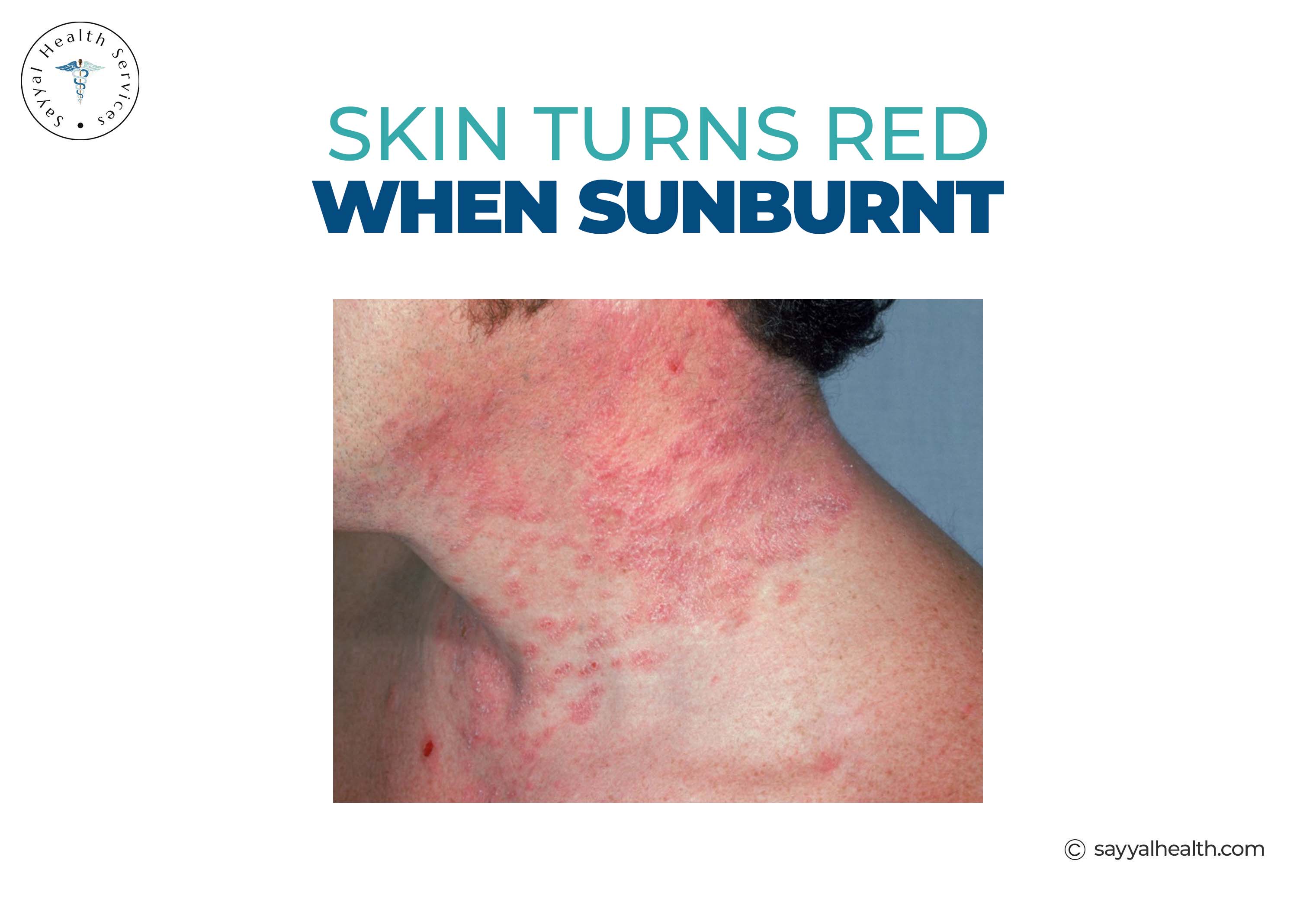
According to the Skin Cancer Foundation (2024), this response is your body's attempt to contain UV damage and begin the healing process. It is the same mechanism your body uses when it fights an infection or heals a bruise.
Here is what happening at the cellular level when your skin turns red:
The redness usually peaks around 12 to 24 hours after sun exposure. After that, the real drama begins.
Once your immune system has assessed the UV damage, it faces a decision. Some skin cells can be repaired. But cells with seriously damaged DNA cannot be fixed. If those broken cells are left in place, they could mutate over time and eventually lead to skin cancer.
Your body triggers a process called apoptosis. This is essentially a built-in self-destruct sequence for damaged cells. When the cell receives a signal, it stops functioning, and it breaks down in a controlled way.
After apoptosis occurs across thousands of damaged cells, those dead cells accumulate just beneath the surface of your skin. They dry out. They lose their attachment to the healthy new cells forming underneath. And then they begin to shed. Actually that shedding is peeling skin after a sunburn.
The Cleveland Clinic (2023) notes that this peeling usually starts between three and eight days after sun exposure. How long it lasts depends on how badly your skin was burnt in the first place.
Here is the step-by-step process that leads to peeling:
The old and damaged skin material gets stripped away so something healthier can take its place.
Construction workers and farmers who spend full days outdoors without head protection often develop peeling sunburn on the scalp within just a few days. Their scalp skin is thin and constantly exposed. The same thing happens to beachgoers who fall asleep in the sun. Tanned skin peeling after a long beach day is simply the body doing exactly what it is designed to do.
Sunburn can affect any exposed area, but some spots tend to peel more severely than others. This usually comes down to skin thickness, how much of that area was exposed, and how much sunscreen was applied.
Here are the most commonly affected areas:
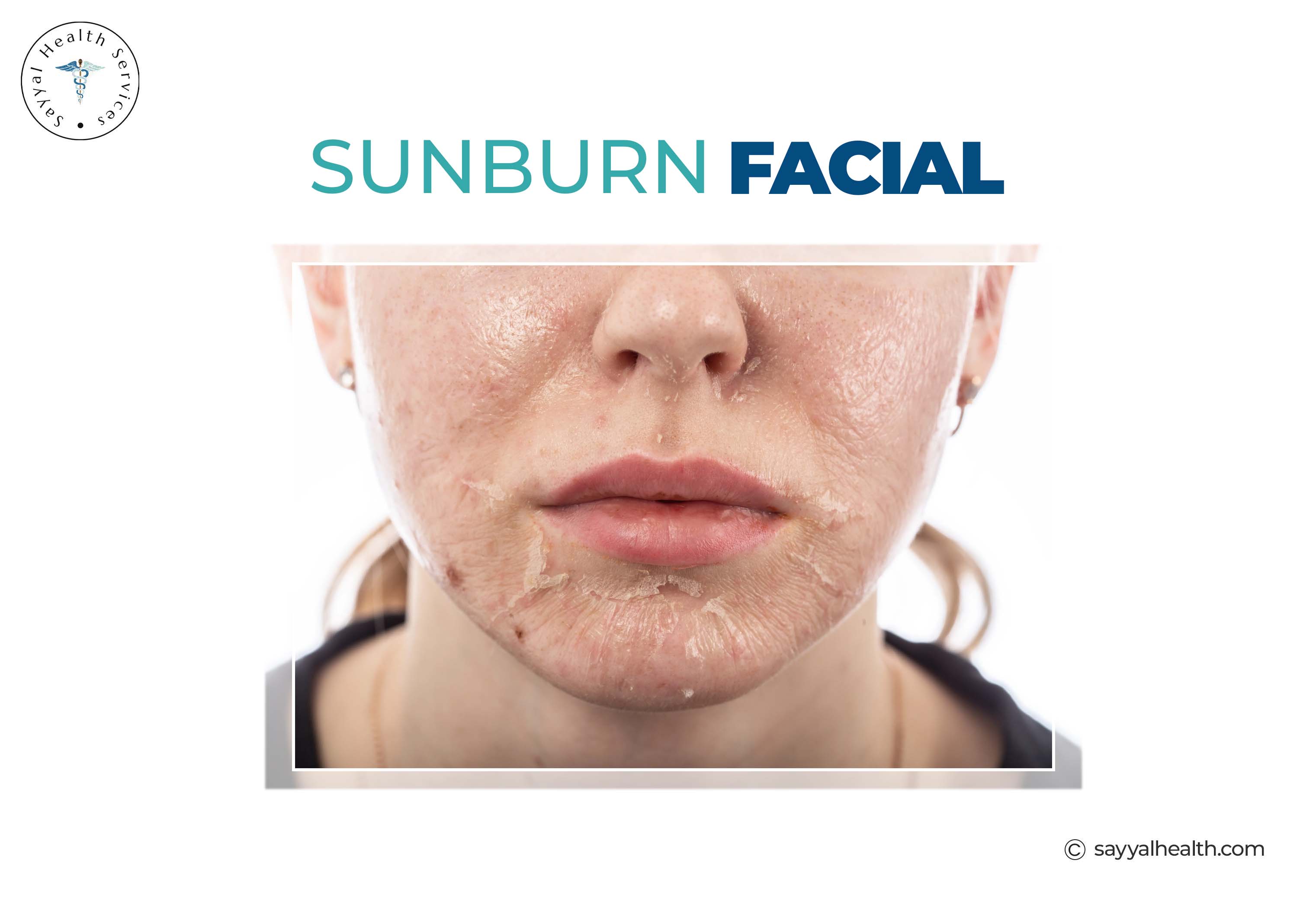
Sunburn Facial
Peeling of skin on the shoulders and upper back
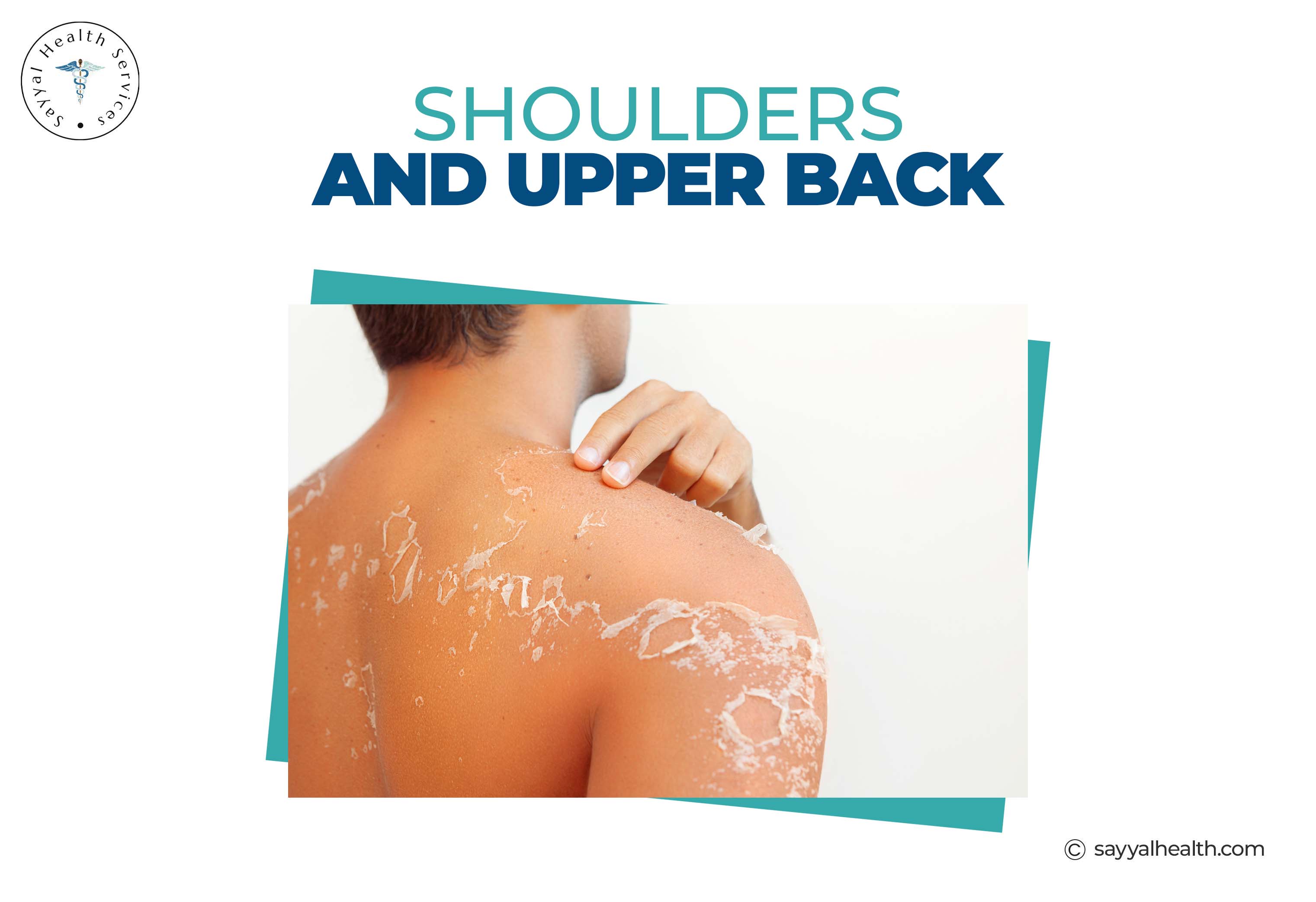
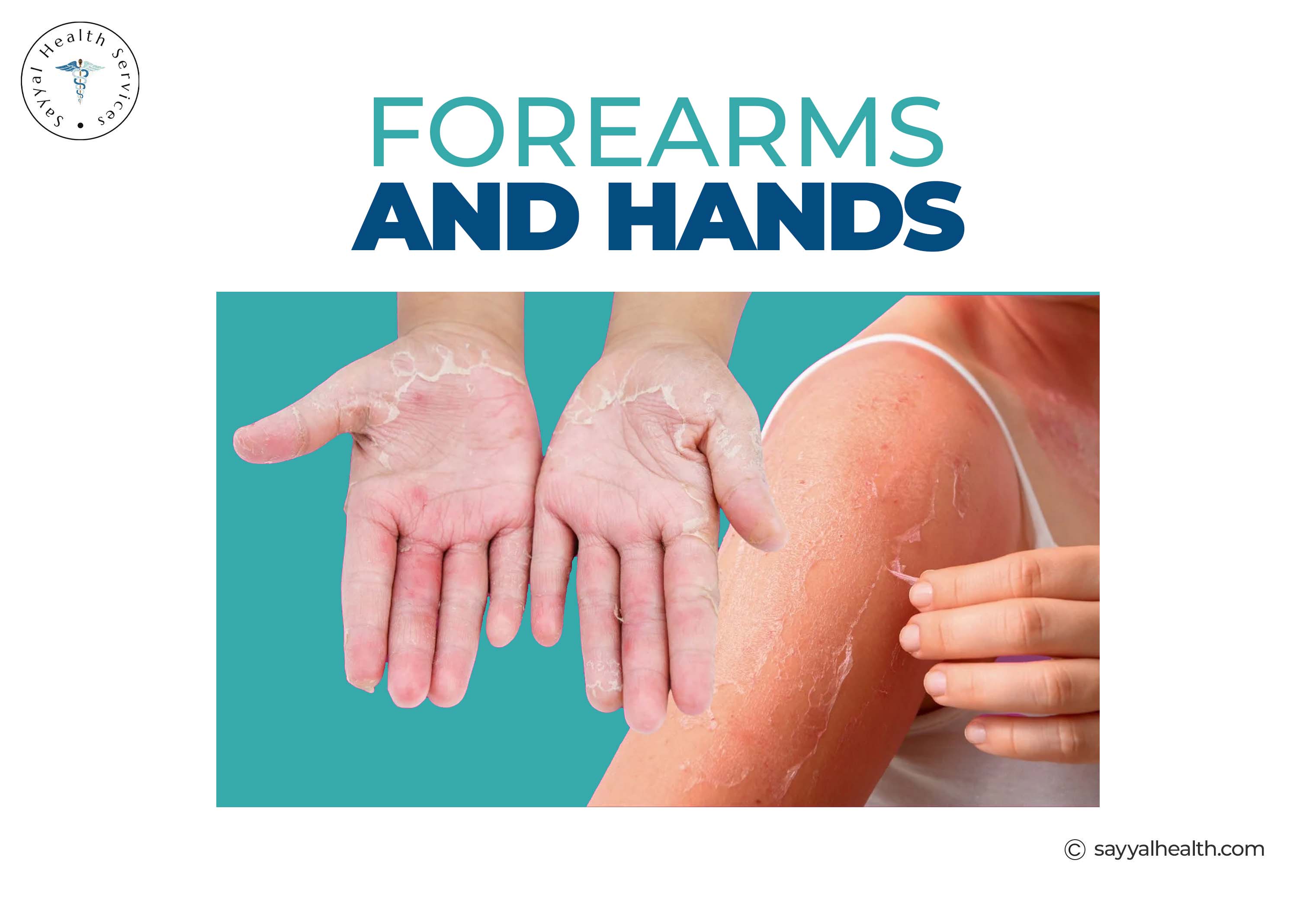
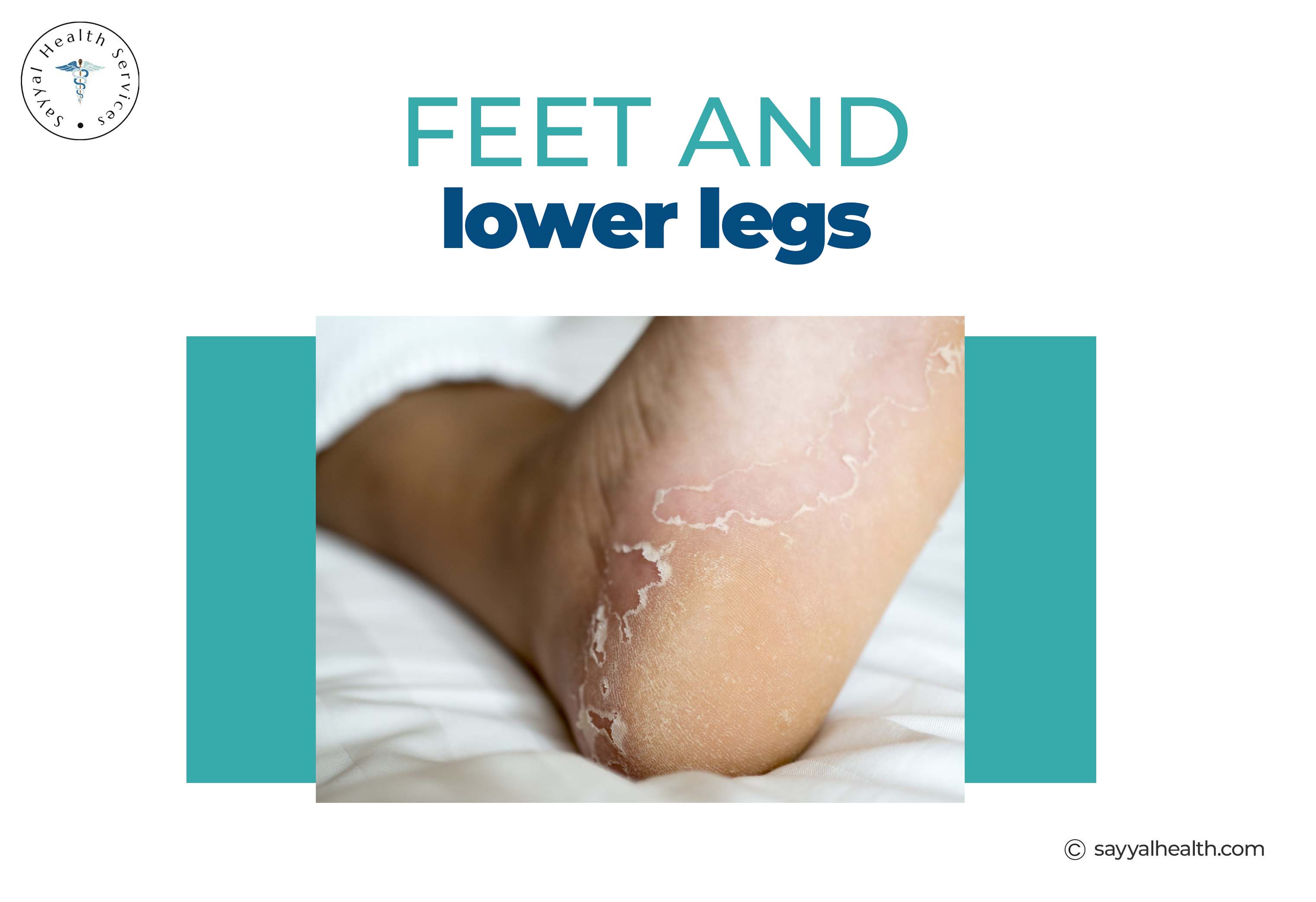
Regardless of where the peeling happens, the biological reason is always the same. UV damage, cell death, and shedding. Location just changes how visible and uncomfortable the process feels.
You can stop the sunburn from happening at all. Peeling after sunburn cannot happen if there is no sunburn in the first place.
Building good sun habits does not require a complicated routine. These five steps cover the basics:
If you catch a sunburn early, you can significantly reduce how much your skin peels afterwards. Act quickly to avoid sunburn.
Once peeling has started, your goal shifts from prevention to damage control. You cannot stop the process entirely, but you can make it faster, less uncomfortable, and less damaging to your skin.
Treating peeling skin does not need to be expensive or complicated. These steps work:
A lot of people wonder whether scrubbing off the peeling skin will speed up the process and make it look better faster. It feels logical. But it is the wrong move. The Main Question is "Can you exfoliate sunburn peel?". Then the answer will be:
You should not exfoliate when peeling from sunburn. Peeling skin, as uncomfortable as it looks, is still doing a job. It is protecting the raw, sensitive new skin forming underneath. Removing it forcefully before it is ready to go exposes that tender layer too early.
Forced exfoliation while peeling can lead to skin tears, bacterial infection, increased sensitivity, and, in some cases, scarring.
The Mayo Clinic (2024) specifically advises against picking or scrubbing peeling sunburnt skin for exactly these reasons.
Let the skin peel on its own timeline. It knows what it is doing.
Following these guidelines keeps your skin healing on track:
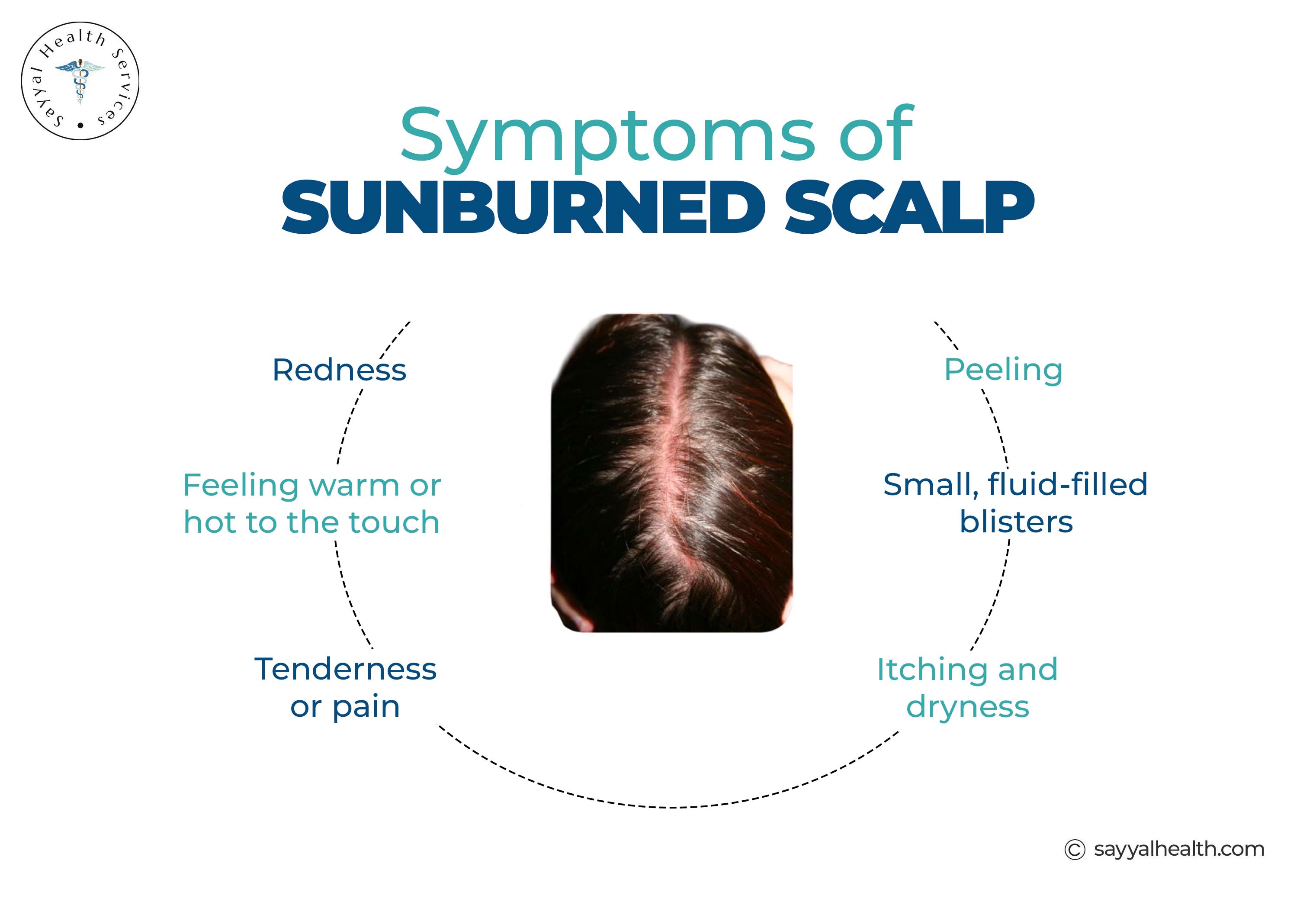
The scalp is one of the trickiest areas to treat because hair makes it hard to apply and absorb products properly. Scalp flaking from sunburn can also fall onto clothing and look just like dandruff.
Scalp flaking from sunburn
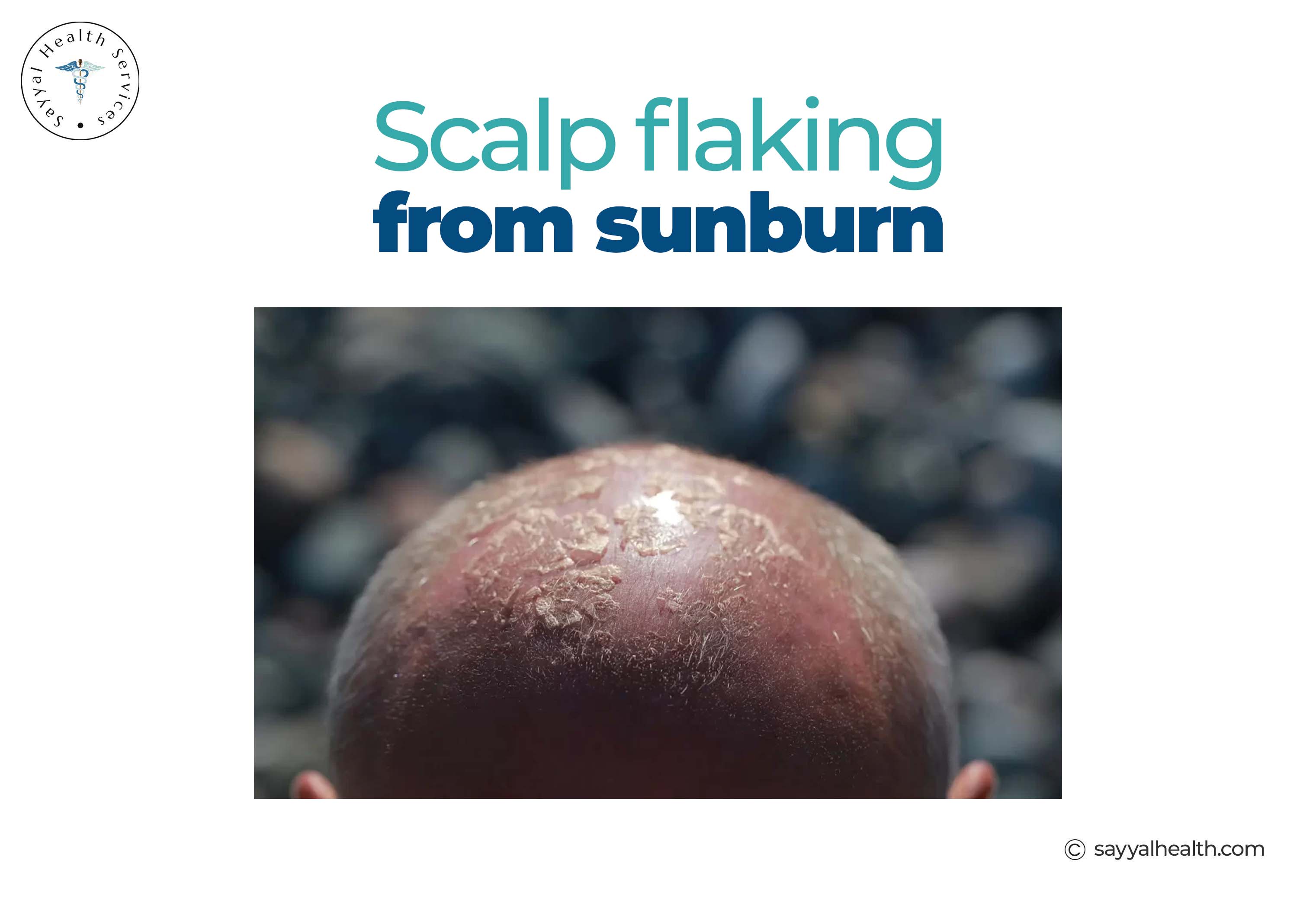
Here is how to handle it:
Sunburn facial peeling requires a gentler touch than body peeling. The skin here is thinner, more reactive, and more visible.
Skip your usual active skincare products entirely while your face heals. That means no retinol, no exfoliating scrubs, no vitamin C serums, and no AHAs or BHAs. These ingredients, which are normally beneficial, become harsh irritants on compromised skin.
Sunburn Facial Peeling
Stick to a basic three-step routine:
That is all your face needs right now.
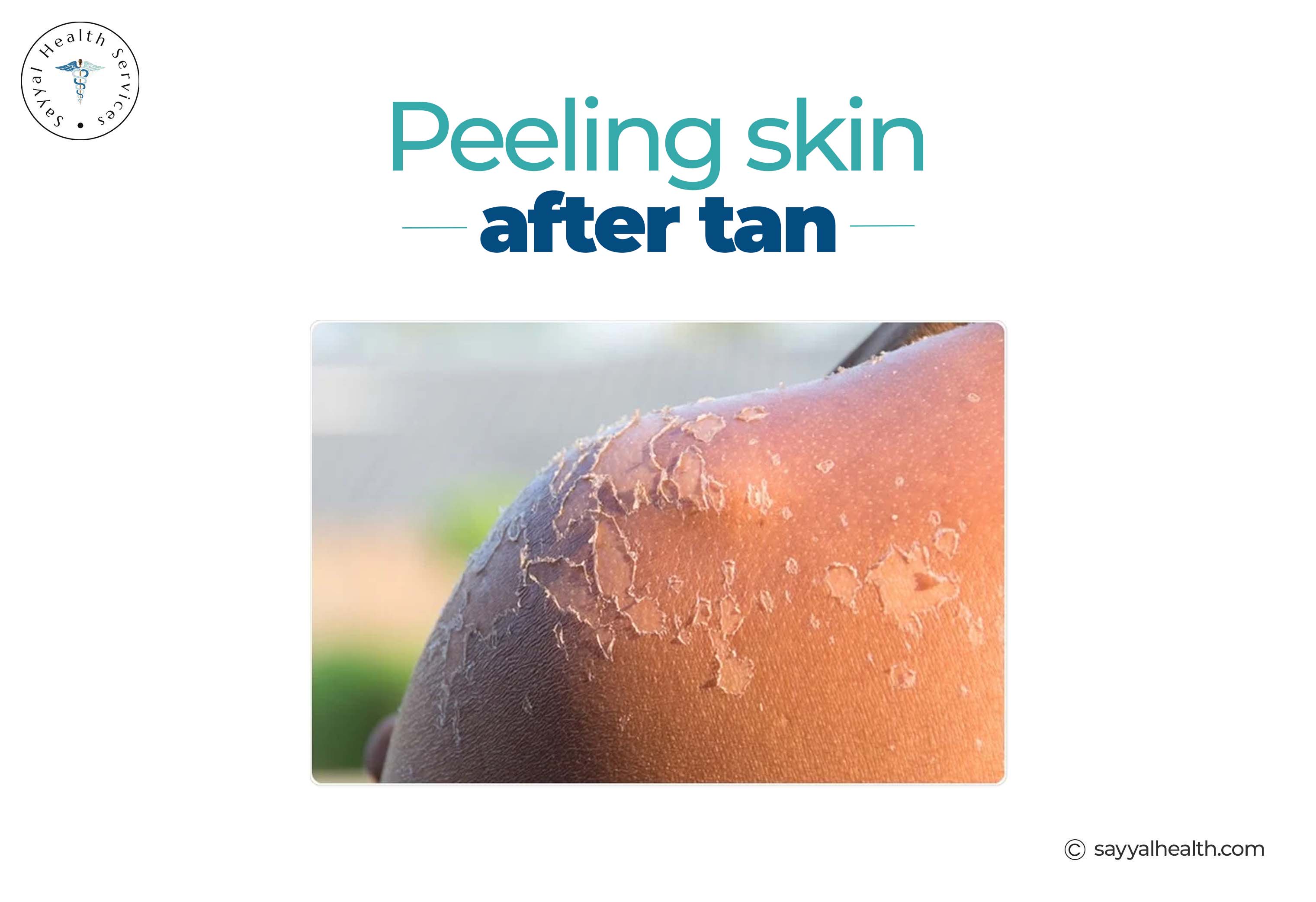
Many people are surprised when their tan starts peeling. They did not feel burnt. They just look darker. So why is the skin coming off?
The reality is that a tan is not healthy skin. It is your skin's distress response to UV exposure. The darkening happens because your body is producing extra melanin to try to absorb and block further UV radiation. But that does not mean the underlying cells escaped damage. They did not.
Peeling skin after a tan is just as normal as peeling after a visible burn. Treat it the same way. Moisturise, hydrate, and protect.
Peeling skin after tan
Why does skin peel after sunburn?
Your skin peels because UV radiation damages the DNA inside your skin cells. Rather than risk those cells mutating and causing cancer, your body triggers a controlled shutdown called apoptosis. The dead cells accumulate at the surface and eventually shed, which is what peeling looks like from the outside.
Should I peel sunburnt skin off myself?
Never. Manually removing peeling skin tears away the protective barrier over new, sensitive skin underneath. It opens the door for bacterial infections, increases pain, and can leave lasting marks or scars. The skin will come off on its own when it is ready.
How can I stop peeling from sunburn once it starts?
You cannot stop it completely, but you can minimize it. Apply a thick, gentle moisturiser immediately, use aloe vera gel throughout the day, drink extra water, and keep the area covered from the sun. The more hydrated the skin stays, the less dramatic the peeling tends to be.
Can peeling sunburn be a sign of something serious?
Usually not. Peeling on its own is normal. But if your burn includes blistering, a fever above 103°F, chills, nausea, or severe swelling, that is a sign of sun poisoning, and you should see a doctor. The Skin Cancer Foundation (2024) also emphasises that repeated severe sunburns significantly raise the long-term risk of melanoma.
How long does peeling after sunburn typically last?
Most people begin peeling three to eight days after the burn, and the peeling itself lasts around five to seven days. Severe burns can result in peeling that continues for up to two weeks. Staying consistently moisturised shortens this window noticeably.
What is the fastest way to get rid of peeling skin from sunburn?
Hydration is best to get rid of peeling skin from sunburn. Moisturise twice a day heavily. Apply aloe vera in between, drink more water than usual, and protect the area from any further sun exposure. Do not rush the process by scrubbing or picking. Patience paired with good hydration gets you through it fastest.
What is safe to put on my face when there is a rash after peeling from sunburn?
Keep it simple. A gentle, fragrance-free cleanser, a basic hydrating moisturiser, and a mineral SPF. Skip everything else until the peeling stops completely. Less is genuinely more when your skin barrier is compromised.
My back is peeling badly. What should I do?
Apply a rich body lotion or aloe vera gel to your back as often as possible. Ask someone to help you cover hard-to-reach spots. Wear loose and soft shirts to avoid friction. Stay out of the sun and keep drinking water. See a doctor immediately if the peeling is accompanied by open sores or signs of infection.
why does my skin peel after a sunburn?
Your skin peels after a sunburn because ultraviolet (UV) rays from the sun damage the outer layer of your skin.
Your skin peeling on face from sunburn is not a cosmetic problem. It is a biological process your body initiates to protect you from the long-term consequences of UV damage. Every flake represents damaged cells that your immune system decided were too risky to keep.
However, you do not need to suffer from sunburn. By following the right habits both before and after sun exposure, you can reduce how much your skin peels and how uncomfortable the process feels.
Important key points to keep in mind are the following:
If you experience severe burns, blistering, signs of infection, or symptoms of sun poisoning, please reach out to a dermatologist.
Your skin works hard for you every single day. Return the favour.
This blog is for informational purposes only. It is not intended to replace professional medical advice, diagnosis, or treatment. Always consult a qualified healthcare provider for any health-related concerns.
Your feedback helps us create better content for everyone.