Contact Person:Dr. Safwan Sayyal
Working Hours:Mon - Fri: 9:00 AM - 5:00 PM
Contact:info@sayyalhealth.com




Published: February 12th, 2026Last updated: October 14th, 2026
You know that feeling when you catch a glimpse of yourself in the mirror and think, "Whoa, why is my face red?"
Maybe it happened after your morning workout. Or perhaps you woke up with a reddened face and can't figure out why. Face redness is common, but if it lasts, it may be a warning sign of skin cancer.
There are tonnes of reasons why you might have a red face. Some are temporary (like that post-gym glow), while others stick around longer and need a bit more attention. Understanding what's causing redness on the face helps in finding the best solution.
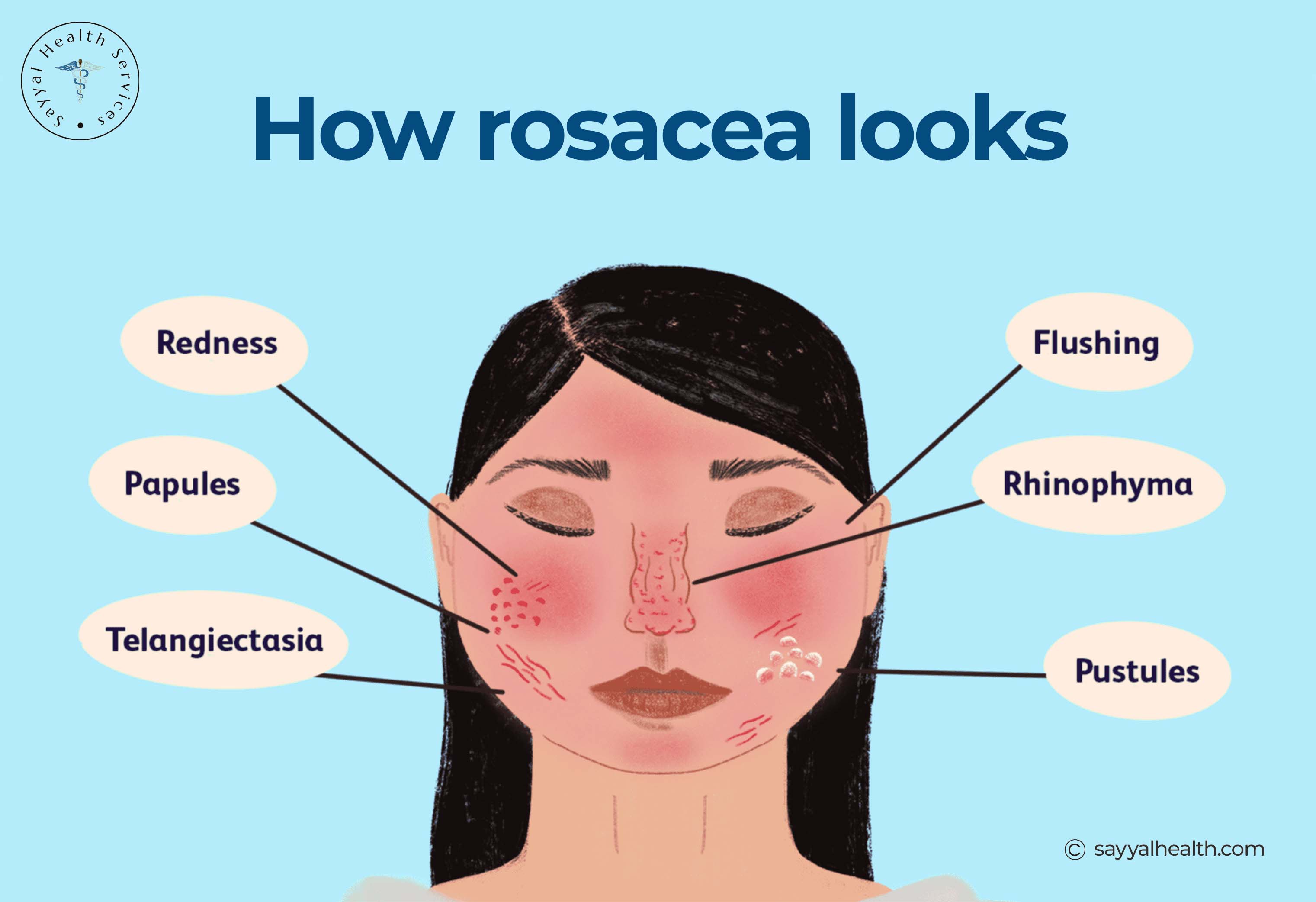
Rosacea is probably one of the most common reasons people deal with a red face that just doesn't seem to go away. This chronic inflammation can cause lasting facial redness. It also causes small pus-filled bumps. If you've got redness that's always there, especially on your cheeks, nose, and forehead, and maybe some visible blood vessels or little bumps that look like acne, the chances are that it is rosacea.
What's actually happening? Your blood vessels are basically overreacting and dilating way too easily. Things like spicy food, wine, hot coffee, stress, or even just stepping outside on a cold day can trigger it.
Rosacea Photo

How rosacea looks
How to reduce redness on face quickly from rosacea:
Remember that time you forgot to reapply sunscreen at the beach? Yes, sunburn is a classic reason for a reddened face. Your skin gets red, feels hot and tight, and sometimes even peels a few days later.
Why it happens: UV rays literally damage your skin cells, and your body responds by sending more blood to the area to help heal it. That's what creates the red, inflamed look.
Sunburn Picture

How to eliminate redness from sunburn:
Ever tried a new face cream and woken up with a red face, itching, or even some swelling? That's probably an allergic reaction, and it can happen with anything from skincare products to makeup, perfume, or even something you ate. In addition, allergic reactions can also happen due to medicine, food, and the environment.
What's going on: When our immune system thinks something harmless is a threat, it goes into defense mode, which means inflammation and redness on the face.

Other Types of Allergic Reactions Photo
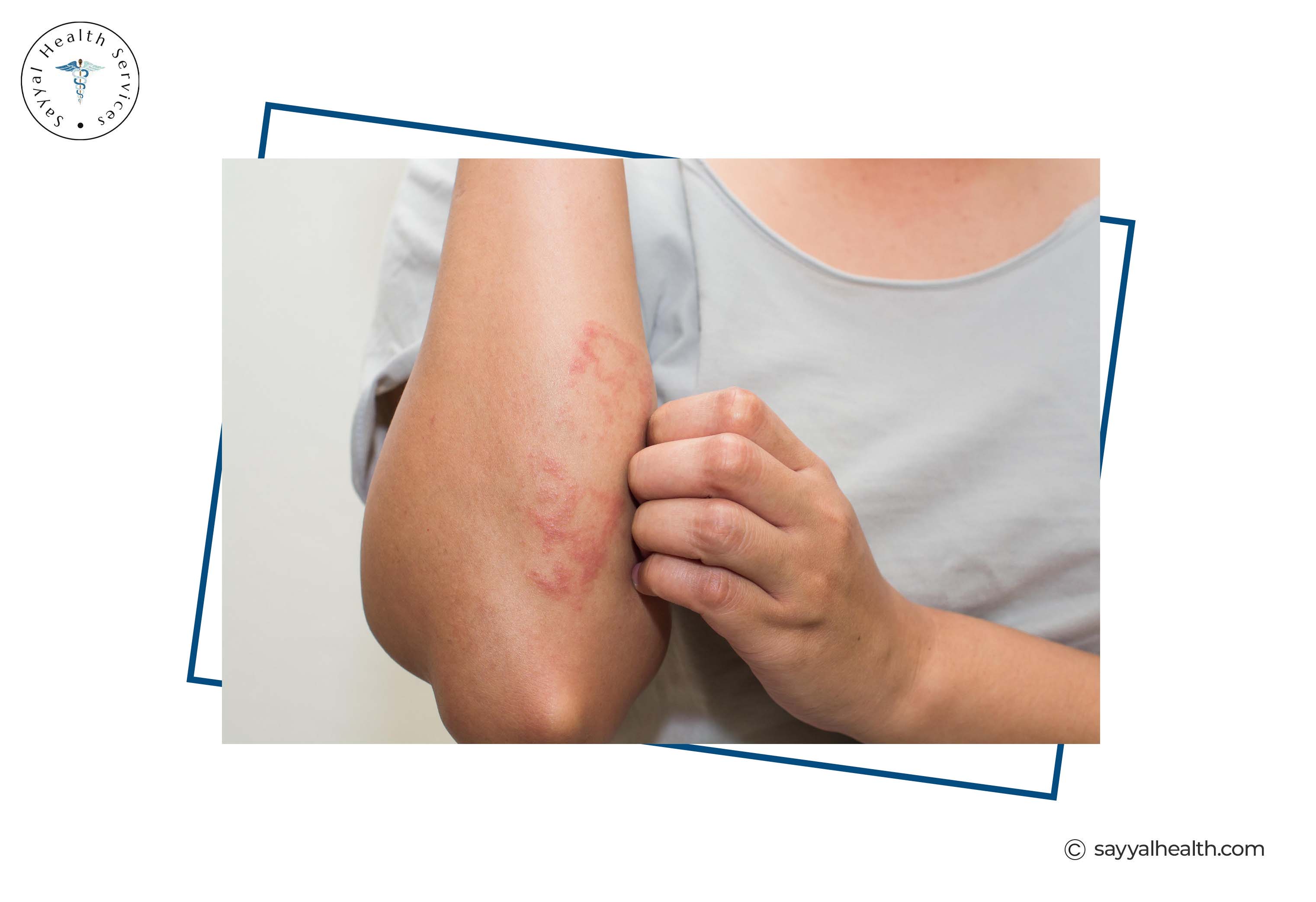
Common Allergic Signs Photo
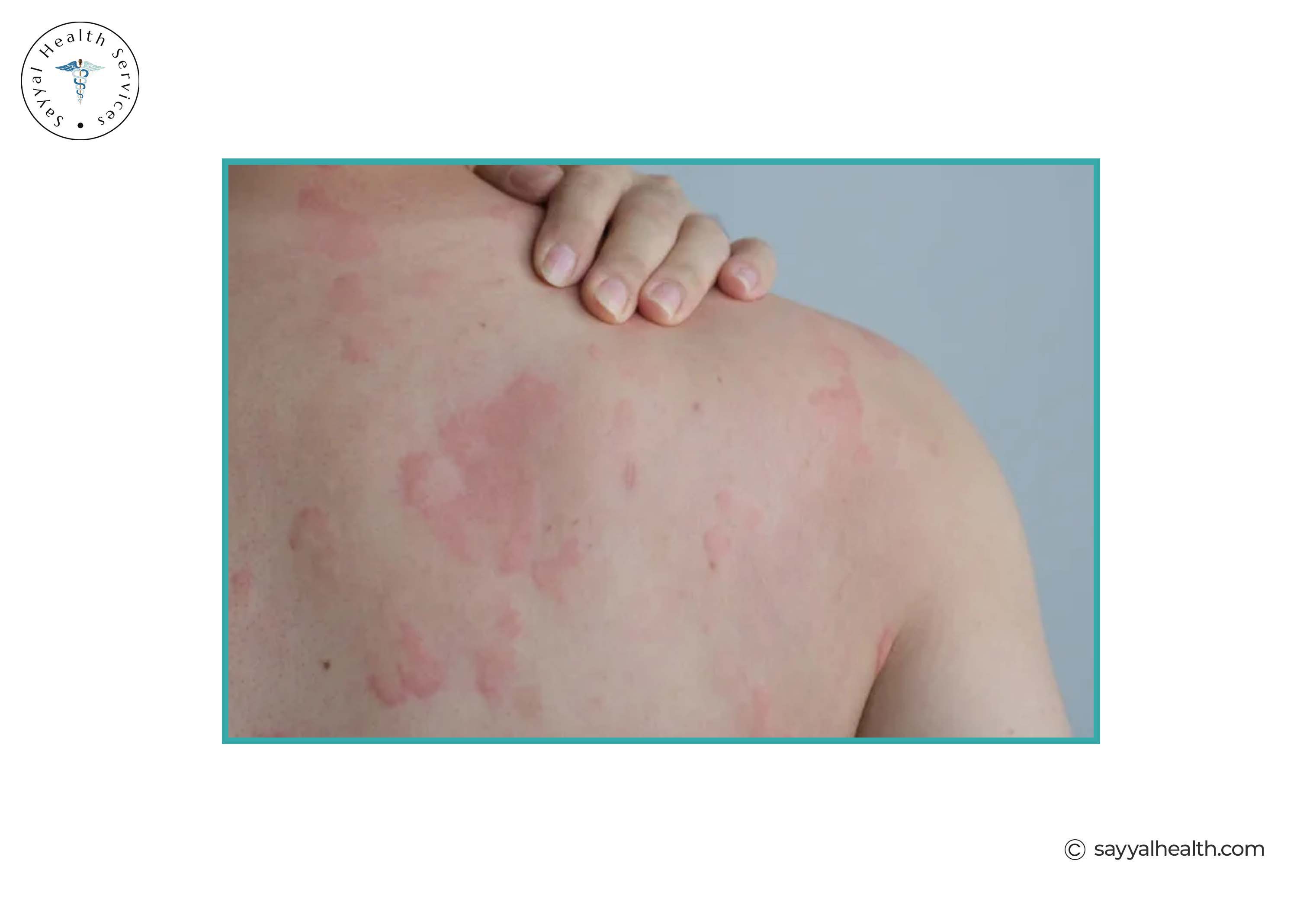
Food Allergy Reaction
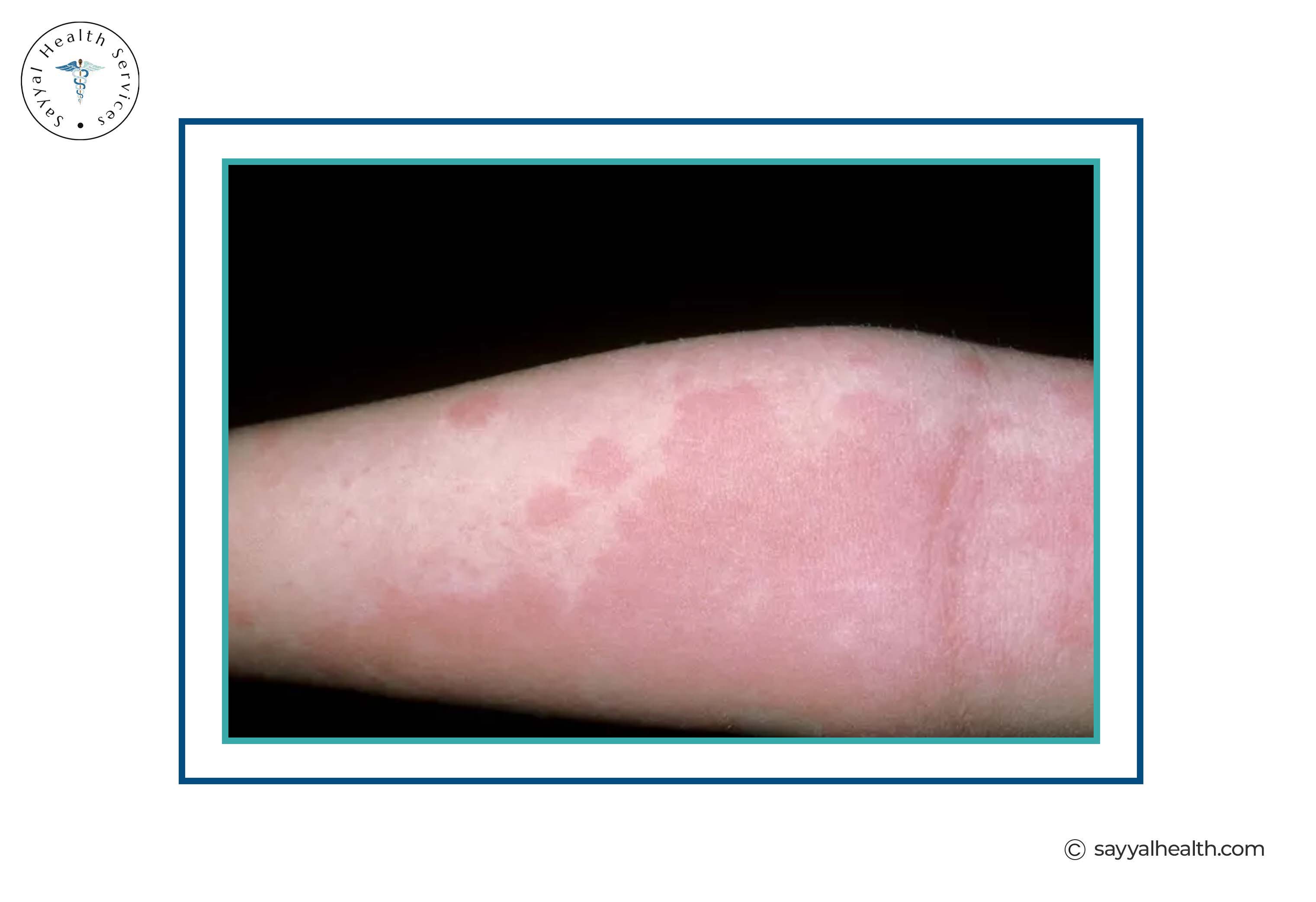
How to combat redness from allergies:
When acne causes breakouts, it also leaves behind a lot of redness. Those angry red bumps, the inflammation around pimples, and even the red marks on face that stick around after a zit heals.
Why acne happens: Clogged pores, bacteria, and inflammation all team up to create that red, irritated look.
Face Acne Photo

How to reduce redness from acne:
If you've got red, flaky patches around your nose, eyebrows, or hairline and maybe some oily spots too, it means you might be dealing with seborrhoeic dermatitis.
What causes it: It's basically a combo of too much yeast on your skin, excess oil, and your immune system getting irritated about it.
Seborrheic Dermatitis

How to relieve redness from seborrhoeic dermatitis:
Women going through menopause or perimenopause often face this condition. Hot flashes come out of nowhere; suddenly, you're burning up, and your face is bright red.
Why it happens: Your hormones are changing, which messes with your body's temperature control. Your blood vessels dilate super fast, and boom, instant facial redness.
Facial Redness Due to Hot Flashes

How to minimise redness from hot flashes:
Don't worry, this one's totally normal. If your face turns red during or right after a workout, that's just your body doing its thing.
What's happening: Your heart's pumping harder, sending more blood everywhere (including to your face). Blood flow increases to shed excess heat. It's actually a sign you're working hard!
Face redness due to Exercise

Facial Flushing Picture
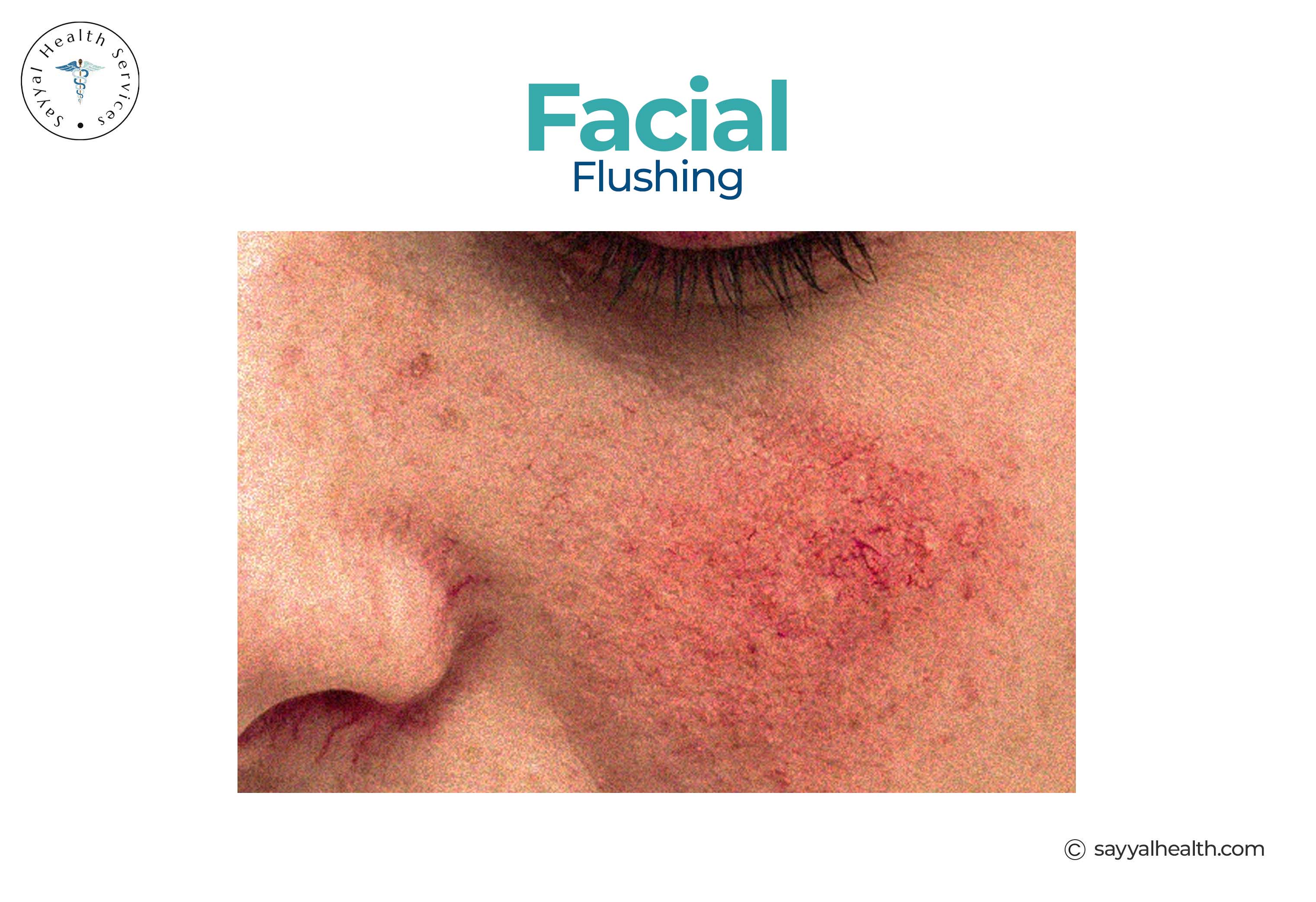
How to reduce redness quickly after exercise:
If you've got dry, rough, red patches that itch like crazy, eczema might be what you're dealing with. It can show up anywhere, including your face.
Why you get it: It's a mix of genetics, your immune system being a bit overactive, and things in your environment that irritate your skin's protective barrier.
Redness due to Eczema
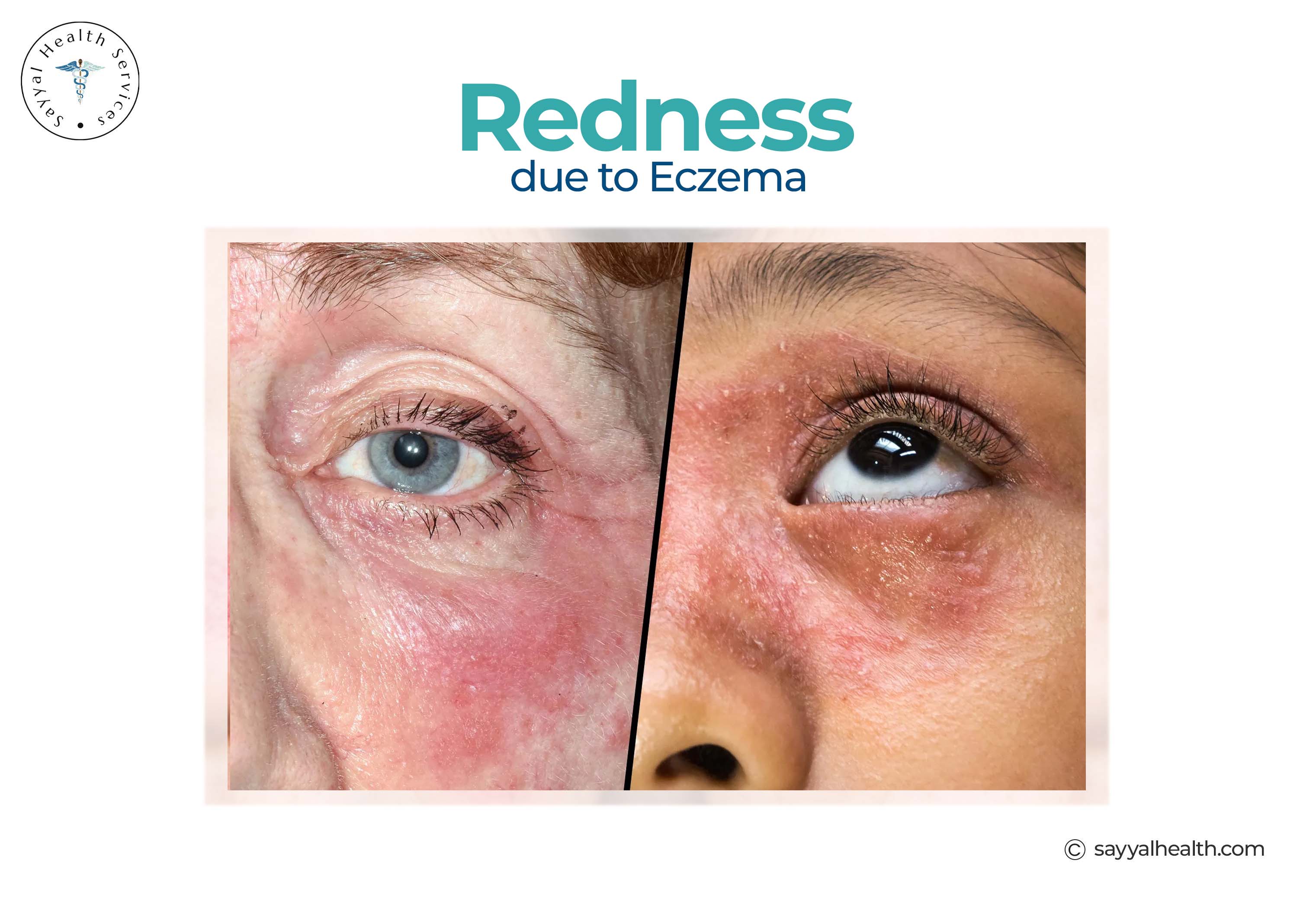
How to get rid of redness from eczema:
This is basically what happens when your skin touches something it doesn't like. Could be a new laundry detergent, jewellery with nickel, a harsh face wash, or even something that seems totally harmless.
Contact Dermatitis on face photo
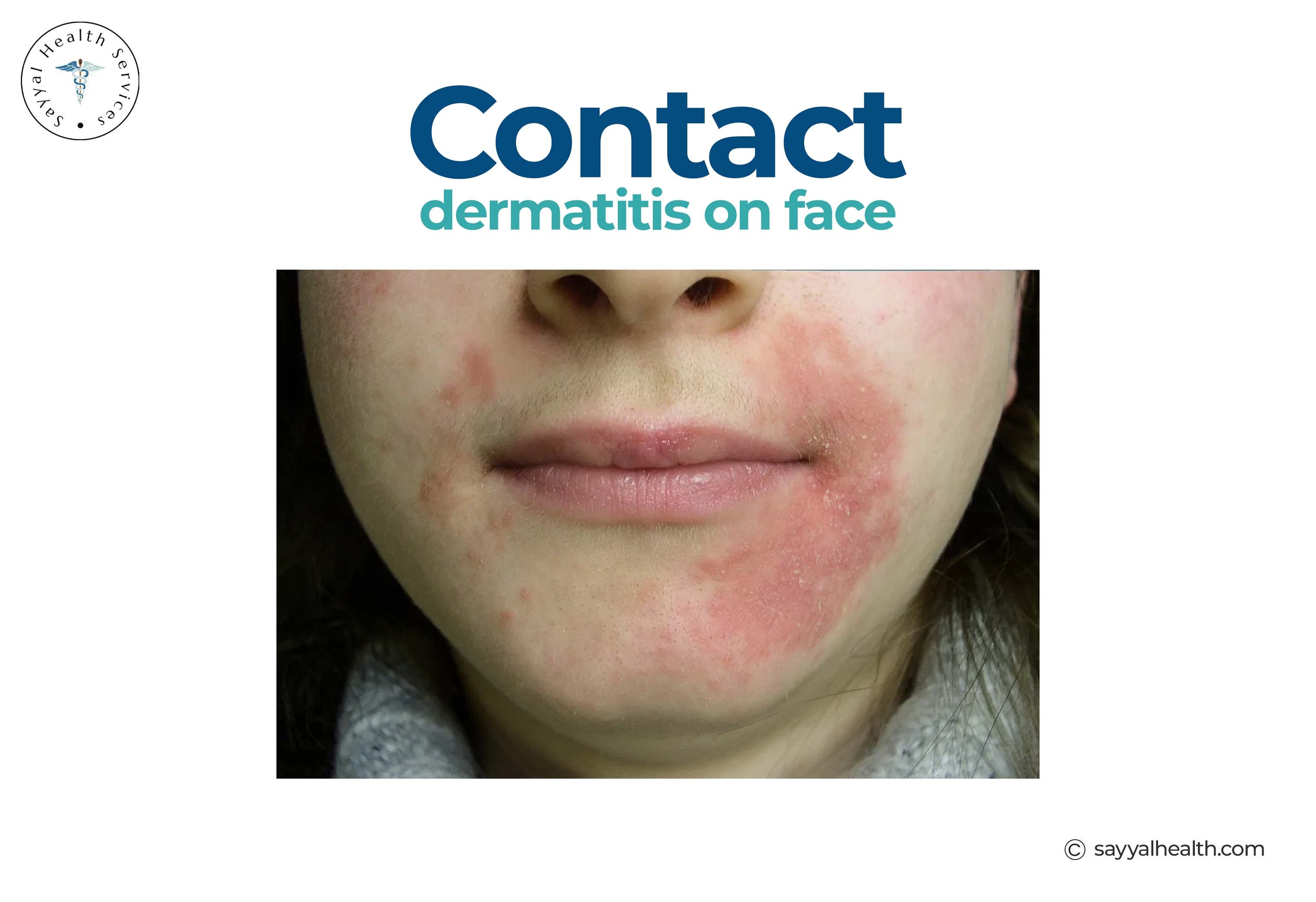
Other example of contact Dermatitis
 What's going on: The irritating substance causes inflammation, which means redness, itching, and sometimes even blisters.
How to eliminate redness from contact dermatitis:
You get embarrassed, anxious, or stressed, and suddenly your face is bright red. And it is totally natural.
Why it happens: Your nervous system releases adrenaline when you're emotional, which makes the blood vessels in your face widen.
Blushing Face
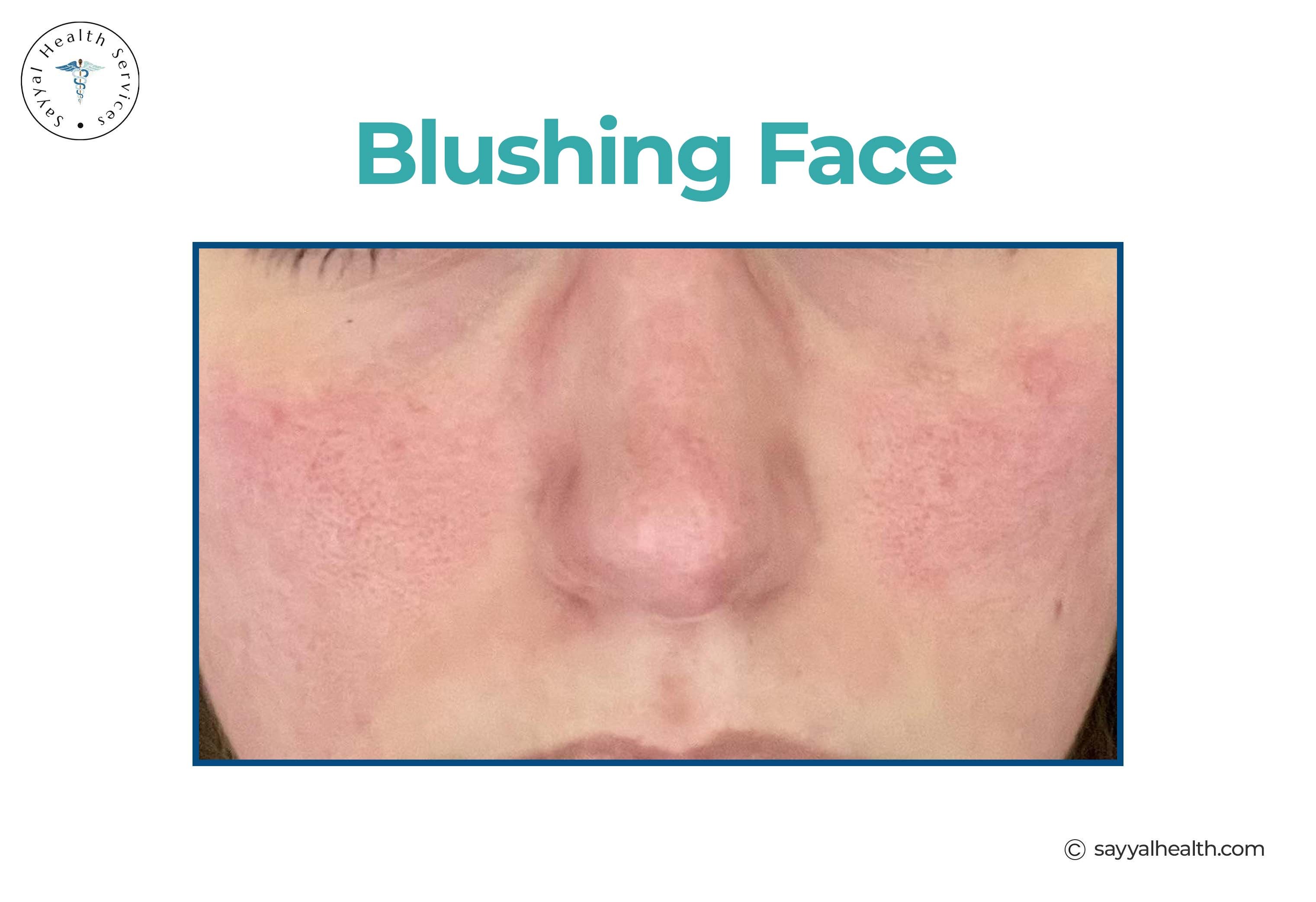
How to reduce redness from blushing:
Sometimes you need to reduce skin redness fast, like right before an important meeting or a date. Here's what actually works:
Instant relief tricks:
For the long haul:
Want to know how to stop redness on your face and keep your skin looking calmer? Here's what actually works:
Five Tips to Reduce Facial Redness Quickly
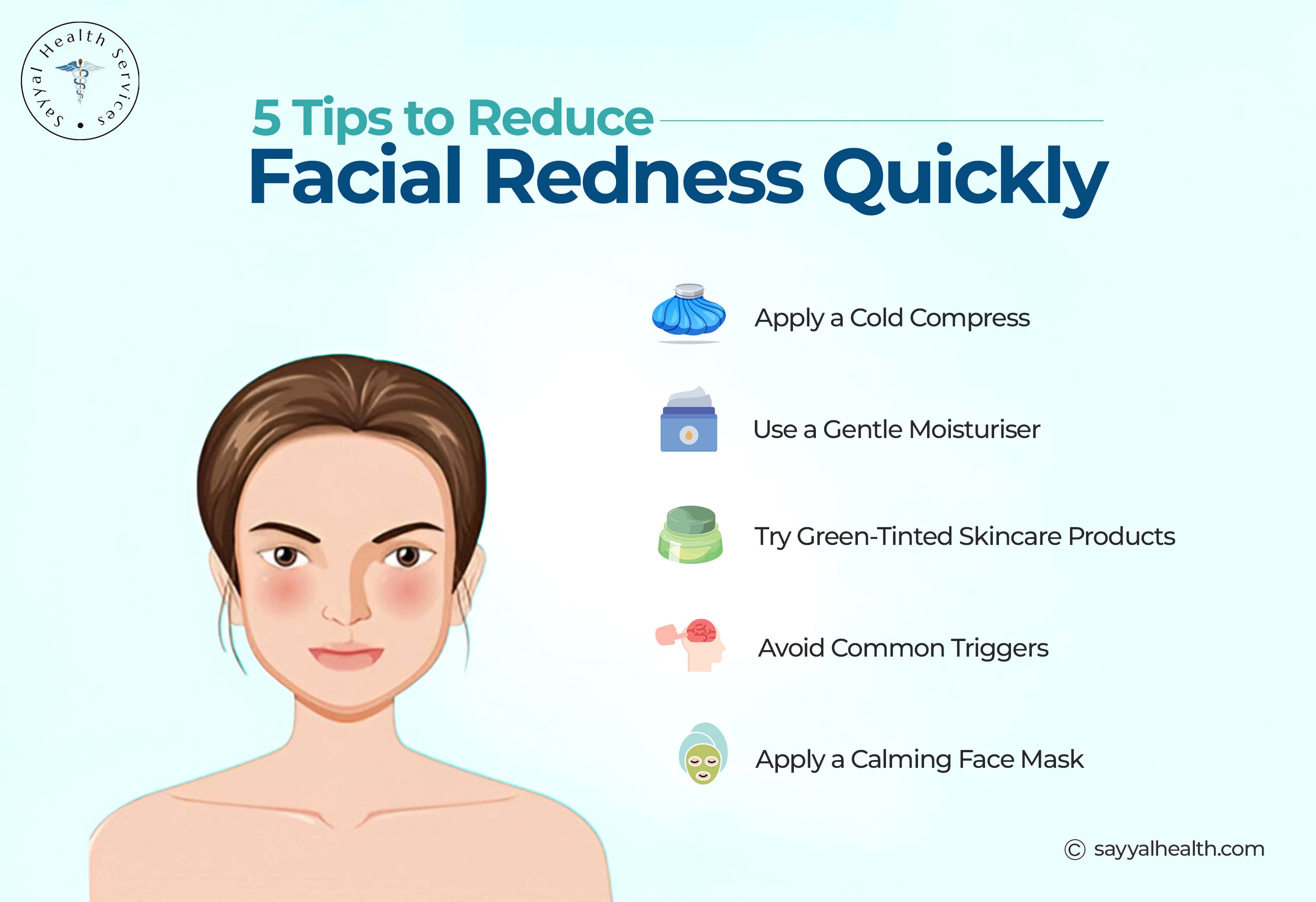
Look, most redness on the face isn't a huge deal, and you can handle it at home. But you should definitely talk to a healthcare professional if:
what causes skin redness on the face?
Facial redness can occur for many reasons, ranging from temporary irritation to underlying skin conditions.
How do I stop my face from turning red?
To reduce facial redness, try avoiding common triggers such as hot drinks, spicy foods, alcohol, and extreme temperatures. Use gentle skincare products, apply sunscreen daily, and keep your skin hydrated. If redness occurs frequently, a healthcare professional may recommend specific treatments or medications.
Why is my face getting so red all of a sudden?
Sudden facial redness can be caused by several factors, including emotional stress, heat exposure, spicy foods, alcohol, allergic reactions, or skin conditions like rosacea. Hormonal changes and certain medications may also trigger temporary flushing.
Does a flushed face mean high blood pressure?
A flushed face does not usually mean you have high blood pressure. High blood pressure often has no visible symptoms. Facial flushing is more commonly linked to heat, exercise, emotions, alcohol consumption, or skin conditions rather than blood pressure levels.
What vitamin deficiency causes a red face?
A deficiency in vitamin B3 (niacin) can sometimes cause skin redness and inflammation. Other nutrient deficiencies may also affect skin health, so maintaining a balanced diet and consulting a healthcare professional is recommended if symptoms persist.
Dealing with a reddened face is annoying. But now that you know the reasons for red face and how to get rid of redness on the face, you've got options. Whether your facial redness is just a temporary thing or something that's been bugging you for a while, the right approach can help you achieve better results.
Remember, everyone's skin is different. What works amazingly for your friend might not work for you, so be patient while you figure out what your skin likes.
Book a consultation at Sayyal Health for your skin cancer treatment.
Disclaimer: This article is meant to help you understand facial redness better, but it's not a substitute for actual medical advice. If you're worried about your skin, chat with a healthcare professional who can give you personalised guidance.
Your feedback helps us create better content for everyone.