Contact Person:Dr. Safwan Sayyal
Working Hours:Mon - Fri: 9:00 AM - 5:00 PM
Contact:info@sayyalhealth.com








Published: May 8th, 2026Last updated: October 8th, 2026
You stub your toe, and a few days later, a dark patch appears under your nail. You probably figure it's just a bruise. But what if it isn't?
Most of the time, a dark nail is nothing serious. But sometimes, it can be an early sign of melanoma, a type of skin cancer that can grow under your fingernails or toenails. The tricky part is that melanoma on the nails can look almost identical to a regular bruise.
That’s why knowing the difference could save your life.
Read this blog to understand what under-the-nail melanoma looks like and when a bruised toenail is actually something to worry about. We'll also cover nail melanoma treatment in Australia, risk factors, and practical steps you can take today.
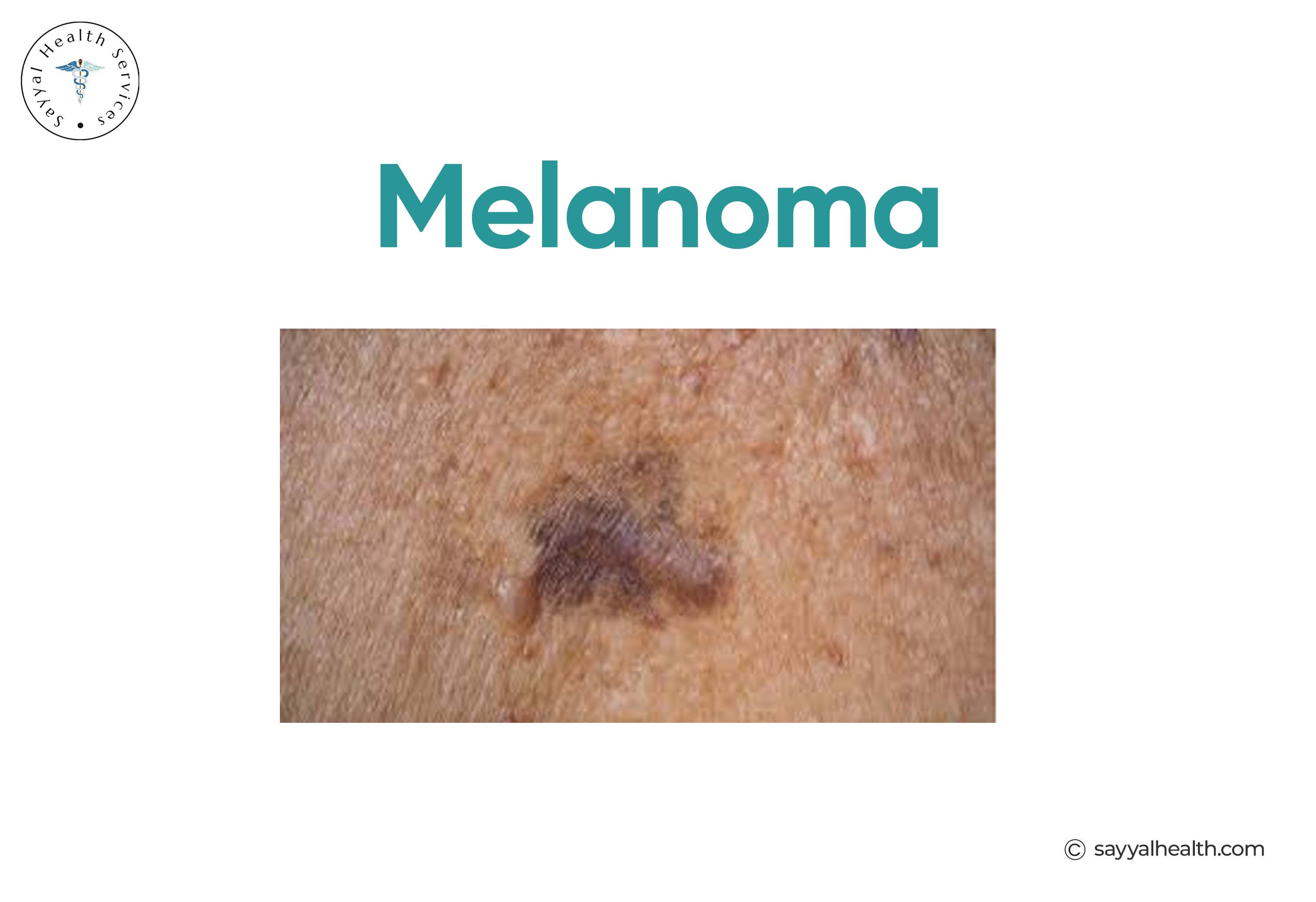
Melanoma Image
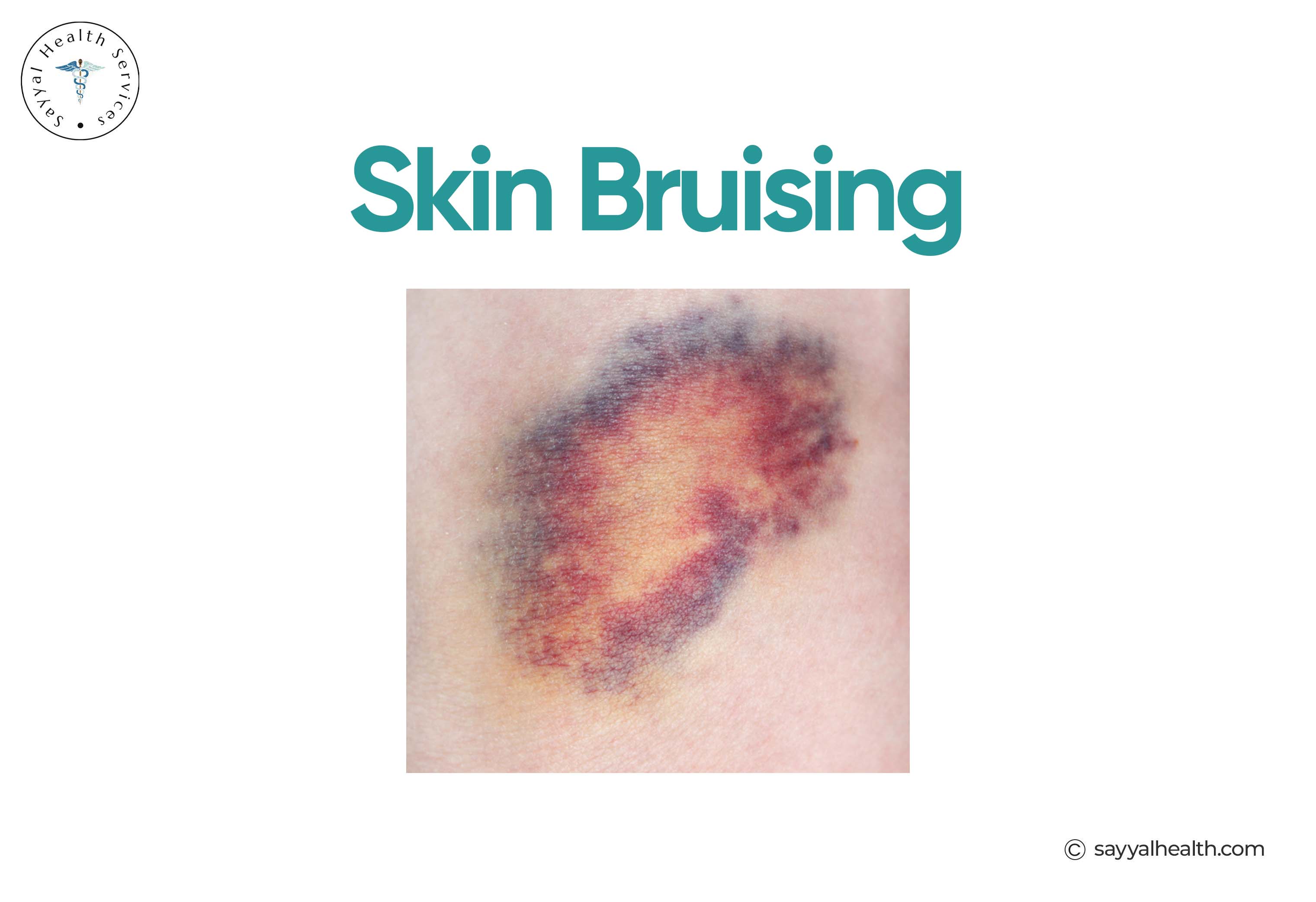
Skin Bruising Image
Melanoma is a type of skin cancer that starts in melanocytes, the cells that give your skin its colour. Most people think of melanoma as a dark spot on the skin. But it can also develop under your nails, in your eyes, and even inside your mouth.
Nail melanoma, also called subungual melanoma, is rare but serious. It accounts for roughly 0.7 to 3.5% of all melanoma cases worldwide. In Australia, where skin cancer rates are among the highest in the world, awareness of this less common form is especially important.
Find and Learn detailed information about the different types of melanoma.
Melanoma under the nail usually appears as a dark brown or black streak running from the base of the nail to the tip. It may start small but can slowly widen over time.
What makes nail melanoma particularly dangerous is that many people mistake it for a bruise and ignore it. People often discover it only after it has progressed.
See what melanoma looks like:
A nail bruise happens when blood pools under your nail after an injury. This could be from dropping something heavy on your foot, wearing tight shoes for a long time, or repetitive pressure during exercise. Medically, the nail bruise is known as a subungual hematoma.
The blood has nowhere to go, so it collects under the nail and creates a dark patch. This patch can look dark red, purple, brown, or black, depending on how much blood has pooled and how old the injury is.
Nail bruising is very common. Also, it is very common for runners, hikers, and athletes to get bruised toenails regularly. In most cases, it heals on its own as the nail grows out.
A bruised nail can be quite painful, especially in the first day or two. Pressure from the blood under the nail causes the throbbing feeling.
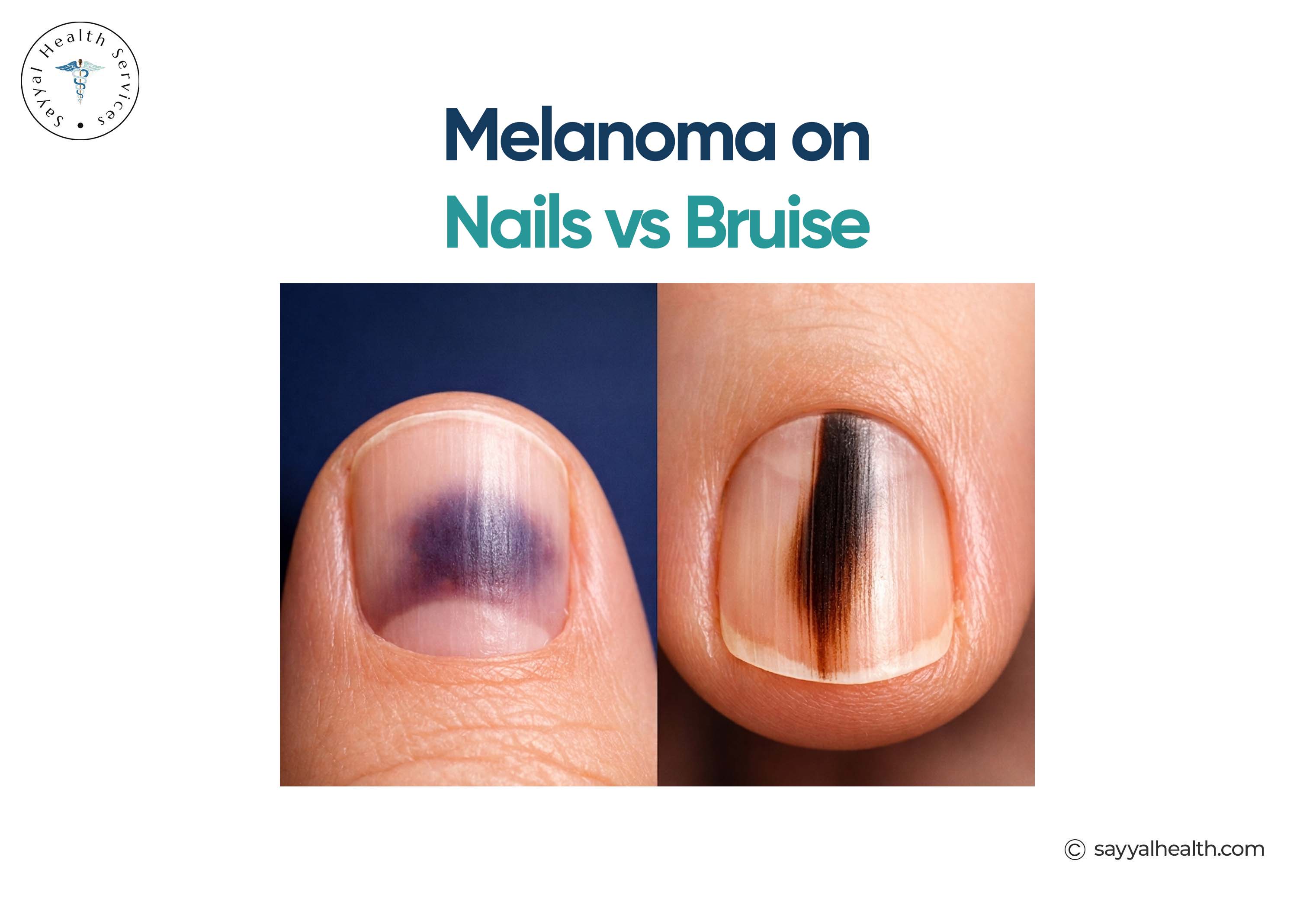
Nail Bruise(Subungual Haematoma)

Subungual Hematoma (Nail Bruise)

This is where things get important. Telling apart a bruise from melanoma isn't always easy. However, there are clear signs to look for.
A bruise usually appears as a solid, irregular dark patch under the nail. It may have a reddish or purplish tone. On the other hand, melanoma often appears as a dark streak, a line that runs lengthwise from the base of the nail to the edge.
A nail bruise almost always has a clear cause. You'll remember dropping something, stubbing your toe, or wearing tight shoes. Melanoma appears without any injury. If you notice a dark streak under your nail and can't link it to an injury, that's a red flag.
As your nail grows, a bruise moves forward toward the tip of the nail. It slowly grows out over weeks or months. Melanoma does not move. It stays anchored near the nail matrix, the base of the nail.
Bruises tend to spread unevenly under the nail. Melanoma typically forms a well-defined, vertical dark band that may widen as it progresses.
Bruises fade and eventually disappear as the nail grows. Melanoma does not fade. It may stay the same or get darker, wider, or longer over time.
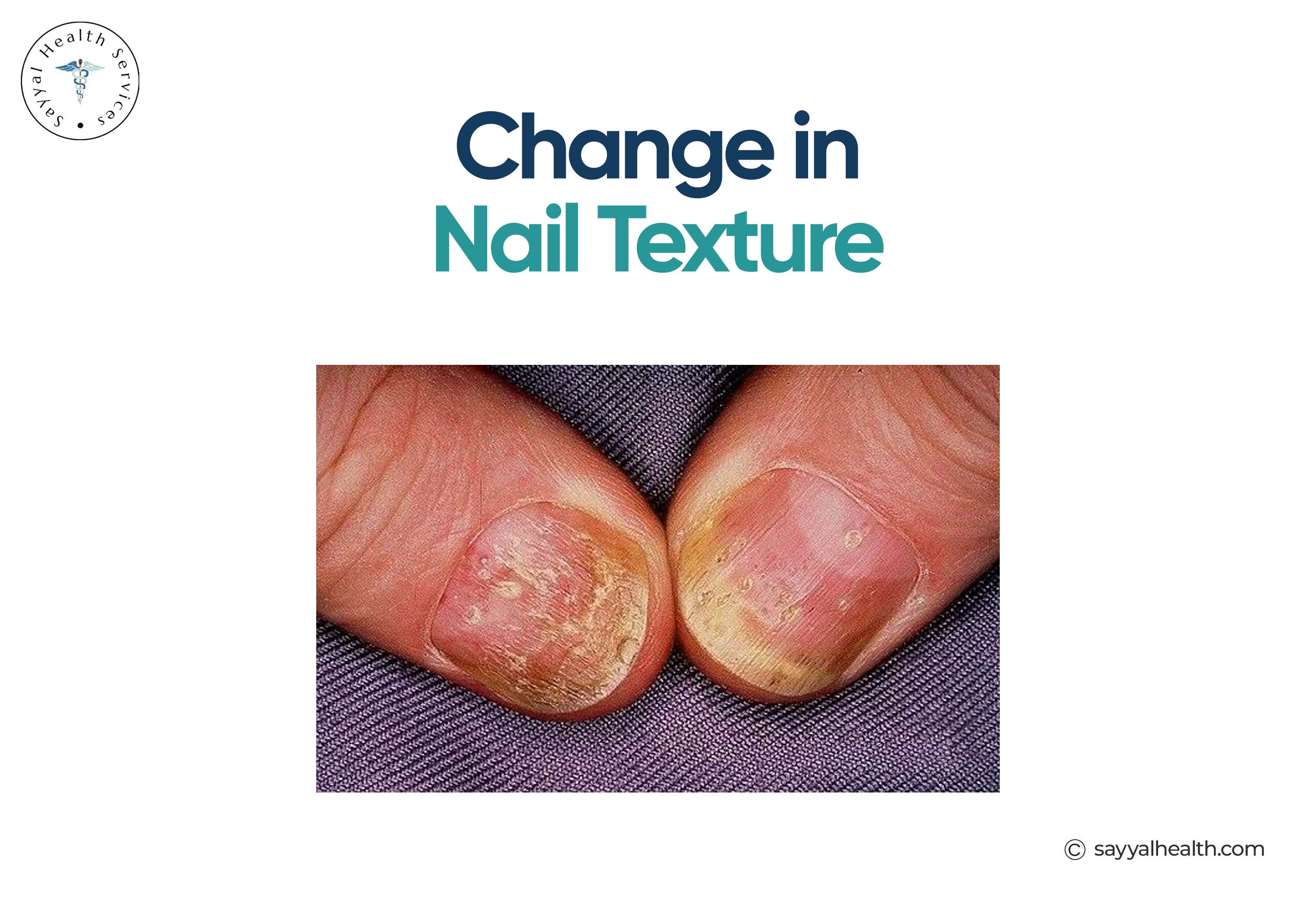
Knowing the signs of cancer in nails can make a real difference. Here are the key warning signs to watch for:
Hutchinson’s Sign in Nail

Change in Nail Texture
The big toe is the most common site for toenail melanoma. This is also the toe most likely to get bumped, pressed, or bruised, which makes it even harder to tell the two apart.
When comparing toenail melanoma vs hematoma, the key questions are:
If you can't confidently answer these questions, see a doctor. A dermatologist can use a dermoscope to examine the nail more closely and spot features that aren't visible to the naked eye.
It's always better to have a professional check it out than to assume it's nothing.

Catching melanoma early makes treatment significantly more effective. In its earliest stage, toenail melanoma may look like a very thin, light-brown streak. It might be easy to dismiss or overlook.
Stage 1 melanoma toenail symptoms may include:
Because early-stage nail melanoma is painless and can look harmless. That’s why many people delay seeing a doctor. This is one reason why nail melanoma is often diagnosed at a later stage than other types of melanoma.
Yes, and this is precisely what makes it so dangerous.
Melanoma that looks like a bruise is not uncommon. When the dark pigmentation under the nail spreads broadly rather than forming a clear stripe, it can closely resemble a regular bruise.
Amelanotic melanoma is a type that lacks dark pigment. This may even appear pink or flesh-coloured, making it even harder to identify.
On other parts of the body, melanoma may appear as a flat, dark patch on the skin. Skin cancer bruises on legs, for example, are sometimes described by patients as looking like an ordinary bruise that simply doesn't go away.
If you have a dark mark anywhere on your body that hasn't healed or changed in an unexpected way, get it checked.
Not everything concerning nail change means melanoma. Bruised nails may be a sign of several other conditions, including:
This is another reason why it's worth checking with a doctor if something doesn't look right.

See a doctor if you notice any of the following:
In Australia, you can visit your GP for an initial assessment. If they have concerns, they'll refer you to a dermatologist or specialist. Skin cancer clinics are available across the country, and many offer bulk-billed appointments.
Don't wait. Early detection of nail melanoma dramatically improves outcomes.
If a doctor suspects nail melanoma, the process usually involves:
A handheld magnifying device with a light allows the doctor to examine the nail in detail. Trained dermatologists can spot patterns in the pigment that suggest melanoma vs a benign lesion.
The only definitive way to diagnose nail melanoma is through a biopsy. A small sample of tissue is taken from under or around the nail and examined under a microscope. This confirms whether cancer cells are present.
If melanoma is confirmed, further tests such as an ultrasound or sentinel lymph node biopsy may be done to check whether the cancer has spread.
The process is straightforward, and while the idea of a biopsy might sound scary, it's a minor procedure that can provide critical answers.
Doctors decide the treatment for nail melanoma depending on its stage when found.
The Cancer Council Australia and Melanoma Institute Australia both provide excellent resources and support for patients navigating diagnosis and treatment.
If you've confirmed that your dark nail is just a bruise and not melanoma, then it depends on how long it takes to heal.
A mild bruise under the nail may fade within a few weeks. More significant bruising, where a large portion of the nail is affected, can take much longer. Because nails grow slowly, roughly 3mm per month for toenails, it can take six months to a year for a bruised toenail to fully grow out and return to normal.
The dark area doesn't disappear. It grows forward as the new nail pushes the old nail toward the tip. Eventually, the discoloured portion reaches the edge and is trimmed off.
While you can't speed up nail growth dramatically, you can support the healing process:
Some people face a higher risk of developing nail melanoma. These include:
Darker skin tones: Subungual melanoma is actually more common in people with darker skin, including those of African, Asian, and Hispanic descent. In these populations, it represents a much higher proportion of all melanoma cases.
Age: Risk increases with age. Most nail melanoma diagnoses occur in people between 50 and 70.
Personal or family history of melanoma: If you or a close family member has had melanoma, your risk is higher.
Trauma or chronic injury: Repeated injury to the nail bed may increase risk over time, although the evidence for this is still being studied.
Weakened immune system: People with compromised immunity, such as organ transplant recipients, have a higher risk of various skin cancers, including melanoma.
You can't completely prevent nail melanoma, but there are sensible steps you can take:
Can melanoma look like a bruise under the nail?
Yes. Melanoma under the nail can closely resemble a bruise, especially in early stages. The key differences are that melanoma doesn't move as the nail grows. It may appear as a defined streak and may cause surrounding skin discolouration (Hutchinson's sign). A bruise typically follows an injury and gradually grows out with the nail.
How do I know if my toenail is bruised or something worse?
If you clearly injured your toe and the dark area is slowly moving toward the tip of the nail, it's likely a bruise. If there was no injury, the mark isn't moving, or it's getting wider, see a doctor. When in doubt, always get it checked professionally.
What does stage 1 melanoma on the toenail look like?
In its earliest stage, toenail melanoma may appear as a thin, light-to-dark brown streak running vertically along the nail. It is usually painless and may be easy to overlook or mistake for a bruise.
How long does a bruised toenail take to heal?
Most bruised toenails take three to six months to grow out completely, depending on the extent of the bruising and the individual's nail growth rate. Severe bruising can take up to twelve months to fully resolve.
Is nail melanoma common in Australia?
Subungual melanoma is relatively rare compared to other forms of melanoma. However, given Australia's high overall melanoma rates, awareness is important. The Cancer Council and Melanoma Institute Australia encourage regular skin and nail checks as part of routine health care.
What is Hutchinson's sign?
Hutchinson's sign is when dark pigmentation from under the nail spreads onto the surrounding skin, such as the cuticle or fingertip. It's a strong warning sign for nail melanoma and should prompt immediate medical evaluation.
Can nail melanoma be cured?
Yes, especially when caught early. Early-stage nail melanoma treated with surgery has a much better prognosis than advanced cases. This is why early detection matters so much.
Are cancerous bruises different from regular bruises?
Yes. Cancerous lesions that resemble bruises tend to persist, don't change with time the way normal bruises do, and appear without any clear injury. If you have a bruise-like mark that hasn't changed or healed after several weeks, have it assessed by a doctor.
Most dark patches under the nail are bruises, and they heal on their own. But some are not bruises at all. Melanoma on the toenail or fingernail can look deceptively similar to an ordinary nail injury, and that's exactly what makes it so easy to miss.
The key is knowing what to look for. No injury, no movement, widening streaks, and pigment spreading onto surrounding skin are all reasons to see a doctor promptly. Nail melanoma is rare, but when it's caught early, the outcomes are far better.
If something under your nail doesn't look right, or if you've had a dark patch that hasn't changed in weeks, book a professional skin check. In Australia, skin cancer clinics are widely available, and many offer bulk-billed services.
Don't leave it to chance. Book a skin check today at Sayyal Health.
Disclaimer: This article is intended for educational purposes only and is not a substitute for professional medical advice, diagnosis, or treatment. Always consult a qualified healthcare provider if you have concerns about any skin or nail changes.
Your feedback helps us create better content for everyone.