Contact Person:Dr. Safwan Sayyal
Working Hours:Mon - Fri: 9:00 AM - 5:00 PM
Contact:info@sayyalhealth.com








Published: September 16th, 2025Last updated: October 9th, 2026
If you have joint pain and are looking for the best soultion? You are in the right place.
In this blog, you will learn about PRP therapy for joint pain. To understand how platelet-rich plasma works, read this blog till the end.
Joint pain is common nowadays. The cause of joint pain could be any, but arthritis is the most common. This pain can be mild or severe and can come and go. It can be felt in the hands, spine, knees or hips.
To get rid of this pain and discomfort, Platelet Rich Plasma therapy is the best solution.
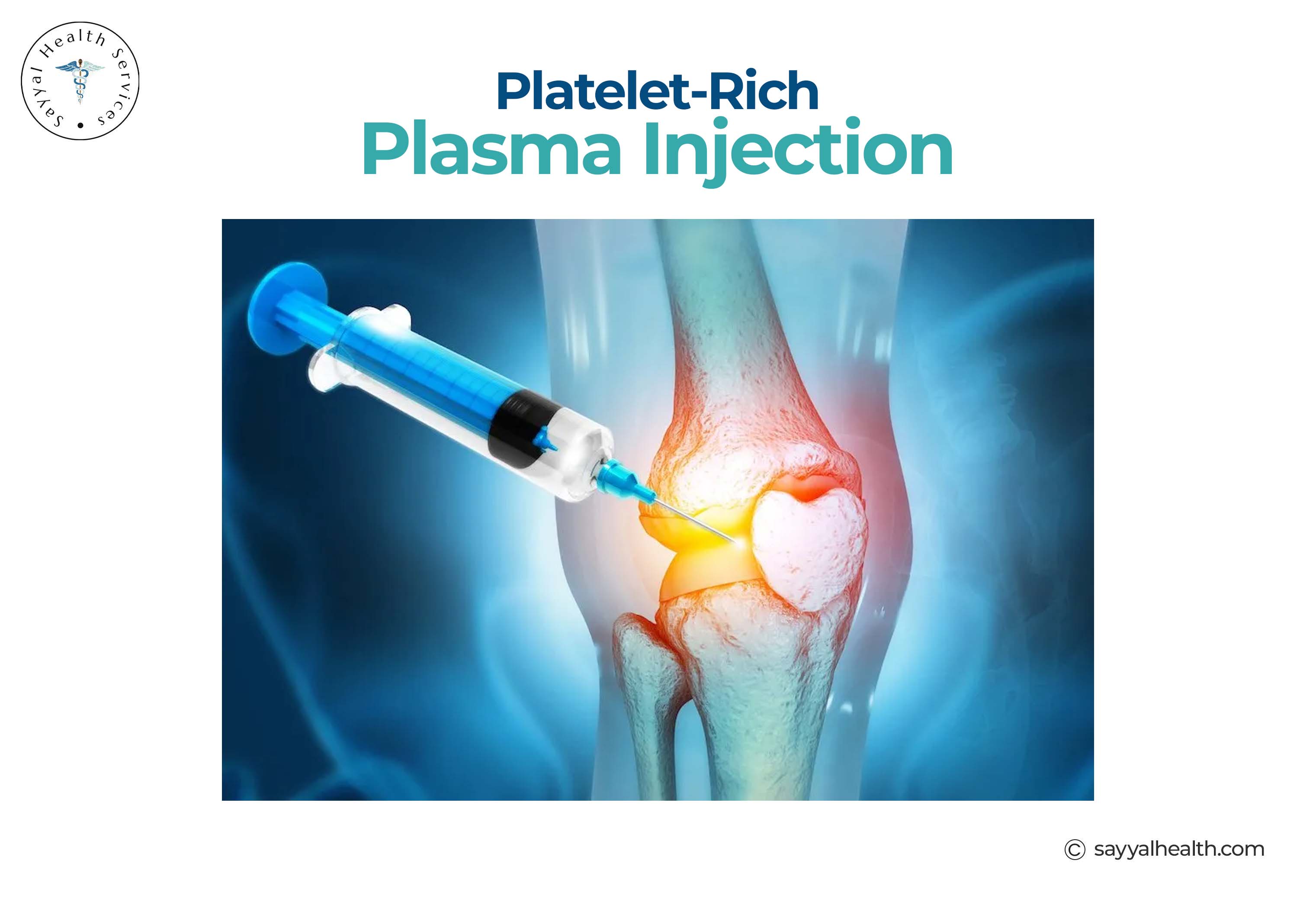
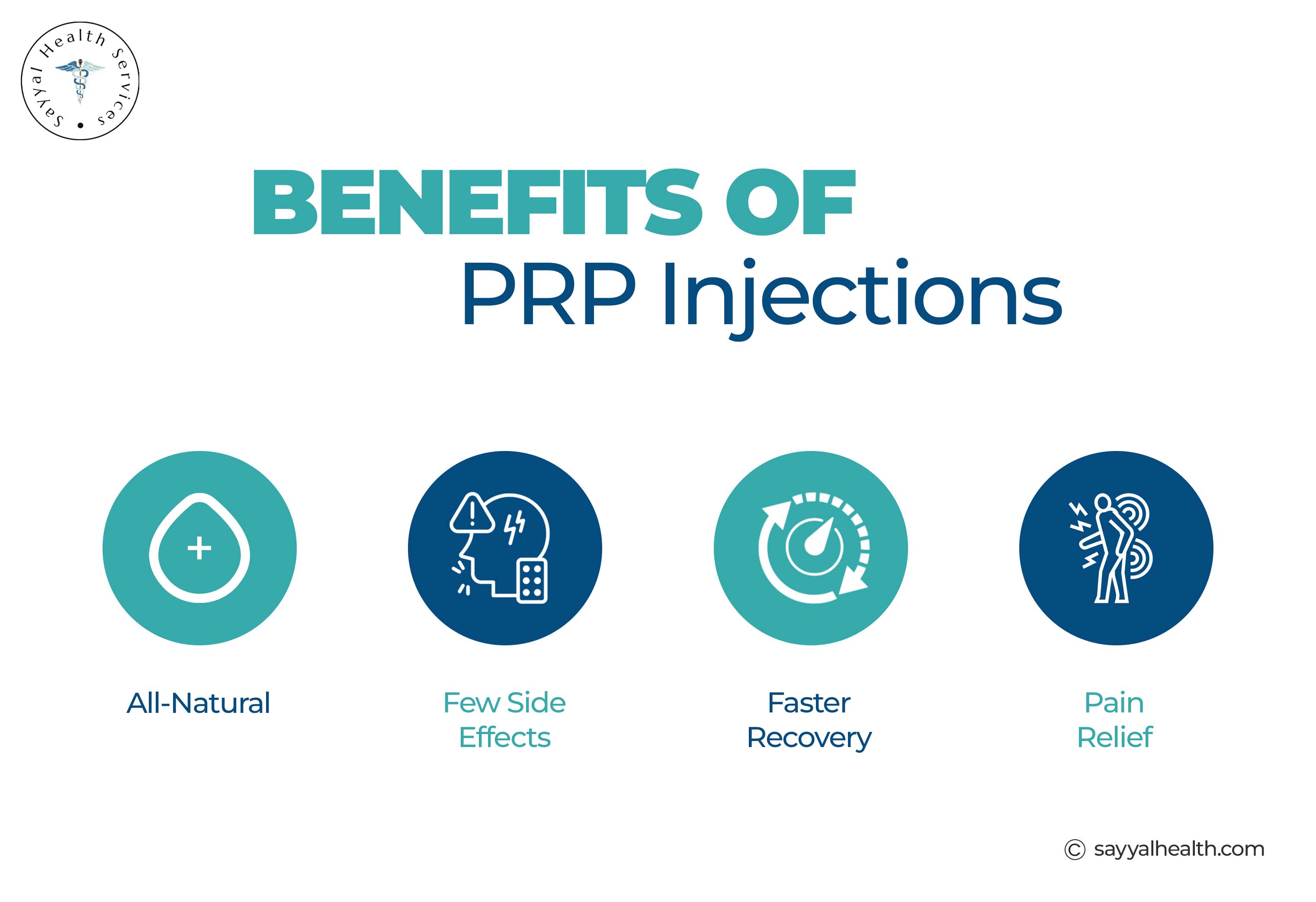
PRP (Platelet-Rich Plasma) injection stimulates the healing process to provide relief from joint pain. This injection is prepared from the patient's own blood after separating the plasma.
The concentrated plasma is injected into the affected joints of patients for treatment. It naturally enhances the body's healing process, helping patients recover faster and reduce pain.
The centrifuge machine is used to separate the different components of blood. After the double spin method, the plasma-rich layer is collected for injection.
Plasma contains the growth factors that help in the healing process. However, the healing process depends on the patient's condition. Above all, the patient's medical history also paly an important role in recovery. Patients with other diseases may take time to recover.
PRP therapy is a non-surgical and natural method for treating various injuries and relieving pain. Owing to its effectiveness, it has become a popular alternative to surgeries. Patients do not need to be hospitalised for treatment.
The PRP injection procedure typically takes 15-30 minutes. Compared to surgery, in this treatment, patients recover quickly.
Joint pain is a feeling of ache, soreness and discomfort. It can affect more than one joint at a time and can have several causes. There could be any reason for this pain.
For example, injuries, arthritis (osteoarthritis), and inflammatory diseases. This pain could persist throughout the day or can come and go.
Mental health conditions like depression can sometime worsen joint pain. Patients may experience throbbing, grating and burning. Pain can range from mild to severe. However, stiffness and soreness can make it difficult to do tasks.
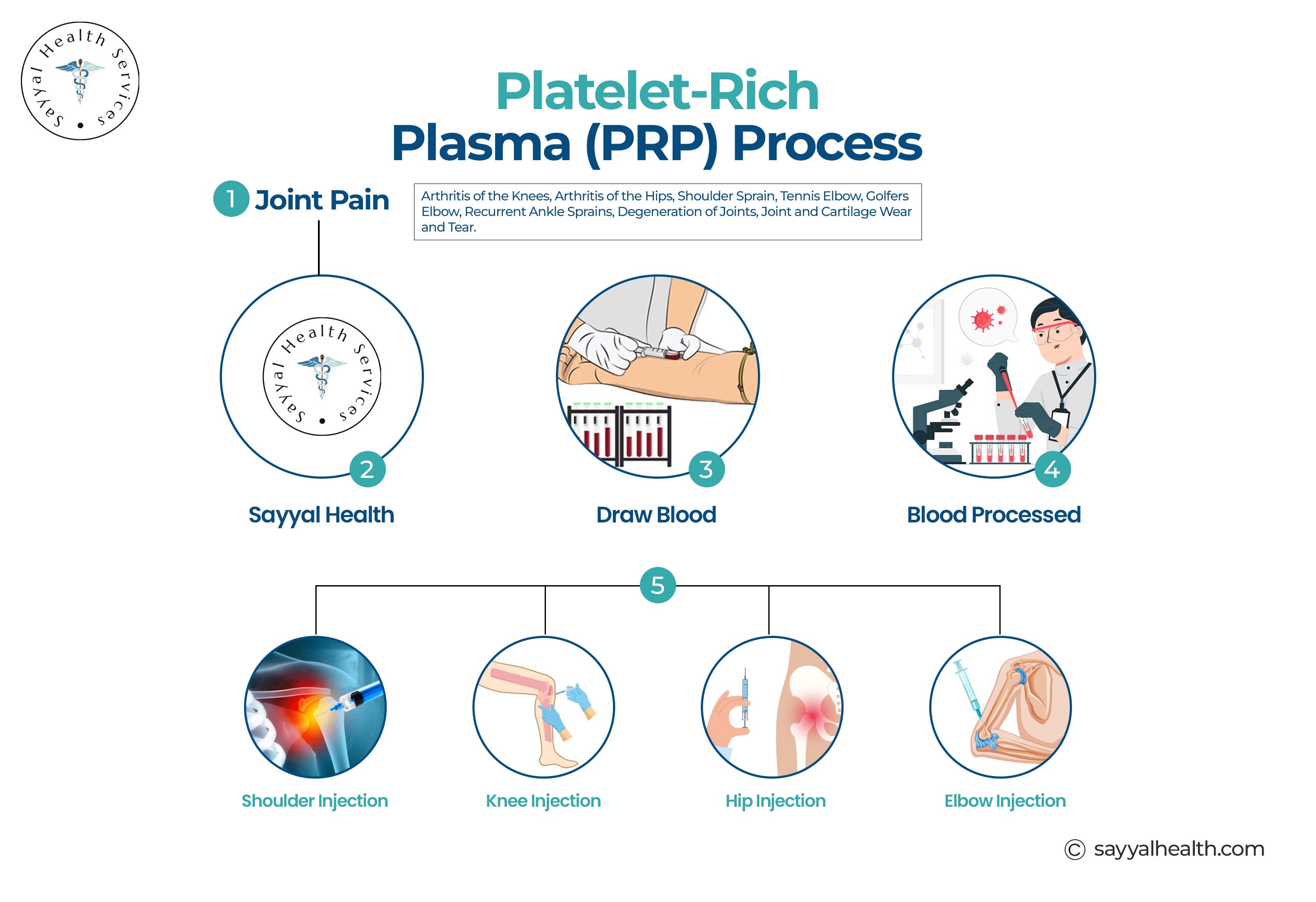
A joint is a part of your body where one or more bones combine. These joints are connected with soft tissues or cartilage.
The soft tissues include tendons and ligaments that, which, along with cartilage, help in smooth body movement.
Ligament injury, trauma and wear and tear result in joint pain. Owing to the complex structure of the joint (cartilage, tendons, muscles and ligaments), the healing effect of the body is limited.
It is difficult for the body to supply blood to soft tissues and cartilage. It is because they lack blood vessels, as they are avascular.
PRP therapy heals all kinds of joint pains, as it is a regenerative medicine technique. This technique is regenerative because it uses the patient's own blood for the separation and concentration of plasma.
This platelet-rich plasma is injected into the affected joints for treatment. PRP injection enhances the body's healing effect, which reduces pain and providing relief to patients.
Cytokines (proteins) and growth cells repair the broken soft tissues and cartilage. PRP shows promising results, especially in treating osteoarthritis in knees, tennis elbow, and rotator cuff injuries.
Osteoarthritis of the knee is a degenerative disease that occurs due to the breakdown of cartilage. As a result, it causes stiffness, swelling, and pain. According to the CDC (Centre for disease control and prevention), OA has affected more than 32.5 million adults in the United States.
Now, we understand the mechanism of PRP and how it helps relieve pain. PRP is an autologous method that uses the patient’s own blood.
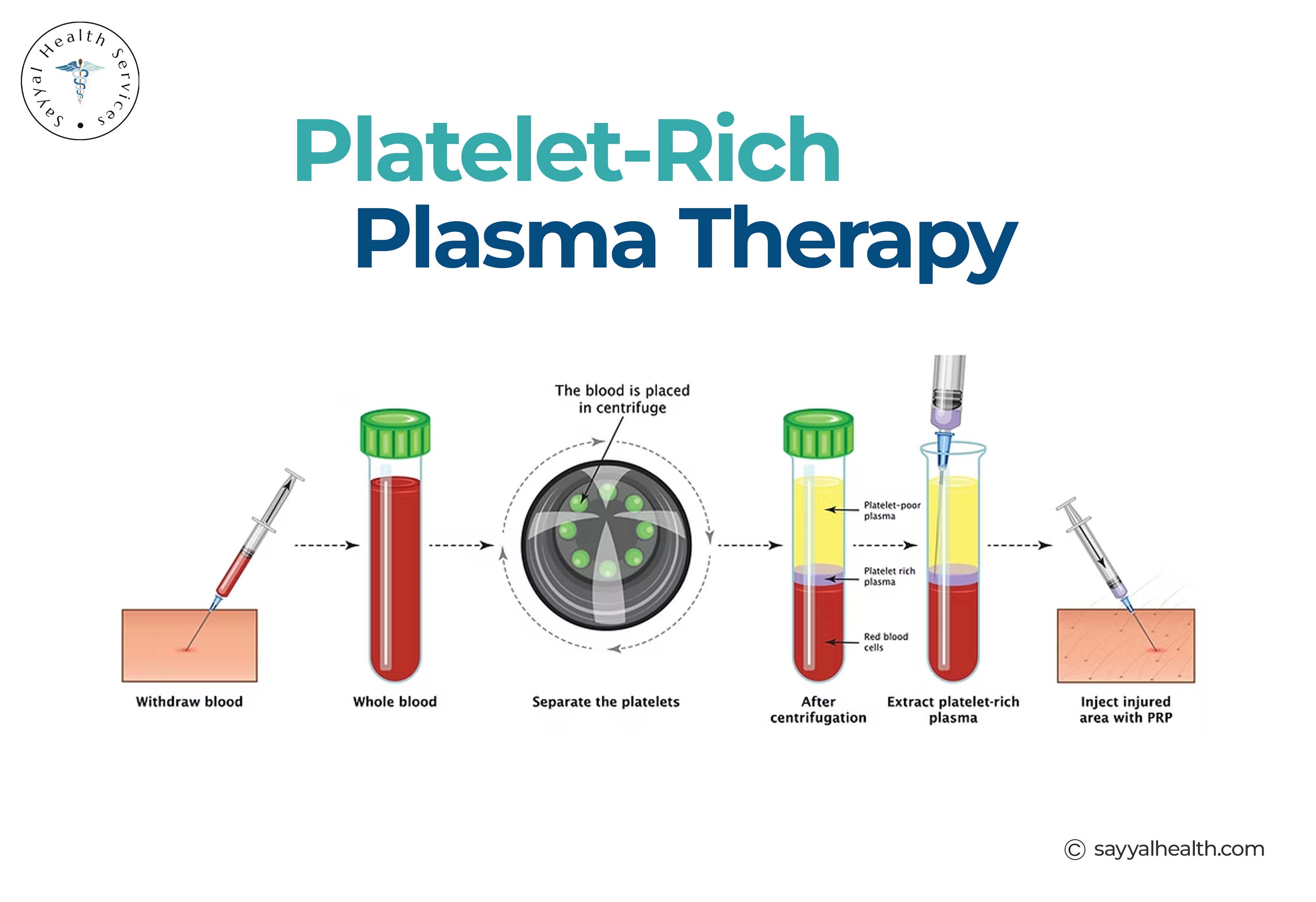
A centrifuge is a machine that separates plasma from the blood. In this process, the patient’s blood is drawn to put into a centrifuge.
The blood is separated into different components: white blood cells, red blood cells and plasma. The double-spin method is used to separate the platelet-rich plasma. During the second spin, plasma is concentrated at the top layer of the centrifuge.
Then, this concentrated plasma is collected for injection. The PRP is injected into the target part of the patient.
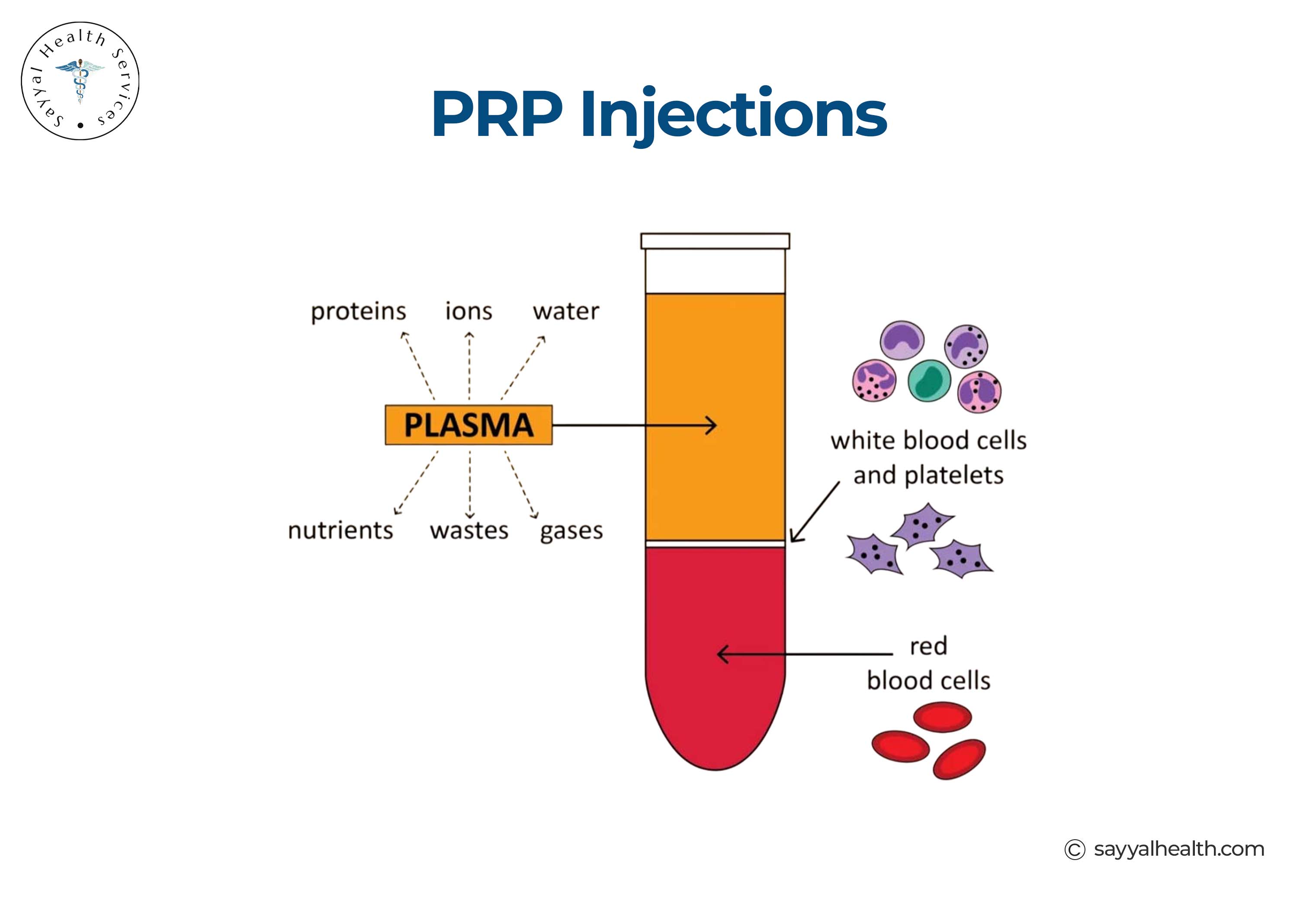
The concentration of plasma is 3-5 times higher than that of normal plasma. This platelet-rich plasma contains proteins, cytokines and growth cells.
These growth cells are PDGF, IGF, TGF-β, and VEGF. Platelet-derived growth factors (PDGF) are dimeric molecules that play a crucial role in blood vessel growth and repair and wound healing.
Transforming growth factor (TGF-β) is a cytokine protein. It is responsible for differentiation, cell growth, and immune regulation. It influences and boosts collagen production.
PRP heals joint pain by naturally promoting the healing process of the body. It contains growth factors that increase the healing process.
That’s why it is called a regenerative process, in which the patient's own blood plasma is used to stimulate healing factors. Moreover, PRP reduces joint pain by repairing damaged tissues.
The process of healing pain starts with the reduction of inflammation. Then, the stimulation of cells starts for proliferation.
Especially tenocytes and chondrocytes proliferate, which starts tissue regeneration. Hence, pain reduces with the synthesis of collagen and cartilage matrix.
PRP consists of all-natural factors and is free of chemicals and any artificial elements.
Cartilage is a soft tissue at joints that connects two or more bones. It is avascular, which means it does not contain blood vessels. That’s why the healing process becomes slow when cartilage damages. PRP injection is the best solution to promote cartilage repair for joint relief.
The growth factors and proteins in platelet-rich plasma initiate the regeneration by stimulating the proliferation of cells.
PRP is an anabolic process that involves the repair of tissues. The growth factors in plasma stimulate collagen type 2, which is a key component of cartilage.
However, its anti-catabolic effect reduces the enzyme that causes cartilage breakage. These enzymes, called MMPs (matrix metalloproteinases), play an important role in cartilage degradation.
There is a limited studies that supporting the use of PRP for cartilage regeneration. Despite the less standard protocols, it is useful in inhibiting the progression of joint disease.
The standard protocol for PRP effectiveness is less comparable to other treatments. But it still proves beneficial in healing joint pain. Growth factors help the body heal by reducing inflammation and promoting tissue repair.
Platelet-rich plasma reduces pain and improves joint function by decreasing inflammation. This injection provides relief from pain by repairing tissues.
It also leads to structural improvements, such as increased range of motion (ROM) in the joints and enhanced strength.
Tissues heal due to decreased inflammation and the modulation of cytokines. Overall, the PRP anti-inflammatory effect typically takes 3-6 months to heal.
However, in the early stages, some improvement can be seen within weeks. Healing is a gradual process that takes time. Depending on the condition of the patient's joint, it may take several injections.
PRP treatment has shown significant improvements in WOMAC, KOOS and the pain reduction scale score.
The WOMAC is a Western Ontario and McMaster University Osteoarthritis Index that measures outcomes through questionnaires. It specifically measures hip and knee osteoarthritis. In addition, KOOS is the knee injury and osteoarthritis outcome score that assesses the function and pain of the knee.
ResearchGate studies show that PRP treatment yields significant success after 3 months, reducing pain from 7.5 to 3 on the VAS scale. The visual analogue scale (VAS) measures the intensity of pain, typically ranging from 0 to 100.
Patients with mild to moderate osteoarthritis with focal tendon and ligament injuries are eligible for this treatment. Moreover, it is the good option for patients who want to avoid surgery.
PRP injections are not suitable for every patient, especially those with certain conditions. Patients with active systemic infection should avoid PRP injection, as it could spread the infection. Moreover, patients with severely low platelet counts and cancer near the joints are also not eligible for this treatment.
PRP therapy is also not effective for severe or complete tendon tears and end-stage osteoarthritis. In bone-on-bone osteoarthritis, PRP injection shows no improvement, as it is less reactive in this condition. Before the treatment, the patient's suitability must be checked through imaging and orthopaedic evaluation.
The American Academy of Orthopaedic Surgeons suggests that PRP treatment may be considered for selected knee osteoarthritis patients under certain conditions.
Compared to traditional joint pain treatments, PRP injections can be more effective. Cortisone injection can also be used for pain management. These injections provide a quick relief from pain.
However, in comparison to PRP, they do not provide a long-term solution. On the other hand, Platelet-rich plasma injections provide a long-term result by regenerating tissues. PRP results can last longer, sometimes for years, in comparison to cortisone, whereas the effects of cortisone lasts only for weeks or months.
Hyaluronic acid injections also help reduce pain by lubricating the joints. They temporarily improve mobility and reduces pain, but their effects typically lasts for only a few weeks. This treatment does not address the underlying joint issues. On the other hand, PRP works by stimulating tissue regeneration and promoting the body's natural healing process. It may provides the long-term relief and addresses the underlying issues.
A meta-analysis published in American Journal of Sports Medicine reported that the PRP showed greater effectiveness compared to Hyaluronic acid for relieving pain in knee osteoarthritis after 12 months.
One advantage of PRP treatment over surgery is that it is non-invasive. Patient do not need require anaesthesia for the treatment, unlike in surgery. For surgery, the patient needs to be hospitalised. Moreover, it is a painful procedure that leaves stretch marks on the targeted area.
There are also advantages to avoiding steroid injections. Because they often cause tissue weakness and increase blood sugar levels.
Growth cells in PRP play an important role in speeding up the recovery. PDGF, VEGF, TGF-β, EGF, and HGF make PRP injection useful by stimulating cell growth and remodelling of tissues.
Among all these factors, hepatocyte growth factor (HGF) and interleukin-1 receptor antagonist (IL-1ra) play an important role in recovery. Both these factors directly suppress the pro-inflammatory cytokines like tumour necrosis factor-alpha (TNF-α), interleukin-1 beta and interleukin-6.
Vitro studies also provide evidence of suppression of pro-inflammatory factors.
Platelet-rich plasma promotes the macrophages in the body that play a key role in healing. Macrophages are white blood cells that promote the healing process.
They kill microorganisms and remove dead cells. However, the M2 macrophage phenotype plays an important role in joint relief than that of M1.
M2 release the cytokines that remodel the matrix, which increases the cells' growth. It also contributes to the angiogenesis process (formation of new blood vessels) to repair tissue.
At the early stage of rehab, swelling and pain in the joints will significantly reduce. The healing process becomes faster when inflammation decreases, resulting in less pain.
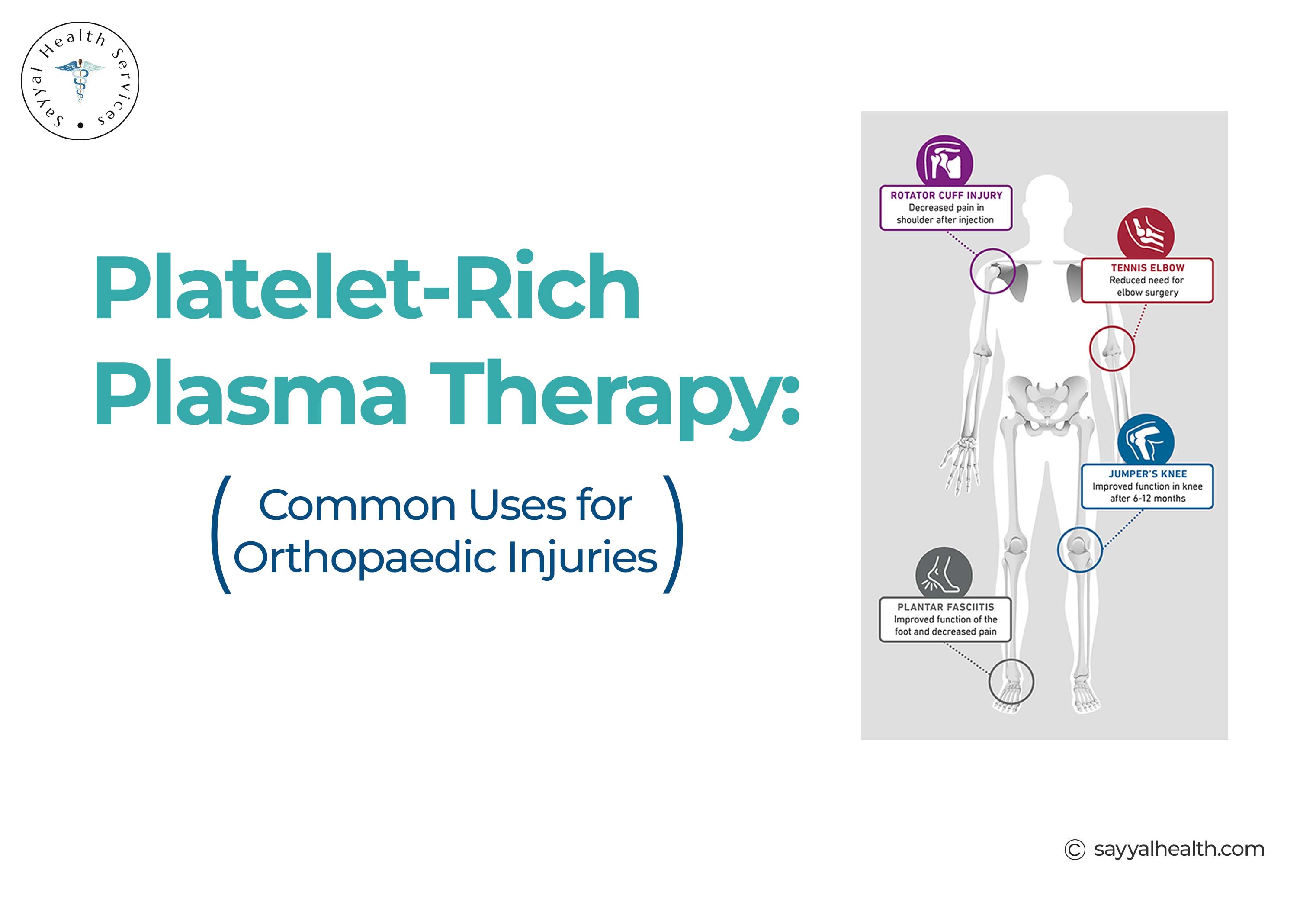
Injuries are common during the practice and performance of sports. Ligament and tendon injuries such as sprains, strains, tendonitis, ligament tears and tendon ruptures are common issues.
Owing to the absence of blood vessels at joints, tendons, cartilage and ligaments, injuries poorly heal. Tendinities, another name for rotator cuff tendinopathy, in which the muscles of the rotator cuff are damaged. It mostly happens due to repeated stress or injury to the muscles.
Tennis elbow, which is a lateral epicondylitis, is also a result of repetitive strain. In this situation, your tendons swell and bend back to your palms. In addition, patellar tendinopathy, a jumper’s knee, is a pain in the knee that happens due to small tears in the tendon.
Platelet-rich plasma stimulates tenocytes by promoting the proliferation of cells. It also enhances the ECM synthesis and antioxidant defence.
The question that patients often ask: What are the steps of PRP treatment? And how long does this treatment take? During a PRP treatment, your blood will be drawn to separate platelets.
Approximately 30- 60 mL of blood is drawn to be put in the centrifuge machine for 10-15 minutes. After a double-spin method, concentrated platelet plasma will be collected in an injection.
CaCl 2 and Thrombin are added to the injection as an activation factor that enhances the growth factors. After that, it will be injected into the targeted area under the ultrasound for precision.
Before the injection, a local anaesthetic will be given to the patient, which can cause soreness. This soreness can remain for 1-7 days.
The complete procedure takes approximately 60-90 minutes. After treatment, a patient needs to take rest and avoid NSAIDs for 1-2 weeks.
Is PRP safe? What are its advantages? And what are the downsides? The advantage of PRP is that it is an autologous method. It means that a patient's own blood is used for healing, resulting in minimal risk.
It is a non-invasive method that not only reduces the symptoms but also addresses underlying issues. By providing long-term solutions, it reduces the chances of surgery.
The only risk that happens with PRP is swelling, which is common. Infection is rare, with less than a 1% chance. In some cases(10-30%), it can not be beneficial for patients.
PRP helps in treating tendon injuries and osteoarthritis. Plasma has an anti-inflammatory property that reduces inflammation and pain in osteoarthritis.
Especially in knee OA, hips, shoulder and elbow tendons, it provides better results. Its chondroprotective qualities help in repairing and protecting cartilage. Moreover, the anabolic effect of PRP results in the stimulation of growth cells and tissue regeneration.
Osteoarthritis Research Society International (OARSI) has acknowledged the effectiveness of PRP in treating knee OA.
It has also shown significant results in treating tendon injury. In tendon injury, it stimulates the tenocyte activity by increasing the production of collagen. The growth cells stimulate the cells' proliferation and migration.
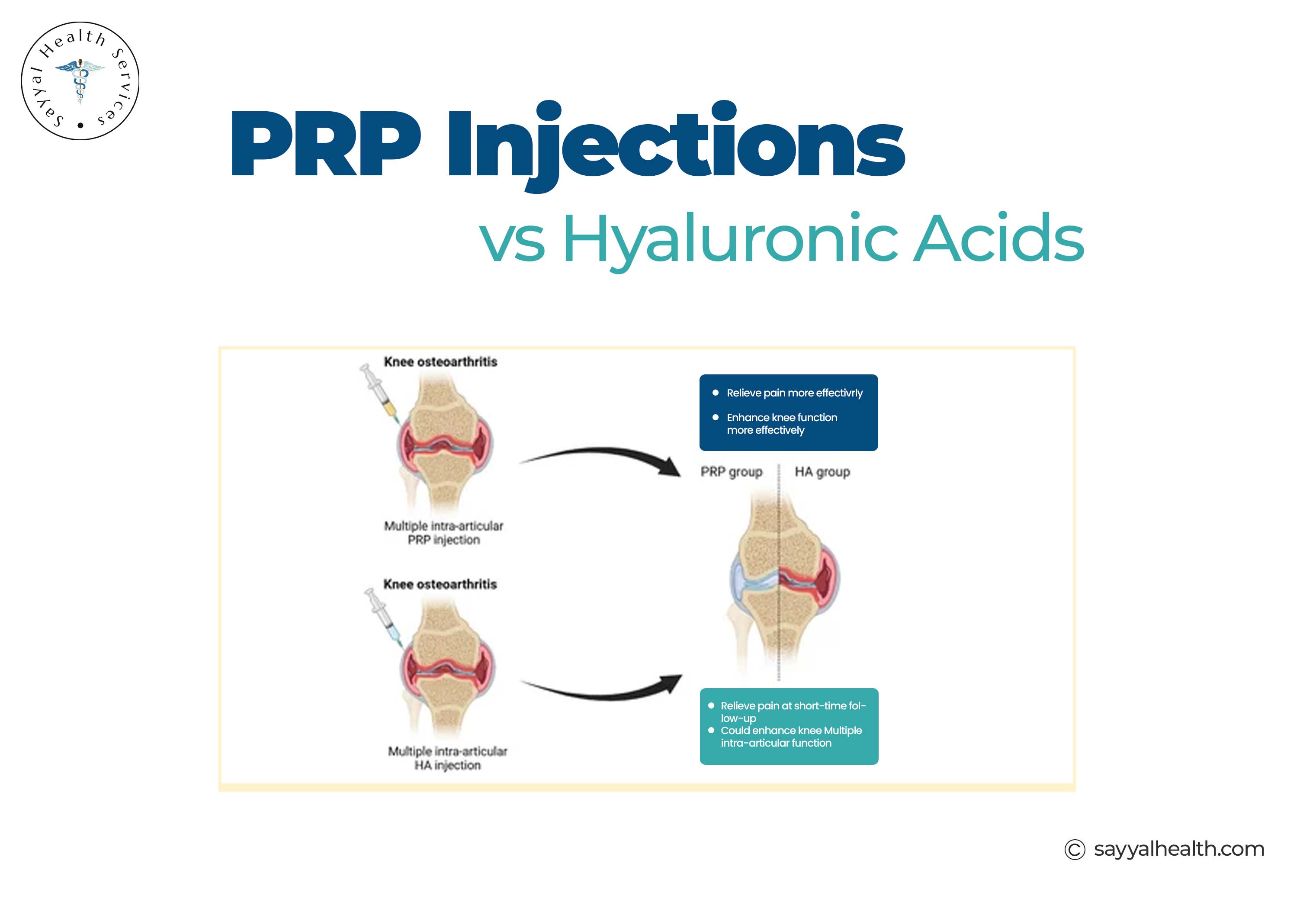
PRP is better for knee osteoarthritis treatment than hyaluronic acid. Viscosupplementation (another name for HA) is a treatment that works as a shock absorber and lubricant.
Lubricating the joints helps cartilage move smoothly. Studies show that PRP can heal disease for a long time, while HA provides temporary solutions. The results of platelet-rich plasma injection go to 6-12 months. However, HA remains effective only for weeks.
Comparatively, PRP is more expensive than HA, as its costs range from $500-$2500, depending on the sessions. But the effect of the injections remains for years.
PRP reduces the need for painkillers as it manages pain effectively. It targets the main sources of pain that reduce the need for medication. Above all, it reduces the need for NSAIDs to eliminate pain. NSAIDS are non-steroidal anti-inflammatory drugs that manage pain effectively.
Reducing the use of NSAIDs also reduces the risk of gastrointestinal, renal and cardiovascular complications. Similarly, it lessens the opioid injections that are used to activate receptors to block pain signals.
In most critical conditions, opioid injection is given to patients to reduce the pain intensity. Although PRP cannot replace the painkillers. But it lessens the need for painkillers. During the PRP treatment, patients need short-term pain relief medicines. Because PRP does not provide immediate relief from pain.
Before getting the treatment, you should know the PRP side effects. There are mild symptoms, pain and risks of injection. However, in case of pain, it can last for 7 days while the intensity remains only for 3 days.
Follow the R.I.C.E. method for managing swelling. Rest the place, apply ice, compress with a bandage and raise the area above heart level.
However, bleeding and bruising can happen in some cases. But they remain only for a few days. These are rare risks comparable to NSAIDs.
Precautionary measures are important to take during this whole procedure.
Otherwise, an improper injection can lead to tissue damage. Nerve and vessel injury are also some of the rare risks of treatment. However, these risks are avoidable if physicians follow standard protocols.
Many patients have shared their experiences of PRP treatment for joint pain relief. These experiences show the success of platelet-rich plasma injections in treating joint pain.
John, who is a 58-year-old avid golf player, got PRP treatment for his OA knee. Most players returned to the tennis field after 6 months of treatment. One patient is now able to walk with a dog without pain. This treatment is not a 100% pain relief. But, gradually, it shows effective results, especially within 4 days. The condition of each patient differs, so the results vary accordingly. It is not necessary that the outcome of each patient is the same.
PRP injection is an effective treatment for reducing joint pain. No matter the cause of joint pain. Its autologous method provides better results with low risks.
Patients don’t need to go for surgeries, hospitalization, painful treatment and painkillers. It manages pain effectively and improves joint function for a long time.
However, all you need to do is Book an Appointment with Sayyal Health for this treatment where Dr. Safwan Sayyal provides specialized medical services tailored to your health needs.
Does PRP really work for joints?
Yes, PRP (Platelet-Rich Plasma) therapy can help reduce pain and improve joint function for some patients. It works by using platelets from your own blood to support tissue healing and reduce inflammation, especially in conditions like arthritis or tendon injuries.
How much do 3 sessions of PRP cost?
The cost varies by clinic and location, but three PRP sessions typically range between $1,000 and $3,000 or more. Many clinics recommend multiple sessions for better results.
How long does it take for PRP to work on joints?
Most patients start noticing improvement within 2 to 6 weeks after the injection. Full PRP benefits may take several months as the body gradually heals and regenerates tissue.
What are the signs that PRP is working?
Signs that PRP is working include reduced joint pain, improved mobility, decreased swelling, and better overall joint function over time. Some people may also notice gradual improvement in daily activities.
Your feedback helps us create better content for everyone.