Contact Person:Dr. Safwan Sayyal
Working Hours:Mon - Fri: 9:00 AM - 5:00 PM
Contact:info@sayyalhealth.com







Published: September 18th, 2025Last updated: October 12th, 2026
Joint pain can make daily activities hard. PRP vs cortisone injections are two common treatments that can help. They work in different ways and should always be given under a specialist’s guidance. In this blog, we explain the differences between PRP and cortisone injections. This will help you understand how each works and which one may be better for managing your joint pain.
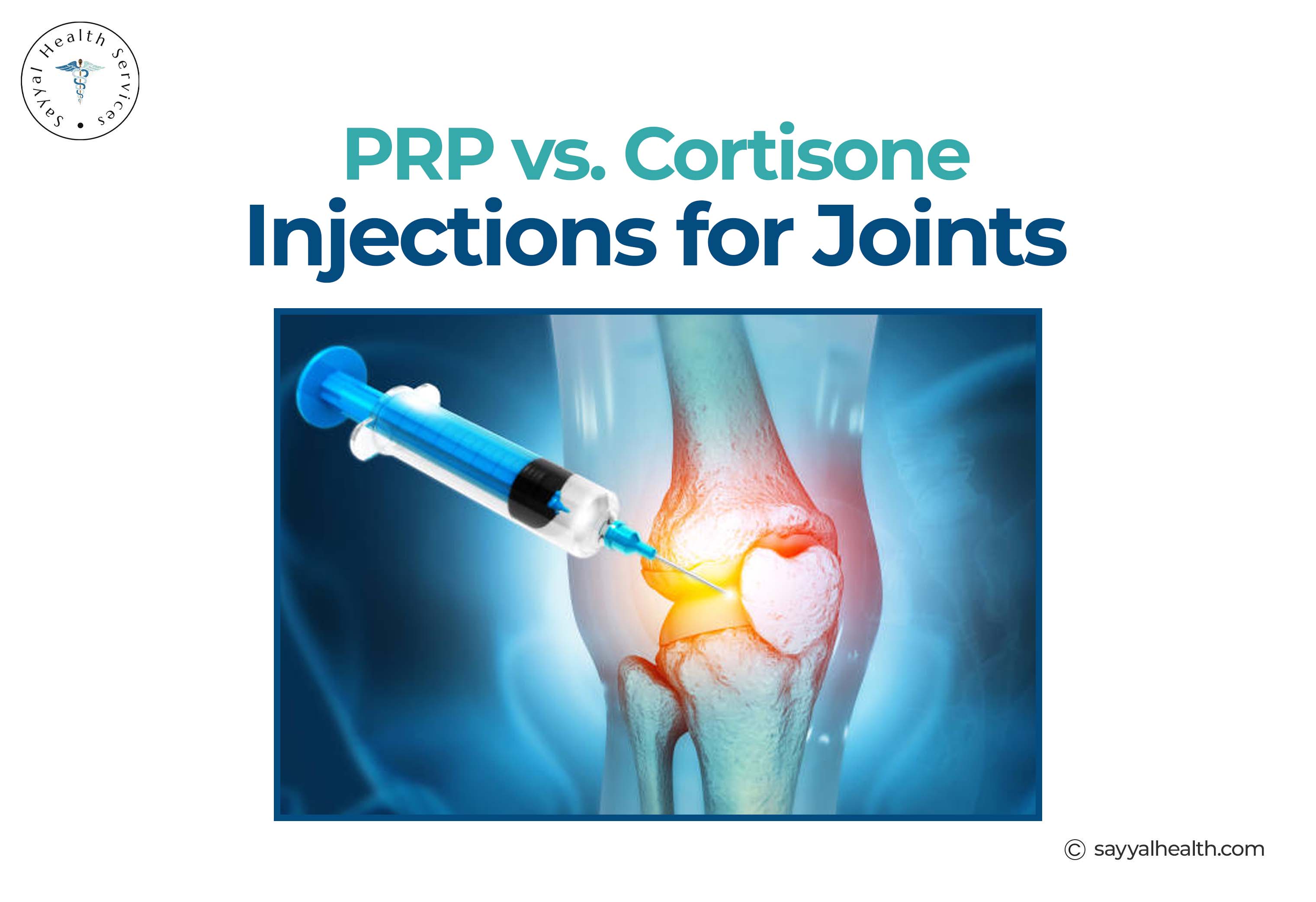
Joint pain can be so intense that it hinders our daily activities. It often causes burning, stiffness, cracking, and soreness that impedes smooth movement. There are multiple causes of joint pain. But joint pain with arthritis is the most common. There are multiple treatments, including traditional ones, for treating joint pain.
Both cortisone and PRP injections are for muscle and joint relief. Most often, patients are unsure which injection is appropriate. However, it would depend on multiple factors such as severity of injury, intensity of pain, and other conditions.
If you want to manage pain immediately, choose cortisone injections. But for long-term tissue healing and relief, PRP injection provides long lasting benefits. However, doctors' consultation is must and always come first. Let's understand the purpose of both these injections.
Cortisone is a steroid injection that helps reduce pain and inflammation. They mimic the natural hormone cortisol in the body to manage pain.
PRP Rich Plasma helps increase the natural healing process of joints. Cortisone and PRP injections differ in mechanism, effect, use, and limitation. However, both are commonly used for joint pain relief and treat injuries.
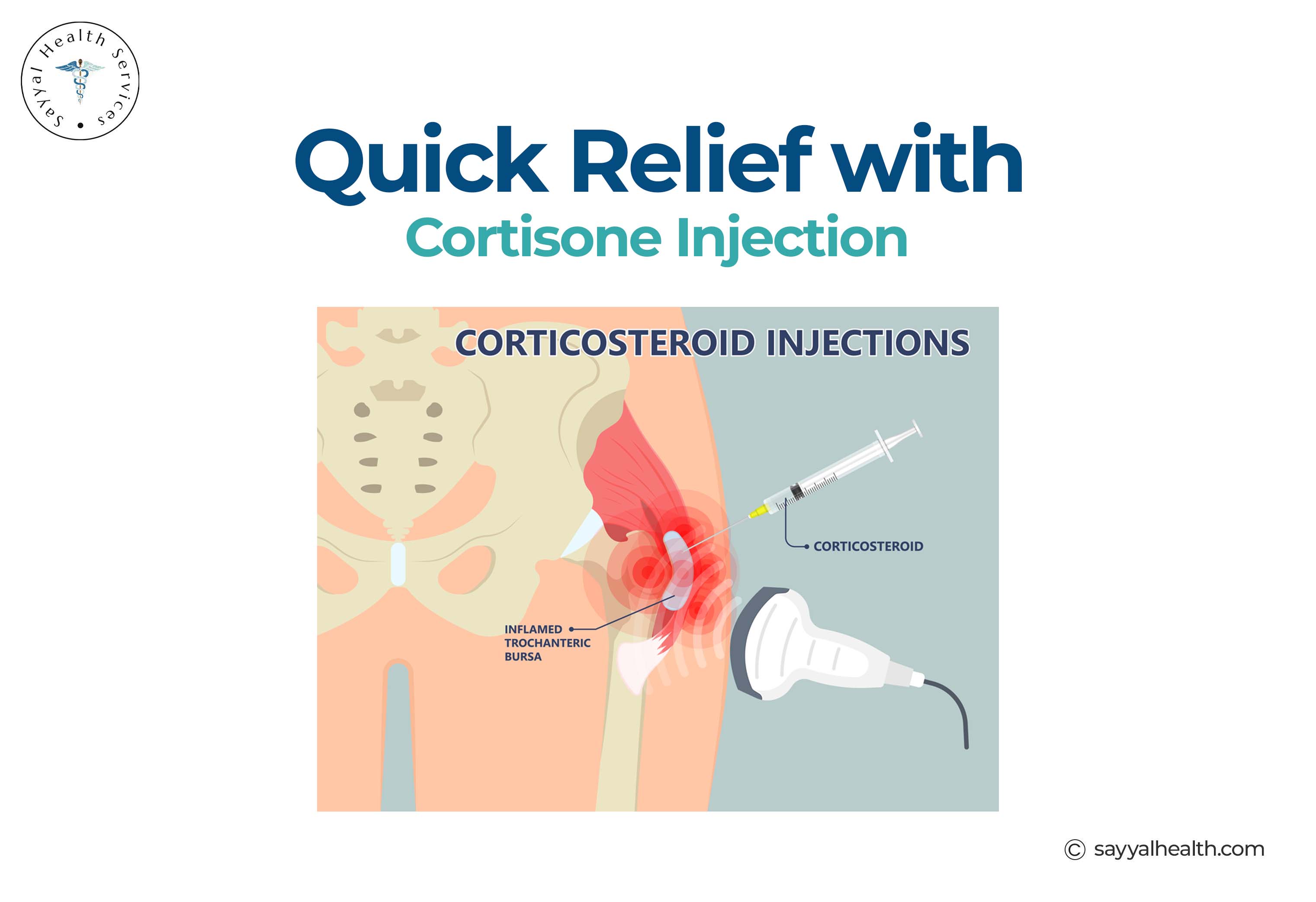
Cortisone shots also called corticosteroid or steroid injections, are synthetic versions of hormones your body already makes on its own. Doctors typically inject them into joints like the hips, shoulders, knees, wrists, and ankles. They can make a real difference for conditions such as tendinitis and arthritis. When arthritis pain flares up, cortisone can quickly bring down both the pain and swelling. When deciding between PRP and cortisone injections, cortisone is the go-to for fast relief, while PRP takes more time but supports your body's own natural healing process.
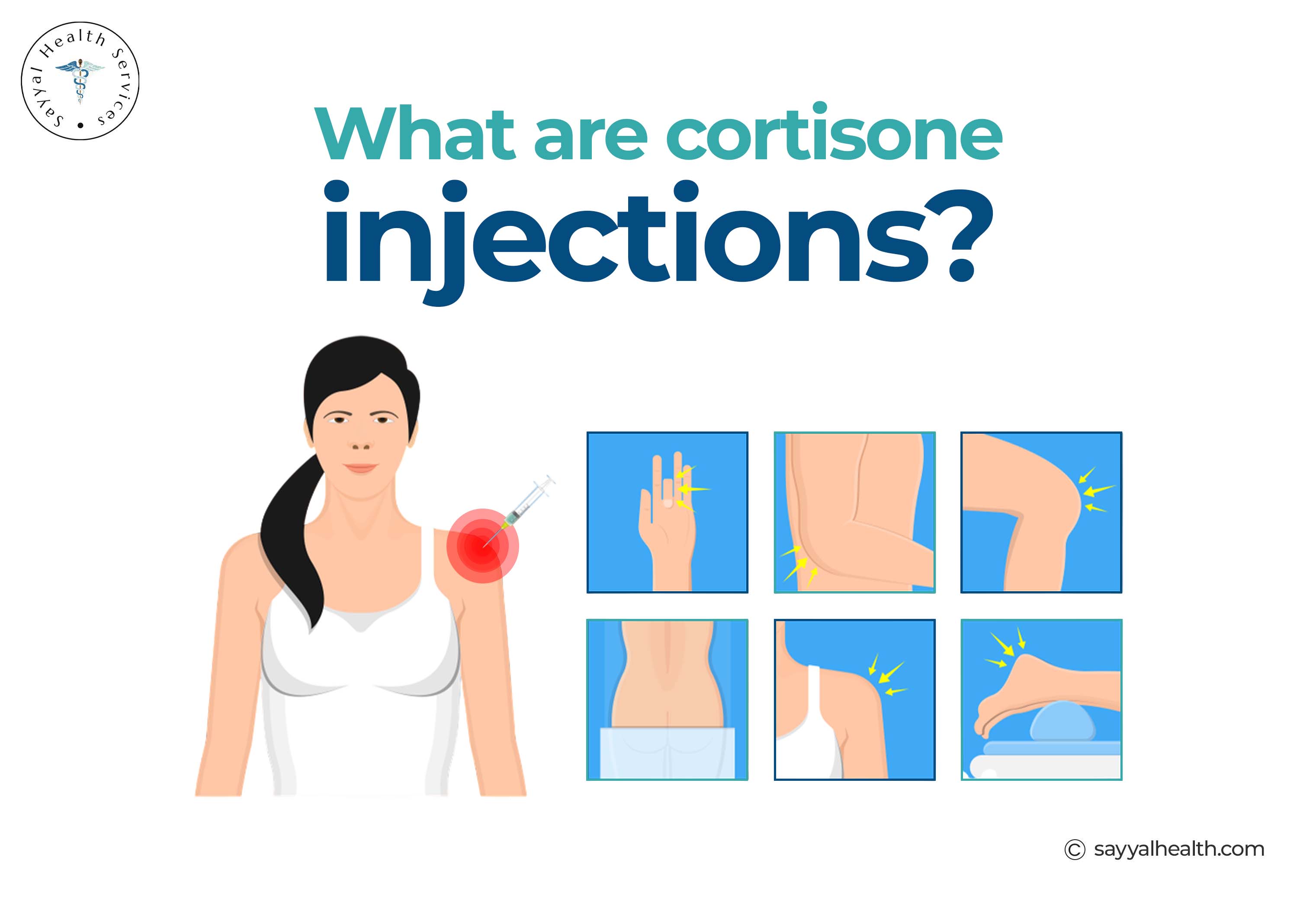
Cortisone injections are powerful anti-inflammatory treatments delivered directly into inflamed joints to provide targeted relief. They work by suppressing inflammatory mediators and blocking key inflammatory cytokines, including IL-1, TNF-α, and COX-2, which are responsible for triggering pain and swelling.
A qualified healthcare provider administers the cortisone injection carefully to ensure safety and precision.
The procedure itself is not intensely painful, and a local anesthetic is applied beforehand to numb the area around the injection site for added comfort. Most patients begin to notice meaningful improvement in pain and inflammation within 24 to 72 hours following the injection.
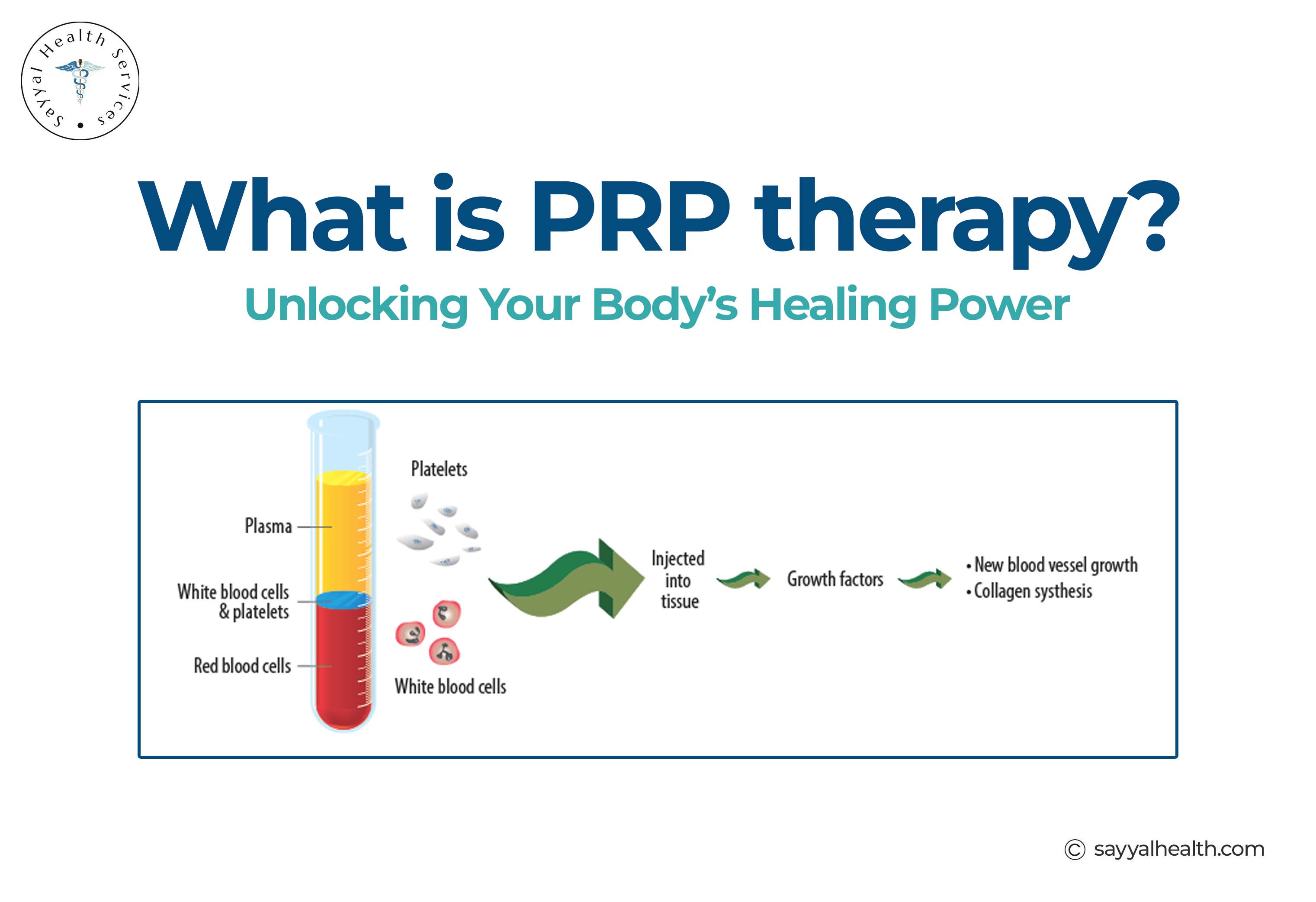
PRP therapy is a type of regenerative medicine. It uses the patient's own blood to promote natural healing. A small amount of blood is drawn and placed in a centrifuge. The double spin method separates the plasma from other blood components. This produces a concentrated solution rich in growth factors.
PRP is especially useful for treating joint problems like arthritis. It contains key growth factors including PDGF, VEGF, TGF-β, and IGF-1. These growth factors activate the body's own healing process.
Once injected, PRP works by repairing damaged tissues over time. This tissue repair gradually reduces pain and improves function. PRP is commonly used for mild osteoarthritis, tendinopathy such as tennis elbow and prp for rotator cuff tear injuries, and ligament sprains.
PRP therapy and cortisone injections are both popular treatments for pain and inflammation. However, they are quite different from each other. They differ in terms of source, mechanism, duration, side effects, and overall results. Cortisone is a synthetic corticosteroid, while PRP is made from the patient's own blood.
Both treatments work well for joint pain in the knee, shoulder, hip, and arm caused by arthritis. They are also effective for conditions like jumper's knee and tendonitis. But the key difference lies in how they work and how long they last.
Cortisone provides fast but short-term relief. PRP works more gradually but delivers longer-lasting results. Cortisone replicates cortisol, a hormone your body naturally produces, to reduce inflammation quickly. PRP, on the other hand, uses growth factors to support the body's own natural healing process.
In the comparison of PRP vs cortisone injection, the right choice depends on your condition and treatment goals. Here is a detailed comparison of both injections.
|
Factors |
Cortisone Injection |
Platelet-Rich Plasma Injection |
|
Source |
Synthetic Steroid |
Patients' own Blood |
|
Mechanism |
Suppress the patient's immune system to reduce pain and inflammation. |
Increases the healing process of the patient by regenerating tissues with the help of growth factors. |
|
Duration |
It provides results for a short duration. Its effect remains for a few weeks to months. |
Its effects are long-lasting. PRP effects remain from months to years. |
|
Cost |
Cortisone injections are comparatively less expensive than PRP. |
PRP injections are generally more expensive than cortisone injections. |
|
Patient Experience |
Patients experience it as a painless process. |
It is a tolerated process. However, in some cases, patients feel discomfort and pain. |
|
Side Effects |
Potential side effects are an increase in infection, thinning of the skin, and weakness of muscles. |
PRP has minimal side effects. |
|
Relief in Pain |
Cortisone provides immediate pain relief, but it remains only for a few weeks or months. |
PRP provides gradual and slow pain relief of long duration that lasts from months to a year. |
Cortisone is a man-made corticosteroid injection. It works like cortisol, a natural hormone your body already makes. It is injected directly into the painful joint to reduce swelling and ease chronic pain. It is one of the most common anti-inflammatory injections used for fast pain relief today.
Once injected, the cortisone shot attaches to special receptors in the body. This stops the body from making chemicals that cause swelling and pain. These chemicals are called leukotrienes and prostaglandins.
Corticosteroid injections also lower harmful substances in the body called IL-1, IL-6, and TNF-α. These substances increase inflammation and damage body tissues over time.
Cortisone injections work well for many painful conditions. These include joint pain, knee pain, hip pain, shoulder pain, rheumatoid arthritis, osteoarthritis, synovitis, and tendinopathy. They are also helpful for tendon injuries and speeding up recovery.
For people dealing with chronic pain, cortisone shots are a trusted non-surgical treatment option. A major medical review from 2015 confirmed that corticosteroid injections provide effective short-term relief for knee osteoarthritis. For quick pain management without surgery, cortisone injections remain a widely used and reliable choice.
Platelet-rich plasma therapy, also known as PRP treatment, is a regenerative medicine approach. It uses a patient's own blood to promote natural healing in the injured area. The process starts with drawing a small amount of the patient's blood. It is then spun in a centrifuge to concentrate the platelets and plasma.
Once the PRP injection is prepared, the healthcare provider injects it directly into the damaged joint or tissue. Instead of just reducing inflammation, PRP works by naturally boosting the body's own healing process. CaCl₂ is used as an activator to increase the concentration of growth factors in the plasma.
These growth factors include PDGF, TGF-β, IGF-1, and VEGF. Each one plays a specific role in healing and cell regeneration. PDGF recruits healing cells to the injured area to speed up recovery.
VEGF promotes the growth of new blood vessels. IGF-1 boosts cell growth and multiplication. TGF-β supports collagen production for stronger and healthier tissues.
Together, these growth factors activate special repair cells in the body. These cells improve blood supply and help rebuild damaged tissues naturally. This makes PRP a popular non-surgical treatment for joint pain, knee pain, shoulder pain, sports injuries, osteoarthritis, and tendon healing.
A 2021 meta-analysis published in the British Journal of Sports Medicine found that PRP provides better long-term pain relief than cortisone and placebo. These results were especially strong after six months in patients with chronic tendinopathy.
There are numerous benefits of cortisone injections. One of them is that it provides immediate relief, as it is anti-inflammatory. It is the fastest intervention for acute inflammation. This acute inflammation treatment is widely available in all clinics with a standard procedure. It has a strong evidence base due to its decades of robust clinical research and use. Its effect remains for a short duration. But its cost is lower than the other treatments, specifically PRP (platelet-rich plasma).
When it comes to long-term benefits, PRP therapy is best. It heals naturally beyond pain relief. Platelet-rich plasma heals tissues by promoting the actual structural repair, like neocollagenesis in ligaments and tendons. Neocollagenesis creates new collagen.
One benefit of PRP injection is that it slows down the process of cartilage degradation. This treatment has minimal risk, unlike steroids. There is no risk of weakening of tendons and toxicity to cartilage. It has a more sustained effect than cortisone. According to Am J Sports Med 2020, PRP shows the structural improvement in level 1 RCTs of rotator cuff tendinopathy.
It is important that the patient be aware of the potential risks and side effects of both cortisone and PRP. The risks associated with cortisone are
Like steroid injections, platelet-rich plasma also has some risks and side effects. These are
PRP therapy is comparatively more expensive than cortisone injections. Moreover, it has limited insurance, while cortisone is fully insured. Under CPT 20610/20611 codes, cortisone injection expenses are covered by insurance. CPT code 20610 is for the procedure without ultrasound. With the ultrasound procedure, the CPT code is 20611. However, the cost of cortisone treatment ranges from $50 to $200.
CPT code 0232T covers the procedure of PRP, including drawing blood, harvesting, its preparation, and injection under imaging guidance. PRP therapy pricing ranges from $500 to $2500. Its expenses are not covered by any kind of insurance. However, the facility fee applies to both treatments. It usually involves expenses for facilities, operations and infrastructure.
According to the cost, which treatment is more effective depends on the results. Cortisone injections are cheaper, but they provide a solution only for a short duration. On the other hand, PRP therapy is expensive, but it provides long-term results. Depending on the results, the cost of PRP treatment is justifiable.
Now the question is what treatment is best to manage pain and disease. First of all, always consult your doctor when it comes to treatment. However, choose a cortisone injection if you want immediate relief at an affordable cost. Moreover, for an acute inflammation, cortisone injections are preferable.
If you have mild osteoarthritis, especially in the knee, and chronic tendon injuries such as tennis elbow and plantar fasciitis, choose PRP. This treatment is also suggested if you want a long-term solution and to heal tissues naturally. In case cortisone injections fail and you have contraindications to steroids, go for PRP therapy. If the injury is severe and osteoarthritis is in the last stage, PRP is not recommended; surgery is the solution in that case. In this matter, consultation with a sports medicine physician is important. Also, assessment is essential to diagnose the real cause of the issue.
According to meta-analyses and recent studies, PRP shows better results for the long term. According to the sources of AJSM (2013) and PM&R (2020) for tendonitis, PRP provides long-term functional results in comparison to corticosteroids. A systematic review of Arthroscopy (2019) of knee osteoarthritis shows a better score for PRP at 6 to 12 months for pain. However, its structural modification is still under investigation.
In treating chronic rotator cuff tendinopathy, PRP shows better results after 6 months, according to ASJM. According to them, it shows a limited long-term functional improvement in rotator cuff tendinopathy. There are risks associated with repeated injections of cortisone that often result in osteoarthritis disease progression. In addition, research shows that the variability of PRP, like leukocyte-rich PRP and leukocyte-poor platelet-rich plasma, provides different outcomes.
How Long Does Cortisone Relief Last?
The duration of cortisone relief ranges from a few weeks to months. However, the exact duration of cortisone relief varies from patient to patient.
Is PRP Painful?
Generally, PRP is not painful. But patients can feel discomfort. After a few days of injection, some patients experience soreness, stiffness, and swelling in the injected area. The pain will be milder than the original pain, which remains only for 5 days.
How Many PRP Injections Are Needed?
The number of injections depends on the patient's condition and the severity of the disease. A patient with mild pain only needs one injection. However, in moderate pain, 3 injections are given 3-6 weeks apart.
Can I Get Cortisone If I Get Diabetes?
Yes, you can take cortisone under a physician's supervision if you have diabetes. However, you should be aware of all risks. Because it can cause a rise in blood sugar level. This issue will be resolved within days if precautionary measures are taken.
Is PRP Effective for Back Pain?
Yes, PRP is effective for back pain. The use of PRP for all types of back pain is not established yet. But it is useful, especially in degenerative issues.
This blog concludes that PRP is an effective treatment for limited long-term pain relief. It is also beneficial for natural joint and muscle recovery. Cortisone injection has its own pros and cons. It also manages pain immediately in acute inflammation. However, its effect remains only for months. Moreover, they are artificial steroids. But platelet-rich plasma enhances the natural healing process to treat tendinitis and osteoarthritis.
Pain management consultation is crucial for better treatment. If you are looking for a professional general practitioner for PRP, don’t wait; schedule an appointment today with Sayyal Health for a PRP consultation.
Your feedback helps us create better content for everyone.