Contact Person:Dr. Safwan Sayyal
Working Hours:Mon - Fri: 9:00 AM - 5:00 PM
Contact:info@sayyalhealth.com



Published: July 24th, 2026Last updated: September 23rd, 2026
Melanoma is one of the most treatable skin cancers when detected early. Treatment usually begins with surgery; however, more advanced melanoma may require immunotherapy, targeted therapy, radiation therapy, or a combination of treatments.
Every melanoma treatment plan starts with staging. Staging describes how far the cancer has progressed. It is based on the thickness of the tumour (Breslow depth), whether it has ulcerated, whether cells have reached nearby lymph nodes, and whether there is spread to distant organs.
Melanoma is generally staged from 0 (melanoma in situ, confined to the outer skin layer) through to IV (spread to distant sites such as the lungs, liver, brain, or bone). A multidisciplinary team, typically a dermatologist, surgical oncologist, medical oncologist, radiation oncologist, and pathologist, reviews each case together, since treatment options for melanoma often overlap and sequencing matters.
Several factors shape the final recommendation:
Because these variables differ so much from person to person, two people with what looks like a similar mole can end up on quite different treatment pathways.
This is why an individual discussion with a specialist is important.
Surgery is the primary treatment for melanoma at almost every stage. But for early-stage disease it is often the only treatment needed.
Once a biopsy confirms melanoma, the next surgical step is usually a wide local excision. This involves removing the original melanoma site along with a margin of surrounding healthy-looking skin, to catch any cancer cells that may have spread into nearby tissue.
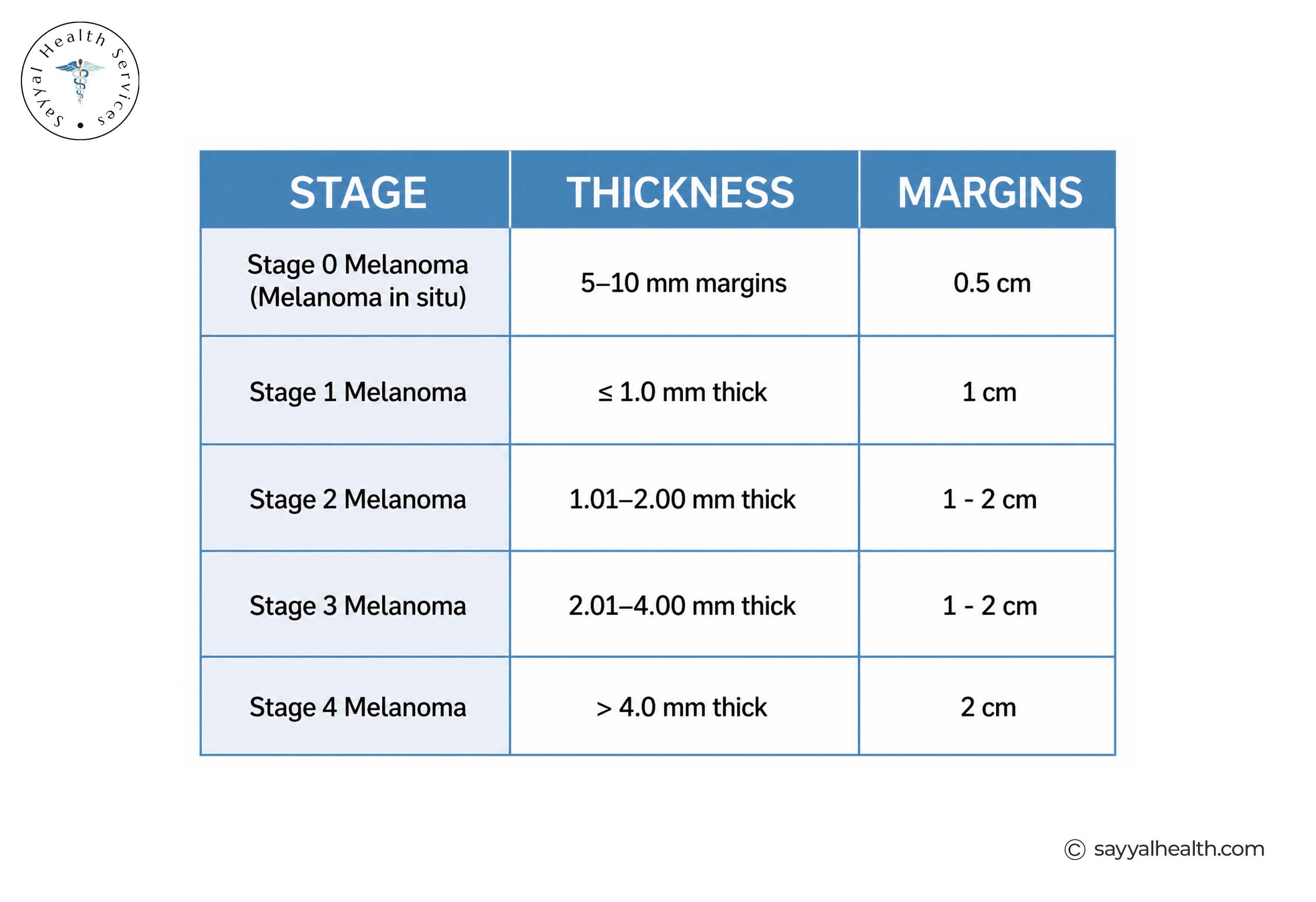
The width of the margin depends on the tumour's thickness:
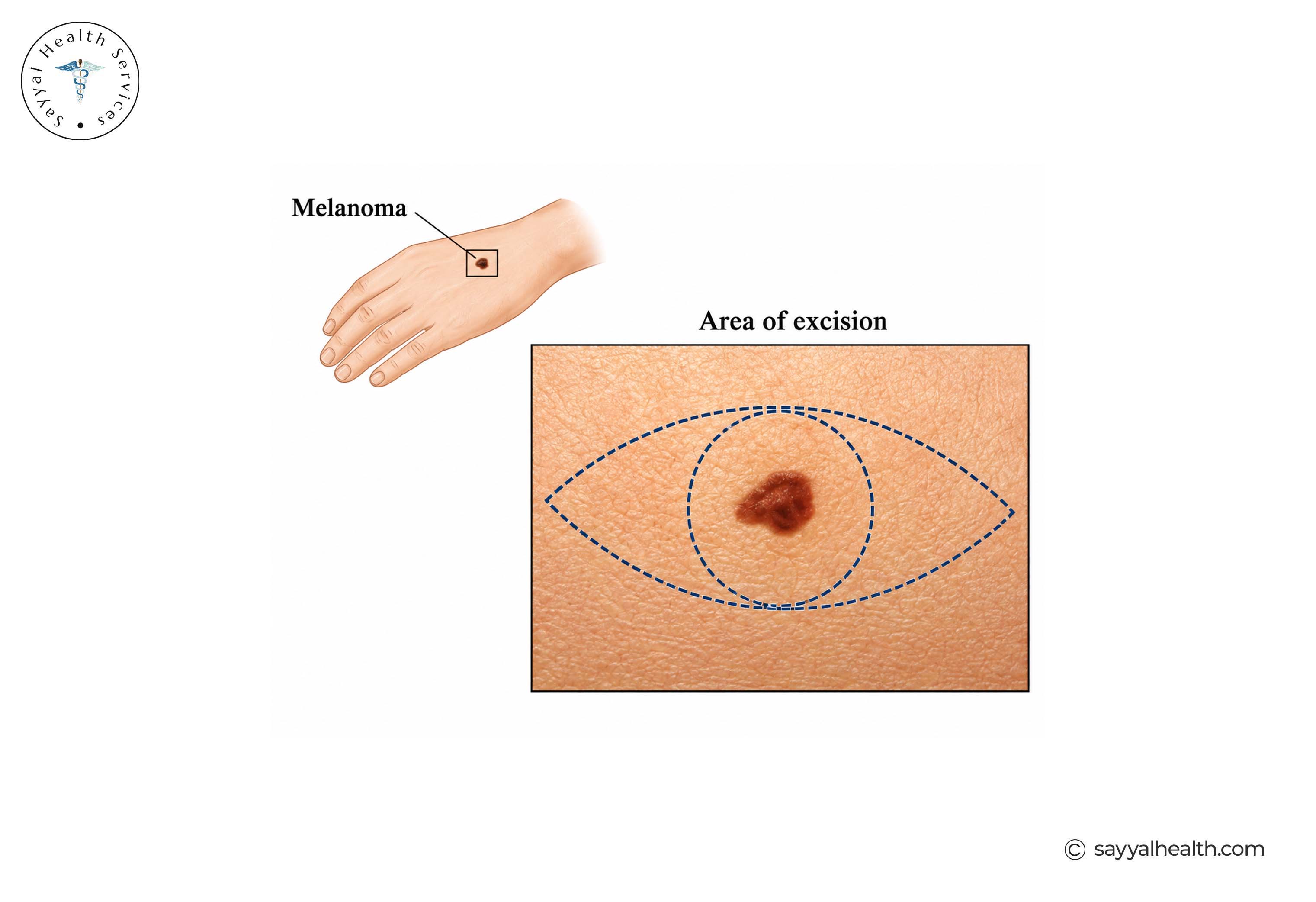
The procedure is usually done as day surgery using either local or general anaesthetic. If a large area of skin is removed, especially on the face, hands, or scalp, a skin graft or flap may be needed to close the wound. Recovery usually takes a few days to a few weeks, depending on the size and location of the surgery.
For melanomas thicker than 0.8 mm, or thinner melanomas with high-risk features such as ulceration, doctors often recommend a sentinel lymph node biopsy performed at the same time as the wide local excision.
The sentinel node is the first lymph node (or nodes) that melanoma cells would reach if they were to spread from the primary site. A small amount of radioactive tracer and blue dye is injected near the melanoma, allowing the surgeon to identify and remove this node for examination under a microscope.
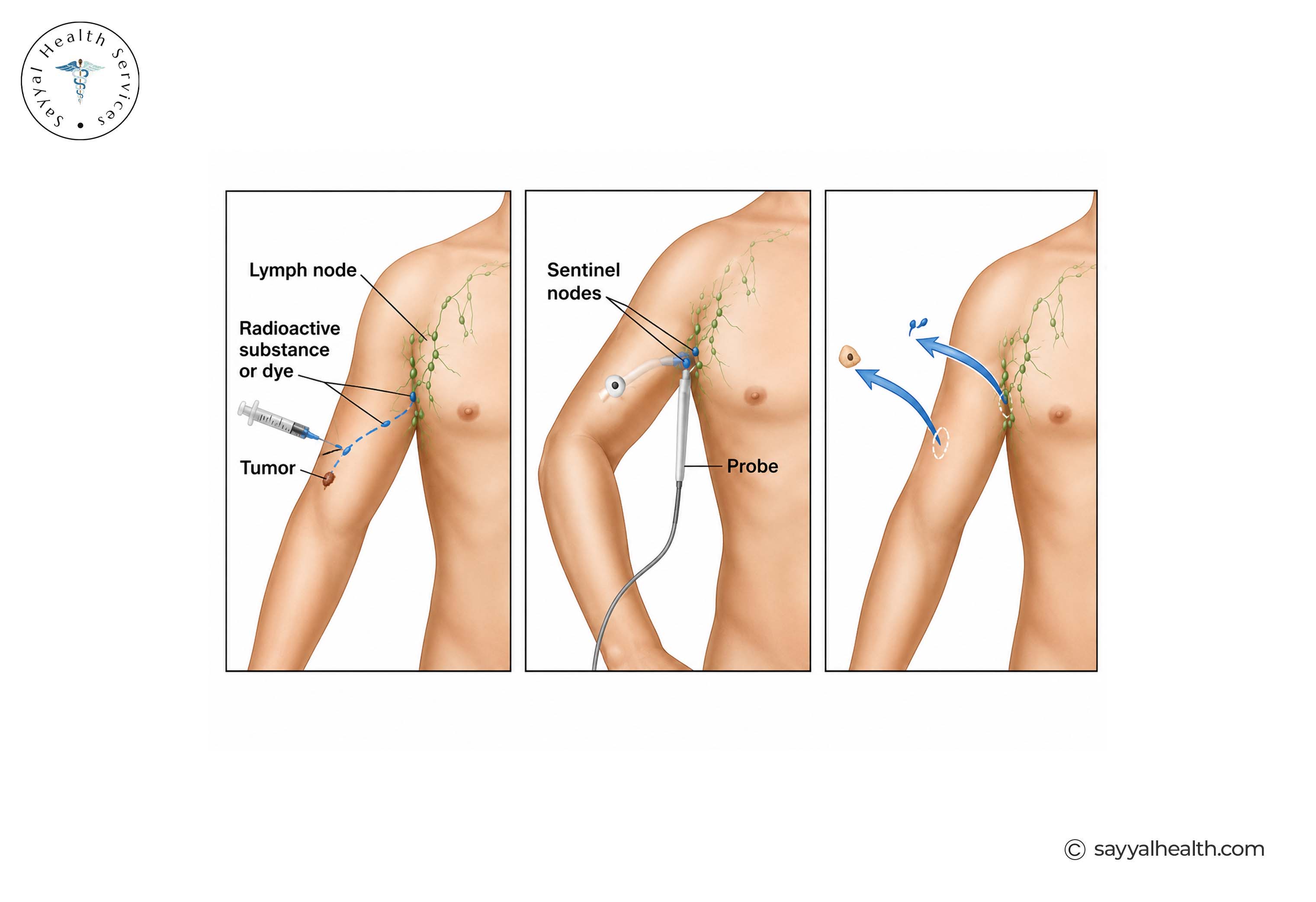
If the sentinel node is clear of cancer cells, no further lymph node surgery is usually needed. If cancer cells are found, this provides important staging information and opens a discussion about further treatment, which may include additional imaging, adjuvant systemic therapy, or in some cases further lymph node surgery.
When melanoma is confirmed in one or more lymph nodes, either through sentinel node biopsy or because a swollen node is detected on examination or imaging, a lymph dissection may be considered. This procedure, also called a lymphadenectomy, removes the group of lymph nodes in the affected region (commonly the neck, armpit, or groin).
Practice around lymph dissection has shifted in recent years. Because systemic treatments such as immunotherapy and targeted therapy have become more effective at controlling nodal disease, a full dissection is no longer automatic every time a dissected lymph node would previously have been recommended. Many patients with limited nodal disease are now managed with close monitoring plus systemic therapy rather than immediate surgery, though a full dissection is still appropriate for some.
Lymph dissection carries a risk of lymphoedema, persistent swelling in the limb where nodes were removed, along with wound healing issues, numbness, and infection risk. Physiotherapy and compression garments can help manage lymphoedema if it develops.
Immunotherapy has changed melanoma treatment substantially over the past decade and is now a mainstay for higher-stage disease.
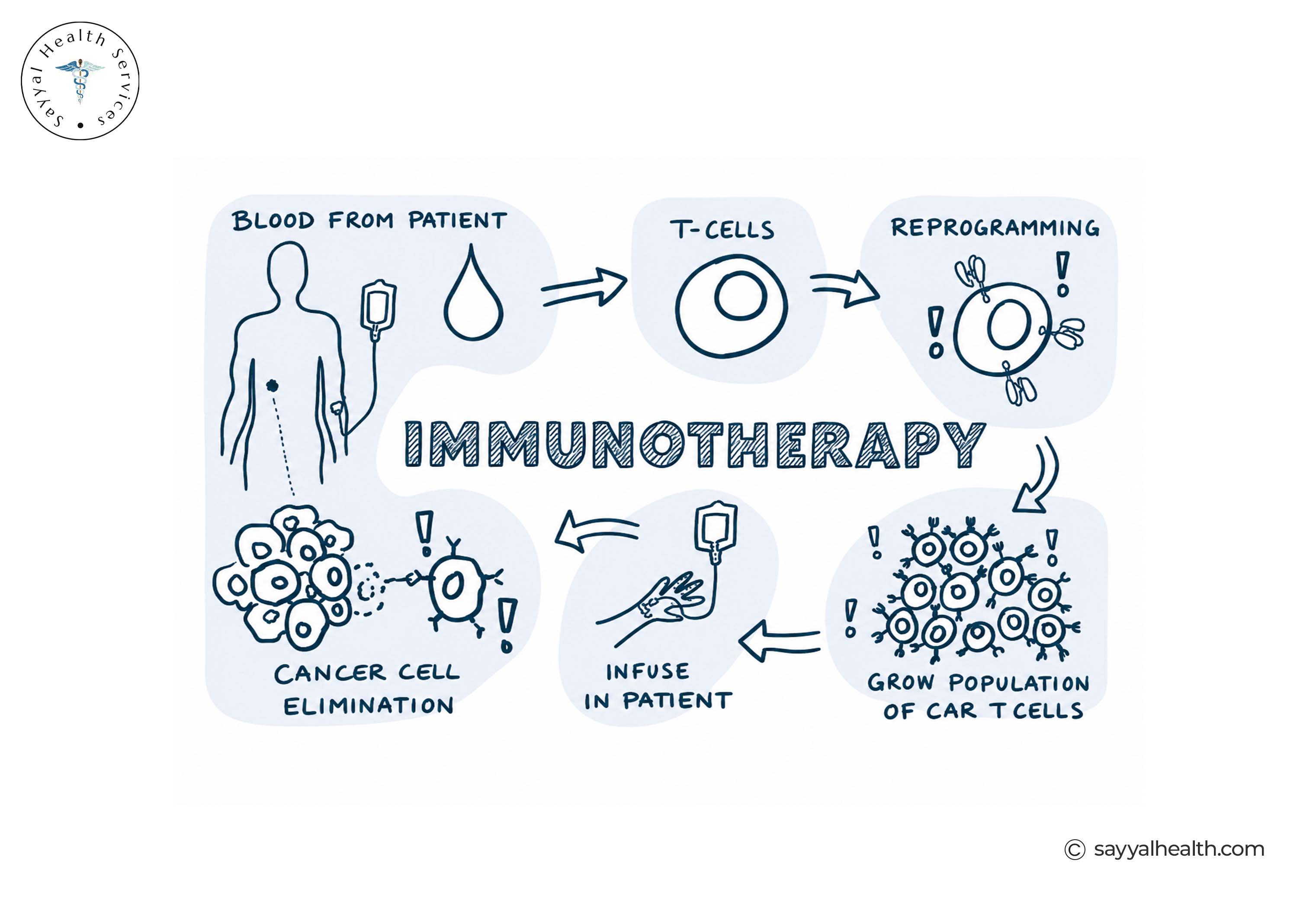
Immune checkpoint inhibitors work by blocking proteins that cancer cells use to hide from the immune system. Melanoma cells often exploit checkpoint proteins such as PD-1 and CTLA-4 to switch off the immune response against them. By blocking these checkpoints, the drugs allow the body's own T-cells to recognise and attack melanoma cells.
The main checkpoint inhibitors used in melanoma treatment are:
These medicines are given by intravenous infusion, typically every two to six weeks depending on the drug and dose. Because they work by activating the immune system broadly, side effects can include fatigue, skin rash, diarrhoea, and inflammation of organs such as the thyroid, lungs, liver, or bowel. These immune-related side effects can appear weeks or even months after treatment starts, so ongoing monitoring throughout treatment is standard practice. Most side effects are manageable when identified early, though some can be serious and require prompt medical attention.
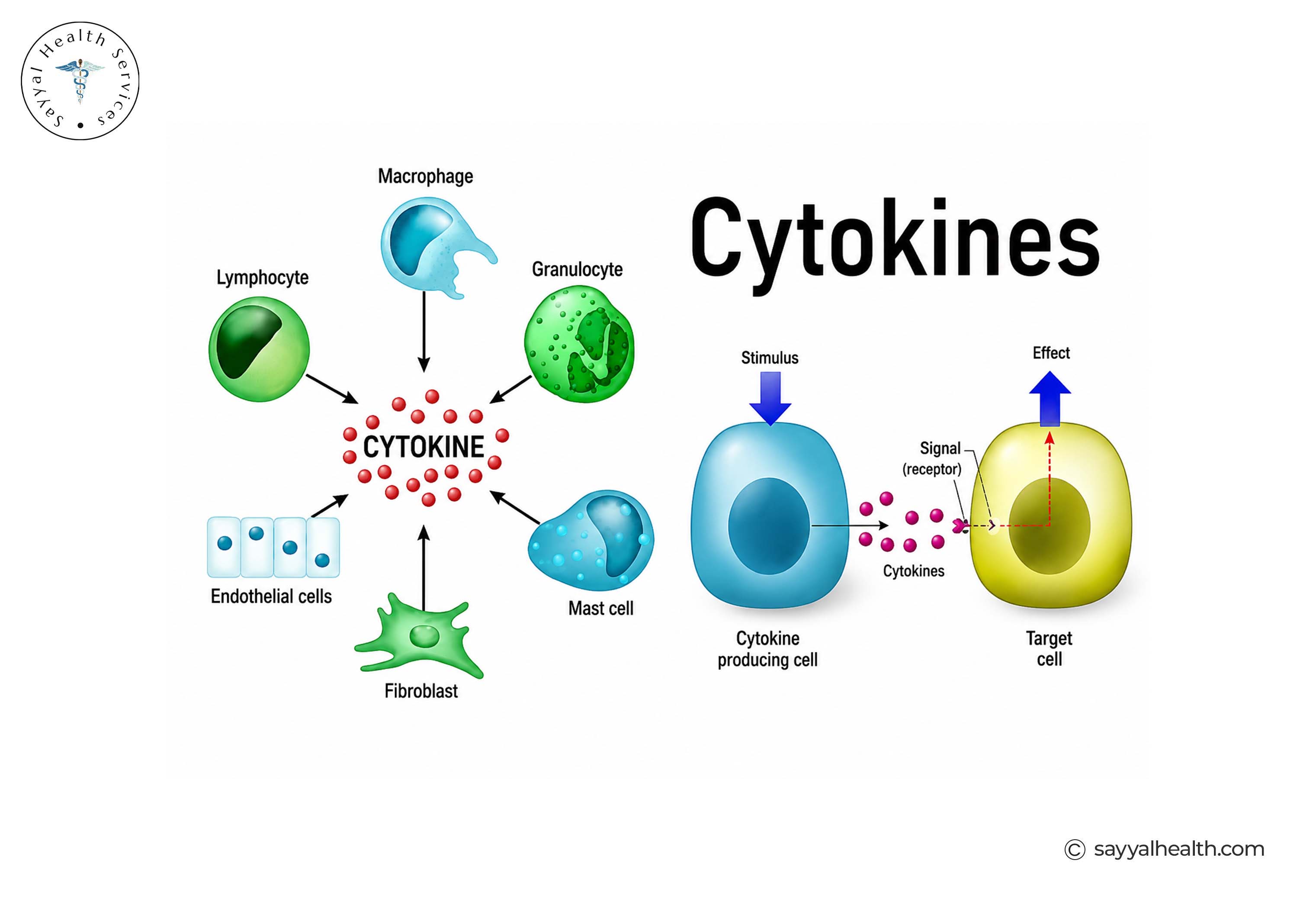
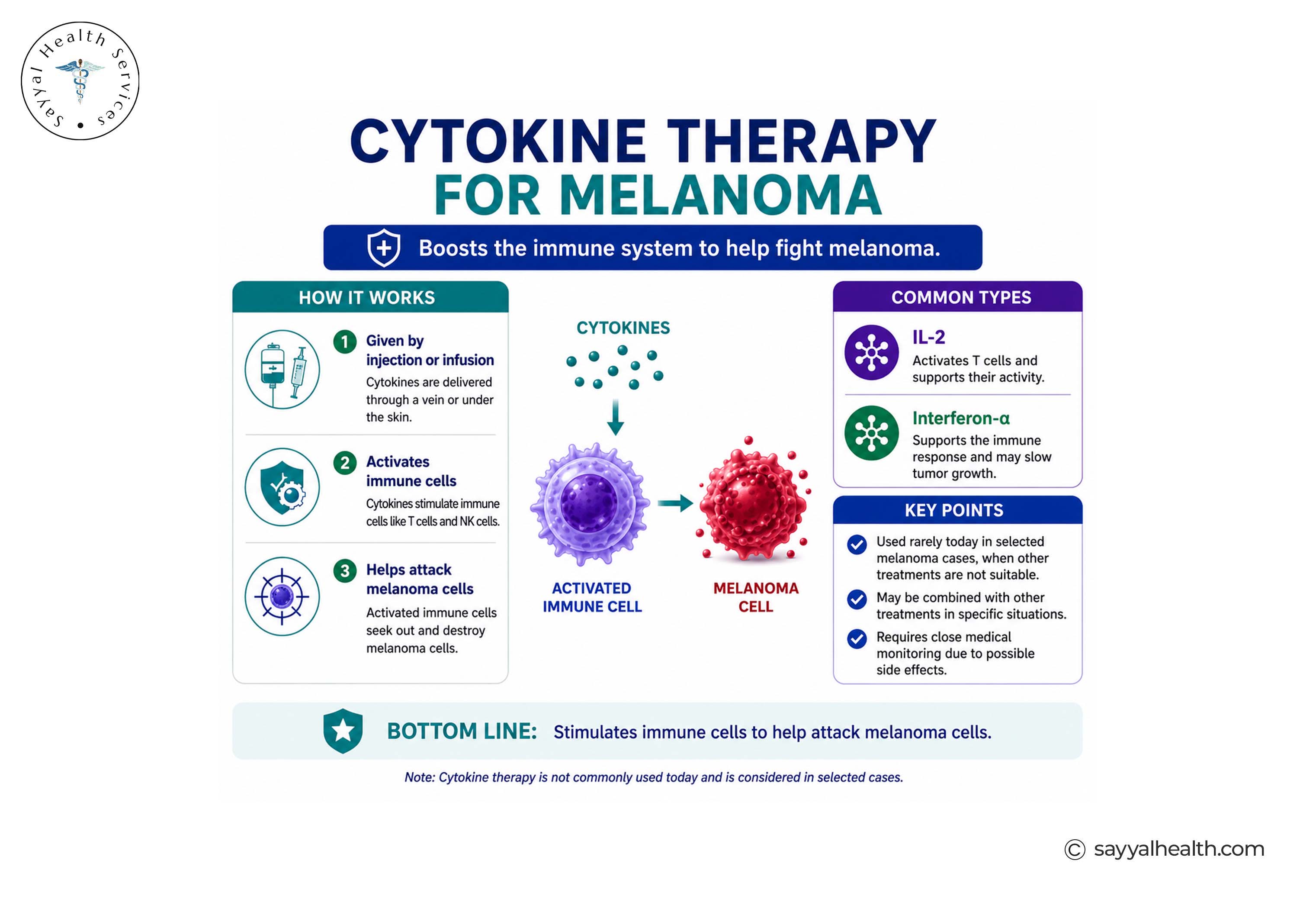
Before checkpoint inhibitors became available, cytokine therapies such as high-dose interleukin-2 and interferon-alpha were used to stimulate the immune system against melanoma. These treatments could cause significant side effects and required intensive monitoring, often in hospital. With the arrival of checkpoint inhibitors and targeted therapy, cytokine treatment now plays a very limited role in modern melanoma care and is rarely used outside select circumstances or clinical trials.
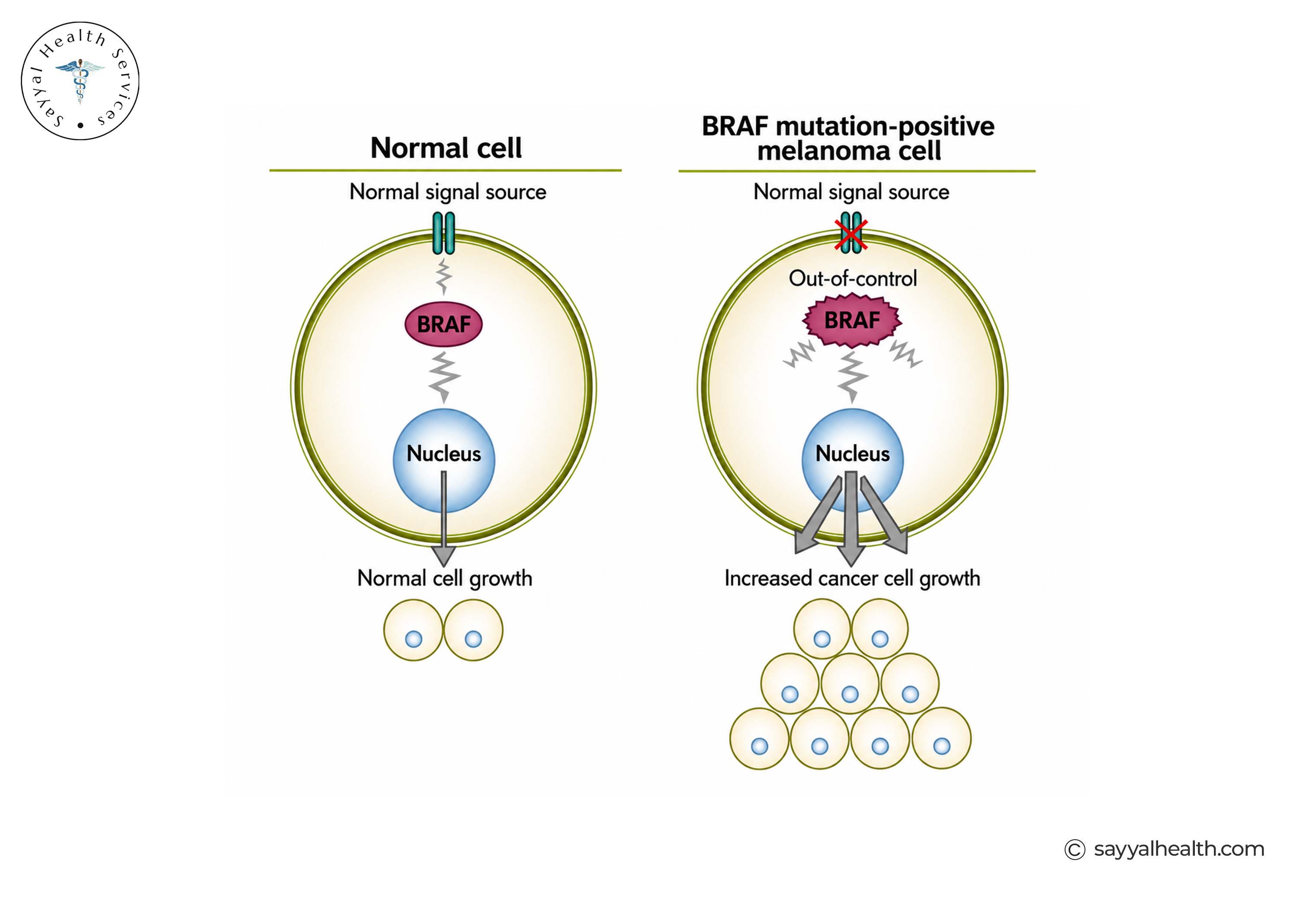
Targeted therapy takes a different approach to immunotherapy: rather than boosting the immune system, it directly blocks the specific molecular pathway driving melanoma cell growth.
Around 40–50% of cutaneous melanomas carry a mutation in the BRAF gene, most commonly BRAF V600E. This mutation causes melanoma cells to receive constant "grow and divide" signals. For stage III or IV melanoma, BRAF testing helps determine whether targeted therapy is a suitable treatment option. The test is usually performed on tissue removed during a biopsy or surgery.
If a BRAF mutation is present, doctors may prescribe a combination of a BRAF inhibitor (such as dabrafenib or encorafenib) and a MEK inhibitor (such as trametinib or binimetinib). These oral medicines block the overactive signalling pathway, causing tumour cells to stop growing and die off. Combination BRAF/MEK therapy is used both as adjuvant treatment after surgery for resected stage III melanoma and as a treatment option for advanced or metastatic disease.
Targeted therapy tends to act faster than immunotherapy, making it a consideration when a rapid response is needed. Its effects can also be shorter-lived in some patients, as melanoma cells may eventually develop resistance. Side effects differ from immunotherapy and can include fever, joint pain, skin changes, and fatigue. Patients without a BRAF mutation are not candidates for this type of targeted therapy, since the treatment specifically depends on that molecular pathway being present.
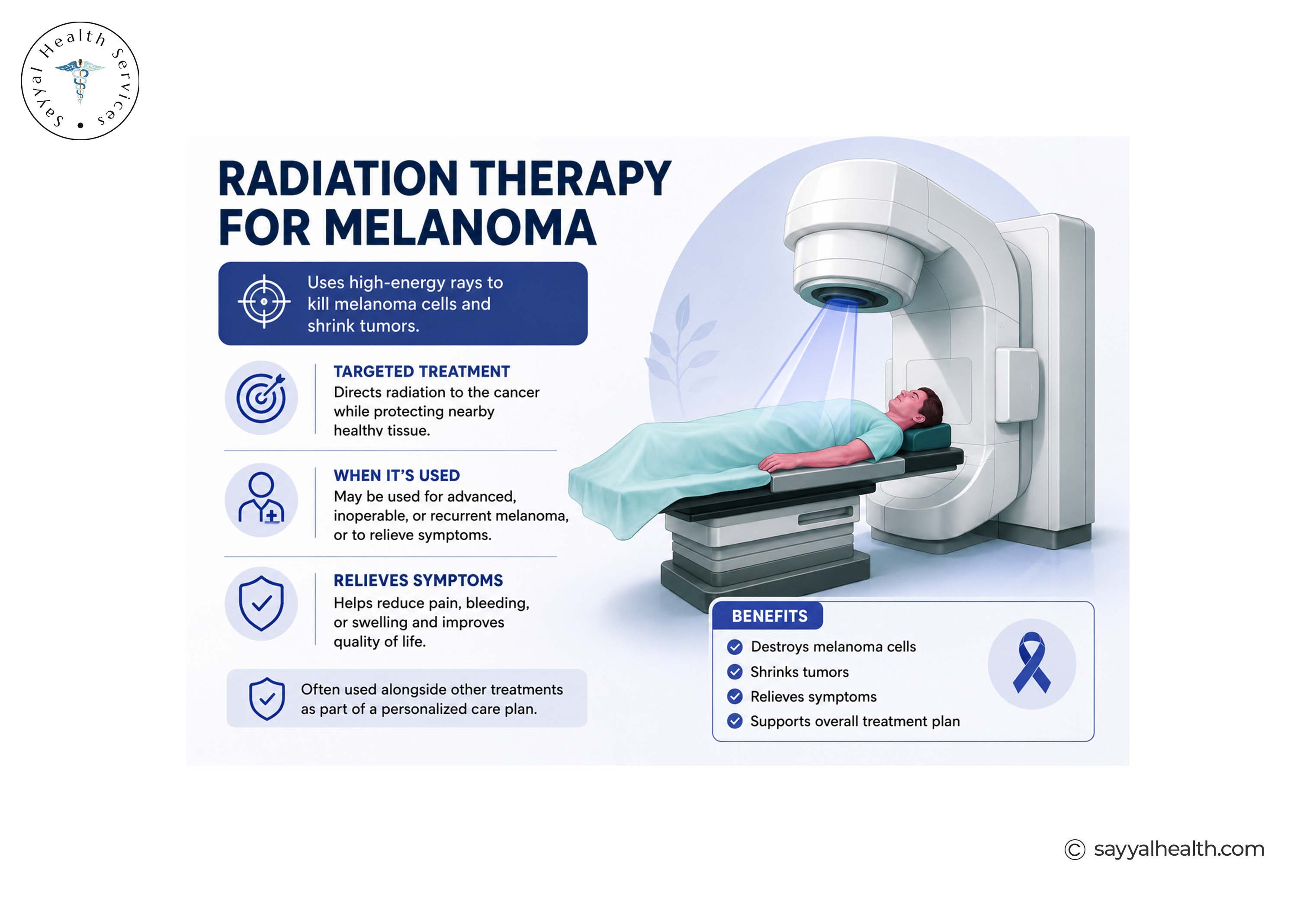
Melanoma radiation therapy is used more selectively than in many other cancers, because melanoma cells are relatively less sensitive to radiation than some other cell types. Even so, radiation plays an important role in specific situations.
Radiation therapy for melanoma may be recommended:
Modern radiation therapy uses precisely targeted external beams, guided by imaging, to minimise exposure to surrounding healthy tissue. A course of treatment is usually delivered over multiple sessions on an outpatient basis. Side effects depend on the treatment area but commonly include skin irritation, fatigue, and localised discomfort during and after the course of treatment.
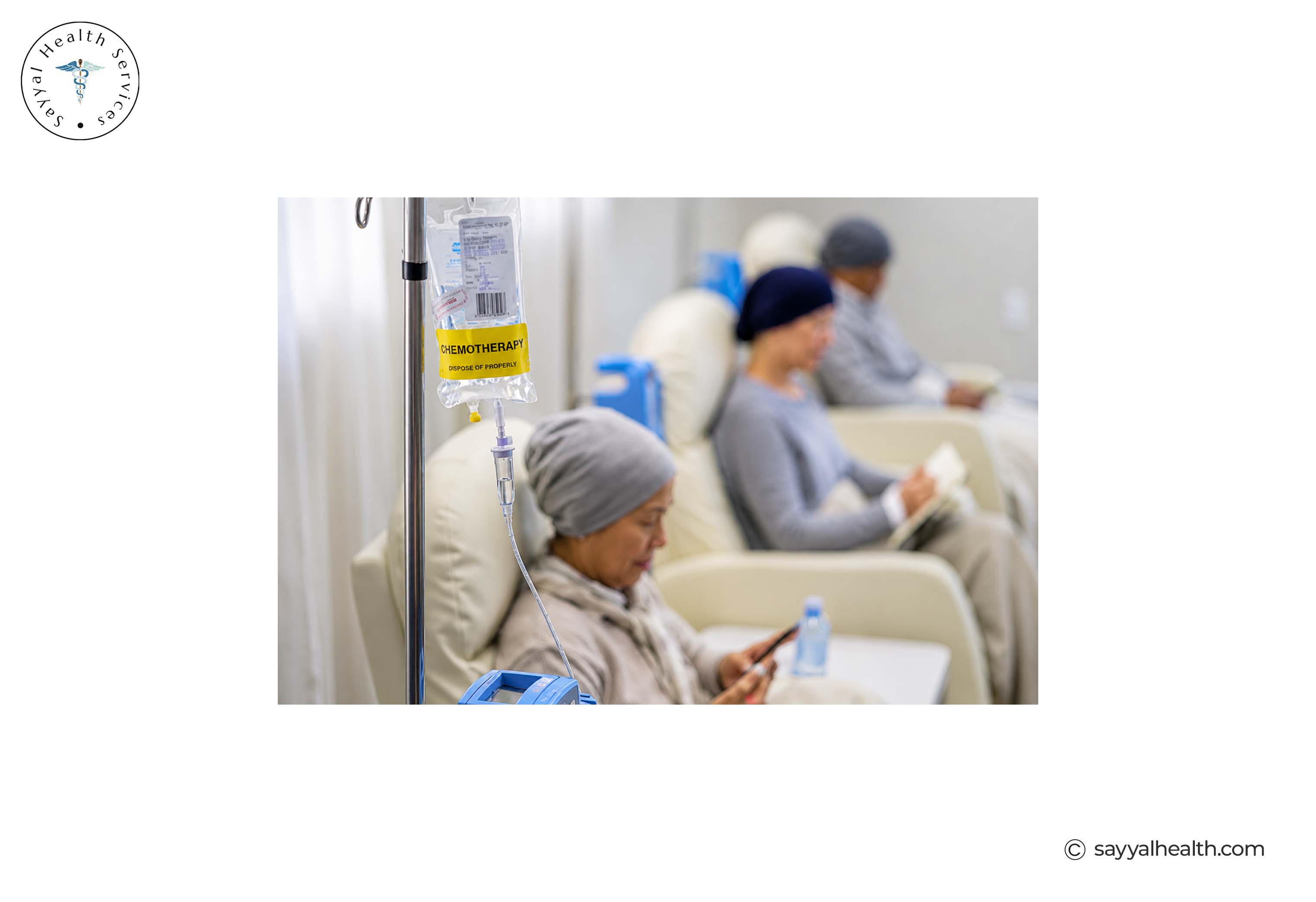
Chemotherapy for melanoma is no longer a first-line treatment because immunotherapy and targeted therapy usually provide better and longer-lasting results. However, it may still be used if these treatments are unsuccessful and unsuitable. For some cases, such as ocular or mucosal melanoma, doctors can recommend chemotherapy. However, it is usually given intravenously in cycles, with possible side effects including nausea, fatigue, hair thinning, and low blood cell counts.
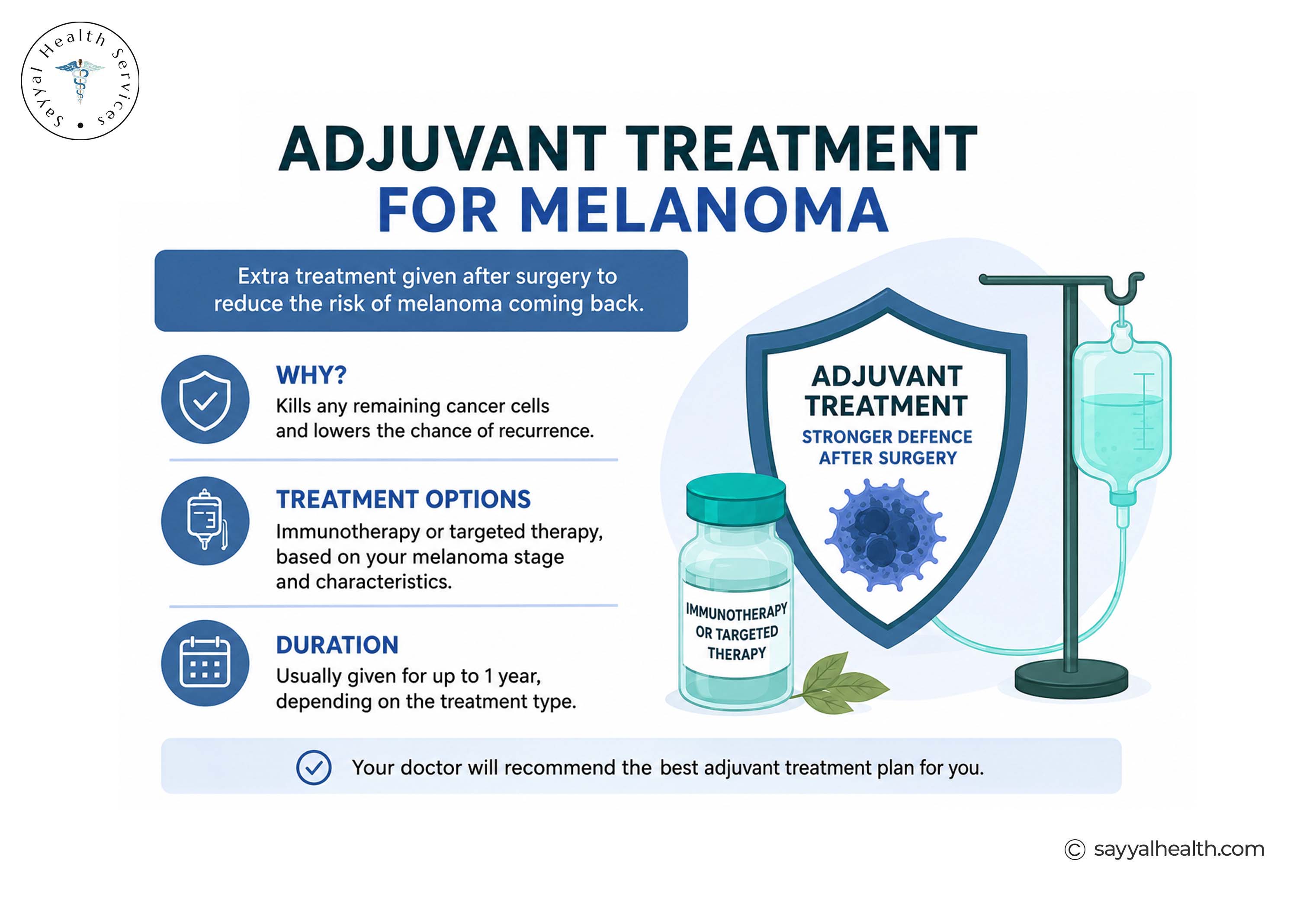
Adjuvant treatment for melanoma refers to systemic therapy given after surgery has removed all visible cancer, intending to reduce the chance of the melanoma returning. It's recommended based on the risk of recurrence after surgery, which is estimated from tumour thickness, ulceration, and lymph node involvement.
Current adjuvant options include:
Adjuvant treatment is usually given for up to twelve months. It reduces the risk of recurrence for many patients, but it does not guarantee that melanoma will not return, and the decision to proceed involves weighing potential benefit against the possibility of side effects. This is a genuinely individual decision, and your treatment team will talk through your specific recurrence risk based on your pathology results.
Neoadjuvant treatment is immunotherapy given before surgery for some patients with resectable stage III melanoma. It may shrink the tumour, treat microscopic cancer cells early, and improve event-free survival in selected patients. Common options include pembrolizumab or, in selected cases, nivolumab plus ipilimumab. A multidisciplinary team will decide whether this approach is appropriate before surgery.
|
Treatment |
How It Works |
Typically Used For |
|
Wide local excision |
Removes the tumour and surrounding tissue margin |
All stages, as primary treatment |
|
Sentinel lymph node biopsy |
Identifies whether melanoma has reached nearby lymph nodes |
Melanomas over 0.8 mm thick, or thinner with high-risk features |
|
Lymph dissection |
Removes an affected lymph node group |
Confirmed spread to regional lymph nodes |
|
Immune checkpoint inhibitors |
Reactivates the immune system against melanoma cells |
Stage IIB–IV, adjuvant or advanced disease |
|
Targeted therapy (BRAF/MEK inhibitors) |
Blocks the molecular pathway driving BRAF-mutated tumour growth |
BRAF-mutated melanoma, stage III–IV |
|
Radiation therapy |
Uses focused radiation to destroy cancer cells |
Selected nodal, unresectable, or palliative situations |
|
Chemotherapy |
Kills rapidly dividing cells throughout the body |
Advanced disease after other options are exhausted |
|
Stage |
Typical Treatment Approach |
|
Stage 0 (in situ) |
Wide local excision with narrow margins |
|
Stage I |
Wide local excision; sentinel node biopsy considered for higher-risk tumours |
|
Stage II |
Wide local excision, sentinel node biopsy; adjuvant immunotherapy considered for IIB/IIC |
|
Stage III |
Wide local excision, lymph node management, adjuvant immunotherapy or targeted therapy |
|
Stage IV |
Systemic therapy (immunotherapy and/or targeted therapy) as the primary approach; surgery or radiation for selected sites |
Individual circumstances can shift a patient toward or away from these typical pathways, so this table is a general guide rather than a fixed rule.
Recovery looks different depending on which treatments were used. After a wide local excision alone, most patients return to normal activity within one to two weeks, though larger excisions or skin grafts take longer to heal fully. Recovery after lymph node surgery tends to take longer, with attention needed for wound care and lymphoedema prevention.
Immunotherapy and targeted therapy are usually given as outpatient treatment, so patients continue day-to-day life during the course, though fatigue and other side effects can affect energy levels and work capacity. Regular blood tests and check-ins with the treatment team are part of managing these therapies safely.
After initial treatment, follow-up care focuses on detecting any recurrence early and monitoring for new melanomas, since a melanoma diagnosis increases the risk of developing another one. Follow-up typically includes:
Regular follow-up may continue for five years or more after higher-stage melanoma.
Australia has one of the highest melanoma rates in the world. Melanoma treatment follows national clinical practice guidelines developed by Cancer Council Australia and Melanoma Institute Australia to ensure evidence-based, high-quality care.
Treatment options, including surgery, immunotherapy, and targeted therapy, are available through Australia's public and private healthcare systems. The most suitable treatment depends on the stage of melanoma and your individual circumstances.
If you are concerned about melanoma, the experienced doctors at Sayyal Health can assess your skin, discuss the most appropriate management options, and guide you on the next steps. Book your appointment today.
Is surgery always needed for melanoma?
Surgical removal of the primary melanoma is standard for almost all stages, since it is the most effective way to remove the tumour itself. Additional treatments are added on top of surgery depending on stage and risk factors.
Does immunotherapy work for everyone?
No. Response to immunotherapy varies among patients; while many people benefit significantly, some do not respond, and side effects also vary. Your oncologist will discuss your individual likelihood of benefit based on your specific melanoma.
What is the difference between immunotherapy and targeted therapy?
Immunotherapy works by activating your immune system to attack melanoma cells, while targeted therapy directly blocks a specific mutated pathway (BRAF) driving tumour growth. Targeted therapy only works if that mutation is present in your tumour.
How long does adjuvant treatment last?
Adjuvant immunotherapy or targeted therapy is typically given for up to twelve months following surgery, though this can be adjusted based on side effects or individual circumstances.
Can melanoma come back after treatment?
Yes, melanoma can recur, which is why follow-up care and skin checks continue after initial treatment finishes. Recurrence risk depends on the original stage and individual risk factors, and your team will set a monitoring schedule based on your specific situation.
Is radiation therapy painful?
Radiation therapy sessions themselves are not painful. However, skin irritation and fatigue can develop over the course of treatment and in the weeks afterwards.
Treating melanoma skin cancer generally starts with surgery and, depending on stage and individual risk factors, may extend to sentinel lymph node biopsy, immunotherapy, targeted therapy, radiation, or chemotherapy. Each treatment option for melanoma carries its own benefits, risks, and evidence base, and the right combination depends on tumour thickness, lymph node involvement, BRAF mutation status, and overall health. Because treatment planning is individual, anyone diagnosed with melanoma should discuss their specific pathology results and treatment pathway directly with their dermatologist or oncology team.
This blog is for general educational purposes only and does not replace personalised medical advice. Always speak with a qualified dermatologist or oncologist about your specific diagnosis and treatment options.
Your feedback helps us create better content for everyone.