Contact Person:Dr. Safwan Sayyal
Working Hours:Mon - Fri: 9:00 AM - 5:00 PM
Contact:info@sayyalhealth.com








Published: September 16th, 2025Last updated: October 9th, 2026
PRP therapy is a regenerative medical treatment for joints. It is a minimally invasive treatment in which concentrated plasma is injected into injured area.
This treatment has become popular for treating baldness, skin rejuvenation, and osteoarthritis. It is an autologous method, as the patient's own blood is used to heal joint pain.
Athletes, older adults and anyone with joint or soft tissue issue need PRP therapy.
One in five people in Australia, including many athletes consider this treatment. It is a non-surgical and natural pain relief option.
Choosing an experienced professional matters a lot for effective treatment and quick recovery. Dr Safwan Sayyal has 15 years of experience in PRP therapy in Australia.
He has been successfully providing PRP therapy services to sportspeople, adults and athletes.
PRP therapy is a non-surgical joint repair treatment. It also helps patients with various other conditions. In this process, doctors take a sample of the patients blood for treatment.
The blood is placed in a centrifuge machine to separate plasma and other components. After separating and concentrating the plasma from the blood, it is injected into the affected joint or injured area of the patient.
To ensure the accurate placement of the PRP injection, physicians use ultrasound guidance.
This is the regenerative method used to help patients heal from joint pain, baldness and damaged tissues.
This is successful PRP method in Australia due to its effectiveness in healing patients.
Above all, it is less risky because the patient's own blood is used for the process.
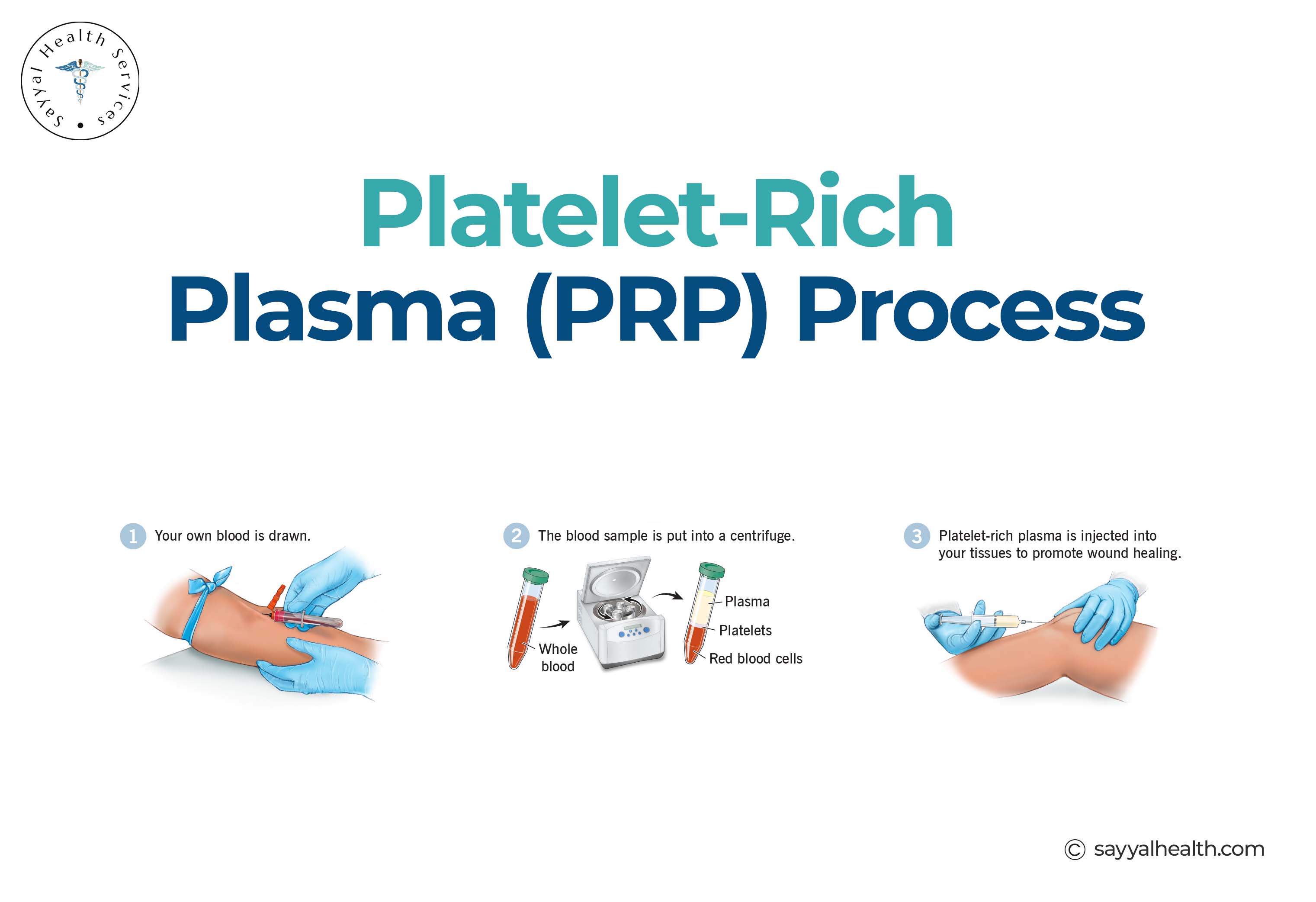
PRP therapy is an effective, non-invasive method to treat various joint injuries. The blood of the patient is placed in a centrifuge to separate the white and red cells, which are rich in growth factors.
The components of blood separate in the machine according to their density. During the spin, white blood cells, serum, platelets and red blood cells all separate from each other.
Plasma goes to the top layer of the centrifuge because it has lower density. It contains proteins and cytokines.
The presence of cytokines and proteins in plasma help in promoting repair damaged tissues to heal patients.
Tendinopathy, osteoarthritis, and rotator cuff tears are the conditions that are treated with PRP plasma therapy. Melbourne studies show 60% more effective results in treating injuries.
Brisbane clinics state that patients have shown the utmost satisfaction with this treatment.
PRP therapy was introduced as a treatment for thrombocytopenia in 1970. It was also used in maxillofacial surgery in 1980.
It became popular in the 1990s for treating soft tissue joint issues in sports medicine.
PRP therapy was also adopted by AFL(Australian Football League)/NRL(National Rugby League) for treating ligament injuries. This non-invasive method is popular for sports injury treatments like jumper's knee, etc.
PRP therapy treatment has also expanded to other fields of ophthalmology, orthopedics and dermatology.
The 2019 guidelines from the Osteoarthritis Research Society International (OARSI) state that PRP therapy for osteoarthritis still needs more strong evidence, so its effectiveness remains uncertain.
The mechanism of PRP therapy depends on the regeneration process of soft tissues to heal the affected area. The process starts with extracting the patient's blood.
The small amount of blood is then placed in a centrifuge, which separates it into layers: red blood cells, white blood cells, plasma, and platelets. The platelets and plasma contain growth factors and proteins that promote tissue repair and reduce inflammation.
Using ultrasound guidance, the concentrated PRP is carefully injected into the injured area. This targeted approach helps the body repair itself faster and improves overall recovery.
PRP therapy is usually done in three sessions, with each session spaced 4–6 weeks apart.
Research and clinical experience suggest that PRP can:
Relieve pain and improve function in people with osteoarthritis.
Help athletes return to activity sooner compared to traditional surgery.
Serve as a non-surgical alternative for certain injuries, reducing recovery time.
PRP therapy is considered safe and minimally invasive because it uses the patient’s own blood, lowering the risk of complications.
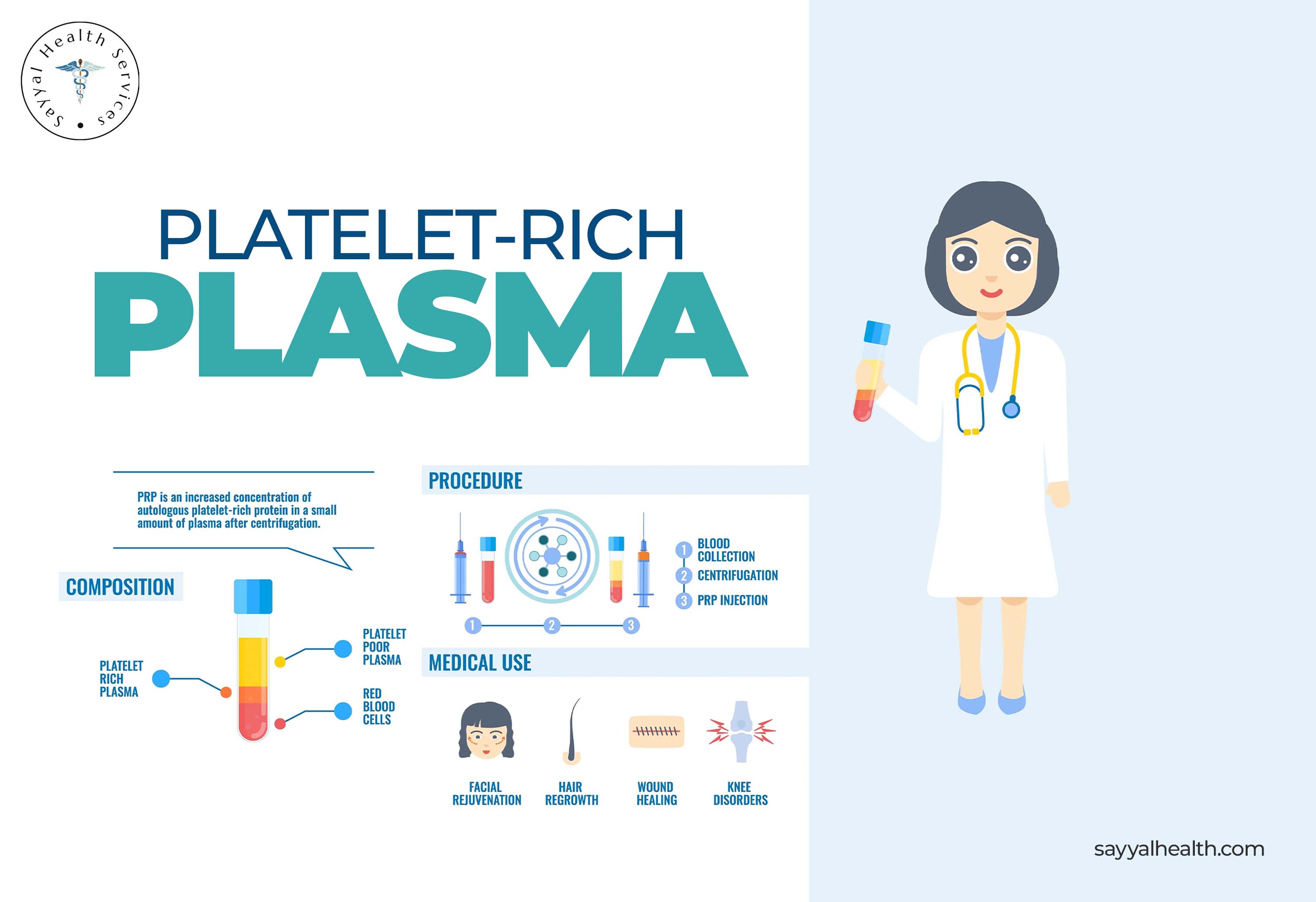
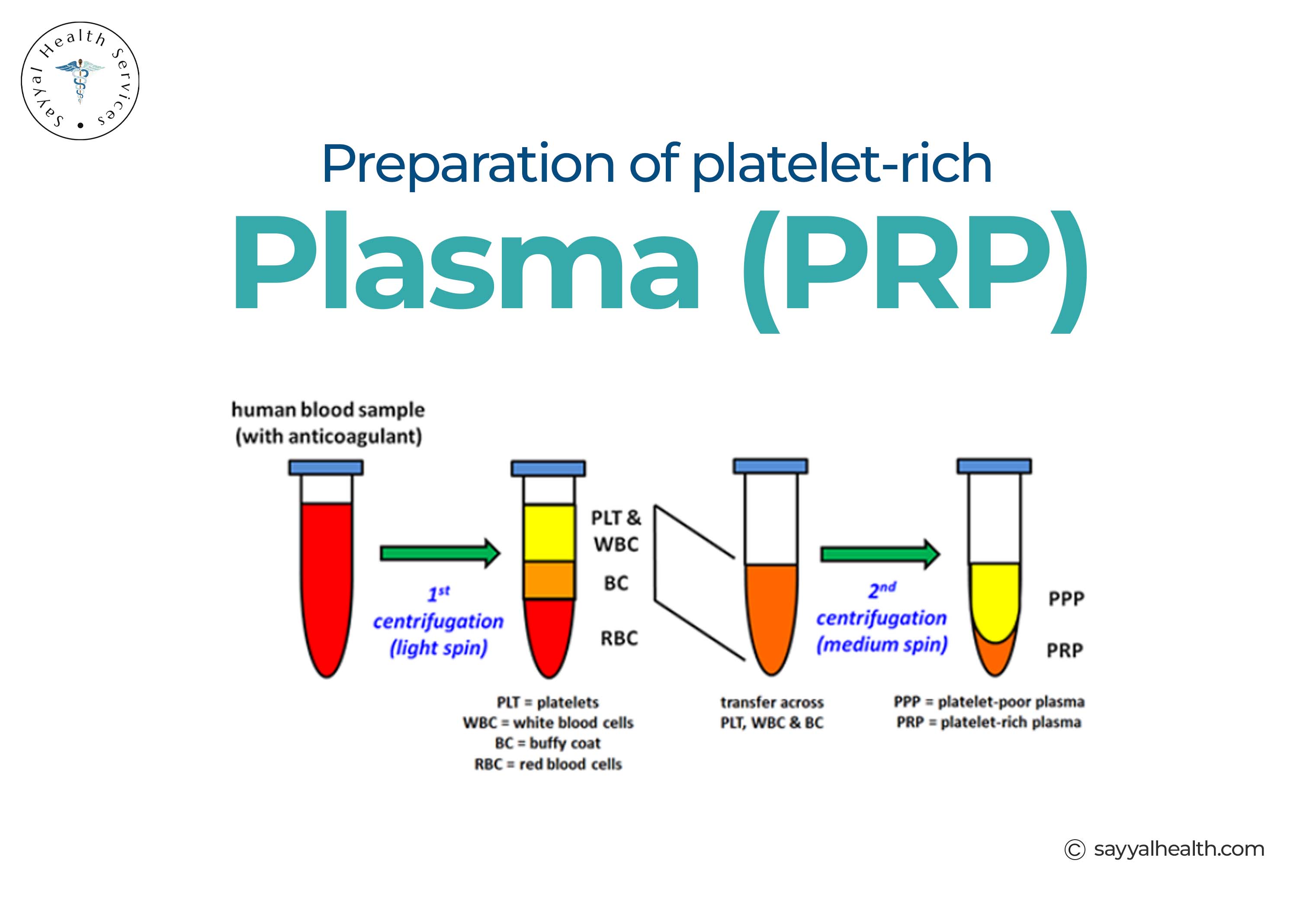
PRP therapy begins with drawing 20–60 ml of the patient’s blood. This blood is then processed in a centrifuge to separate its components and concentrate the platelet-rich plasma.
The separation usually takes about 15 minutes. A double-spin method is used, which includes:
Soft spin: A short, low-speed spin that separates the blood into different layers.
Hard spin: A longer, high-speed spin that concentrates the platelets into a plasma-rich layer. This concentrated PRP is then collected for injection.
Before injection, the PRP may be activated with calcium chloride to enhance the platelets’ healing effect. To reduce discomfort, local anesthesia is given to a patient.
Using ultrasound guidance, the PRP is carefully injected into the injured area, ensuring precise placement for maximum effectiveness.
PRP therapy is an outpatient procedure, meaning no hospital stay is required. Most patients experience fast recovery and can return to daily activities with minimal rest.
The cost of PRP therapy typically ranges from 500–1500 AUD per session. However, the cost depends on the severity of the injury and the doctor’s experience.
Platelets are small blood cells that play a key role in the body’s healing process. Their main function is to help form blood clots and stop bleeding, but they also contribute to tissue repair and regeneration.
When platelets are concentrated in platelet-rich plasma (PRP), they release several growth factors that support healing and reduce inflammation in damaged tissues.
Some of the important growth factor found in the PRP include:
PDGF helps stimulate cell growth and tissue repair. It also supports the formation of new blood vessels and encourages cells to migrate to the injured area.
VEGF is a protein that promotes angiogenesis, the process of forming new blood vessels. This improves blood supply to the injured tissue that supports healing.
TGF-β helps regulate cell growth and plays an important role in the production of collagen, which is essential for tissue repair.
IGF-1 contributes to muscle repair and regeneration, making it particularly beneficial for athletes or individuals recovering from muscle injuries.
Collagen is a structural protein that provides strength and support to connective tissues such as skin, ligaments, tendons and bones. By stimulating collagen production and improving blood supply, these growth factors help support the body’s natural healing process.
Also,
Insulin-like growth factor-1 (IGF-1) in PRP helps repair and regenerate muscle tissue, especially in athletes.
PRP growth factors support tissue regeneration and collagen production.
They also promote the formation of new blood vessels, improving healing.
Because PRP contains concentrated platelets and growth factors, it may enhance the body’s natural healing process.
Some reports linked with Monash Health suggest PRP may help reduce synovial inflammation, although results can vary.
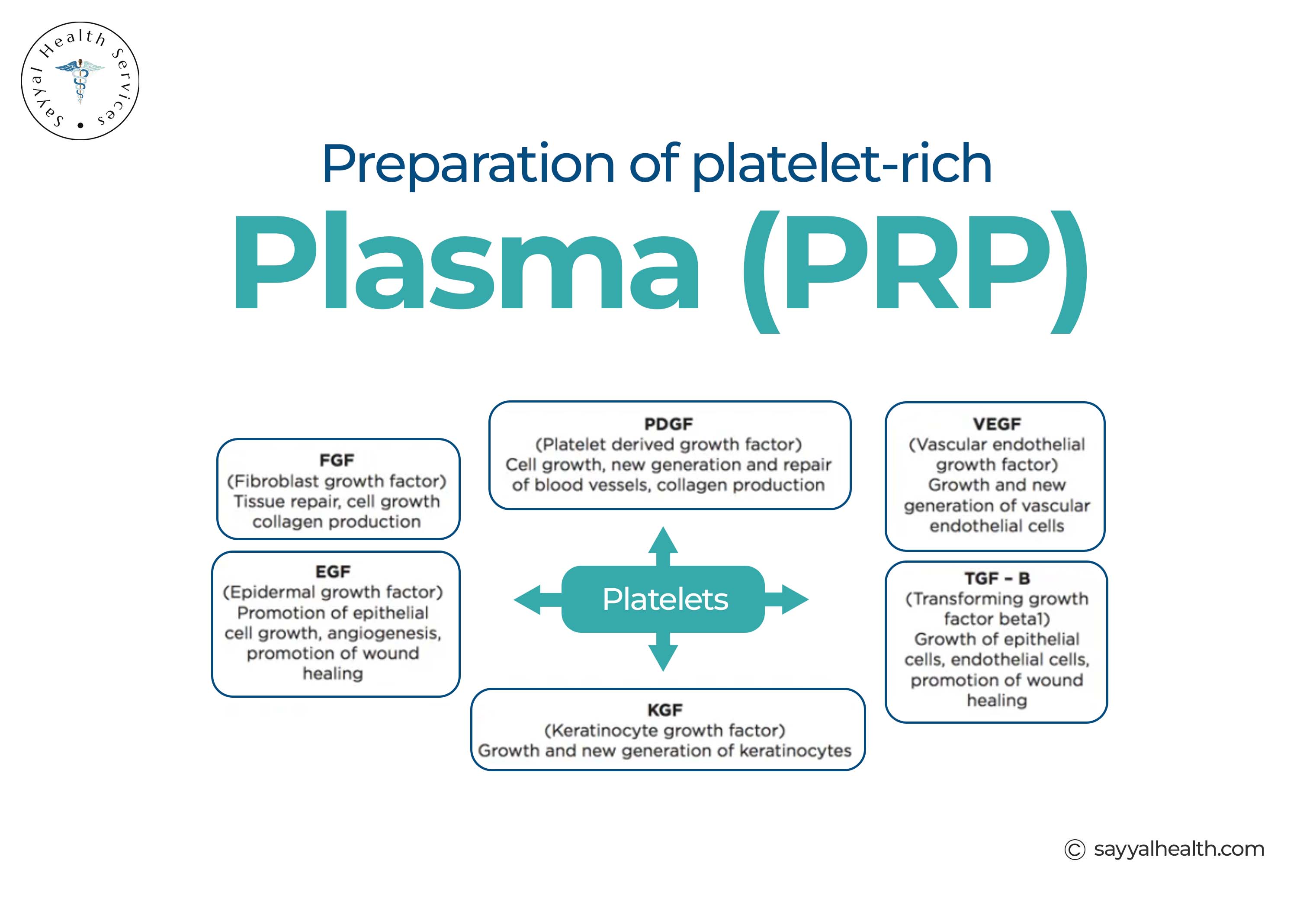
PRP therapy consists of plasma and platelets, which are key factors in healing injuries. They release growth factors such as PDGF, TGF-β, EGF and EGF to stimulate tissue repair.
Concentrated platelets stimulate cell proliferation. Proliferation of cells is essential for tissue repair, growth, development and wound healing. It also promotes angiogenesis. It is the process of forming new blood vessels to heal wounds and supply oxygen to tissues.
Both cell proliferation and angiogenesis help in tissue regeneration. PRP therapy increases the concentration of platelets at the injury site. Hence, it results in faster healing. This therapy works for the long term in synergy with the natural repair process of the body.
PRP is effective for treating various types of arthritis. These types are psoriatic arthritis, osteoarthritis and rheumatoid arthritis.
According to recent stats, 50 per cent of Sydney Swans players go for this therapy annually. In common sports injuries like tennis elbow, this therapy is 85 per cent successful for recovery.
Osteoarthritis is a degenerative joint disease that breaks down the cartilage. It often affects older people and middle-aged adults. It results in pain, stiffness and no movement in joints. PRP is a popular method to treat osteoarthritis.
PRP treatment is 70 per cent effective in knee OA. However, hyaluronic acid injection is also used for treating knee issues caused by osteoarthritis.
But it is only 45 per cent effective as the platelet-rich plasma injection. Moreover, its off-label use is also effective in reducing the CRP level by 40 per cent in rheumatoid arthritis.
It is an autoimmune disease where your immune system mistakenly attacks your joints. As a result, joints swell and become stiff and painful.
The anti-inflammatory and regenerative properties of PRP help treat rheumatoid arthritis. It manages pain in arthritis in a natural approach without the need for any medicine.
It reduces the inflammation in affected joints and increases the healing process. This therapy provides long-term and effective results in joint dysfunction.
Eventually, it reduces the need for traditional therapy. Various studies show that PRP therapy is more effective than hyaluronic acid treatment in joint dysfunction.
Osteoarthritis is the most common arthritis type. It is a degenerative joint disease with broken cartilage. It also results in stiffness and pain.
PRP therapy is beneficial for osteoarthritis, especially in the knee, for long-term healing. It can last up to 6-12 months or longer in some cases.
Steroid injections are also a common treatment for osteoarthritis, but they remain effective only for 6 months.
During the Gold Coast trials in 2023, PRP improved the WOMAC(Western Ontario and McMaster Universities Osteoarthritis) score by 60%. It is ideal for 1-3 stages of OA treatment, but not for end-stage. Its regenerative property repairs the tissues and stimulates the healing process.
More than the placebo, PRP shows an effective result in treating knee osteoarthritis.
The benefit of this treatment is that there is no need for surgery, especially in the early stage. It is the best alternative to traditional treatments such as hyaluronic acid.
TGA (Therapeutic Goods Administration) approved and listed this therapy under the Australian Register of Therapeutic Goods. This therapy costs $1200 in comparison to the $15000 cost of a knee replacement.
Other than arthritis, PRP is also effective for treating other joint conditions. It also treats soft tissue injuries like golfer's elbow and tennis elbow.
Osteoarthritis and soft tissue damage often cause the problem of knee, shoulder and hip pain. By increasing blood flow and regenerating tissue, PRP injection is effective in treating all these injuries and pain.
Moreover, it is also good for treating labral tears and rotator cuff tears. Platelet-rich plasma increases the recovery in both tears. PRP injection therapy effectiveness has expanded in other fields. It is also used in musculoskeletal injury treatment.
There are numerous advantages of PRP therapy. It is a natural process in which injuries are treated by injecting the person’s own blood.
It is a non-synthetic treatment, which means it is free of any artificial substance. This is the reason that it has a low risk of allergies.
PRP plays an important role in natural pain relief by regenerating tissues and cartilage. It helps in avoiding surgery by repairing the tissues before they become irreparable.
This non-surgical treatment avoids 80 per cent of joint replacement (Australian Orthopaedic Association).
It improves the mobility and function of the joints through the natural healing process. Patients recover quickly, even after 1-2 days of the injection. Being a versatile treatment, PRP therapy also treats hip, spine and shoulder issues.
Platelet-rich plasma therapy is a less risky, non-invasive treatment. It is a more convenient option than that surgery. It only involves the injection that takes 15-30 minutes for the complete process.
On the other hand, surgery requires 3 hours for treatment. There is no hospitalisation required for this process as it gets done in the clinic.
Moreover, there is no discomfort in the entire process. But the doctor gives local anaesthesia to a patient for a smooth process. After treatment, there will be no scars on the affected area. But in surgery, there could be 10cm scars on the treated part of the body.
One of the advantages of this therapy is that it reduces inflammation, which improves mobility and pain relief.
By reducing inflammation, PRP therapy improves tissue healing at the injury site. The benefit of reducing inflammation is that it helps in restoring mobility and joint function.
PRP therapy provides long-lasting relief by targeting the root cause of pain. By effectively managing the inflammation, it reduces and eliminates the need for surgery.
It is not wrong to say that this treatment is effective for the chronic inflammatory condition of osteoarthritis.
In comparison to traditional treatments, PRP provides a non-invasive and natural way to treat injuries and reduce pain. It is a drug-free, natural treatment that manages pain in joints.
Moreover, physicians acquire the best results by combining it with other treatments such as physical therapy. Most patients avoid treatment of their pain and injuries due to surgery.
In this regard, it is the best alternative for those patients who are afraid of surgery. You can also get the long-term benefits of this therapy. It also reduces the need for ongoing medication.
There are some challenges and limitations associated with PRP therapy. This treatment lacks some standardised protocols and has potential side effects.
However, its effectiveness varies from patient to patient, depending on their condition and overall health. There are 30 per cent of non-responders to PRP therapy, especially with low platelet count. Its procedure lacks a standardised protocol, which may affect results.
Despite the effective results of PRP for osteoarthritis, it is still under study for some conditions.
Date evidence matters a lot. Especially in medical treatment, to see effective results in the long term. There is an evidence gap for this treatment.
Data evidence is limited and does not ensure its effectiveness beyond five years. It has no PRP standardised protocols in Australia.
Its cost is $1500 per session, which can go higher. Moreover, it is not insured and does not cover private health expenses.
Patients can experience side effects or discomfort in some cases. For diabetics and smokers, this therapy works the opposite.
Instead of promoting healing, it impairs the healing process. In a nutshell, to cover therapy’s benefits and risks, further research is required.
There could be a need for multiple therapy sessions to achieve the optimal results. However, the therapy sessions depend on the severity of the patient's condition.
Most people think that this treatment involves only one session. But in some cases, for better results, platelet-rich plasma therapy requires more sessions for better results.
The frequency of the session depends on the severity of the condition of patient’s joint condition. This is the reason that healthcare providers provide personalised treatments to patients depending on their individual needs.
Most often, patients only undergo 2-3 sessions in a week for effective healing. In chronic injuries, consistent treatment is important in enhancing the effectiveness of PRP therapy.
Not all patients' results are the same. It always varies according to the patient's health status, condition of injury and method of PRP treatment.
To measure its overall effectiveness, it is crucial to understand the severity of each patient's injury and health condition.
Because the response to PRP therapy differs in every patient, depending on these factors. However, factors like growth factors and platelet concentration also affect the results of the treatment. It is more effective for injuries than for other conditions.
If you are also looking for this treatment and know a patient who needs it, always choose specialists. Getting treatment from specialists is the right choice to get effective results. Moreover, you can also ask for personalised help to optimise the effectiveness of therapy.
In the world of medicine, the validity of treatment matters a lot. Especially for long-term results, scientific research plays an important role.
No doubt, platelet-rich plasma treatment has become popular for treating various injuries. But there is a dire need for extensive research in PRP therapy.
Because it lacks clinical evidence in multiple conditions, it does not have any data that supports the long-term efficacy of PRP therapy.
Research is important in understanding and confirming its varying benefits. Due to limited studies in this field, it is unverified.
However, more studies and scientific research are important for the validation of this treatment for treating various conditions.
To spread the use of PRP for clinical practice and to get promising results, more research and data-based evidence are required.
Every treatment comes with risks and side effects, and PRP therapy is no exception. Generally, it is a safe treatment. But in many cases, patients have experienced minor swelling or discomfort. At the injection site, there is a slight risk of infection.
However, it is uncommon and rare. In some patients, bruises or temporary pain occur after the procedure. It is not suitable for those patients who have certain medical conditions. This is the reason that consulting the right doctor matters a lot.
Before getting treatment, always keep in mind that choosing the right doctor is more important than the treatment.
Because the result of the treatment depends on the experience, skills and qualifications of the healthcare professional. Choosing the wrong one may turn this treatment into the wrong one.
There could be common side effects that patients can face after getting the treatment. These side effects patients can face at the injection site.
Swelling, bruising and mild pain are the common side effects that could happen. However, the patient's own blood is used for the treatment.
That’s why the chances of allergic reactions remain minimal. The patient can also feel the temporary soreness and stiffness as the body tries to adjust to the healing process.
In a nutshell, these side effects remain only for the short term. They can easily be resolved without any medical intervention.
There are some rare but serious risks of the treatment that could worsen the condition of the patient.
Common risks are treatable and remain only for a short period. But the rare ones mostly result in serious issues. The potential serious risk associated with PRP therapy is nerve damage.
That’s why, before starting the treatment, patients should be informed about the potential risks. However, doctors should reduce the risk of serious complications by using the proper techniques and sterilisation.
Compared to the potential benefits, these risks are minimal.
There are always traditional treatments for injuries and pain that provide effective results. But PRP therapy is effective as it is faster, non-invasive and does not require surgery.
It is a natural treatment that is the best alternative to the traditional methods that reduce the risk of dependency on painkillers. Systematic oral medications also have fewer side effects. It has a 90 per cent lower complication risk than the surgery.
PRP therapy is the best non-surgical treatment to manage joint pain and chronic injuries. This is the reason that 60% of Olympians in Australia prefer PRP over surgery.
An Adelaide study of 2022 states that it doubles the mobility in joint pain than that of hyaluronic acid.
Both corticosteroids and PRP reduce inflammation and pain. But PRP provides long-term results for 12 months, while corticosteroids work only for a shorter period(3 months).
NSAID(nonsteroidal anti-inflammatory drug) is a medication that physicians use to treat arthritis. However, the side effect of this medicine is that it can cause acute kidney injury. In this regard, PRP treatment is safer than NSAIDs.
Most patients avoid surgery due to its painful experience. This is the reason that PRP is the best option for these patients to treat injuries and manage pain.
Moreover, there is no need to stay at the hospital and undergo anaesthesia. You will get a local anaesthesia for a 15- 30 minute procedure.
After one hour of treatment, you will be at your home. However, the procedure duration method depends on the severity of the patient's condition. But still, it takes less time in comparison to surgeries.
After treatment, patients can resume their normal activities quickly. As it is an outpatient treatment, the patient does not need to stay at the hospital for a longer period.
The best thing about this therapy is that there is no invasive treatment. Also, it does not require any stitches. Patients prefer this treatment as they say that it provides more significant pain relief than surgery.
When it comes to pain management, PRP is the best alternative to painkillers. It does not contain any kind of drug to give patients relief from pain. However, painkillers do contain drugs.
The platelet-rich plasma manages the pain by enhancing the natural mechanism of healing. In this way, it reduces the pain and inflammation in the body.
The best thing about this therapy is that the patient does not need any medication. Because it provides a long-term result.
As a minimally invasive procedure, it also reduces the risk of side effects. This therapy helps patients in treating various diseases such as tendon injuries, ligament sprains and osteoarthritis.
The cost of the treatment varies. However, PRP therapy can be costly, from several $100 to 1000$. It depends on the area, number of sessions, severity of condition and personalised care.
Mostly, patients cover their medical expenses with the help of insurance. The Australian government also provides a medicare rebate to patients to cover the expenses of eligible medical services.
But as this treatment is still in research for further investigations, it does not get any kind of insurance from the Australian Medicare. This therapy is labelled as a 12345 item by the Medicare Benefits Schedule, which means it does not get any rebate.
Another reason is that insurance companies consider this therapy a cosmetic treatment. Because most people get this treatment for hair transplant and skin rejuvenation.
No matter what the cost of this treatment, its outcomes are more than anything else. In addition, it is better than the traditional treatment and costs less than that.
Patients need to consider their insurance policy and, above all, estimate the total number of sessions before going into the treatment.
Typically, the cost of the therapy of PRP is 500-2000 dollars. In most cases, the treatment of the patients covers three sessions.
When we compare its cost with surgery, it is quite less than that. Surgery will cost you 20,000 AUD with the expenses of rehabilitation. But the therapy sessions will cost a total of 4500 AUD. Hence, it is cheaper than the traditional treatments and surgery.
Multiple factors affect the cost of the therapy. But, knowing the average PRP therapy cost in Australia helps patients estimate their treatment prices.
On average, the cost of the sessions can range from $500 to $2500. But the expenses depend on the treatment area and condition of the injury. Overall, the cost can go higher if the sessions increase.
By keeping in view the financial condition of patients, some clinics offer bundled treatment packages and discounts for multiple therapy sessions.
Owing to its limited insurance coverage, PRP therapy is an out-of-pocket expense for most patients. It is in the interest of the patients if they inquire about the cost of additional treatments and consultations.
Prior estimation of the overall cost of the treatment helps patients make an informed decision. Above all, by doing this, they can take advantage of the discounts and packages too.
Patients face challenges regarding the insurance coverage for their PRP therapy treatment. This therapy turns out to be costly for more patients.
Specifically, when they don’t have the insurance to cover their expenses. In some cases, some insurance plans cover the expenses if this therapy becomes medically important for a patient.
However, for the clarity of all details, patients must consult with the insurance providers.
As the treatment of PRP is expanding, the chances are that it will get insurance coverage in future. But the patients need to do thorough research before getting treatment.
In this way, they can manage their expenses more easily. For example, they can choose the low-cost treatment area over the costly one.
In addition, they can choose those clinics that offer discounts. In a nutshell, thorough research regarding the cost helps patients in making a wise financial decision.
In Australia, research on PRP therapy is going on in the fields of Therapeutic Goods Administration (TGA) and Sports Medicine Australia (SPA).
Since 2020, the research for platelet-rich plasma has increased by 20%. It is due to its popularity for effective results in various treatments.
Moreover, in 2023, UNSW contributed to the research of PRP therapy with stem cells for knee osteoarthritis.
Stem cell is also an important component of regenerative medicine. However, PRP therapy is not directly approved according to TGA guidelines for arthritis.
But the devices used for this treatment are TGA-approved. Moreover, trials are being conducted in Queensland to study the effects and results of bioactive PRP with exosomes.
TGA is the Therapeutic Goods Administration of Australia. It is responsible for regulating the medicines, serums, prescriptions, therapy, treatment and devices.
TGA has regulated the PRP therapy. But it is only for its medical devices and treatment to ensure its safety and efficacy. However, it is not fully TGA-approved for all conditions.
But the devices used for this procedure and treatment have been approved by the TGA. As research is ongoing in this field to assess the effectiveness of PRP treatment, the evidence of this treatment has been growing.
SMA(Sports Medicine Australia) is an organisation that provides medical facilities in the sports field. They promote PRP therapy for treating musculoskeletal injuries in sports medicine due to its safe use.
SMA supports research in PRP to provide effective results for soft tissue injuries and joint pain. They are also encouraging further research in therapy to make it an evidence-based treatment in future for sports recovery.
Research is going on in the field of PRP therapy. Clinical trials in Australia are happening to find the effectiveness of results for treating osteoarthritis, ligament sprains and tendon injuries.
Moreover, researchers are also trying to optimise the PRP’s therapeutic potential. So that they can find the scientific evidence to influence the TGA and SMA guidelines for treating various diseases.
The main clinical challenge of PRP therapy is that it requires evidence. However, this treatment is used in sports medicine. But still, it needs experiments for other conditions.
Australian healthcare professionals are cautious regarding this treatment in various cases. This is the reason that they recommend extensive research before enhancing its use at a broader level.
The advancement in technology and medical methods makes the future of PRP therapy promising.
Researchers are conducting extensive research to refine the application and effectiveness of this therapy.
TGA and SMA will expand the use of PRP therapy for joint treatments and musculoskeletal conditions based on more data availability.
If you are looking for a PRP specialist in Australia, consult Dr Safwan Sayyal. He is a specialist with 15 years of experience and 10,000+ successful injections. Dr Sayyal provides personalised joint therapy services and cutting-edge care at his “Sayyal Health Clinic”. Book a consultation today at Sayyal Health.
Does PRP work for joints?
Platelet-Rich Plasma (PRP) injections are sometimes used to treat joint pain, tendon injuries, and osteoarthritis. The treatment uses a small sample of your own blood that is processed to concentrate platelets and then injected into the affected joint.
How much do PRP injections cost in Australia?
The cost of PRP injections in Australia varies depending on the clinic, the body area being treated, and the doctor’s expertise. On average, one PRP injection typically costs between AUD $300 and $900 per session, though some clinics may charge more depending on the treatment method used.
How much do 3 sessions of PRP cost?
Since PRP injections usually cost about $300 to $900 per session, a typical series of three treatments may cost around AUD $800 to $2,100 in total. The final price depends on the clinic, the complexity of the condition, and whether imaging guidance such as ultrasound is used during the injections.
Is PRP covered by Medicare in Australia?
In most cases, PRP injections are not covered by Medicare in Australia, so patients usually have to pay the full cost themselves.
Your feedback helps us create better content for everyone.