Contact Person:Dr. Safwan Sayyal
Working Hours:Mon - Fri: 9:00 AM - 5:00 PM
Contact:info@sayyalhealth.com






Published: September 23rd, 2026Last updated: September 24th, 2026
PRP therapy for tendon injuries uses a concentrated part of a patient's own blood. It is injected near or into a damaged tendon or sometimes considered for PRP for tendon repair.
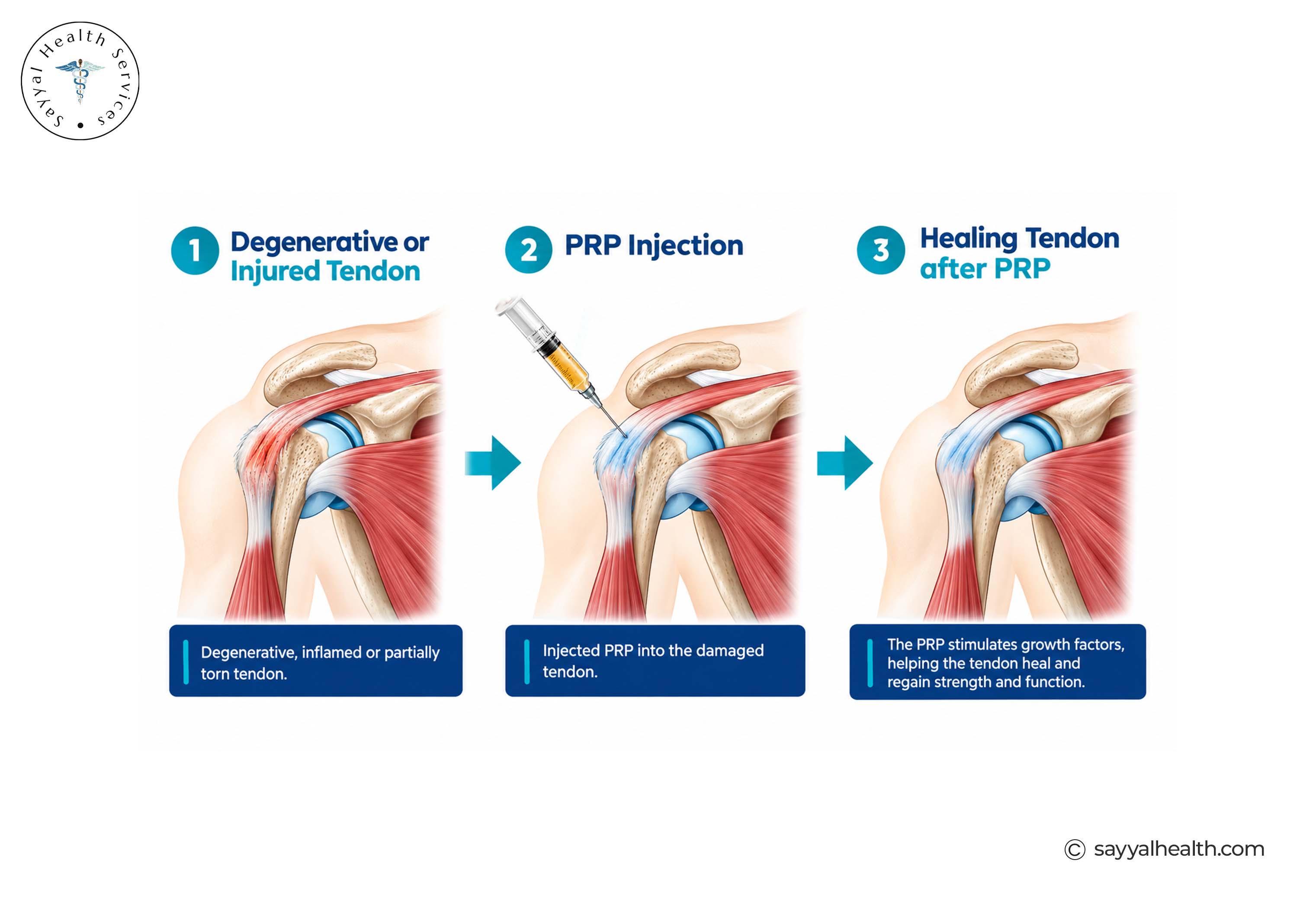
Some people with certain tendon conditions report benefit. However, research results vary depending on the tendon involved and the person's individual situation.
PRP is not a guaranteed cure or a proven way to repair every tendon injury. That’s why a qualified healthcare professional should confirm your diagnosis before you consider it.
PRP stands for platelet-rich plasma. The clinicians prepare it from the patient’s own blood.
The process generally follows these steps:
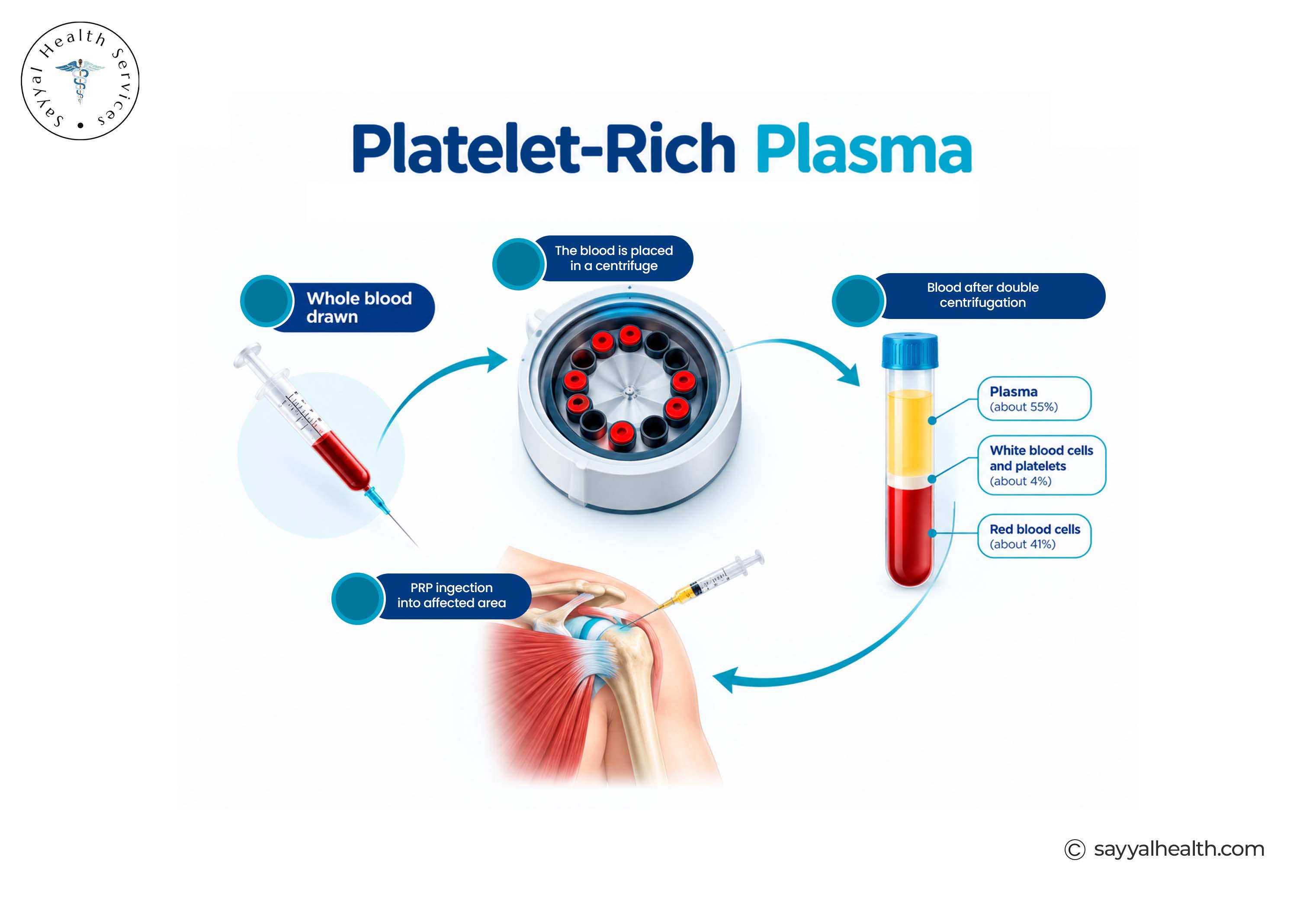
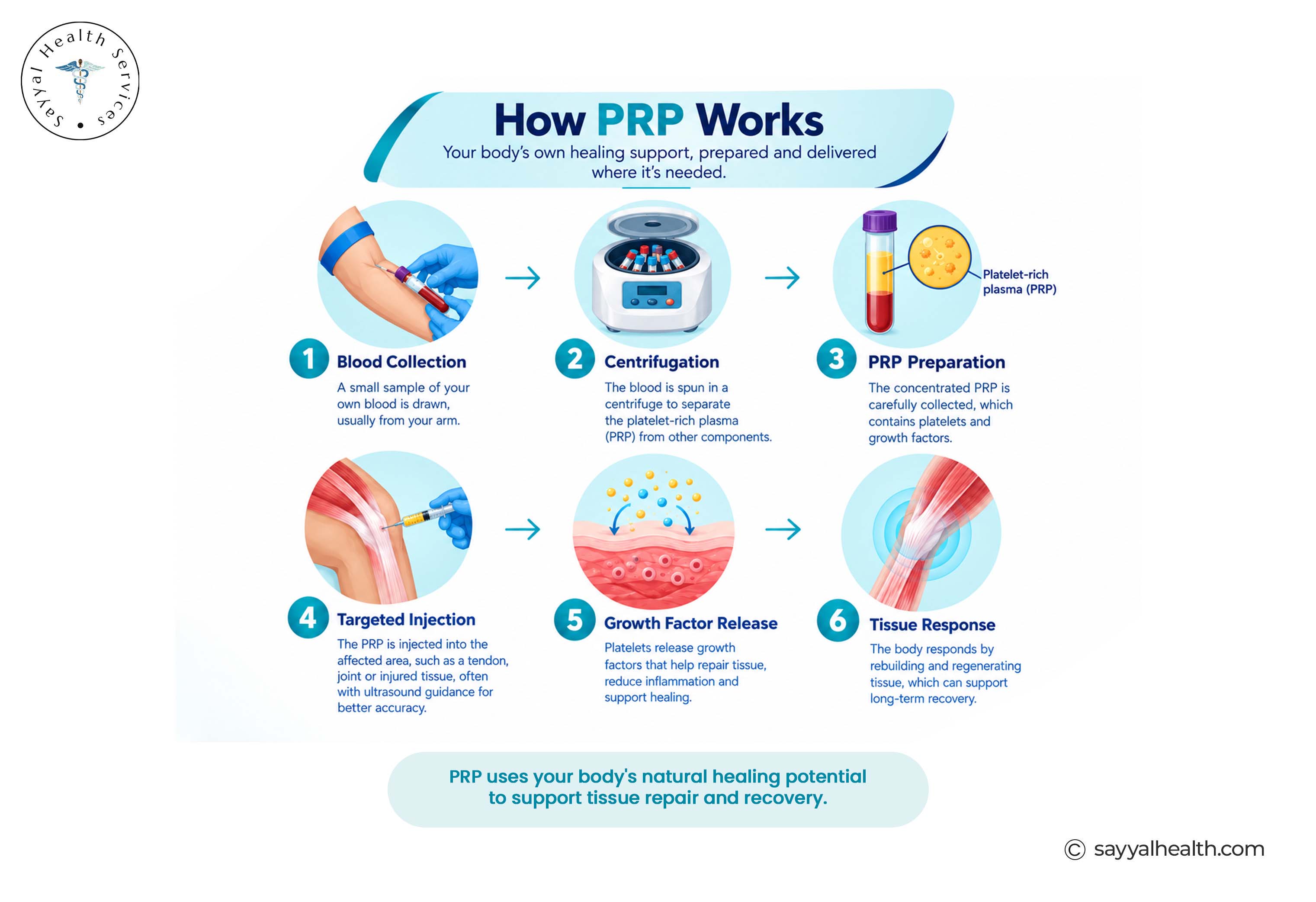
A clinician takes a small sample of blood from the patient's arm, similar to a routine blood test.
The clinician spins the blood in a centrifuge, a machine that separates blood into its different parts.
This process concentrates platelets, the small blood cells involved in clotting and tissue repair, into a small volume of plasma.
The clinician draws the platelet-rich plasma into a syringe and prepares it for injection.
The PRP tendon injections may be used for selected tendon conditions and injected near or into the affected tendons. Well, the process depends on the specific condition and the clinician's technique.
One reason why findings are not always consistent because PRP preparation methods, platelet concentration and other components can differ between clinics and devices. That’s why PRP is not a single standardised product.
Platelets contain growth factors. These growth factors are proteins involved in cell signalling and tissue repair.
Platelets release these growth factors when they are activated.
Theoretically, this may influence local inflammation and stimulate the body's own repair processes in and around a tendon.
That’s why PRP has attracted interest in sports medicine and orthopaedics.
However, the fact that PRP contains biological factors involved in tissue repair does not prove that an injection will successfully heal a tendon or improve symptoms.
Laboratory findings do not always translate into a meaningful clinical benefit. This is the reason that controlled human studies matter more than mechanism alone.
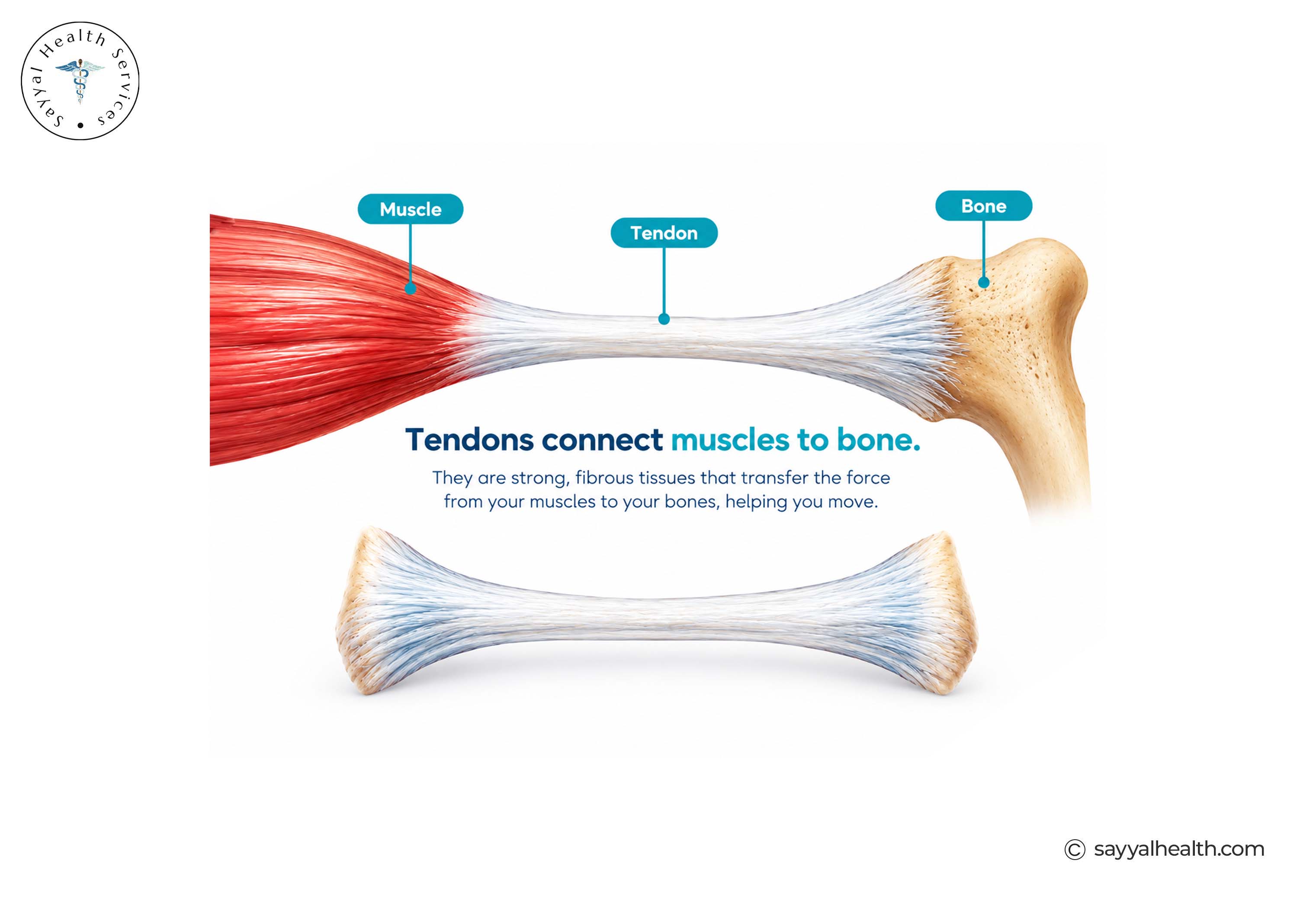
Tendons are strong and rope-like fibrous bands of tissue that connect muscle to bone. They allow muscles to transmit force so joints can move.
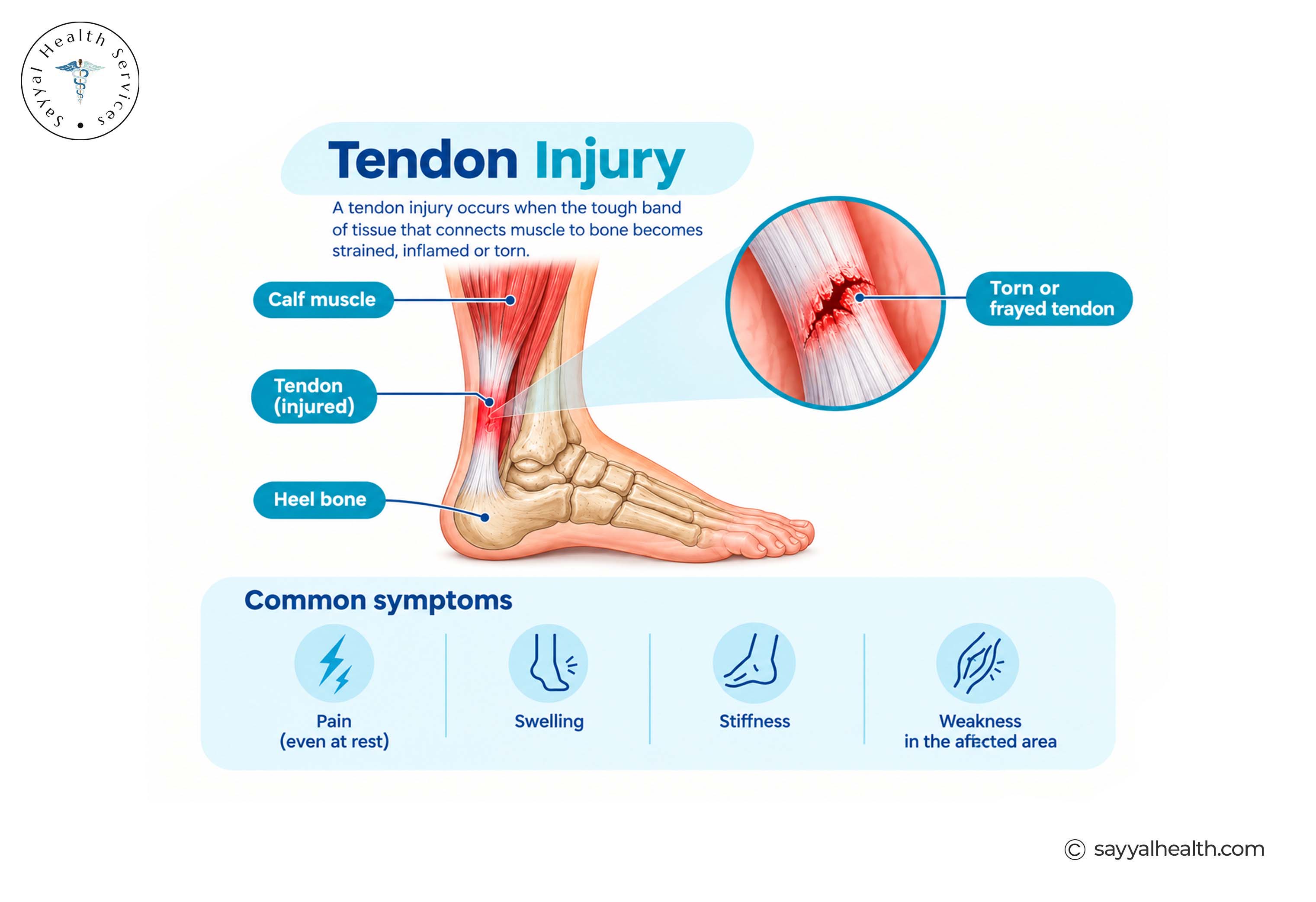
Tendon problems can develop gradually from repeated load and overuse, or suddenly following an acute injury.
Not all tendon problems are the same. Here are the terms used to describe them:
Tendinopathy is a general term for a painful and underperforming tendon. It is usually related to chronic overload and changes within the tendon structure.
Tendonitis technically means inflammation of a tendon. Many long-standing tendon problems involve degenerative changes rather than ongoing inflammation, so “tendinopathy” is often the more accurate term for chronic cases.
Partial tendon tears involve disruption of some, but not all, tendon fibres.
Complete tendon ruptures involve a full tear through the tendon. That usually causes sudden pain, weakness and loss of function.
Acute tendon injuries happen suddenly, often during a specific activity or movement.
Chronic tendon injuries develop over weeks or months. They usually result from repeated load or biomechanical factors.
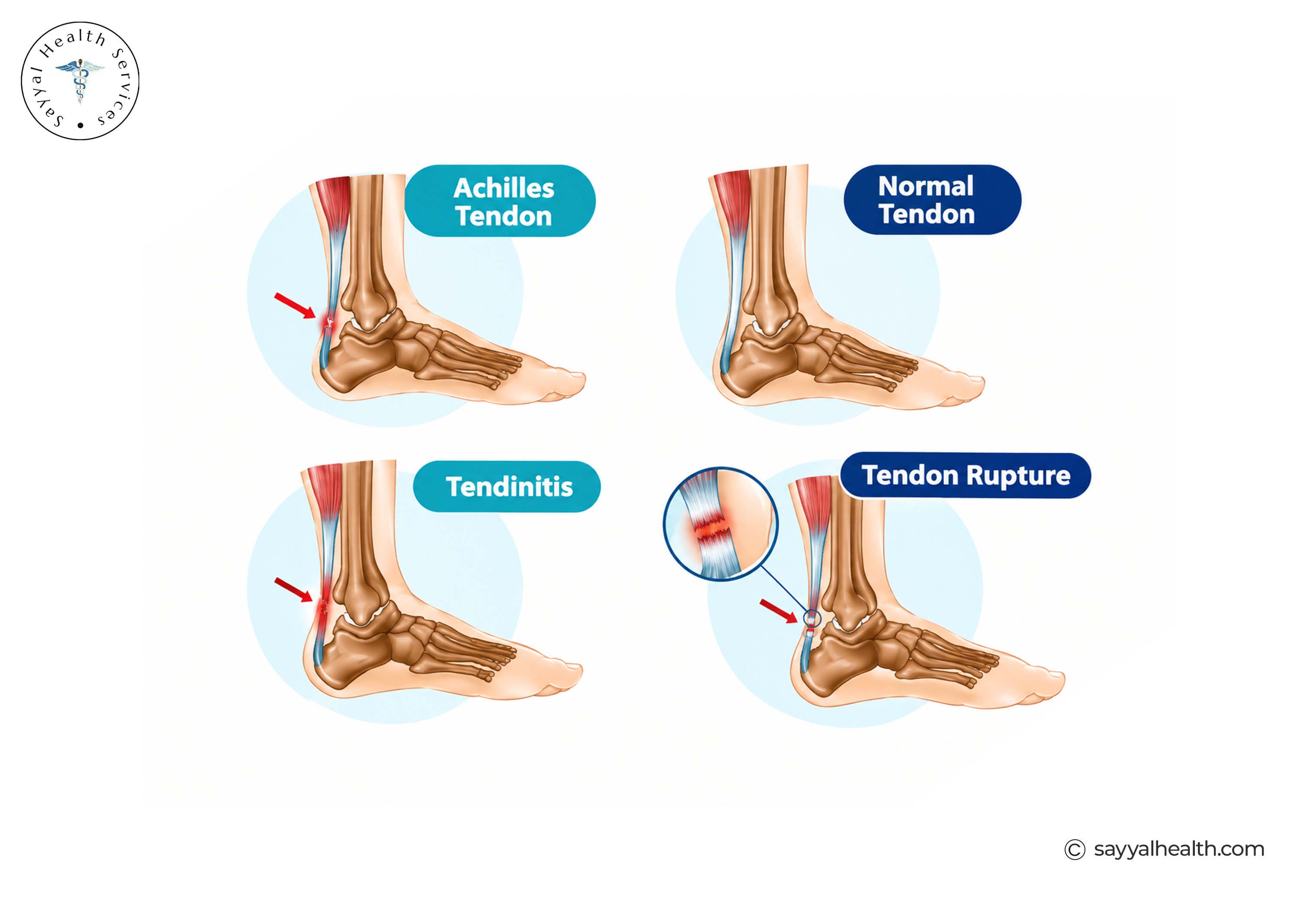
These categories are not interchangeable. Treatment depends on the type, location and severity of the specific tendon injury and torn tendon injury, not on tendon problems as a general group. Doctors may consider PRP in most cases. The approach can differ from treatment for ligament damage, because tendons and ligaments perform different roles in the body.
Achilles tendinopathy develops in the tendon that connects the calf muscles to the heel bone.
It usually causes
Gradual pain
Stiffness
Swelling around the back of the ankle that can worsen after activity.
Achilles tendinopathy is common, but treatment can vary. Doctors may consider PRP injections, but research has not yet shown how well they work.
Recent studies have generally not found a clear benefit of PRP over placebo or saline injections for pain or function in chronic Achilles tendinopathy.
A 2025 review of eight systematic reviews and meta-analyses also found no significant difference between PRP and other treatments for pain or function. Any short-term improvement in pain was small and did not last over time.
Achilles tendinopathy is different from a torn Achilles tendon, also called an Achilles tendon rupture.
PRP is not an established treatment for a torn Achilles tendon injury. If you suspect an Achilles rupture, seek early medical assessment rather than relying on PRP.
Tennis elbow, also called lateral elbow tendinopathy or lateral epicondylitis, develops when repeated gripping or wrist movements put stress on the tendons on the outside of the elbow.
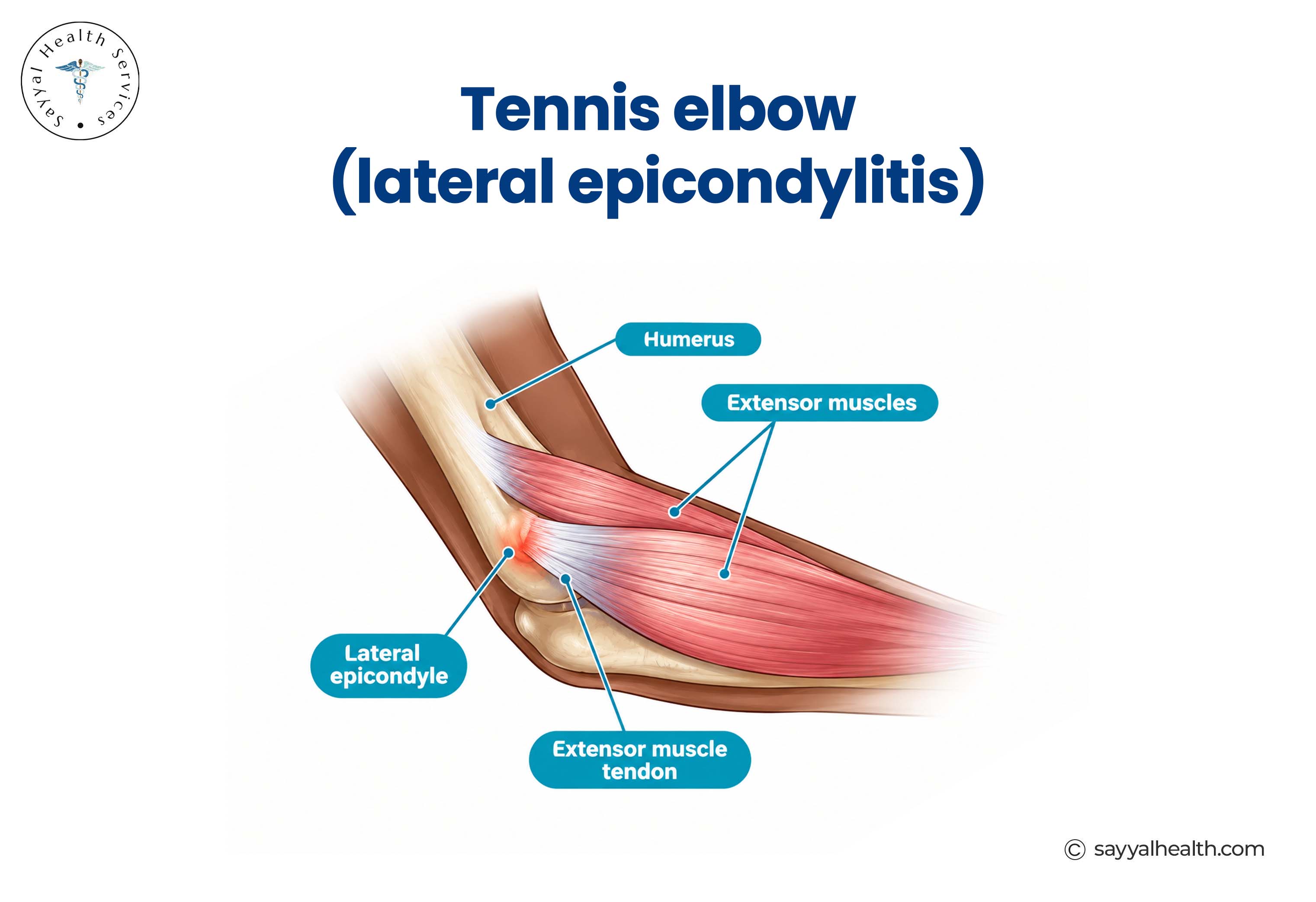
This is one of the more researched areas for PRP.
Several systematic reviews comparing PRP with corticosteroid injections have found a consistent pattern. Accordingly, corticosteroid injections tend to give faster short-term relief in the first four to eight weeks, but this advantage is not maintained.
A systematic review and meta-analysis of level 1 and 2 studies found that PRP had no advantage over corticosteroid injections within the first month of treatment, but PRP outperformed corticosteroids at both three and six months.
This does not mean PRP is proven to outperform physiotherapy or that it is right for every case of tennis elbow.
It means the current evidence, while more consistent than for some other tendons, still shows a trade-off between early and later outcomes, and should be discussed with a clinician alongside other options.
Patellar tendinopathy, often called jumper's knee, affects the tendon connecting the kneecap to the shin bone. It is common in sports involving jumping and repeated knee loading.
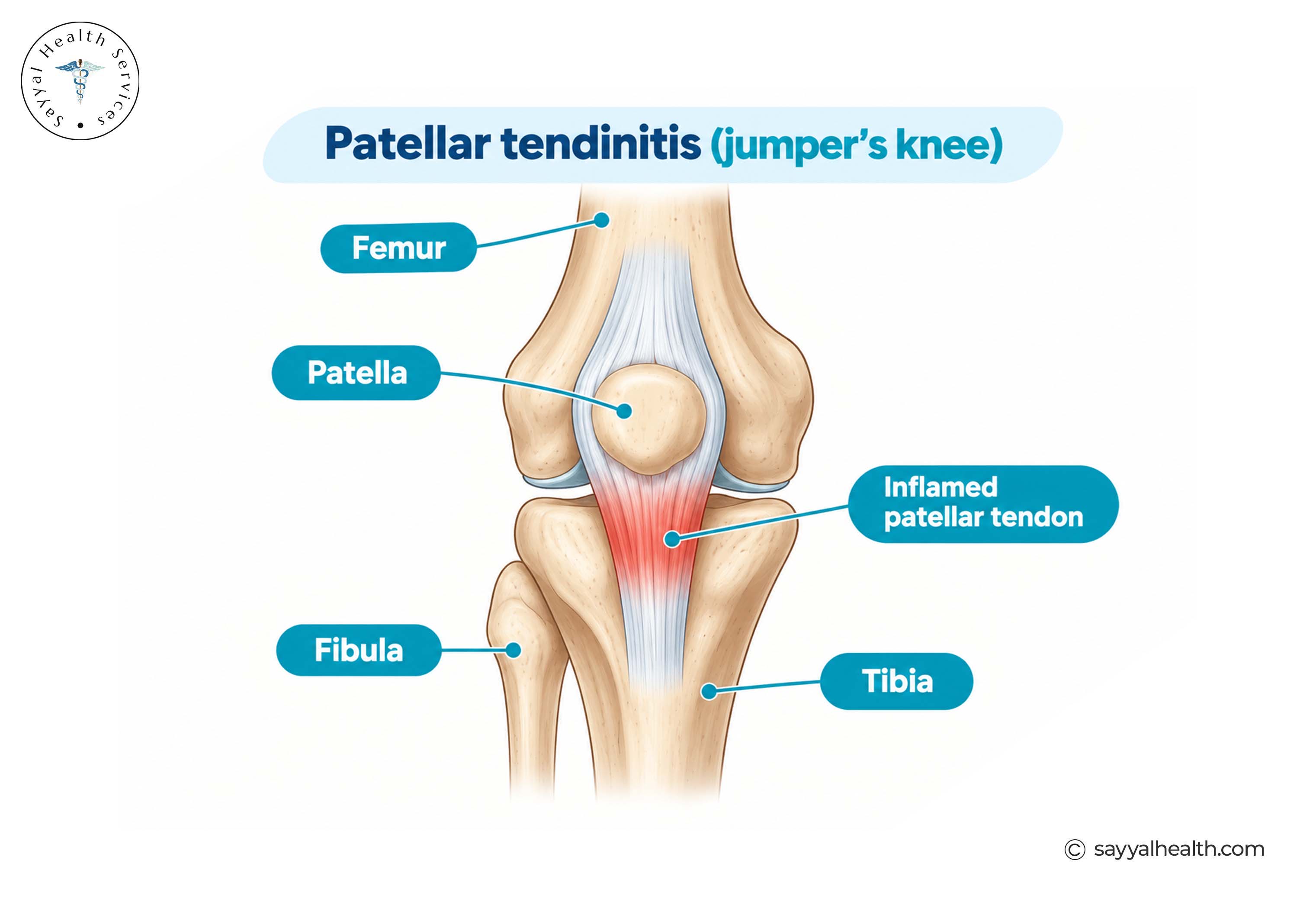
A systematic review and meta-analysis of comparative studies found no significant differences in pain relief, functional outcomes or quality of life between PRP injection and other active treatments, in the short, medium and long term.
Some later reviews looking specifically at multiple PRP injections or particular preparation methods have reported more favourable results, but overall the evidence for patellar tendinopathy remains mixed and depends heavily on how the PRP was prepared and how many injections were given.
The rotator cuff is a group of muscles and tendons that stabilise and move the shoulder. Rotator cuff tendinopathy is different from a significant rotator cuff tear, where a portion of the tendon has torn away from the bone.
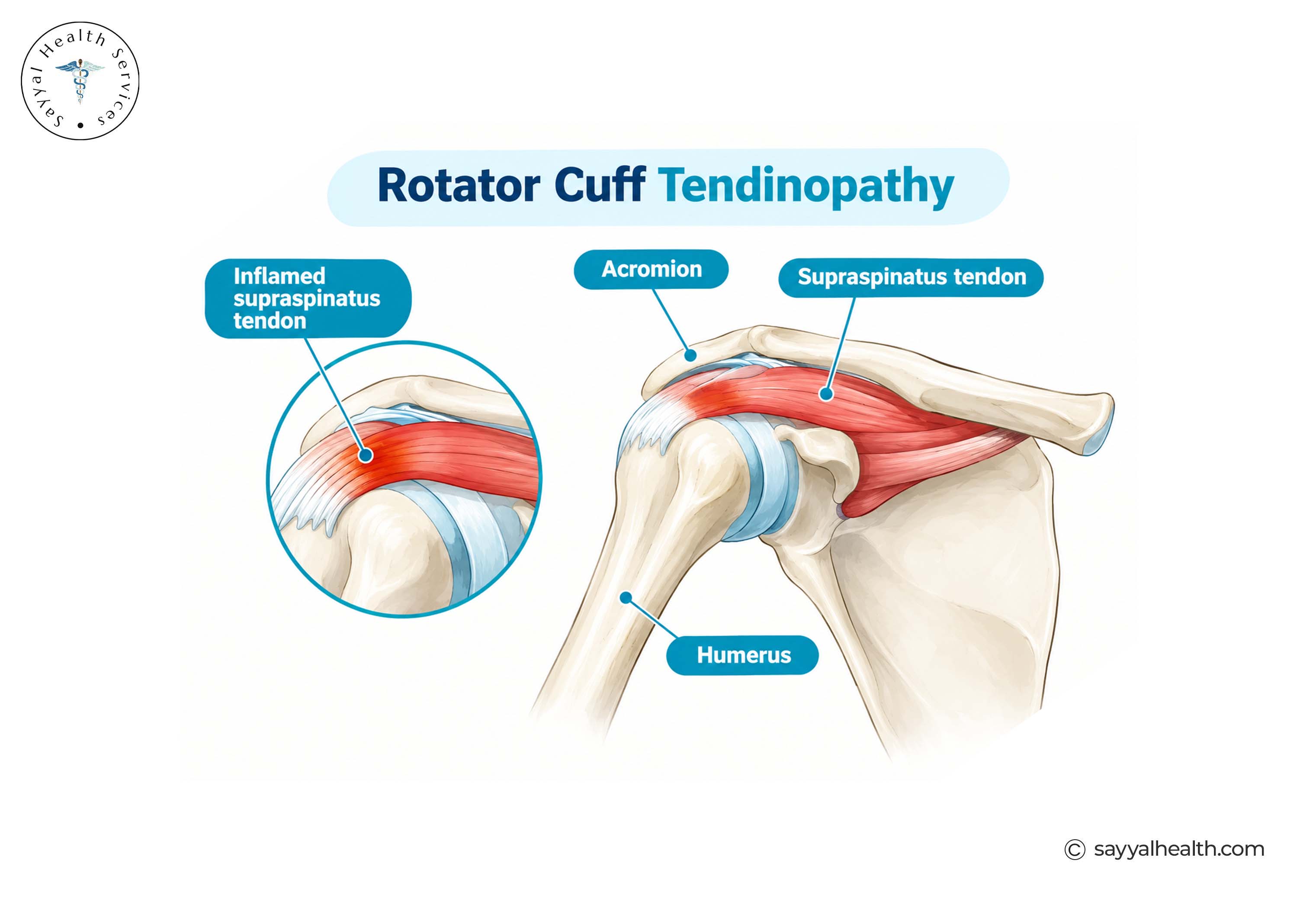
A 2025 systematic review of randomised controlled trials found that PRP generally produced significant short-term pain relief compared with controls at six weeks, three months, six months and one year, and often improved shoulder function scores in the first three to six months, but long-term functional gains were inconsistent.
Findings differ between studies partly because some trials include partial tears and others include tendinopathy without a tear, and because PRP has sometimes been used alongside surgical repair rather than as a standalone treatment. This makes it hard to draw one single conclusion for all rotator cuff presentations.
Gluteal tendinopathy affects the gluteus medius and minimus tendons at the outer hip. It is a common cause of greater trochanteric pain syndrome, felt as pain over the side of the hip.
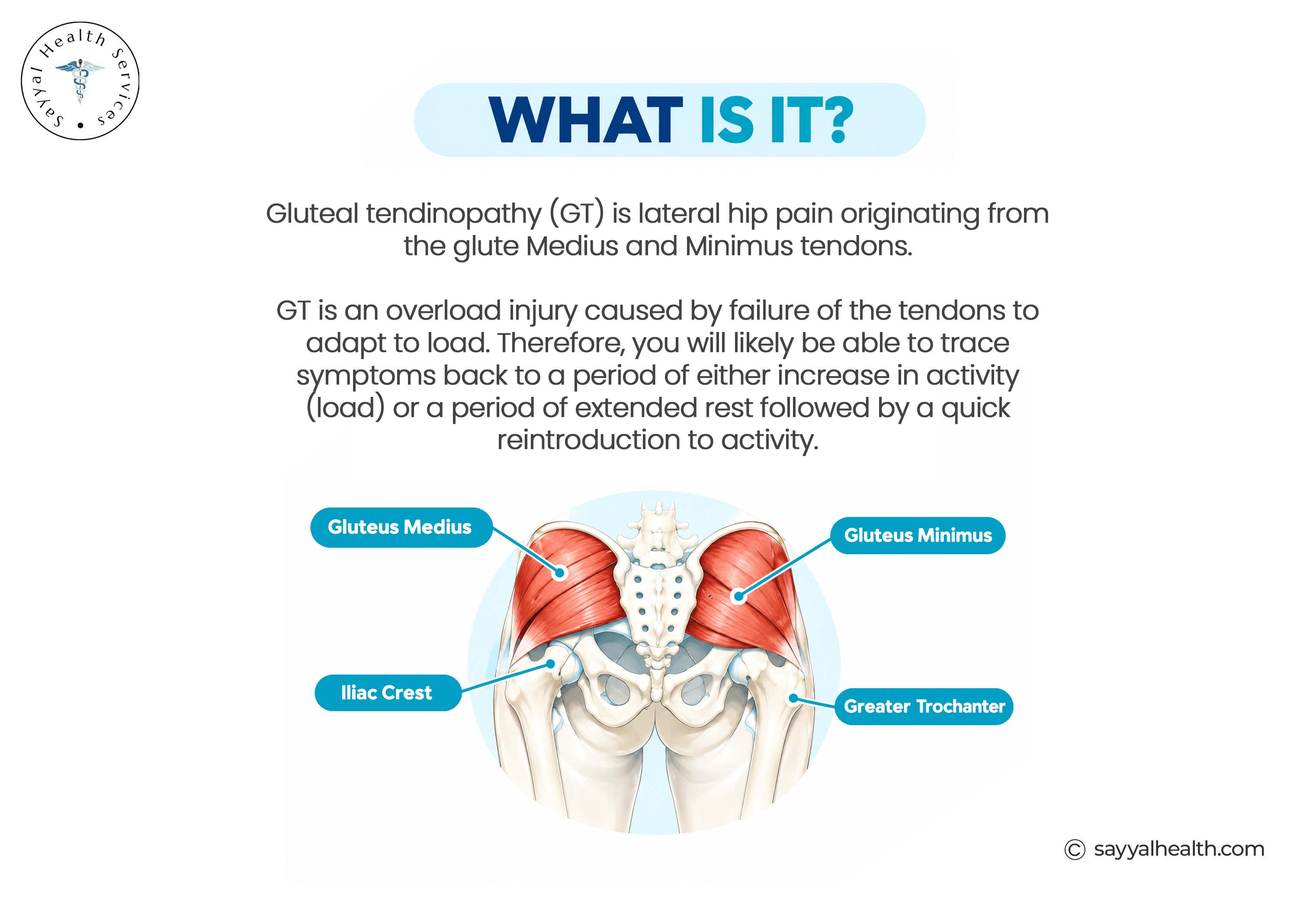
Evidence here is genuinely mixed.
Earlier studies found that PRP gave better results than steroid injections after 12 weeks, and some benefits lasted longer. However, a 2025 study compared PRP with a placebo and found no clear difference between the two groups over 12 months. The researchers did not recommend using PRP routinely for this condition.
This contrast between PRP-versus-corticosteroid trials and PRP-versus-placebo trials is an important limitation when interpreting gluteal tendinopathy research.
PRP has also been studied for conditions such as plantar fasciopathy (heel pain) and some hand and wrist tendon problems, with study quality and results varying considerably. There is not yet sufficient high-quality evidence for many of these other tendons to draw firm conclusions, so this article focuses on the conditions with the most available research.
Research on PRP for tendon injuries is extensive but inconsistent. Broadly, findings fall into three categories.
Established evidence: There is reasonably consistent evidence that PRP is generally well tolerated, with side effects usually limited to short-term pain, swelling or bruising at the injection site.
Promising findings: For tennis elbow, several reviews consistently suggest PRP may offer benefits over corticosteroid injections at three to six months, even though early relief favours corticosteroids. Some rotator cuff studies suggest useful short- to medium-term improvements in pain and function.
Uncertain evidence: For chronic Achilles tendinopathy, more recent, higher-quality reviews increasingly find no clear benefit over placebo. Patellar tendinopathy evidence is mixed and highly dependent on protocol. Gluteal tendinopathy findings differ depending on whether PRP is compared with corticosteroid or with placebo.
Studies can have different results for many reasons. These include the type of tendon problem, the patients involved, how long they had symptoms, and how severe the injury was.
Results can also depend on how the PRP was prepared, the number of platelets and white blood cells in it, how it was injected, whether ultrasound was used, how many injections were given, the rehabilitation programme, what PRP was compared with, and how long patients were followed.
Not all PRP injections are prepared or given in the same way. This makes it difficult to say that PRP works or does not work for every tendon problem.
Evidence by Condition
|
Tendon Condition |
What Current Evidence Suggests |
Important Limitations |
|
Achilles Tendinopathy |
Recent higher-quality reviews and randomised trials generally do not show a clear, sustained benefit over placebo for pain and function. |
Study designs, PRP preparation and follow-up length vary; older reviews reported more mixed results |
|
Tennis Elbow |
Comparative trials suggest PRP may offer better outcomes than corticosteroid injection at three to six months, though not in the first month. |
Comparator was usually corticosteroid, not placebo; long-term data beyond six months is limited. |
|
Patellar Tendinopathy |
Comparative studies generally show no significant difference between PRP and other active treatments across most outcomes. |
Some studies using multiple injections or specific preparations report more favourable results; protocols differ widely. |
|
Rotator Cuff Tendinopathy |
Short- to medium-term pain and function improvements are reported in several trials, particularly for partial tears. |
Long-term functional benefit is inconsistent; findings differ between tendinopathy and partial-tear populations |
|
Gluteal Tendinopathy |
Findings vary by comparator; some trials favour PRP over corticosteroid, but a placebo-controlled trial found no significant difference. |
Small numbers of well-designed placebo-controlled trials; most robust data compares PRP with corticosteroid rather than placebo. |
Whether PRP may be considered depends on a combination of individual factors. A qualified clinician needs to assess together, including:
A confirmed diagnosis, ideally supported by clinical examination and imaging
How long symptoms have been present
Previous conservative treatment, such as physiotherapy or activity modification
Response to physiotherapy so far
Relevant imaging findings
Activity level and functional goals
Overall general health
The strength of available evidence for that specific tendon condition
These factors do not automatically make someone a suitable candidate. They form part of a broader clinical assessment that only a qualified healthcare professional can carry out for an individual patient.
PRP suitability can be affected by a range of individual clinical factors. These may include
Active infection near the injection site
Certain blood disorders
Platelet abnormalities
Significant bleeding problems
Some medications
Certain uncontrolled medical conditions
Severe or complete tendon rupture
This is not a complete or universal list of contraindications, and it should not be used for self-assessment. Your treating clinician needs to review your full medical history and current medications. Do not stop or change any prescribed medication without first talking to the doctor who prescribed it.
Clinics vary in their exact technique, but a typical process for a PRP injection for a tendon problem generally involves:
A medical assessment of your symptoms and history
Confirmation of the diagnosis through examination
Review of relevant imaging, such as ultrasound or MRI, where available
Collection of a small blood sample
Preparation of the PRP using a centrifuge
Cleaning the skin over the injection site
Local anaesthetic, if clinically appropriate for the procedure
Ultrasound guidance, where this helps accurately locate the injection site
Injection of PRP near or into the affected tendon, depending on the condition and the clinician's technique
Instructions on activity, pain relief and follow-up care after the procedure
PRP recovery usually starts with light activity, followed by a gradual return to normal activities. Physiotherapy and strengthening exercises are often an important part of recovery. However, running and other high-impact activities are usually added back slowly.
Recovery varies from person to person and depends on the tendon treated, the severity of the problem, your fitness, and how your body responds to treatment.
There is no fixed time for improvement after PRP. Some people may notice changes within a few weeks, while others may take several months. Studies have measured results at six weeks, three months, six months and one year, with results varying at different stages.
These study results show average outcomes and cannot predict how quickly one person will improve. Some people may notice more improvement after three to six months than in the first few weeks.
Treating a tendon injury starts with finding out exactly what the problem is. Treatment can differ for tendinopathy, a partial tear, or a complete tear.
Treatment may include:
Reducing activities that make symptoms worse
Strengthening exercises
Physiotherapy
Gradually increasing activity
Pain relief
Other non-surgical treatments
PRP injections in selected cases
Surgery for some serious injuries, such as certain complete tears
PRP is not needed for every tendon injury. Many tendon problems improve with proper activity management and rehabilitation. The right treatment depends on the diagnosis and individual needs.
PRP and physiotherapy can be used together. Strengthening exercises and gradual activity help improve tendon function, while PRP may be used as an additional treatment in some cases. PRP should not replace rehabilitation.
Current evidence does not support that conclusion. Exercise-based rehabilitation, particularly progressive loading programmes, has a strong evidence base across several tendon conditions and is generally recommended as a foundation of treatment. Where PRP is used, it is typically alongside physiotherapy, not instead of it.
|
Treatment |
Typical Purpose |
Possible Advantages |
Limitations |
Medical Assessment Required? |
|
Progressive physiotherapy |
Restore tendon load capacity and function |
Strong evidence base for many tendinopathies; low risk |
Requires time, consistency and effort; results are gradual |
Yes |
|
Activity modification |
Reduce aggravating load on the tendon |
Low cost; low risk |
May limit activity temporarily; does not address underlying capacity |
Yes |
|
Anti-inflammatory medicines, where medically appropriate |
Reduce pain and inflammation |
Can help manage symptoms short term |
Not suitable for everyone; does not treat underlying tendon changes |
Yes |
|
Corticosteroid injections |
Reduce local inflammation and pain |
Often effective for short-term symptom relief |
Effects may not be sustained; repeated use has been linked to tendon weakening in some studies |
Yes |
|
Shockwave therapy |
Stimulates tendon healing response |
Non-invasive; used for several chronic tendinopathies |
Evidence varies by condition; may require multiple sessions |
Yes |
|
Needle tenotomy |
Mechanically stimulate a healing response in degenerated tissue |
Minimally Invasive |
Limited high-quality evidence for some tendons |
Yes |
|
PRP |
Deliver concentrated platelets and growth factors to the area |
May help selected patients with certain conditions |
Evidence is inconsistent between tendons; not a guaranteed outcome |
Yes |
|
Surgery |
Repair significant tears or remove degenerated tissue |
Can address structural damage that will not resolve otherwise |
Involves surgical risks and a longer recovery period |
Yes |
The right option depends on the confirmed diagnosis, severity, previous treatment and individual circumstances. This table is for general education and is not a treatment recommendation, and it does not include prescription medication doses. Never stop or change prescribed medication without medical advice.
Corticosteroid injections and PRP work differently. Corticosteroids reduce local inflammation directly and often provide faster short-term pain relief. PRP delivers platelets and growth factors intended to support a longer, biologically driven repair process, with effects that may take longer to appear.
For tennis elbow, several reviews suggest corticosteroids give better results at four to eight weeks. However, PRP may perform better from three months onward.
For Achilles tendinopathy, more recent evidence has not shown a clear PRP benefit over placebo, which is a different comparison to PRP versus corticosteroid.
For gluteal tendinopathy, some trials favour PRP over corticosteroid, while a separate placebo-controlled trial did not find a significant PRP benefit.
This shows that PRP is not universally better than corticosteroid injections, and the comparison depends heavily on the specific tendon and the outcome being measured.
|
Possible Benefit |
What it may mean |
Important Limitation |
|
Uses the patient’s own blood |
Avoids introducing donor tissue or synthetic material |
Does not remove all procedural risks, such as infection or bleeding |
|
May reduce pain in some conditions, such as tennis elbow, at three to six months |
Some people may notice improved symptoms over time |
Benefit is not consistent across all tendon conditions or all studies |
|
Generally well tolerated |
Most side effects are mild and temporary |
Some people experience no meaningful improvement |
|
Minimally invasive |
Avoids the recovery time associated with surgery |
Not a substitute for surgery when surgery is clinically indicated |
|
Can be combined with rehabilitation |
May support, rather than replace, physiotherapy-based treatment |
Success still depends heavily on completing rehabilitation |
No medical procedure is completely risk-free, and PRP is not an exception. PRP reported risks and side effects are:
Pain at the injection site
Soreness
Swelling
Bruising
Infection
Bleeding
Nerve injury
Blood-vessel injury
Temporary worsening of symptoms after the injection
Incomplete improvement
No meaningful improvement at all
Needing further treatment if PRP does not help
Because PRP comes from your own blood, it does not carry the same risks as donor tissue, such as infections passed from another person. However, PRP is still a medical procedure and can have risks.
Some symptoms need early medical assessment rather than waiting to see if they settle. These include:
A sudden loss of strength
A popping sensation at the time of an injury
Major swelling
Fever
Increasing redness around an injection site
Severe or worsening pain
Numbness
Significant weakness
Being unable to use the affected limb.
These symptoms can have several different causes. However, some causes are more serious than others, and only a clinical assessment can determine what is happening and what treatment, if any, is needed.
The cost of PRP tendon treatment can vary depending on the clinic, location, type of PRP used, number of injections, ultrasound guidance, consultations, follow-up visits, and physiotherapy.
If you are in Australia, check the current cost with your clinic. Medicare or private health insurance may not cover PRP treatment, so check with your provider before treatment.
Before considering PRP, it may help to ask your healthcare provider:
What is the confirmed diagnosis?
Why do you recommend PRP for this tendon?
What evidence supports PRP for my specific condition?
Will ultrasound guidance be used?
How many injections may be needed?
What activities should I avoid afterwards?
What rehabilitation plan will I follow?
What alternatives are available?
What are the total costs?
What happens if PRP does not help?
Research on PRP for tendon injuries is ongoing, and its effectiveness may differ depending on the tendon condition being treated. It may help some people with certain conditions, such as tennis elbow, but it is not a guaranteed treatment.
Rehabilitation and managing activity remain important for tendon recovery, whether or not you use PRP. If you are considering PRP, speak with a qualified healthcare professional. They can confirm your diagnosis and help you understand which treatment options may be suitable for you.
Is PRP painful?
Most people feel some discomfort during and after the injection, similar to any needle procedure into or near a tendon. Soreness, swelling or bruising in the following days is common and usually settles within a few days to a couple of weeks.
Can PRP completely repair a torn tendon?
No. Research does not show that PRP can reliably fix a torn tendon. This includes partial and complete tears. PRP may help with some tendon problems, but it has not been proven to repair a torn tendon. A complete tear may need medical or surgical treatment.
How many PRP injections are needed?
It depends on your condition and how you respond to treatment. Some people need one PRP injection, while others may need more than one. Your doctor can explain what is right for you.
Can I exercise after PRP?
Most treatment plans involve an initial period of rest or gentle movement, followed by a gradual, staged return to activity guided by physiotherapy. Your clinician will advise on timing based on your specific tendon and diagnosis.
Can PRP prevent tendon surgery?
PRP is not proven to reliably prevent the need for surgery in all patients. Whether surgery is needed depends on the specific diagnosis, severity and how the tendon responds to non-surgical treatment, including but not limited to PRP.
Can PRP heal tendon injuries?
PRP may help improve symptoms for some people with certain tendon conditions. However, it is not an established or guaranteed way to heal every tendon injury, and results vary by tendon and individual case.
Does PRP work for Achilles tendinopathy?
Recent higher-quality research generally has not shown a clear, sustained benefit of PRP over placebo for chronic Achilles tendinopathy, although earlier studies produced more mixed results.
Is PRP effective for tennis elbow?
Evidence here is comparatively more consistent, with several reviews suggesting PRP may offer benefits over corticosteroid injections from around three months onward, though not in the first few weeks.
Disclaimer: This content is for general education only and does not replace professional medical advice, diagnosis or treatment. PRP may not suit everyone. Always consult a qualified healthcare professional for personalised advice.
Ling SK, et al. PRP for Achilles tendinopathy: systematic review and meta-analysis. Orthop J Sports Med. 2024.
Li A, et al. PRP vs corticosteroids for elbow epicondylitis: systematic review and meta-analysis. Medicine. 2019;98(51):e18358.
Barman A, et al. PRP for patellar tendinopathy: systematic review and meta-analysis. Knee Surg Relat Res. 2022;34:22.
Rout S, Rout S. PRP for rotator cuff tears: systematic review and meta-analysis. Cureus. 2025.
Atchia I, et al. PRP vs placebo for greater trochanteric pain syndrome: double-blind RCT. J Bone Joint Surg Am. 2025;107(5):444–451.
Your feedback helps us create better content for everyone.