Contact Person:Dr. Safwan Sayyal
Working Hours:Mon - Fri: 9:00 AM - 5:00 PM
Contact:info@sayyalhealth.com



Published: March 11th, 2026Last updated: September 23rd, 2026
Skin cancer comes in many forms. But the most common type is melanoma. Superficial spreading melanoma is also called SSM melanoma, melanoma superficial spreading, or, simply, superficial melanoma. SSM accounts for roughly 70% of all melanoma diagnoses. That makes it the melanoma most people are most likely to encounter.
So what exactly is it? Superficial spreading melanoma is a type of skin cancer that begins in the cells that give skin its colour (called 'melanocytes').
In the early stages, it grows outward across the skin surface, spreading horizontally rather than immediately penetrating deeper skin layers. The slow and outward pattern makes it possible to catch cancer early.
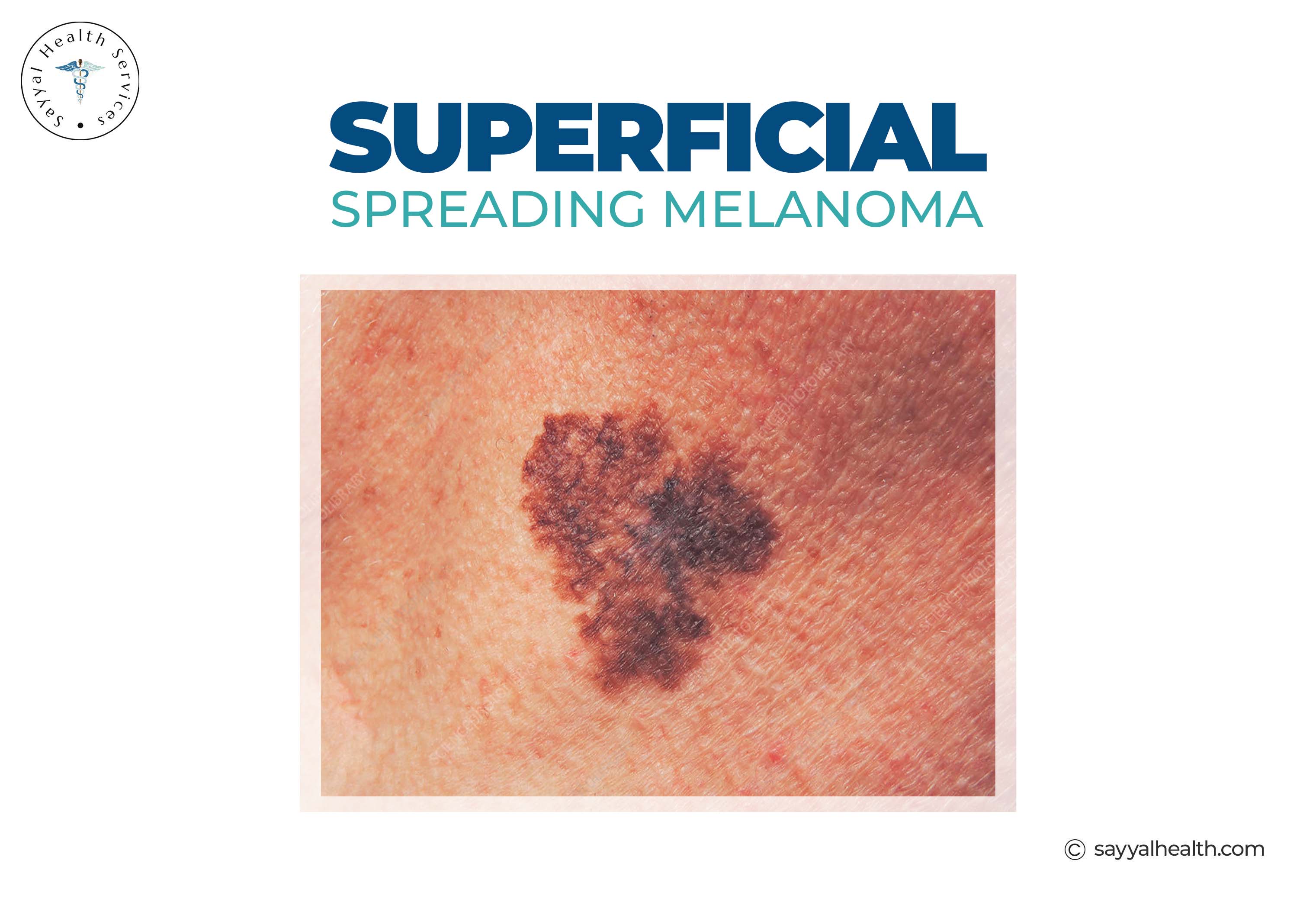
Superficial Spreading Melanoma
Early detection is the most important factor in successful treatment. When superficial melanoma skin cancer is found in its earliest stages, the survival rate is very high, often greater than 98%. That is why learning to recognise the early warning signs could save your life.
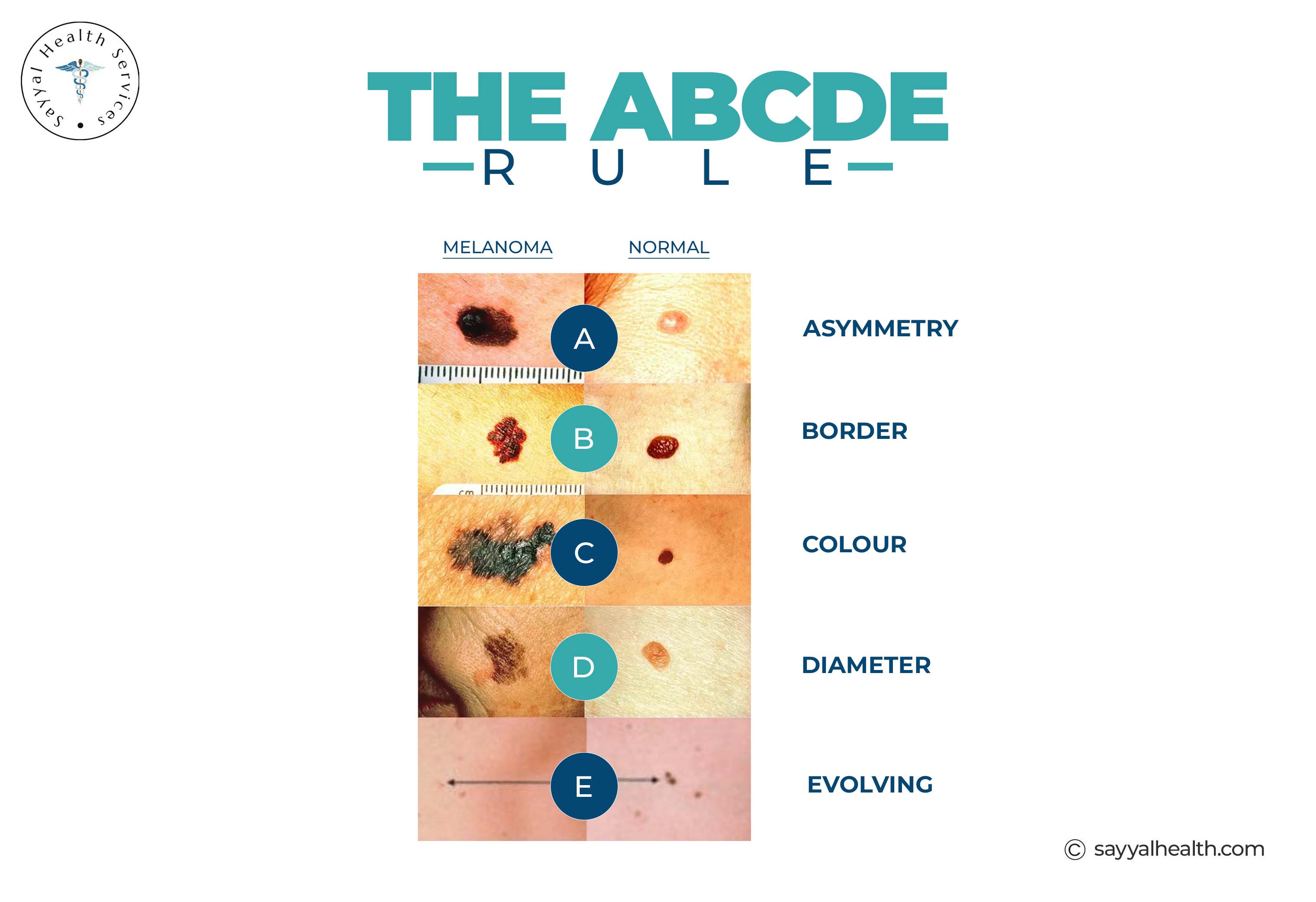
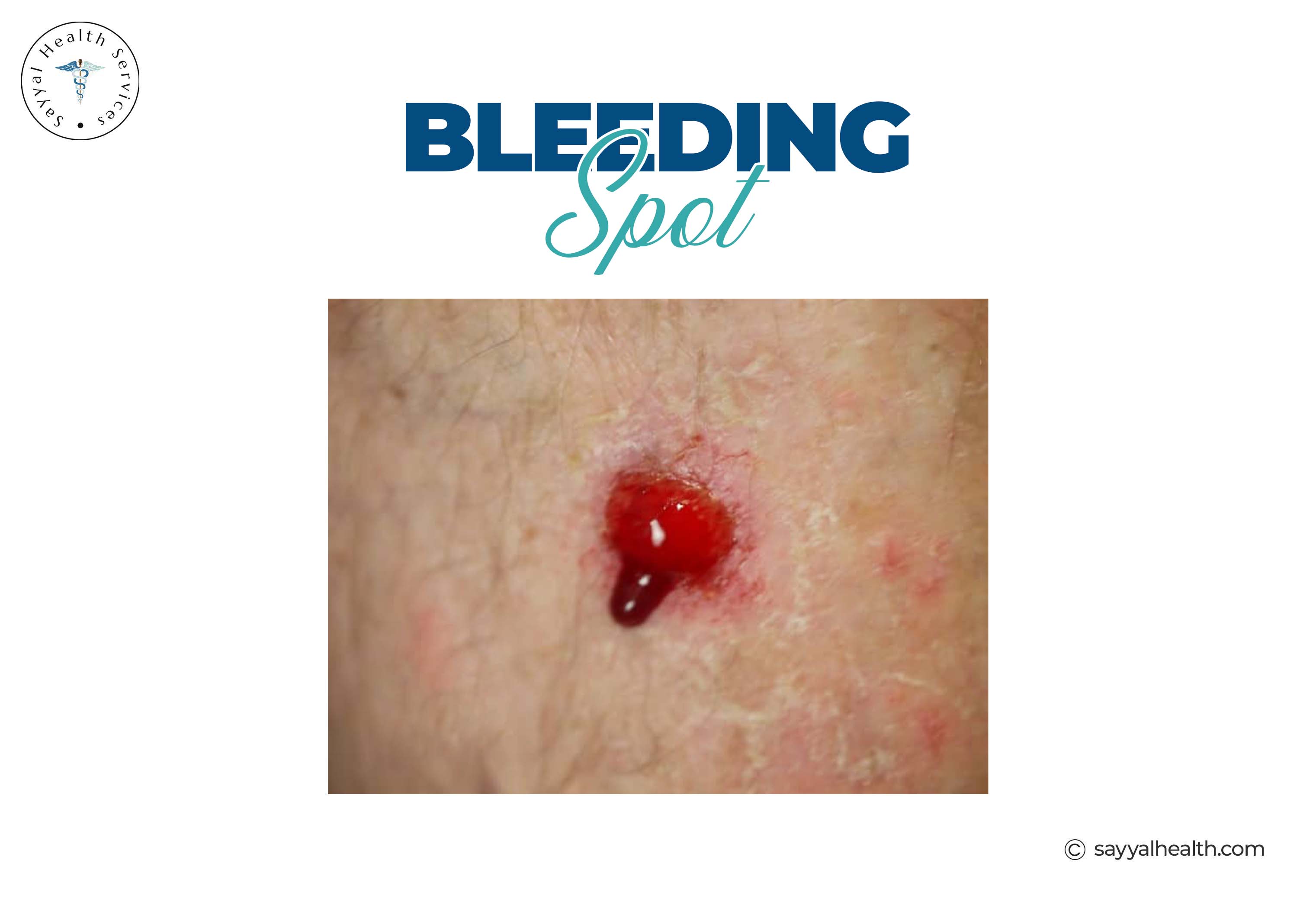
Beyond the ABCDE rule, watch for these additional symptoms:
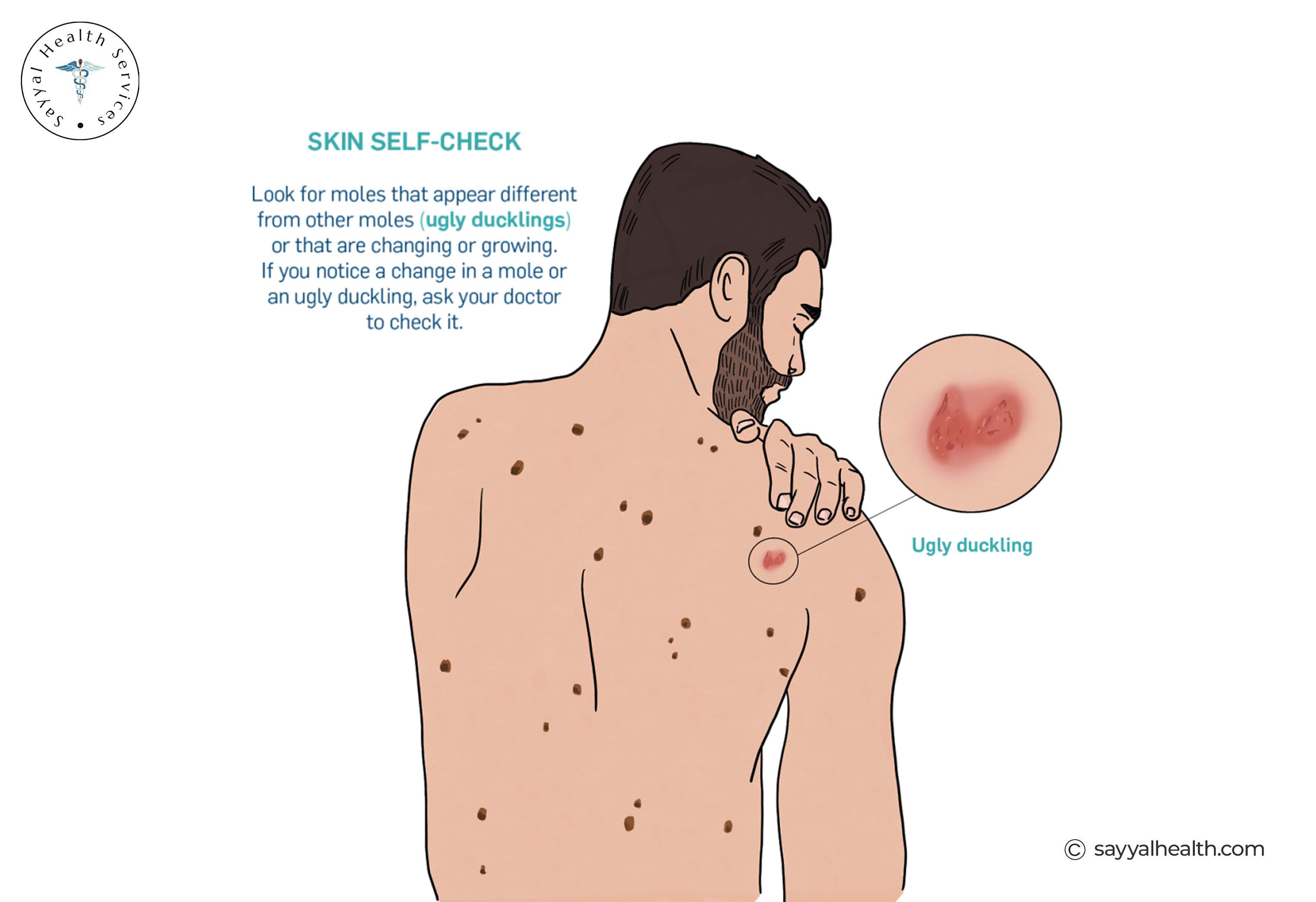
Bleeding Spot
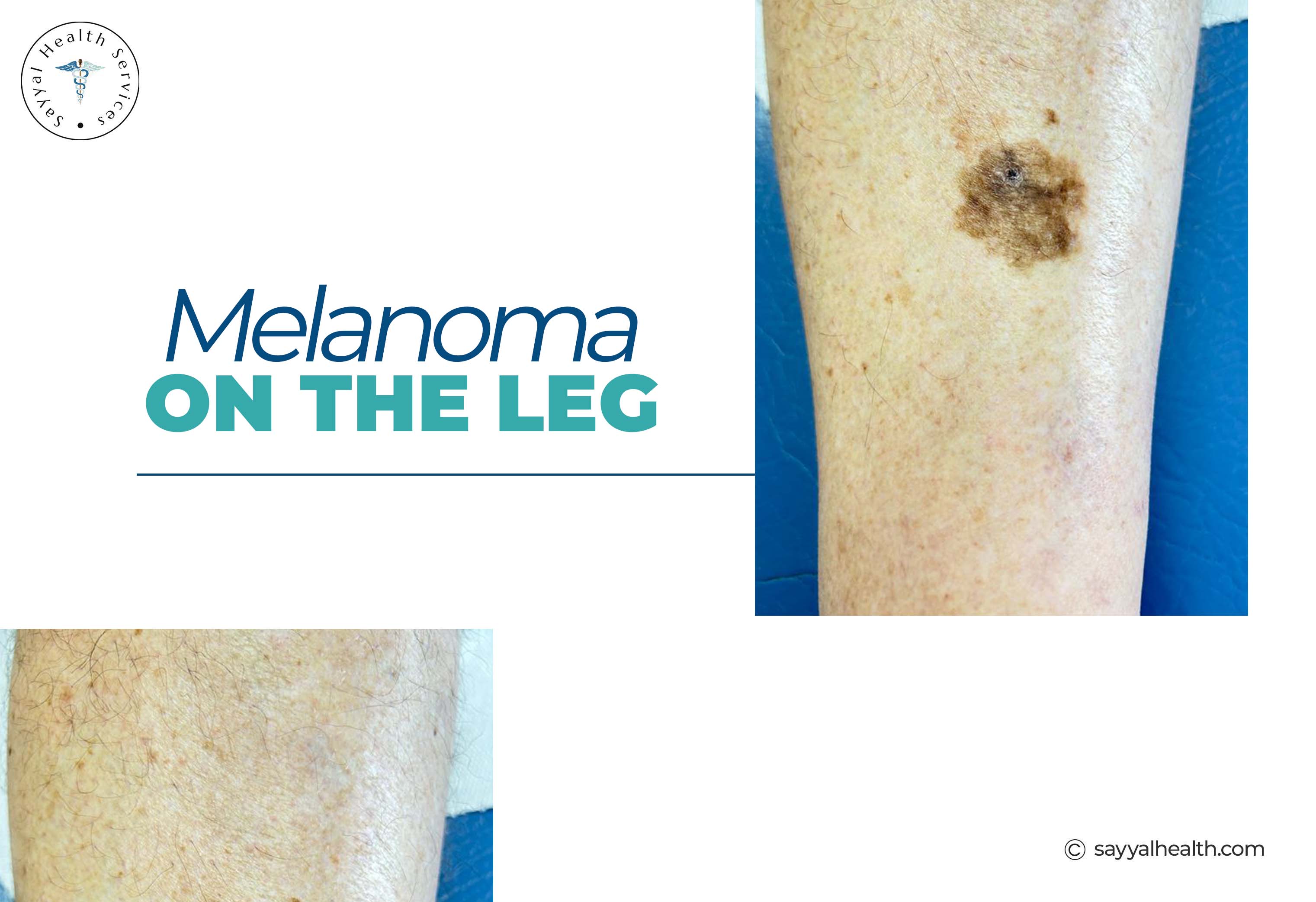
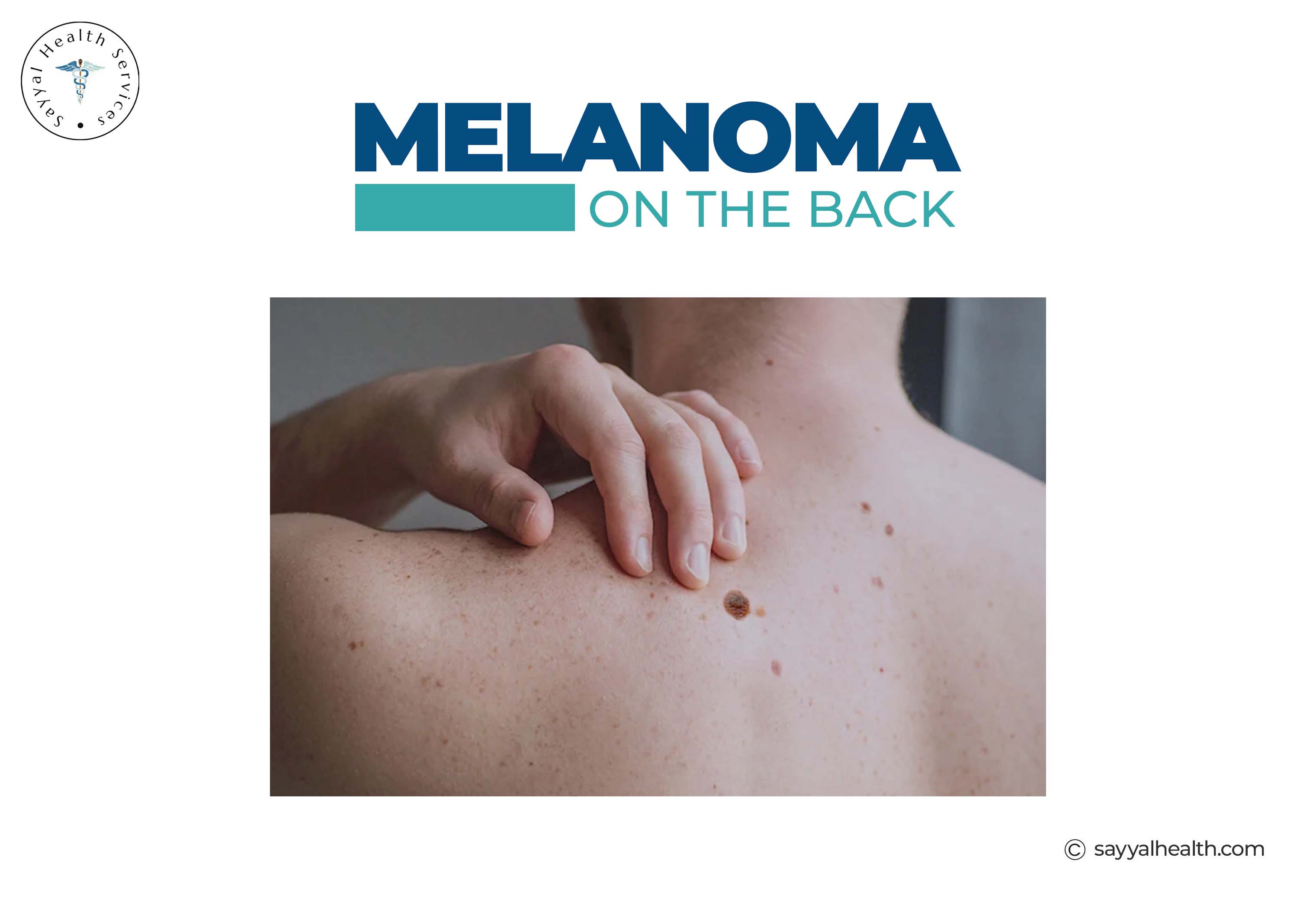
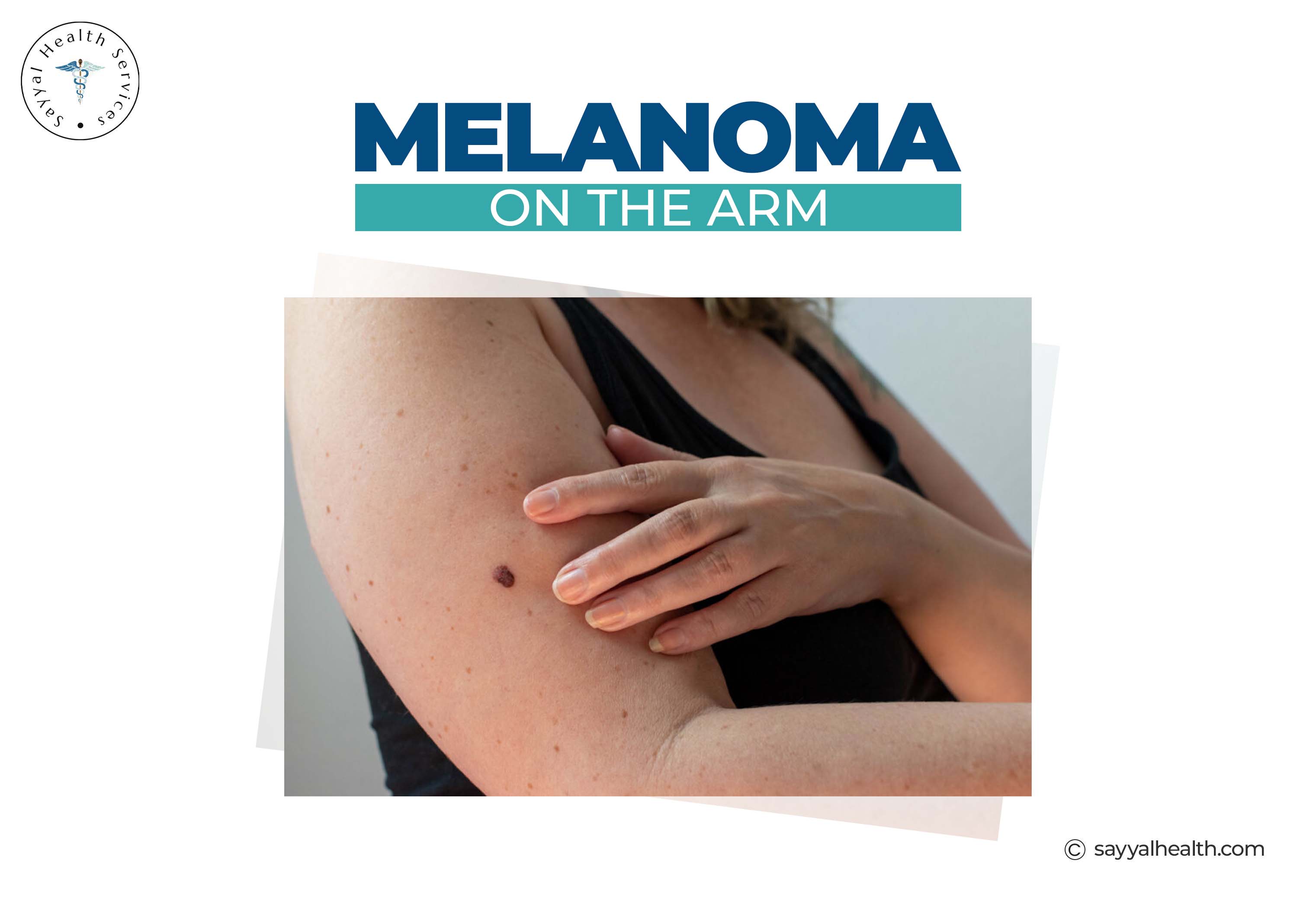
Superficial spreading melanoma can develop anywhere on the body. But certain areas are more common:
Melanoma on the leg
Melanoma on the back
Melanoma on the arm
This is one of the most common questions people have after a diagnosis or scare. The honest answer is that it depends, and the timeline can vary substantially from person to person.
When asking how fast malignant melanoma spreads?, it helps to understand that SSM melanoma has two phases of growth:
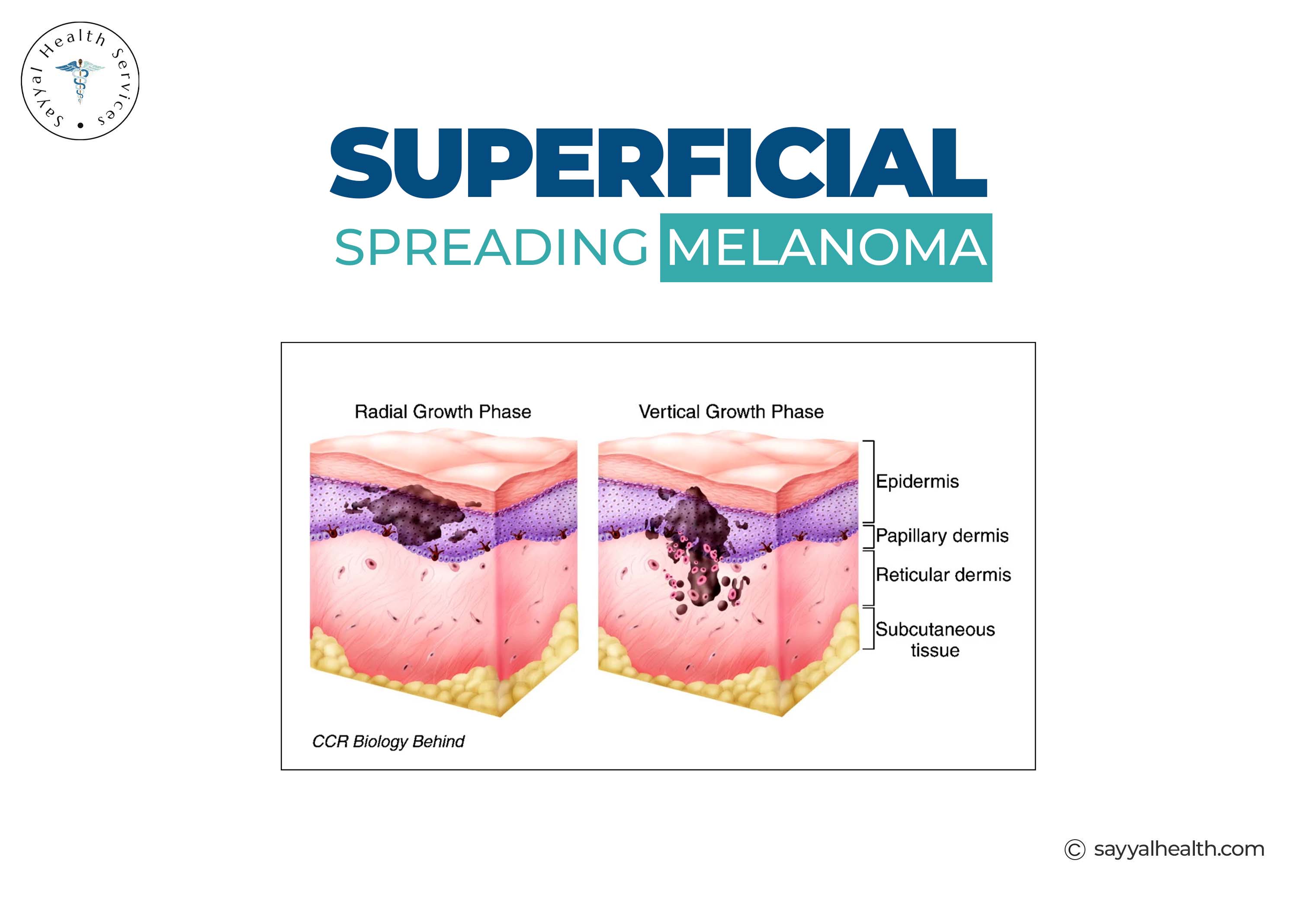
Studies suggest that how quickly melanoma grows varies widely. Some melanomas change noticeably over just a few weeks, while others may evolve slowly over several years. Roughly, melanoma can become life-threatening in 6 weeks. However, 10-15% of melanoma can double in 6 weeks.
On average, researchers estimate that how long does it take a melanoma to spread? to deeper tissue without treatment may be anywhere from months to a few years.
Do not wait and watch a suspicious spot hoping it stays the same. Early evaluation is always the safer choice.
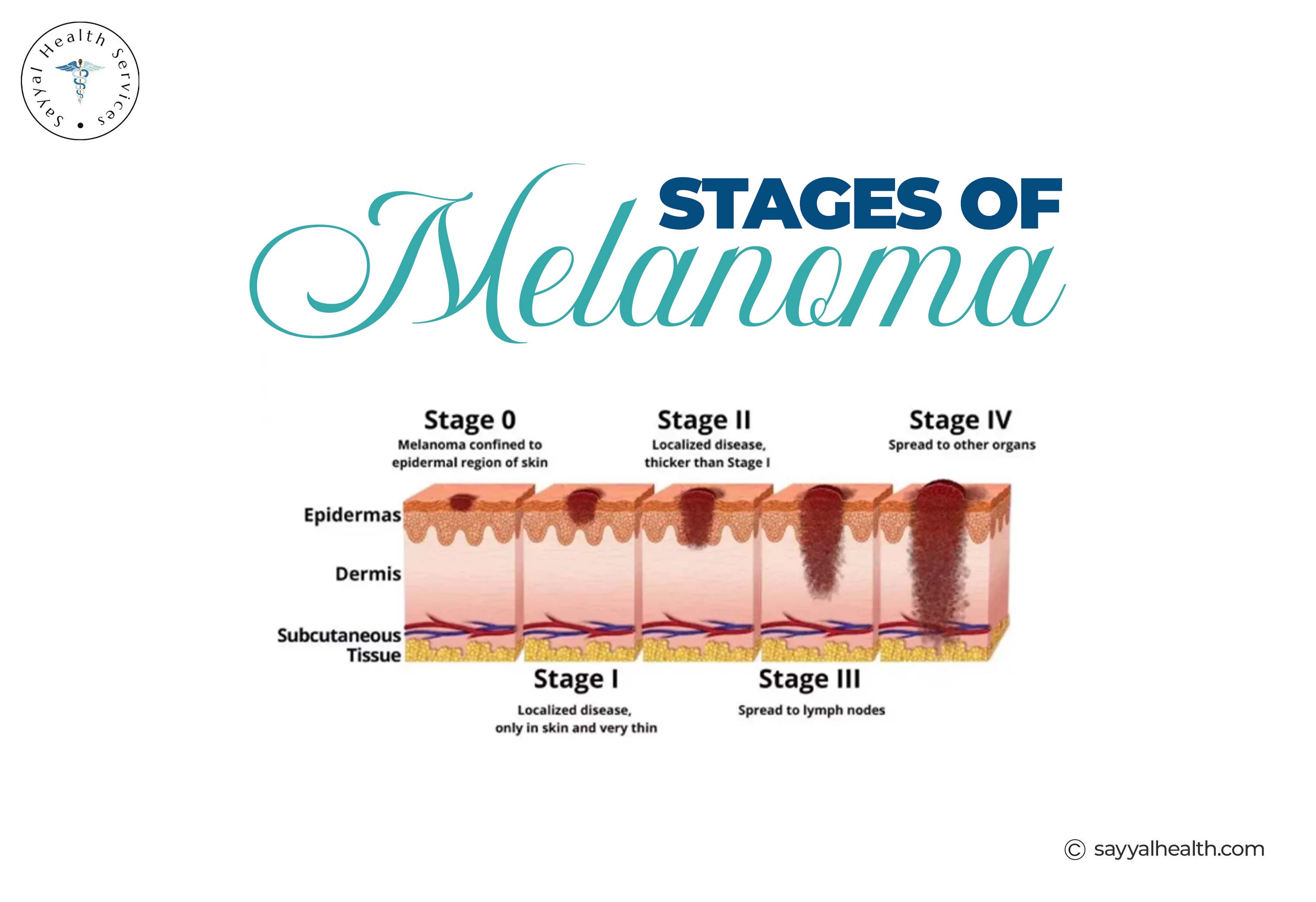
Melanoma is categorised by stages, which describe how deep the cancer has grown and whether it has spread. For superficial melanoma skin cancer, the earlier the stage at diagnosis, the better the treatment outcome.
Stage 0 melanoma is the earliest possible stage of cancer. These cancer cells start only at the top layer of the skin. They have not grown deeper or spread anywhere else in the body. At this stage, the treatment is usually straightforward surgical removal with a small margin of healthy skin.
Many people with stage 0 melanoma go on to live completely normal lives with no recurrence. It is the stage every patient hopes to be diagnosed at. That’s why regular skin checks matter so much.
Melanoma cancer stage 1 means the tumour has grown slightly deeper into the skin but has not spread to nearby lymph nodes or distant organs. Stage 1 is still considered early-stage, and treatment at this point typically involves surgery and close monitoring. Survival rates at stage 1 remain very high, often above 90%.
As melanoma advances to later stages (stages 2, 3, and 4), treatment becomes more complex and outcomes more challenging. This is one of the most important reasons to act quickly if you notice any suspicious skin changes.
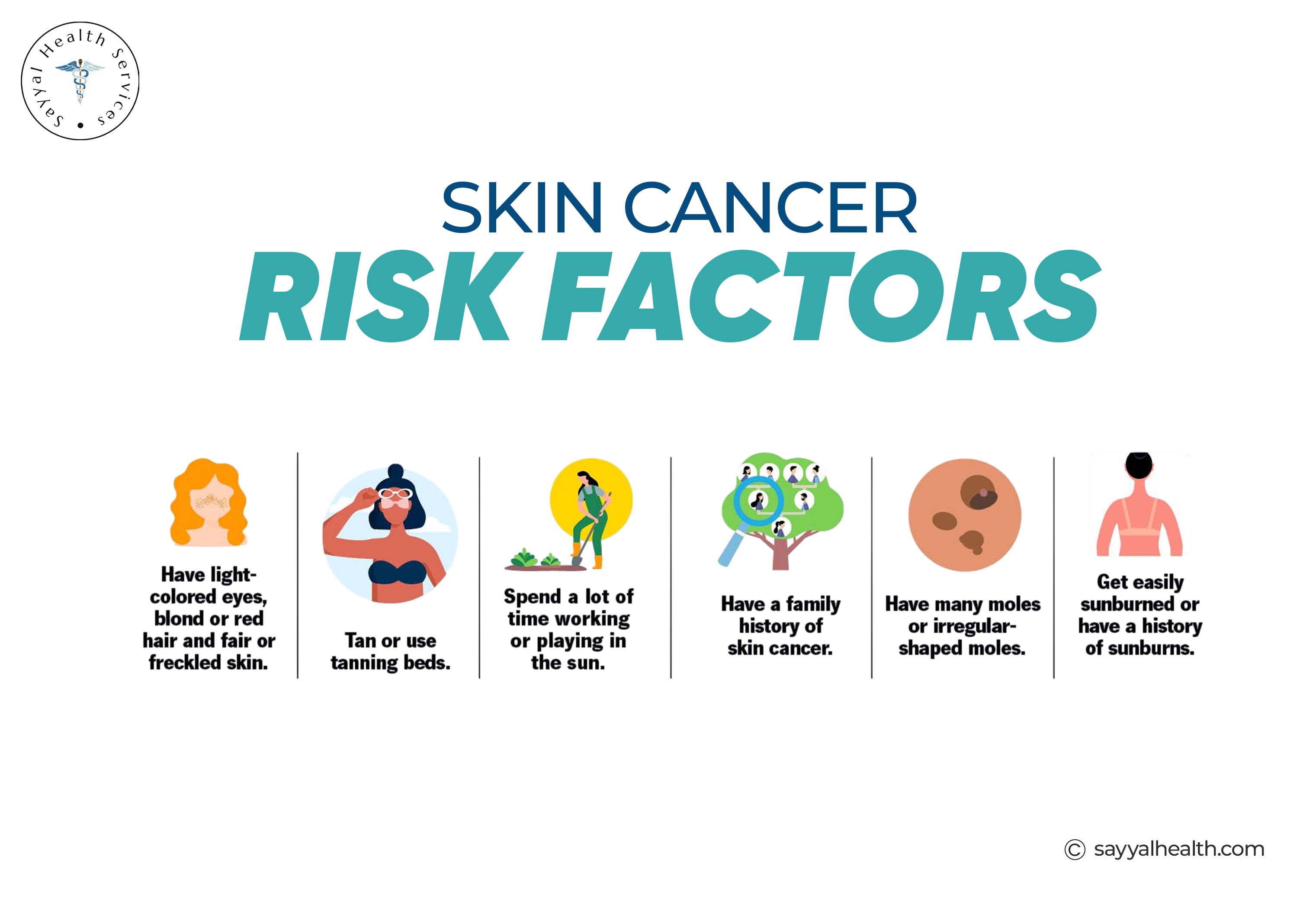
Knowing your risk factors can help you stay more alert. The following factors increase a person's risk of developing SSM melanoma:
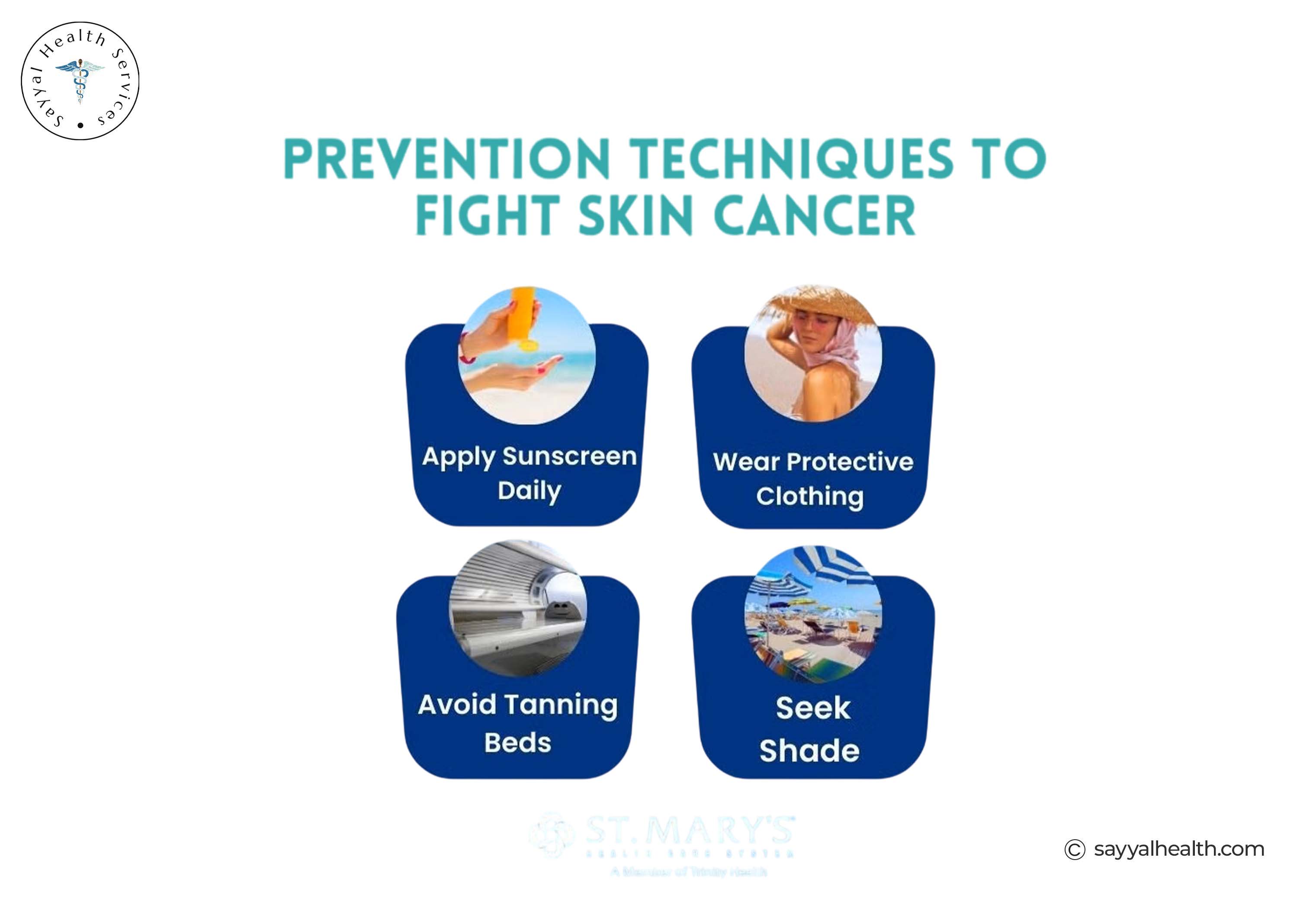
By following some useful steps, you can. Here are some important steps to reduce your risk of superficial spreading melanoma.
Superficial spreading melanoma is the most common type of melanoma. This cancer is also most treatable when it is caught early. The key takeaways from this blog are the following:
Do not wait just make an appointment with Sayyal Health if you notice any of the following:
A dermatologist can evaluate any suspicious area quickly. However, if needed, perform a simple biopsy to check for superficial spreading melanoma or other skin cancers. Most appointments are short, painless, and completely covered by many insurance plans.
Your skin tells a story; make sure you are reading it. Regular self-checks, annual dermatologist visits, and daily sun protection are simple habits that can make an enormous difference. If something on your skin does not look right, trust your instincts and make that appointment. Early action is always the right action.
How bad is superficial spreading melanoma?
Superficial spreading melanoma is the most common type of melanoma, accounting for about 70% of cases. It can be serious if not detected early, but it often grows slowly at first, which gives doctors a good chance to treat it successfully.
How long does it take for superficial spreading melanoma to become invasive?
Superficial spreading melanoma usually begins with a radial growth phase, where it spreads across the surface of the skin. This phase can last months to several years.
What does superficial spreading melanoma look like?
Superficial spreading melanoma often appears as a flat or slightly raised mole or patch with irregular borders and uneven color. The spot may contain multiple shades such as brown, black, tan, red, or even white.
How do they treat superficial melanoma?
Treatment for superficial melanoma usually involves surgical removal of the melanoma along with a small margin of healthy skin. If the melanoma is caught early, surgery alone is often enough.
Disclaimer: This article is for educational purposes only and does not constitute medical advice. Always consult a qualified healthcare provider for diagnosis and treatment of any medical condition.
Your feedback helps us create better content for everyone.