Contact Person:Dr. Safwan Sayyal
Working Hours:Mon - Fri: 9:00 AM - 5:00 PM
Contact:info@sayyalhealth.com




Published: September 19th, 2025Last updated: October 12th, 2026
Rotator cuff injuries are one of the main causes of shoulder dysfunction and pain. They mostly happen in older age and especially among those who perform overhead motions. These injuries include tendinopathy and full- and partial-thickness tears. They impact quality of life and limit daily activities. Multiple treatments, including traditional ones, are used to heal injuries of the rotator cuff. However, PRP is an emerging treatment that naturally heals rotator cuff injuries.
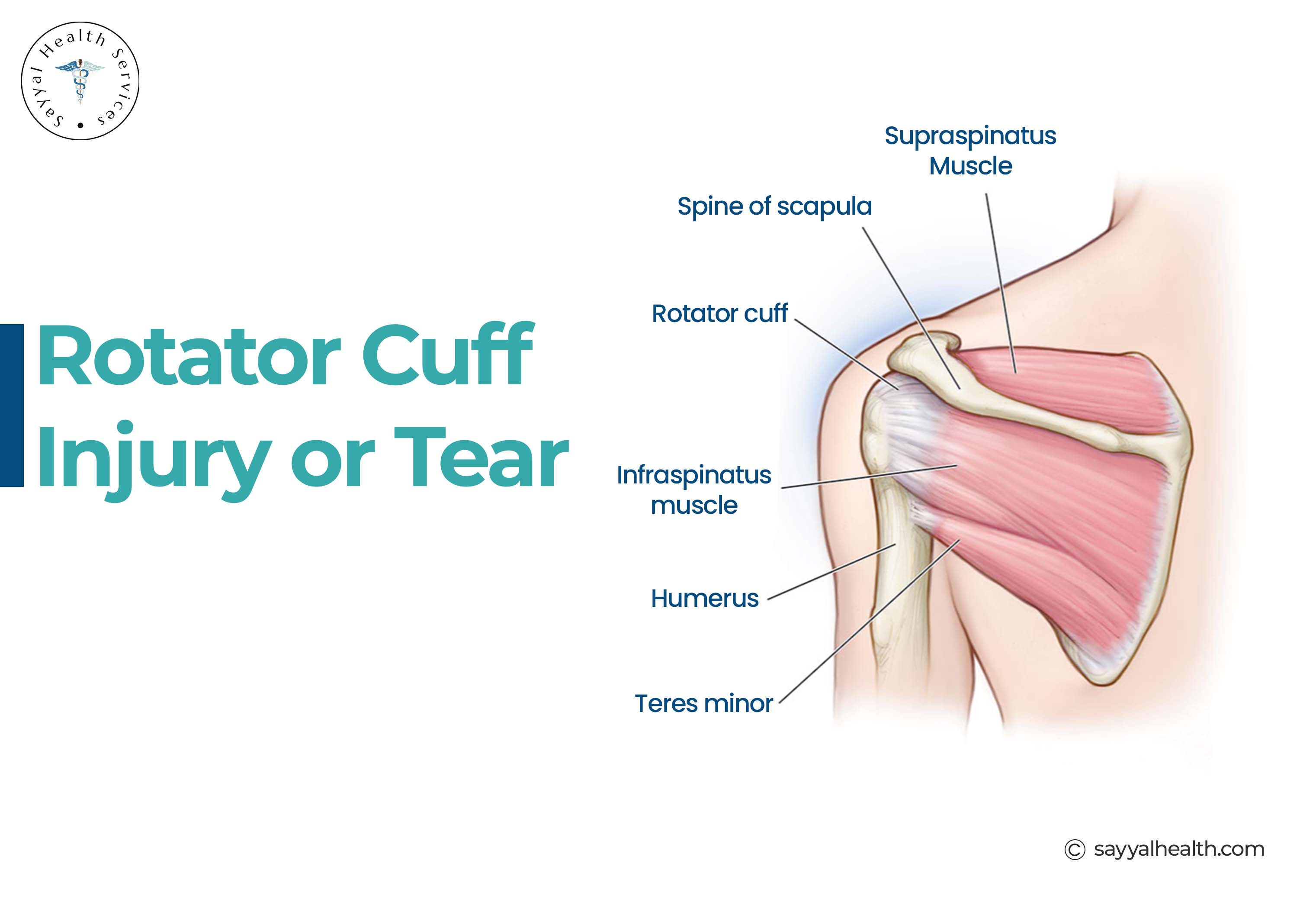
The rotator cuff is a group of four distinct muscles with their tendons around the shoulders. They keep the upper arm ball in place firmly under the shallow socket of the shoulder. These muscles form the cuff around the glenohumeral joint. They provide shoulder strength and stability for movement.
The names of the four muscles are infraspinatus, subscapularis, teres minor, and supraspinatus. They form the rotator cuff. These muscles connect to the bones with tendons. They keep the shoulder stable and help in movement. Trauma, degeneration, and sudden injuries result in muscle and tendon injuries. It is a type of musculoskeletal injury. As a result, a person feels pain, weakness and a clicking sensation in the shoulders.
In recent years, PRP therapy has emerged as a non-invasive treatment for rotator cuff injuries. It is a regenerative treatment that provides better results than traditional treatments.
Rotator cuff injury is characterised by pain, inflammation, and tendon degeneration. This condition is also called a rotator cuff tear. It occurs when any part of the rotator cuff is damaged. Due to pain, the shoulder’s movement becomes hard. The shoulder pain could be mild or unbearable. At first, it is dull. But it becomes severe with time. Injury to the supraspinatus is the most common among the four muscles. It is the upper part of the shoulder that is located in the scapula. However, the risk of rotator cuff injury increases with age.
According to the National Institute of Health, 30-50% of people above the age of 60 have rotator cuff injuries. This injury is common in carpenters and painters. It is because they do excessive overhead motion during their job. The probability of this condition also increases in people who also perform overhead motion.
Rotator cuff injury with long-term complications can impact your life. It limits your daily life or movement by causing shoulder pain. Moreover, it makes it difficult to perform a routine task. For players, it becomes hard to continue their sports activities. It can also affect the normal sleep routine. Irregularity in sleep leads to psychological distress.
There are various treatments for rotator cuff injuries, including traditional ones. However, PRP (platelet-rich plasma) therapy is an emerging treatment. This treatment uses concentrated plasma with a 3- 8x platelet baseline with a minimum of 1,000,000 platelets per μl. It is an autologous method, which means it contains the patient's own blood. It contains growth factors that increase the healing process naturally.
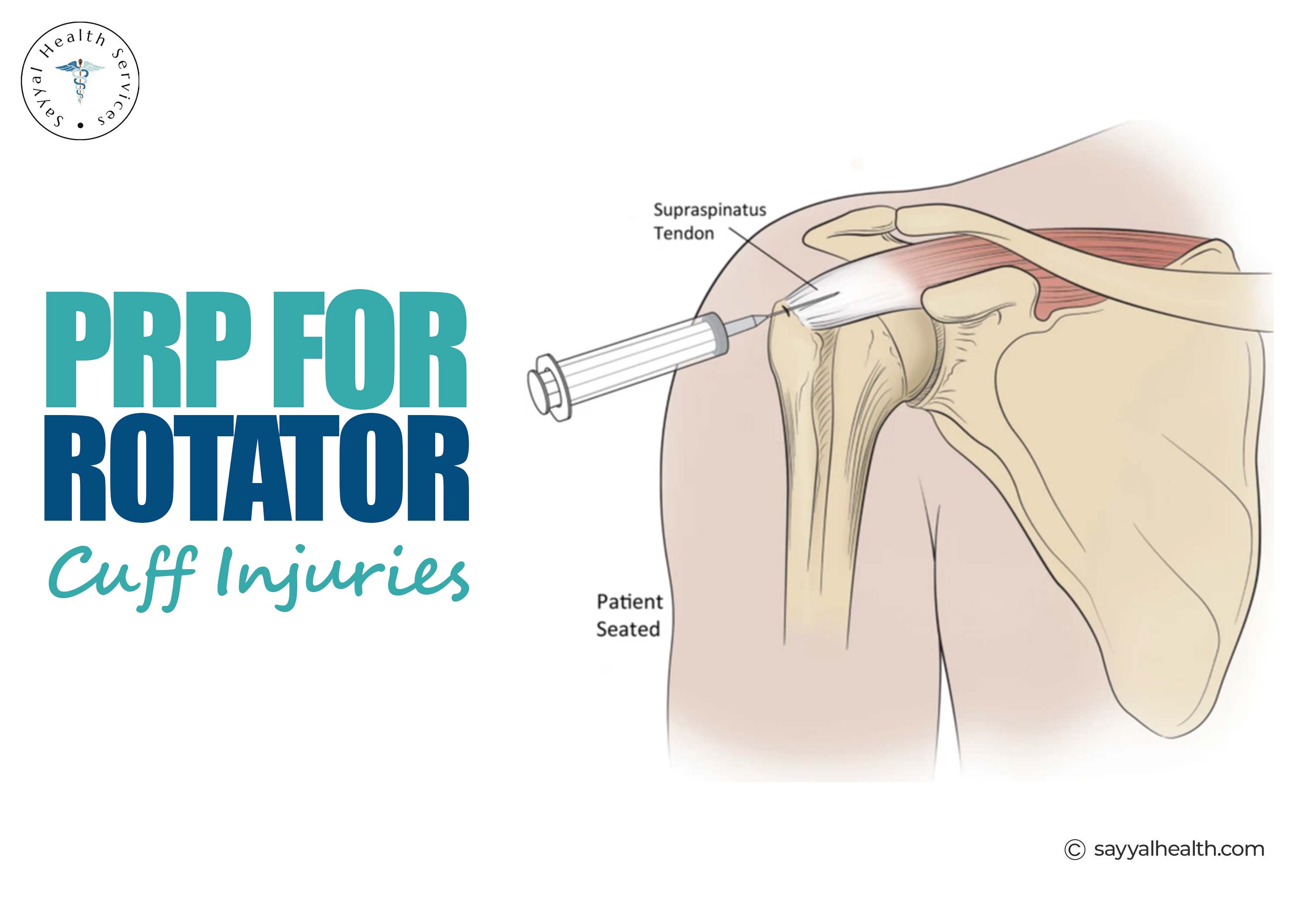
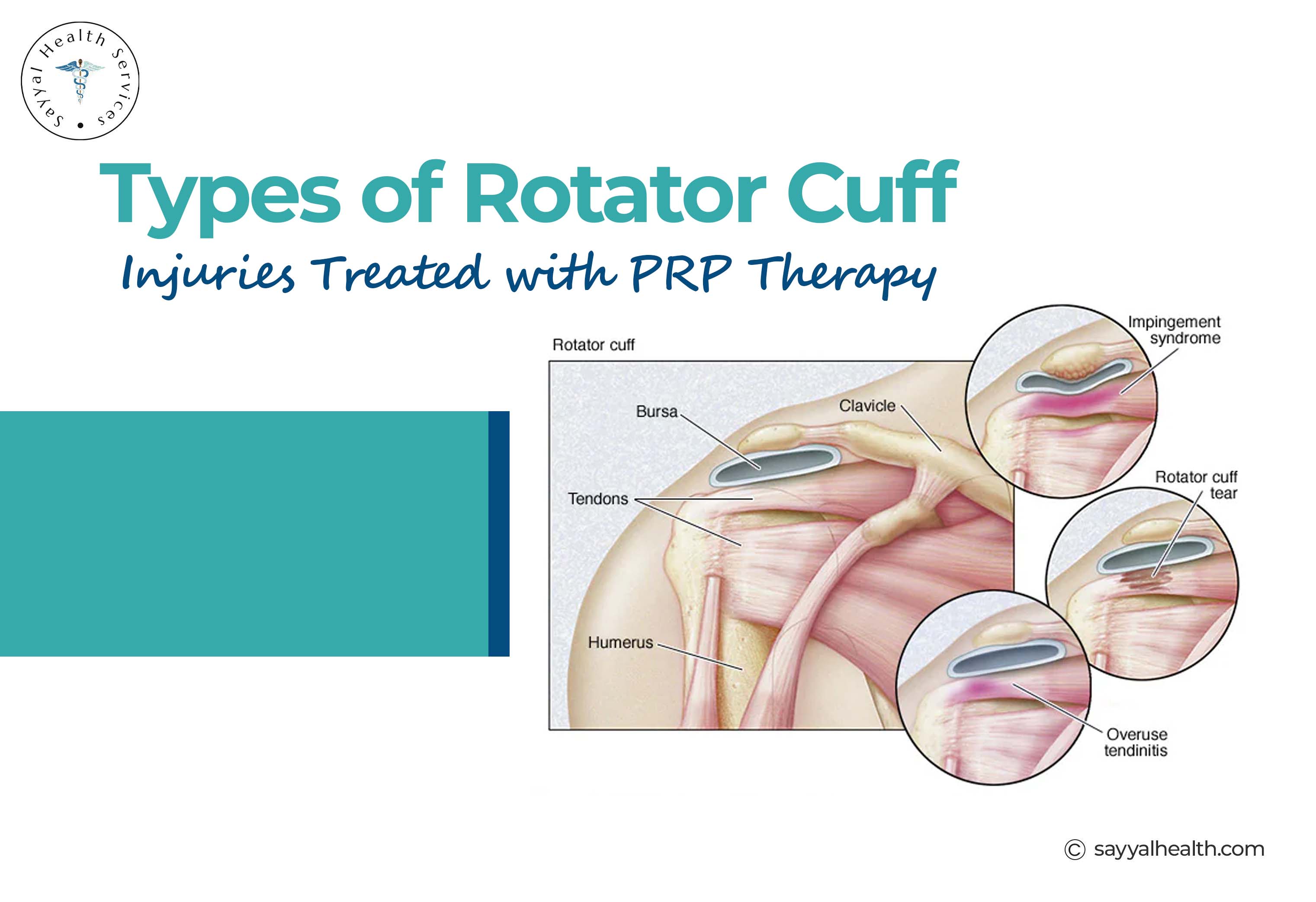
There are three types of rotator cuff injury. These are rotator cuff tears, tendinitis, and bursitis. Rotator cuff tears happen when tendons tear completely or partially. These tendons with muscles make up the rotator cuff. Rotator cuff tears are also of two types. The first is a full rotator cuff tear, and the second is a partial-thickness rotator cuff tear. A full rotator cuff tear occurs when the tendons tear completely. However, a partial rotator cuff tear is a condition in which only some parts of the tendon are torn. The symptoms of a tear include shoulder instability, pain, and weakness.
Tendinitis is a condition of inflamed tendons. Bursitis is an inflammation of the bursa, which is a fluid-filled sac. This sac supports tendons to reduce friction between bones and tendons.
Platelet rich plasma treatment is useful for treating all types of rotator cuff injuries. It is platelet-rich plasma, which consists of growth factors that manage pain. According to RCT level 1 studies by J. Shoulder Elbow Surg 2024, PRP is a useful treatment for bursitis. It also heals tendinitis by increasing neovascularisation and VEGF growth factor.
Neovascularisation is the process of the formation of new blood vessels. Vascular endothelial growth factor is another factor in angiogenesis. It also stimulates the formation of new blood vessels. These blood vessels are crucial for wound healing.
Platelet-rich plasma is also useful for full and partial rotator cuff injuries. It provides more effective results in partial rotator cuff injury. According to the AJSM study, PRP provides 89% satisfactory results in reducing the tear to less than 1 cm at 12 months.
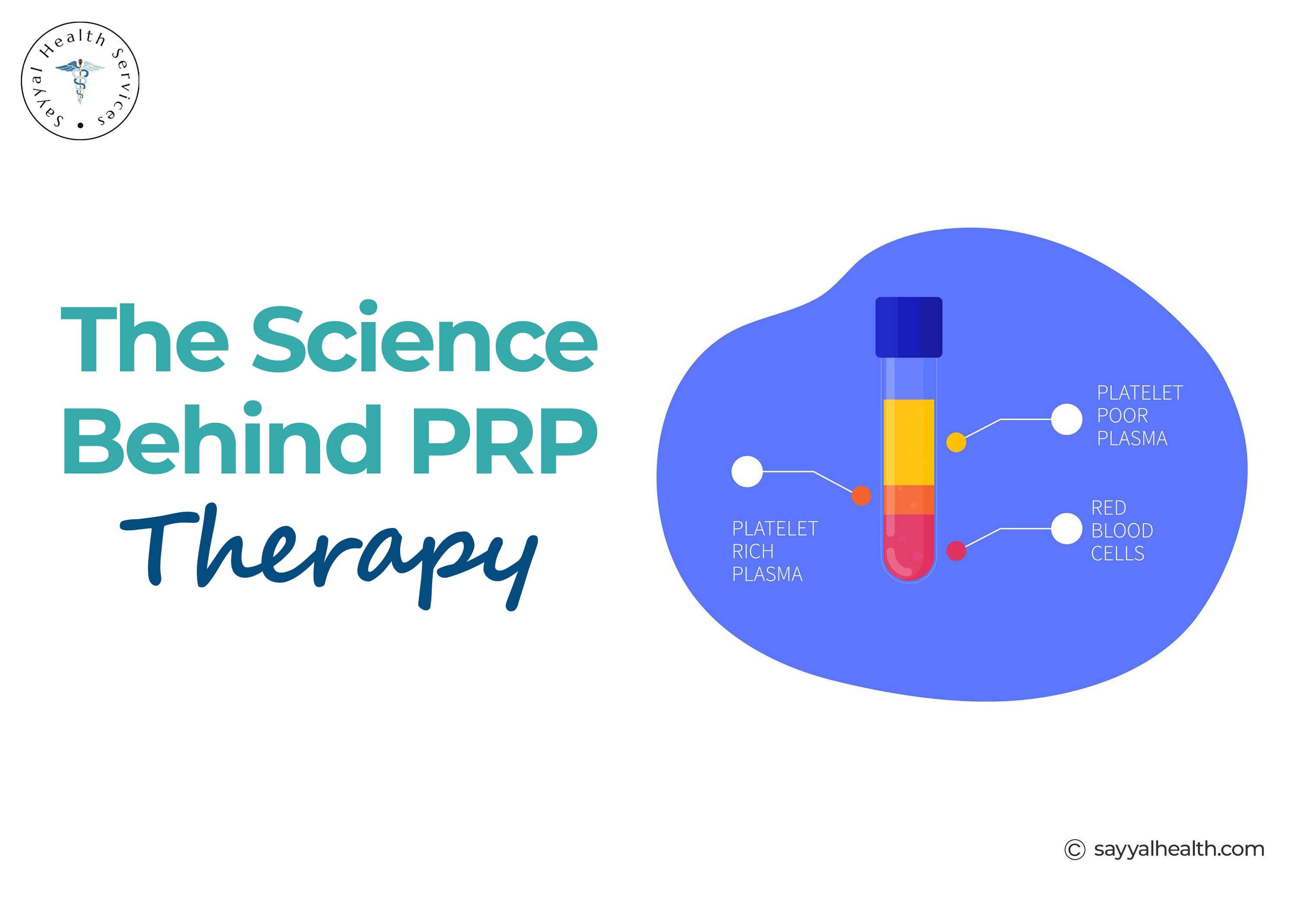
Platelet-rich plasma increases the natural healing process. It is prepared from patients’ own blood in a centrifuge by separating all blood components. The centrifuge spins twice for plasma concentration. In the first spin, erythrocytes separate from platelet-poor plasma. This spin runs for 10 minutes at 2400 revolutions per minute. It is also called soft spin. The second spin at 3600 revolutions per minute for 15 minutes separates PRP from the platelet-poor plasma. The second spin is called a hard spin.
This platelet-rich plasma contains growth factors that help in healing rotator cuff injuries. It is a non-invasive method for tendon repair. Growth factors synthesise collagen and proliferate cells. Platelet-derived growth factor is responsible for cell proliferation. Moreover, TGF-β enhances collagen synthesis, and VEGF promotes angiogenesis.
Various medical studies have backed the Platelet rich plasma rotator cuff injuries. However, more research is still going on to confirm full effectiveness. But recent data and scores show a promising result of PRP for rotator cuff tear. PRP therapy is more effective than corticosteroids.
Platelet-rich plasma therapy scores on VAS have significantly reduced over the years. The visual analogue scale measures pain intensity.
Platelet-rich plasma has also shown improvement in the ASES score in reducing shoulder pain. ASES is an American Shoulder and Elbow Surgeons score that measures shoulder function and pain.
Studies show that PRP reduces the rate of re-tear by 60% compared to that of surgery. Here is the clinical analysis of PRP for rotator cuff injuries:
|
Treatment |
ASES Score for 6 Months |
2-Year Re-Tear Rate |
Study Year |
|
RRP+Rehab |
+35.2 Points |
12% |
Lancet Rheumatol 2024 |
|
Corticosteroid |
+18.7 Points |
N/A |
|
|
Surgery |
+38.1 Points |
N/A |
For tendon repair, PRP provides long-term results. It manages pain effectively by reducing inflammation. This treatment helps treat shoulder stiffness and muscle weakness. PRP shows a 30% decrease in pain on the VAS score after 6 weeks of treatment for partial rotator cuff injury. Platelet-rich plasma also improves the functional capability of patients. Approximately 94 per cent of patients returned to their daily activities after treatment. Moreover, the DASH (disability of the arm, shoulder, and hand) score reduces to 15% in a year.
PRP doesn't provide the same results for all patients. Because some factors affect the treatment. For example, a patient's age, injury condition, and environmental factors affect the result. The results of treatment of an old person differ from those of a young and healthy person. Moreover, the medical history of a patient also matters a lot. If a patient already has diabetes, the results could vary. A patient who is young and has no other kind of disease heals rapidly.
PRP treatment is better for lasting results. Other treatments, such as cortisone injections, provide immediate relief, but only for months. Moreover, PRP is a better option because it enhances the healing process naturally. It is a non-invasive method that has a low risk. It is a little bit more expensive than the corticosteroid. Here is a detailed table of PRP and other treatment comparisons.
|
Treatment |
Pros |
Cons |
Cost |
|
PRP |
Tissue Regeneration |
Delayed Onset (6W) |
$800-1500 |
|
Corticosteroid |
Immediate Pain Relief |
Tendon atrophy risk |
$200-400 |
|
Surgery |
Definitive Repair |
6-12 months recovery |
$15,000+ |
The cost of the treatment may vary depending on multiple factors.
Physicians inject the PRP into the targeted area under ultrasound guidance. For precision, ultrasound guidance is crucial. In some cases, dual rotator cuff plasma injections are also injected at tendons for tendon-to-bone healing. The PRP kit must comply with the TGA ISO 13485 standards. It is important for the safety of the patient.
Can PRP heal full-thickness rotator cuff tears?
No, PRP does not heal full-thickness tears. However, platelet-rich plasma injections are more useful for partial rotator cuff injuries.
What are post-PRP restrictions?
It is important to take precautionary measures before and after treatment. Do not take NSAIDs for at least 6 weeks. Because they inhibit the platelets.
How long does recovery take after PRP therapy for rotator cuff injuries?
A complete recovery takes almost 6 months. It depends on the severity of the injury. However, the improvement in injury starts within 3-6 weeks.
This blog concludes that PRP treats rotator cuff injuries effectively. It is a good option for tendon recovery and long-term benefits. It is also beneficial for tendon regeneration and functional improvement. The Desouza & Shetty (2024) study on the dual efficacy of PRP shows pain reduction in PTRCTs. It provides both long- and short-term results, according to the study.
Platelet-rich plasma heals injuries naturally by enhancing collagen production. Platelet-rich plasma also promotes angiogenesis and regenerates tissues. As a result, recovery from rotator cuff injury becomes possible. Consult your doctor and do a proper check-up before treatment. A comprehensive inspection of the patient's condition by a specialist is crucial for the treatment.
If you are looking for a rotator cuff injury assessment, book consultation with Sayyal Health.
Your feedback helps us create better content for everyone.