Contact Person:Dr. Safwan Sayyal
Working Hours:Mon - Fri: 9:00 AM - 5:00 PM
Contact:info@sayyalhealth.com








Published: June 15th, 2026Last updated: September 23rd, 2026
A black toenail can happen due to injury, tight shoes, or a fungal infection. Most of the time, it is harmless, but sometimes it can be a sign of a more serious condition.
It could be the result of a stubbed toe, pressure from tight shoes, or a fungal infection that has progressed. Less commonly, a dark discolouration under the nail can signal a condition called melanonychia, which is usually benign or, in rare cases, a form of skin cancer known as subungual melanoma.
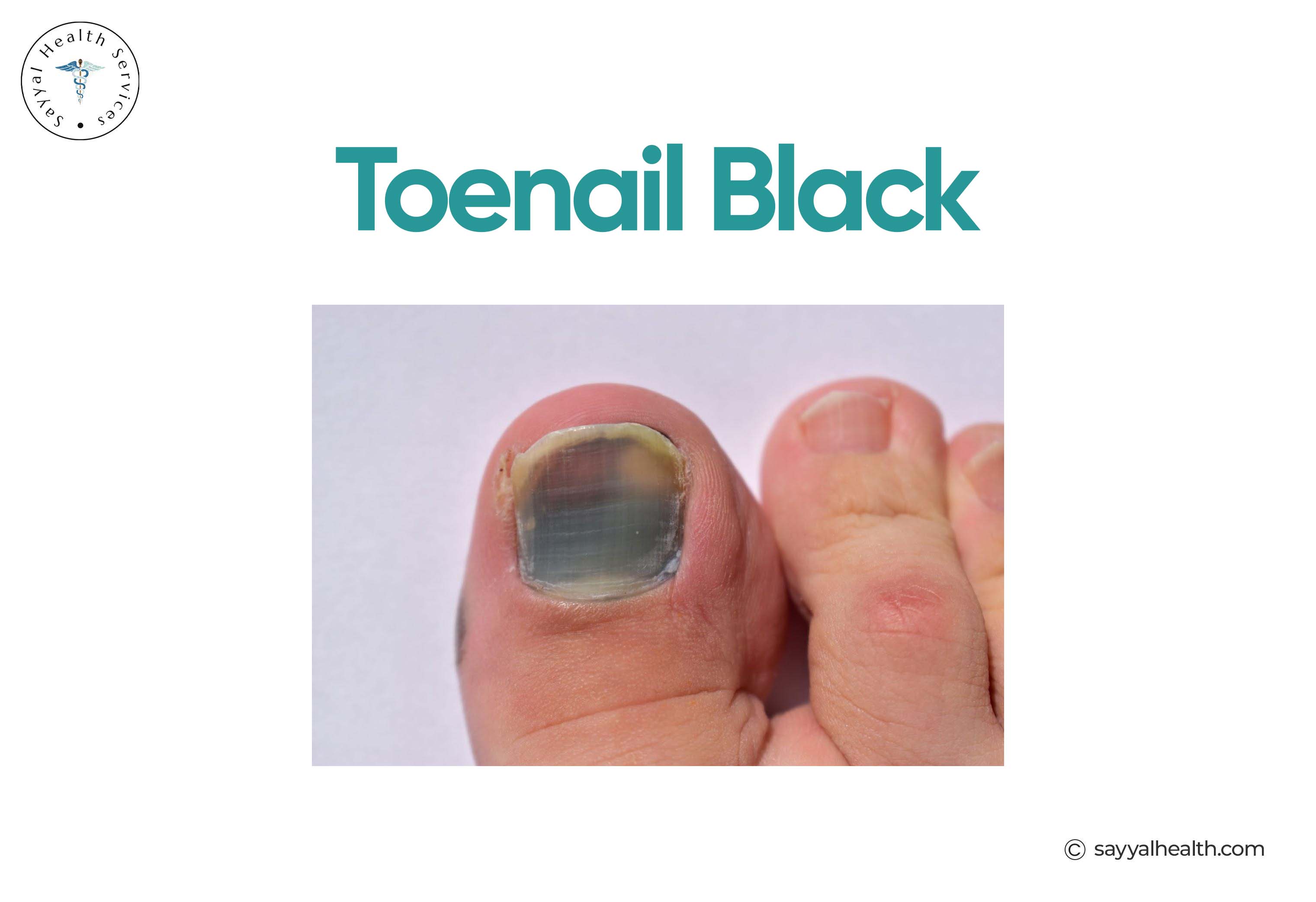
This blog covers all the major causes of toenail discoloration, what the symptoms look like, how each condition is treated, and the warning signs that mean it's time to see your doctor.
A healthy toenail is typically translucent or slightly pinkish, with a pale crescent-shaped area near the base called the lunula.
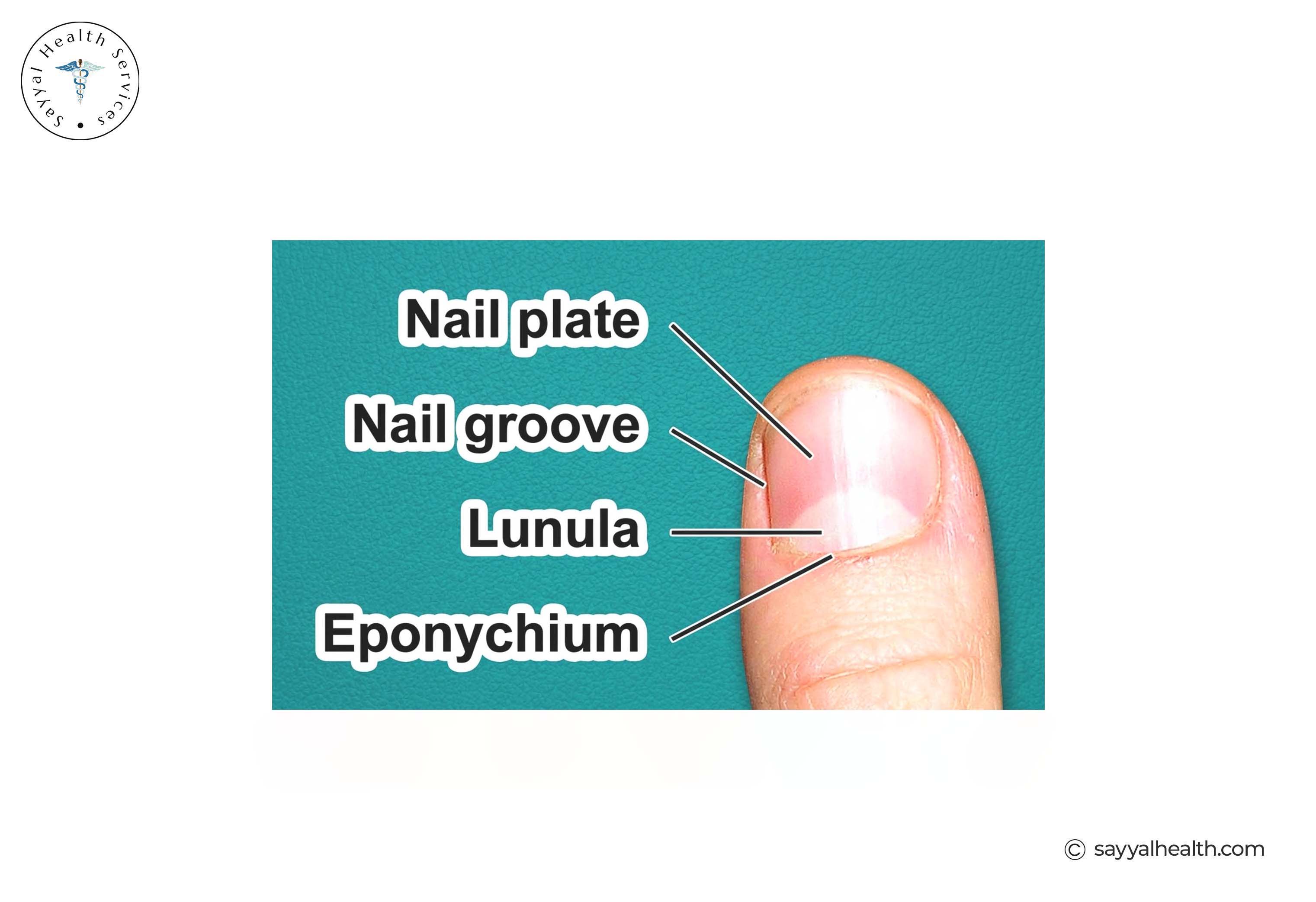
When a nail changes colour, turning dark brown, purple, or black, something is happening underneath or within the nail tissue itself.
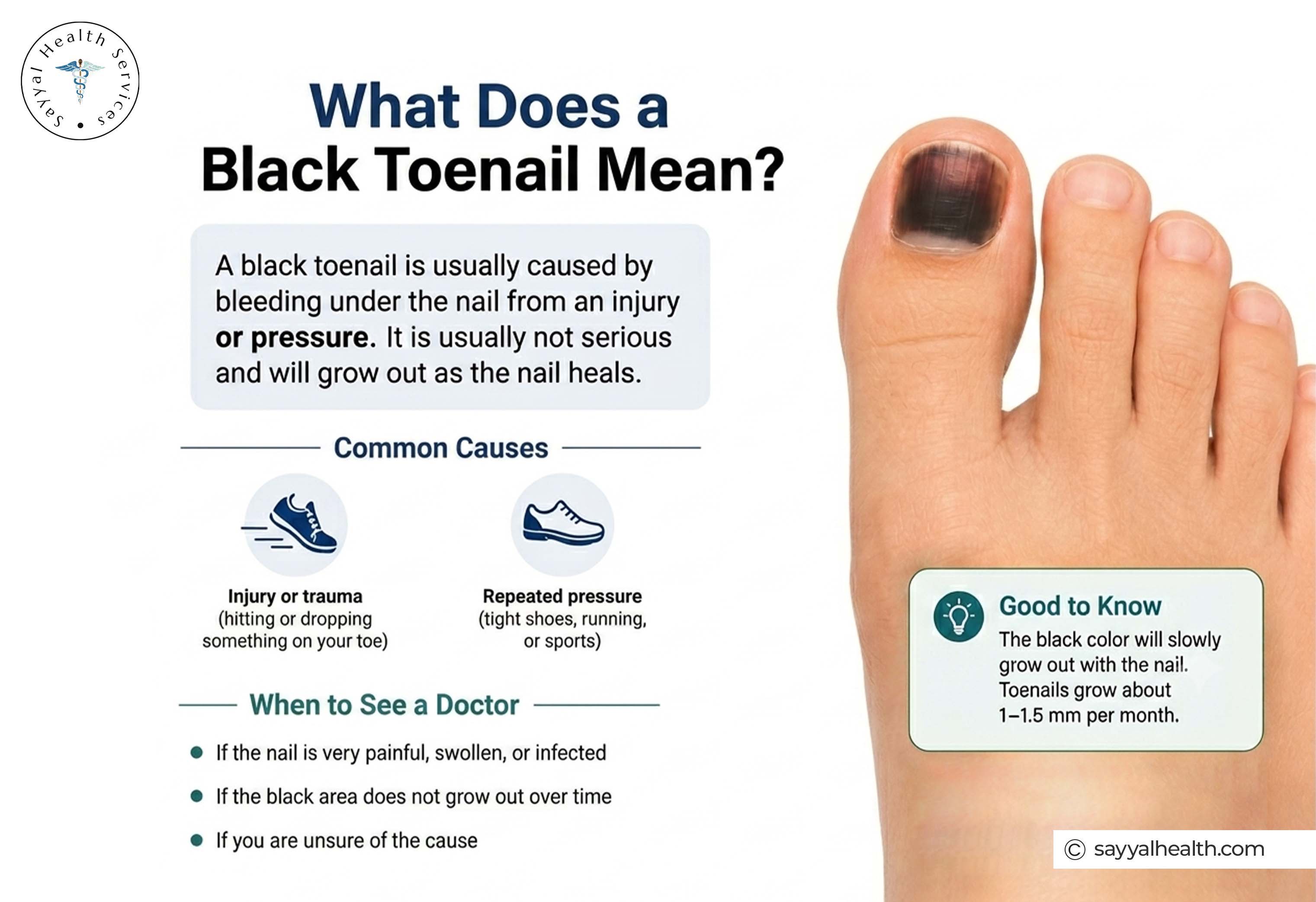
Toenail discolouration can result from blood collecting under the nail, pigment-producing cells becoming overactive, a fungal organism changing the nail's structure, or even a systemic health issue affecting blood flow. The colour alone doesn't always tell you the cause, but the pattern, location, and accompanying symptoms provide important clues.
The most common reason why the toenail turns black is physical trauma. When you stub your toe, drop something heavy on your foot, or wear shoes that are too tight, tiny blood vessels under the nail can rupture. The blood pools in the space between the nail bed and the nail plate is a condition called a subungual hematoma.
This is why black toenails are extremely common among runners, hikers, and athletes. Repetitive pressure from the toe hitting the front of a shoe can cause the same effect even without a single dramatic injury. You may notice a black spot on the toe or a purple-colored toenail that appears within hours of the trauma.
Typical features of an injury-related black toenail:
The nail falling off sounds alarming but is completely normal. A new nail will grow back in its place over the following months.
A toenail turning black without injury is understandably more concerning because there's no obvious explanation. In these cases, the discolouration is more likely related to one of the following:
Fungal Nail Infection
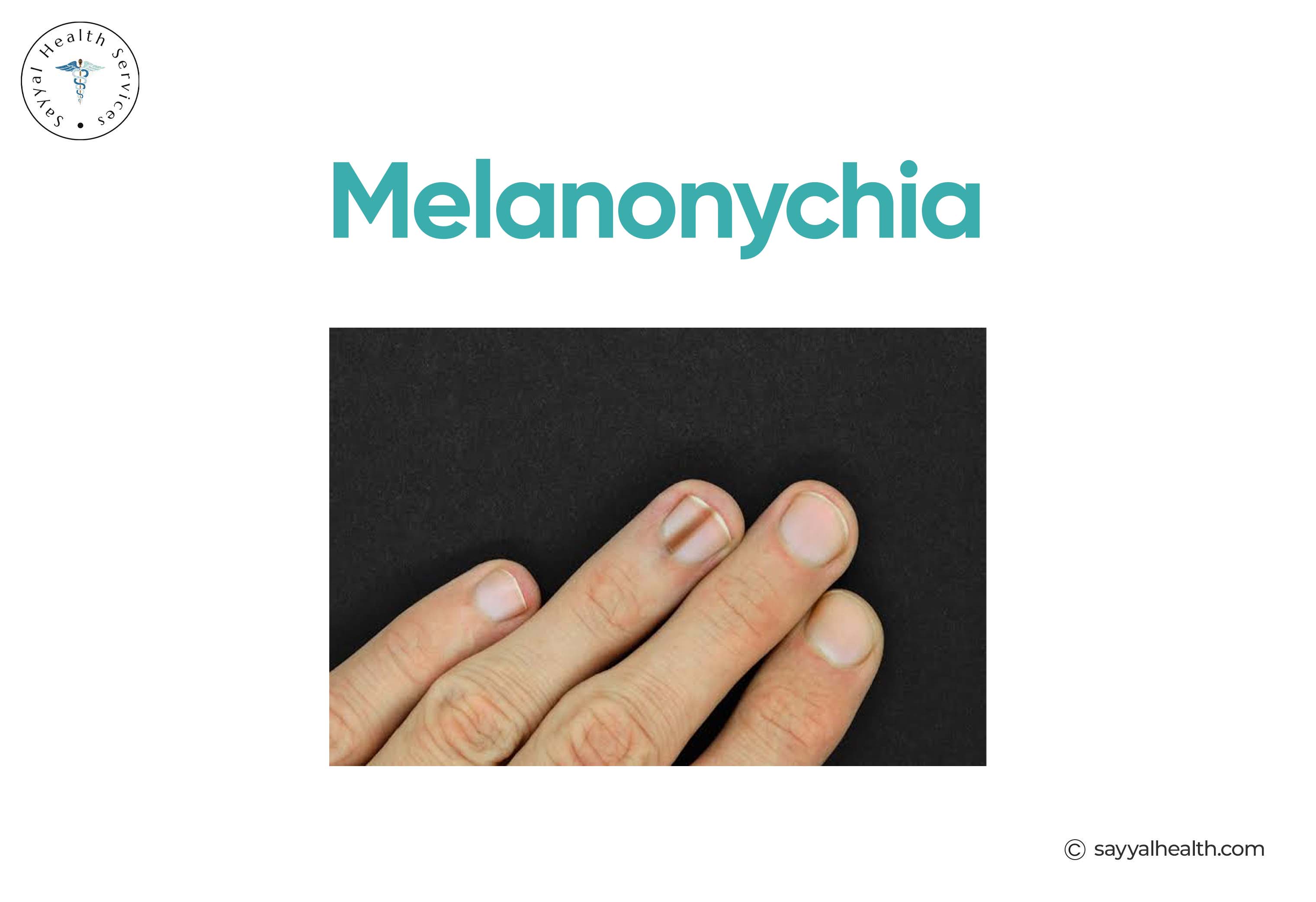
Melanonychia
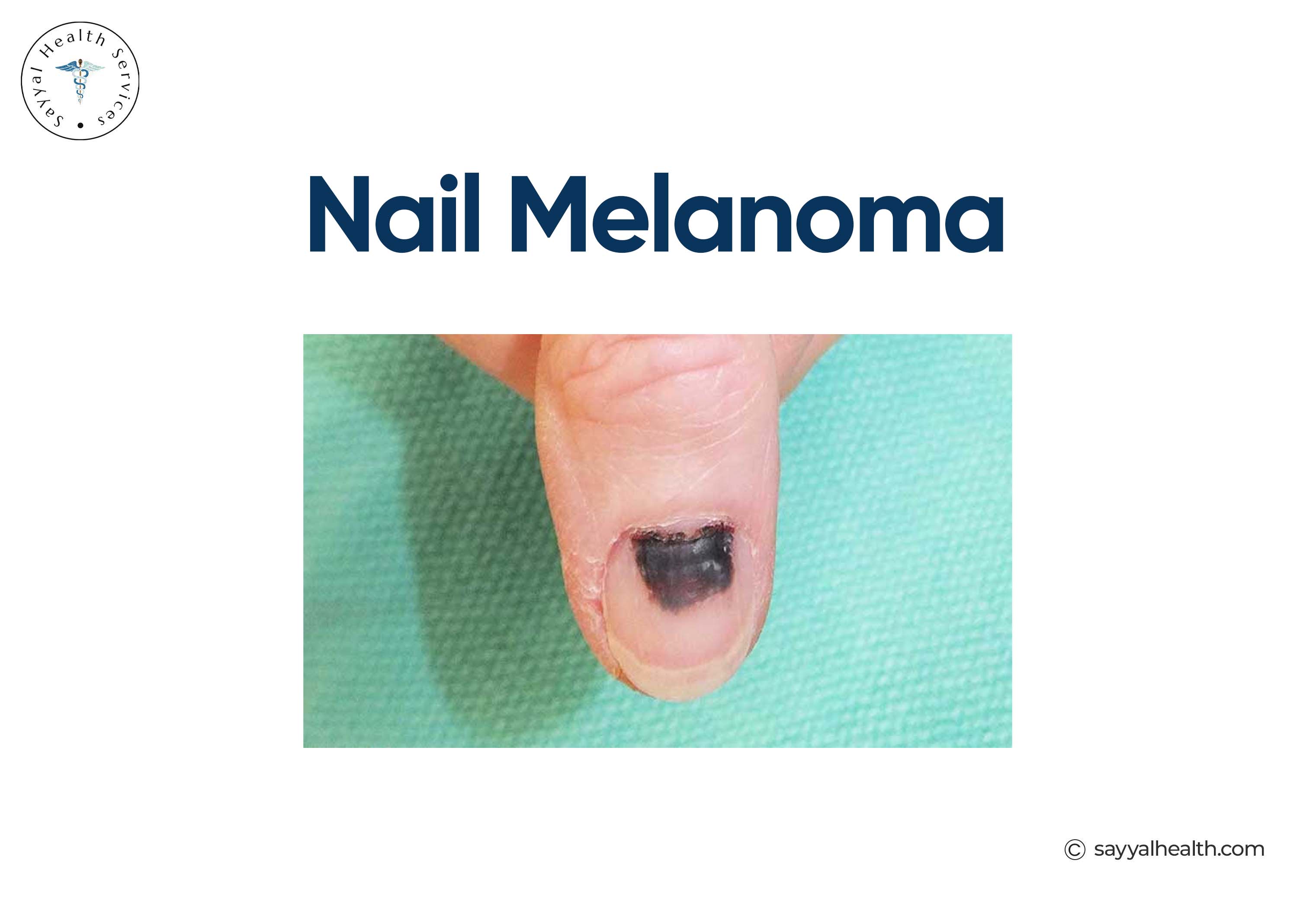
Nail Melanoma
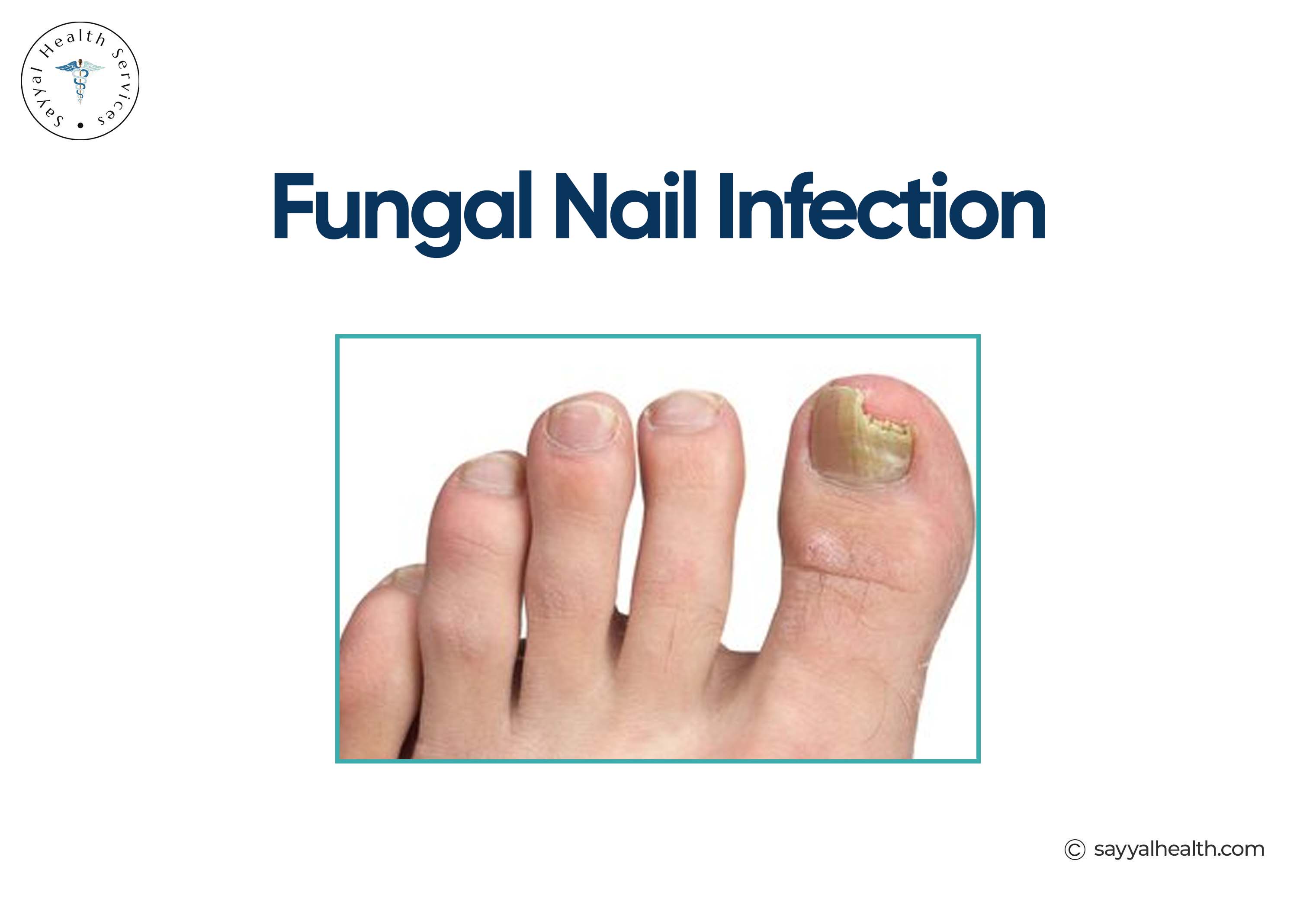
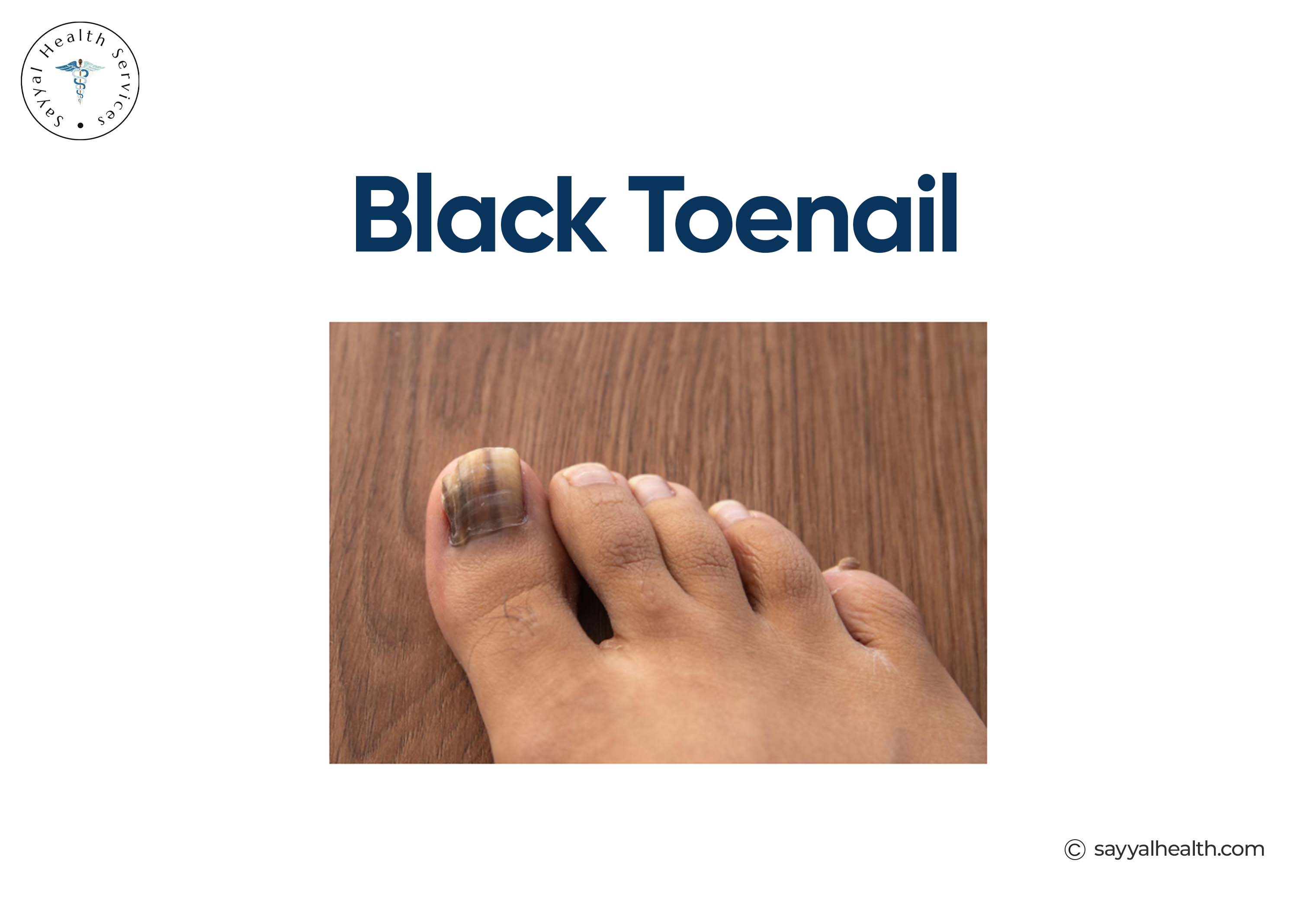
Fungal infections of the nail, medically known as onychomycosis, are one of the most common nail problems in adults. Most fungal infections make the nail look yellow or white, but sometimes a black toenail can also happen. This is more likely when the infection is severe or caused by certain types of mould instead of the usual fungi.
Black Toenail from Fungus Image
Understanding what causes toenail fungus helps explain why it's so common. The organisms responsible, including dermatophytes, yeasts, and non-dermatophyte moulds, thrive in warm, moist environments. Walking barefoot in communal areas like swimming pools, locker rooms, and gym showers is a significant risk factor. Other contributing factors include:

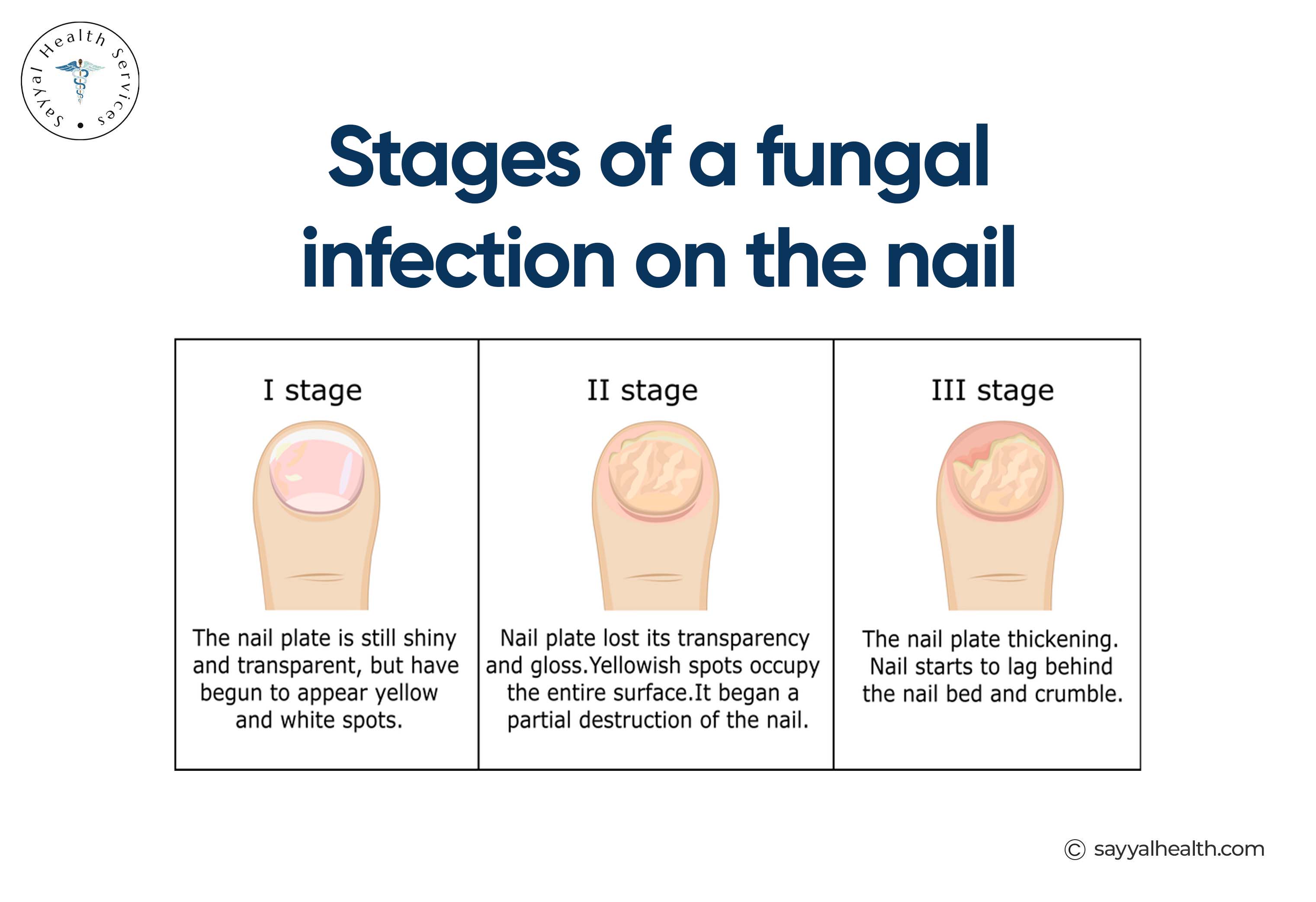
How fungal toenails look depends on how far the infection has progressed. Early on, you might notice a small white or yellow patch near the tip or side of the nail. As fungus on the toes advances, the nail becomes thickened, brittle, and crumbly. The colour may deepen to yellow, brown, or black. In some cases, there's a foul odour coming from the nail.

It tends to follow the same pattern, starting at the edge or beneath the nail and spreading inward. Fingernail infections are less common than toenail infections but can occur in people who frequently have wet hands or who share nail tools.
Fingernail Fungus Image

The main toenail fungus symptoms include:
The stages of fungus on toenails can be broadly described as follows:
Melanonychia refers to a dark discolouration of the nail caused by increased melanin, the pigment that gives colour to skin, hair, and nails. It appears as a black line on the nail, a dark stripe in the toenail, or brown to black streaks running from the base of the nail to the tip. This type of change is referred to as black lining in nails or, when appearing on the fingers, as black lines under fingernails.
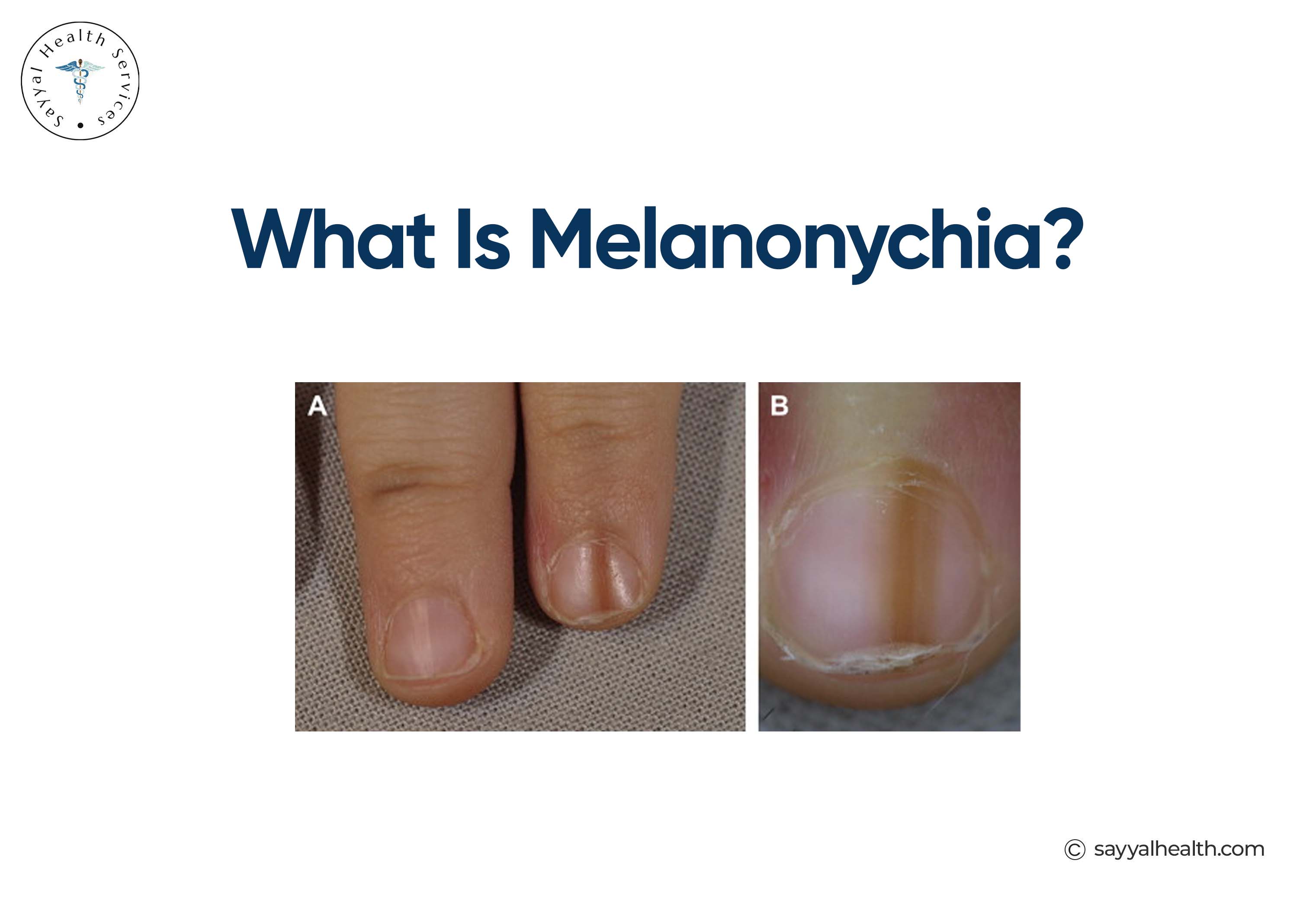
The condition is particularly common in people with darker skin tones, where it is often entirely benign and referred to as ethnic melanonychia. However, melanonychia can also affect people of any background and can sometimes signal an underlying health condition.
Several factors can trigger melanocytes (the pigment-producing cells in the nail matrix) to become more active:
Most melanonychia is benign. Most dark nail streaks are caused by harmless melanocyte activation. However, in a small number of cases, a dark streak under the nail can be an early sign of subungual melanoma, a form of melanoma that develops beneath the nail.
Because subungual melanoma can look identical to benign melanonychia in its early stages, any new or changing dark streak in the nail should be evaluated by a dermatologist.
Warning signs that a dark streak may be melanoma rather than benign melanonychia:
Many black toenails resolve on their own. However, certain black toenail features mean you need to visit your doctor or dermatologist. Seek medical evaluation if you notice:
Treatment depends on what's causing the discolouration. Here's what the approach looks like for each major cause.
Most traumatic black toenails don't need medical treatment. The blood under the nail will gradually reabsorb, and the nail will either grow out normally or loosen and fall off. In the meantime:
If the nail is very painful and the hematoma is large, a doctor can relieve the pressure through a procedure called nail trephination, creating a small hole in the nail to drain the blood. This is best done within the first 24–48 hours.
Fungal nail infections can be stubborn and often require weeks to months of treatment. Options include:
Treatment for fungal nail infections must be continued for as long as prescribed, even after the nail looks better. Stopping early is a common reason infections return.
Getting rid of black toenail fungus takes patience. Oral terbinafine for 12 weeks is among the most effective treatments and achieves cure rates of around 70–80%. Even after treatment succeeds, it can take up to 12–18 months for a completely new, healthy nail to grow in.
The approach ranges from observation to biopsy depending on the features of the streak. If it's benign (such as a stable stripe in a person with darker skin or one caused by a known medication), no specific treatment is needed. The goal is to confirm it's not melanoma.
If a biopsy confirms subungual melanoma, treatment involves surgical removal of the affected area. Depending on the stage and location, this may mean removing the nail, part of the finger or toe, or nearby lymph nodes. Early detection dramatically improves outcomes, which is why evaluating any suspicious streak promptly is so important.
For any black toenail, good foot hygiene helps support recovery and prevents complications:
When not to self-treat: If you notice any warning signs described in the previous section, especially spreading pigment, pain, or a nail turning black without an injury, do not attempt to treat the nail at home. See a healthcare provider.
Preventing black toenails, particularly those caused by fungus or repetitive trauma, comes down to a few consistent habits:
|
Cause |
Typical Appearance |
Symptoms |
Treatment |
When to See a Doctor |
|
Trauma / Injury |
Dark red, purple, or black beneath the nail; may cover part or all of the nail |
Pain, tenderness, throbbing; nail may loosen |
Rest, ice, elevation; nail trephination for severe cases |
If pain is severe, if the nail is fully detached, or if there's no injury to explain the discolouration |
|
Fungal Infection |
Yellow, brown, or black discolouration; thickened, crumbling, or distorted nail |
Brittleness, debris under nail, foul odour, possible itching |
Topical or oral antifungals; nail trimming; rarely nail removal |
If over-the-counter treatments fail after 3–4 months, or if infection spreads |
|
Melanonychia |
Single dark brown or black streak running lengthwise through the nail |
Usually painless; may affect one nail |
Observation, dermoscopy, nail biopsy if needed |
Any new, wide, irregular, or growing streak; pigment outside the nail |
|
Nail Melanoma |
Irregular dark streak; possible Hutchinson's sign (pigment on surrounding skin) |
Often painless initially; may bleed or ulcerate later |
Surgical removal; staging-dependent treatment |
Immediately, any suspicious features warrant urgent evaluation |
|
Circulation Problems |
Diffuse darkening or bluish discolouration of one or more nails |
Cold feet, numbness, leg pain, slow-healing wounds |
Treat the underlying condition (e.g., peripheral artery disease) |
If accompanied by other circulation symptoms or if multiple nails are involved |
What does a black toenail mean?
A black toenail signals a change beneath the nail surface. It often reflects something benign like a bruise or fungal infection, but can occasionally point to a more serious issue. The context matters: a black nail after running is very different from a painless dark streak that appeared with no known cause.
Can toenail fungus turn nails black?
Yes. While fungal nail infections more commonly cause yellow or white discolouration, advanced infections or those caused by specific types of mould can produce a black toenail from fungus. Other signs of fungal infection, such as thickening and crumbling, are usually present alongside the colour change.
What causes toenail fungus?
Toenail fungus is caused by microscopic fungi, most often dermatophytes, that enter the nail through small cuts or separations between the nail and nail bed. Risk factors include walking barefoot in communal areas, wearing tight or sweaty footwear, a weakened immune system, and older age.
What are the stages of fungus on toenails?
Fungal infections progress from a small, subtle discolouration at the nail edge (early stage), to more widespread thickening and colour change (moderate stage), to severe nail distortion, crumbling, and potential nail loss (advanced stage). Early treatment gives the best results.
What do fungus toenails look like?
Fungal toenails typically look thickened, dull, and discoloured, ranging from white or yellow to brown or black. The nail surface may be rough, and the edges often crumble. You may also see debris building up underneath the nail and notice the nail pulling away from the nail bed.
What does fingernail fungus look like?
Fingernail fungus follows a similar pattern to toenail fungus, starting with a discoloured patch near the edge of the nail and progressing to thickening, brittleness, and possible dark colouration. It's less common than toenail fungus because fingers are less often exposed to the warm, moist conditions that fungi prefer.
What is the treatment for melanonychia?
Treatment for melanonychia depends on the cause. Stable, benign streaks may only require regular monitoring. A dermatologist may use a dermoscope to assess the streak closely. If there's any concern, a nail biopsy will be recommended. Melanonychia caused by medications may resolve when the drug is stopped (under medical guidance).
How do I get rid of a black toenail?
How to treat a black toenail depends on what's causing it. A traumatic black toenail often resolves on its own within a few months as the nail grows out. For fungal infections, you'll need antifungal treatment, topical or oral, prescribed or recommended by a healthcare provider. For melanonychia, the focus is on establishing whether the cause is benign or requires further investigation.
Can toenails turn black and fall off?
Yes, toenails turning black and falling off are possible, particularly after significant trauma or during a severe fungal infection. This happens because the blood or fungal damage disrupts the bond between the nail and the nail bed. The nail will typically grow back, but this takes several months, up to a year or more, for toenails.
Should I see a doctor for a black line on my nail?
Yes, you should see a doctor if you notice a new black line on your nail, especially one that appeared without any trauma. You should have it evaluated. A dark stripe in a toenail or under a fingernail needs dermoscopic assessment by a dermatologist to rule out subungual melanoma.
Is a dark stripe in a toenail dangerous?
A dark stripe in a toenail is not always dangerous. In many people, particularly those with darker skin, these stripes are entirely benign. However, a stripe that is wide, irregular, rapidly growing, or accompanied by pigment spreading onto the surrounding skin needs immediate medical evaluation.
A black toenail can look alarming, but in most cases it is only a bump or bruise, a fungal infection, or a pigment change. Understanding why your toenail is turning black is the first step toward managing it effectively.
Injury-related black toenails usually heal without treatment, while fungal infections need consistent antifungal therapy over weeks or months. Melanonychia is a dark line or stripe that is typically benign but always worth having checked to rule out the rare possibility of nail melanoma. In short, don’t ignore your toenail if its colour changes, as early detection matters.
This blog's content is for informational purposes only and does not constitute medical advice. Always consult a qualified healthcare professional for diagnosis and treatment of any medical condition.
References
Your feedback helps us create better content for everyone.